


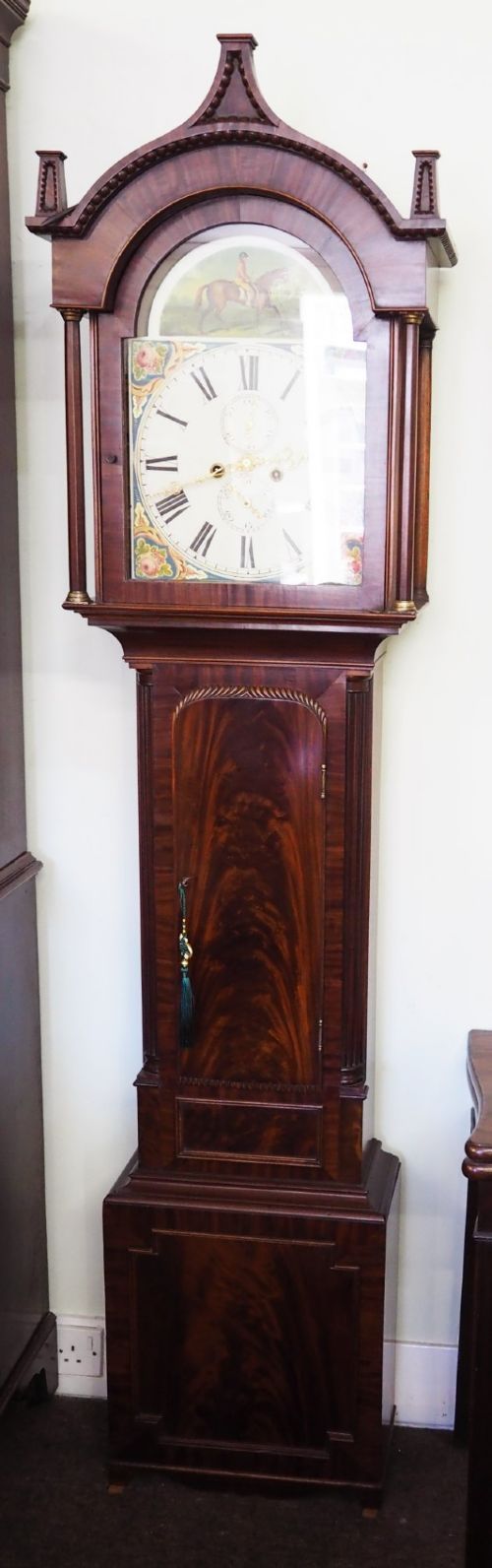


Regency Tallcase Clock
A regency tallcase clock brings striking architectural presence and precision movement to a room.
Regency Tallcase Clock
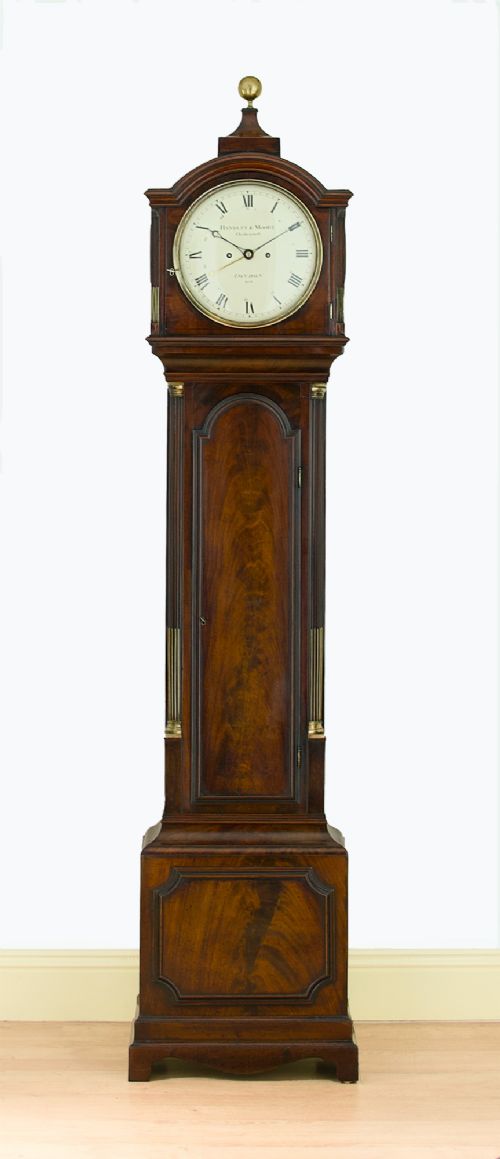
A regency tallcase clock stands as a commanding floor-standing timekeeper, enclosing intricate weights and pendulums within a tall wooden trunk. Buyers searching for a regency tallcase clock generally encounter mahogany and flame mahogany specimens dating across the nineteenth century, alongside regional oak examples.
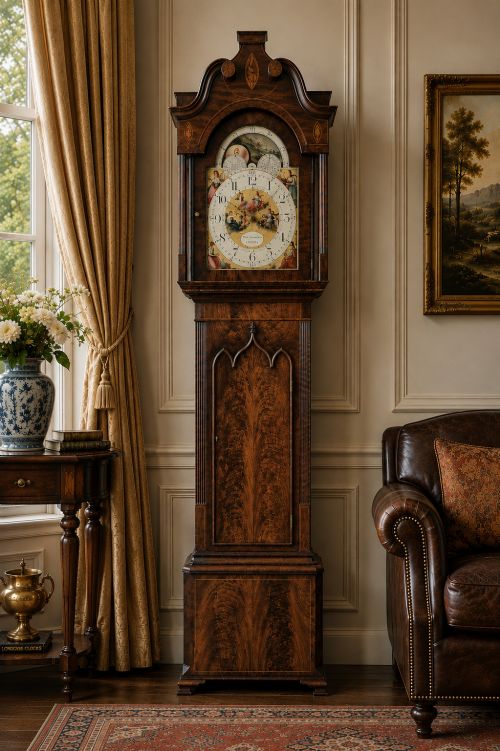
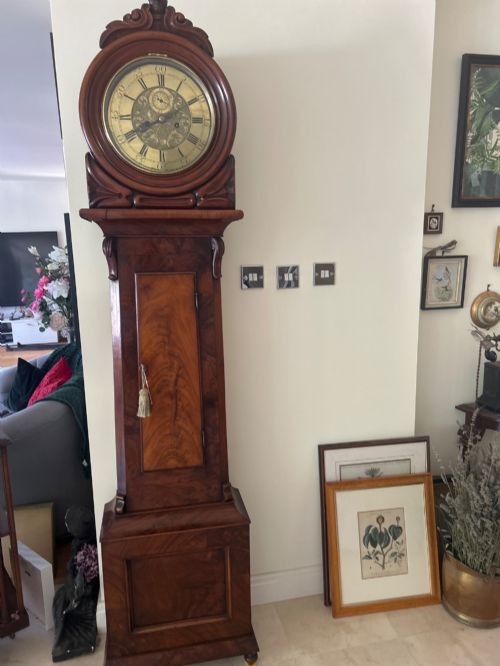
Makers housed these movements in varied regional formats, from Scottish drumhead dials and Gothic revival mahogany cases to simple Welsh oak housings. The face typically presents painted iron or enamel, detailed with subsidiary seconds or moonphase indicators.
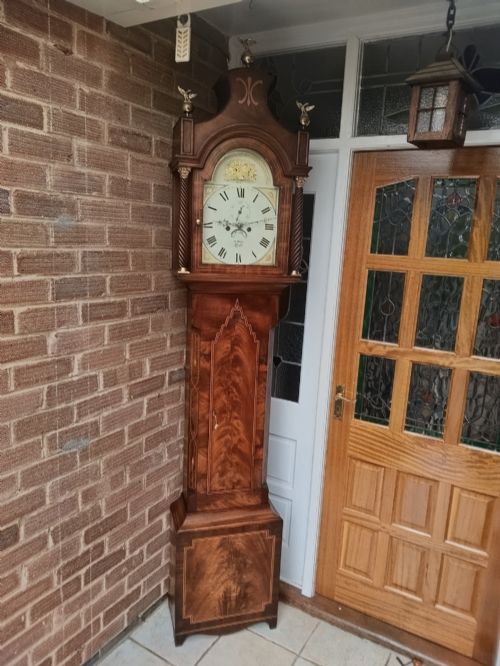
The form developed from earlier Georgian standards into refined Regency interpretations, incorporating inlaid veneers and quarter-striking mechanisms. Regional variants from London, Edinburgh, and provincial makers all appear within the selection.
Materials and construction
Cabinetmakers constructed these clock cases primarily in solid mahogany, flame mahogany veneer, and oak, applying meticulous inlay to accentuate the vertical grain. Carpenters shaped the timber to form slender trunks, arched hoods, and glazed dial doors that protected the delicate works within.
Regency Tallcase Clock Retail Price Guide 2026
Typical asking prices for regency tallcase clock among the pieces listed under this phrase on Sellingantiques today, from the lower quarter to the upper quarter. They describe what is for sale here now, not the wider market.
Listings feature nineteenth-century and Georgian periods, utilising mahogany, flame mahogany veneer, oak, brass, glass, and painted iron.
What separates the finest examples
Quality rests in the selection of timber figures, where rich flame mahogany veneer and crisp inlay distinguish an exceptional case from a plain wooden trunk. The refinement of the cabinet joinery and the proportion of the hood to the waist dictate visual balance.
Mechanical execution defines the upper tier, seen in complex movements such as quarter-striking systems, regulators, and moonphase complications signed by notable practitioners. The clarity of the painted dial and the crispness of the brass work further separate standard regional pieces from London masterworks.
Handley and Moore·Samuel Kellett·William Moon·Parkinson and Frodsham·Perigal Bond Street
The Regency Tallcase Clock Glossary
- Longcase clock
- A tall, free-standing pendulum clock enclosed in a wooden case consisting of a hood, waist, and base. These timekeepers are frequently called grandfather clocks.
- Moonphase
- A dial mechanism tracking the lunar cycle through a rotating disc showing the phases of the moon. It adds significant mechanical complexity to the clock face.
- Regulator
- A precision pendulum clock designed for extreme accuracy, often featuring a simplified dial layout for easy reading. These movements represent high horological standards.
- Drumhead
- A circular dial case configuration found particularly on Scottish longcase clocks. The shape resembles a drum mounted atop the wooden trunk.
- Flame mahogany
- Mahogany veneer sliced to capture the fiery, swirling grain pattern of the wood. Cabinetmakers utilised this figure on principal display surfaces.
Regency Tallcase Clock: Frequently Asked Questions
How do I wind a regency tallcase clock?
Wind the clock by inserting the key into the winding holes on the dial face and turning it slowly until the weights rise to the correct height.
Take care not to overwind the mechanism, and support the weight slightly if necessary to ease tension on the cord during the process.
Where should I place a longcase clock?
Position the clock against a sturdy interior wall away from direct sunlight, heating vents, and damp areas. Temperature fluctuations can affect the wood and the accuracy of the pendulum.
Ensure the floor is completely level so the pendulum swings evenly and the tick remains steady.
How do I identify a Regency period case?
Look for architectural lines, flame mahogany veneers, brass inlay, and Gothic revival details characteristic of the early nineteenth century. Regional variations often display distinct local joinery traits while retaining the overarching style.
Check the dial construction and signature to cross-reference the working period of the maker.
What does an eight day movement mean?
An eight day movement requires winding once a week, powered by heavy weights suspended inside the trunk by cords or chains. This improvement freed owners from daily winding routines common in earlier thirty-hour clocks.
Most high-quality examples from London and regional makers adopted this standard to increase convenience.