



Antique Horology Wall Clock
When you search for an antique horology wall clock, you are looking at centuries of mechanical timekeeping designed to hang securely in public rooms and domestic halls.
Antique Horology Wall Clock
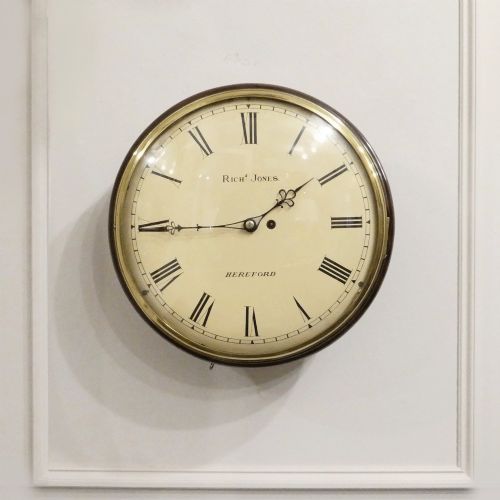
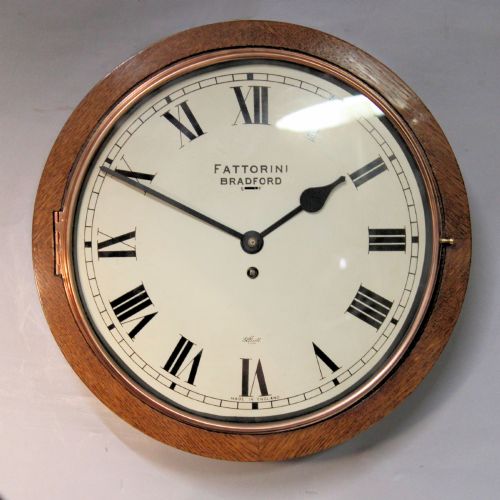
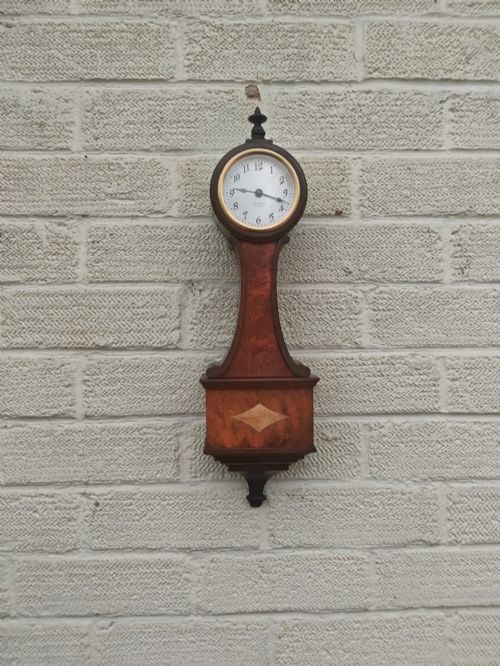
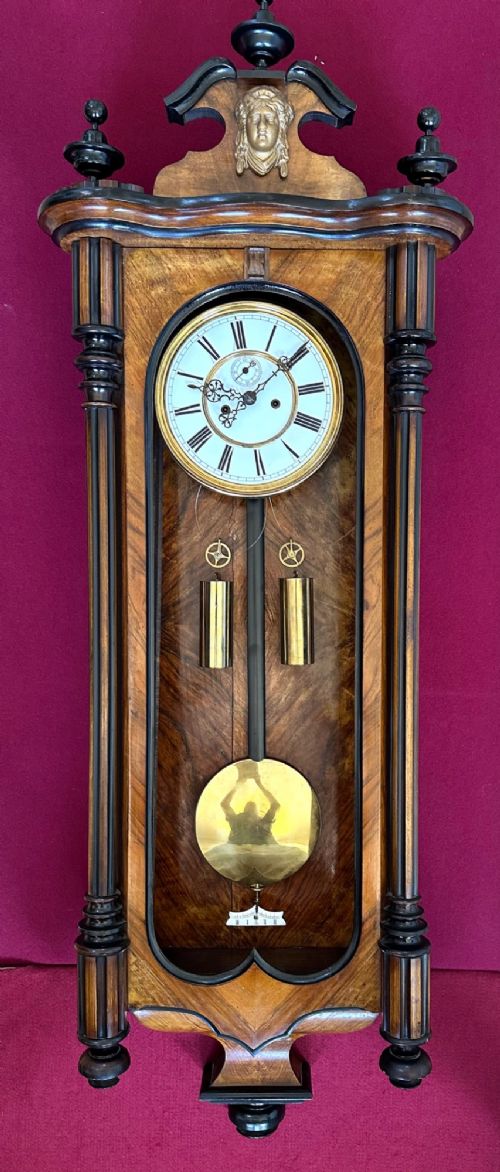
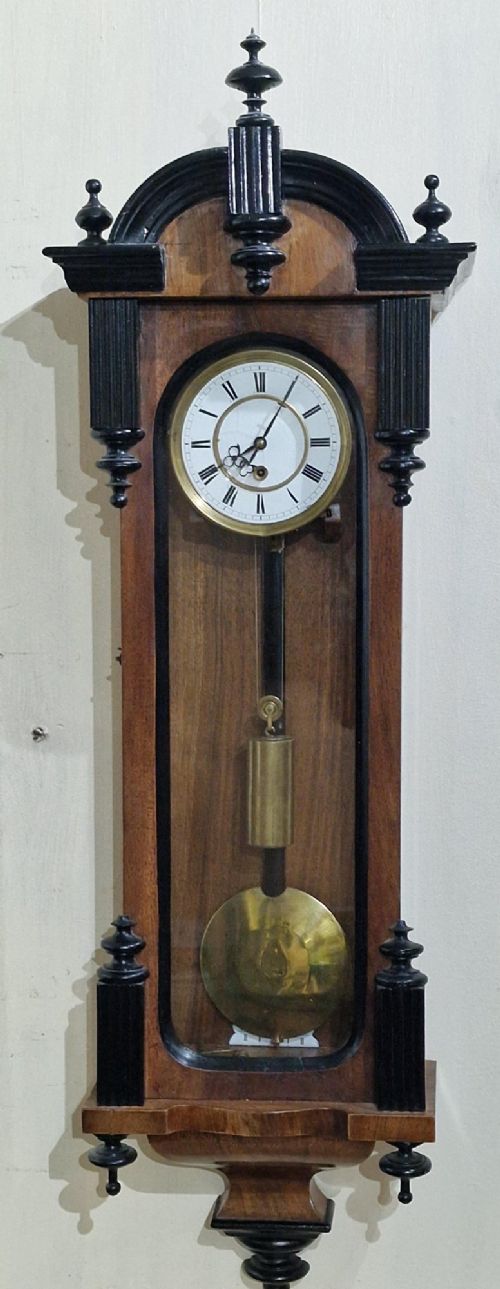
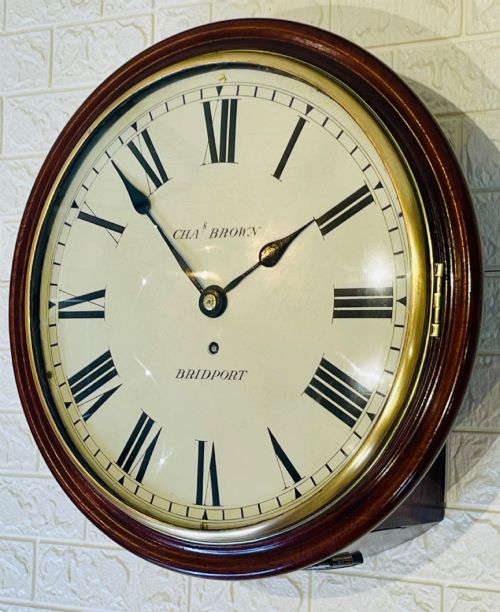
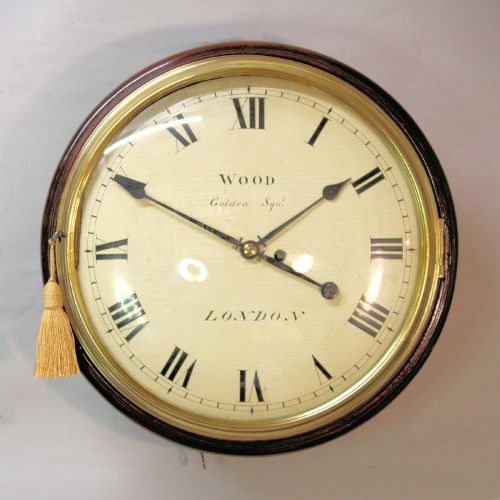
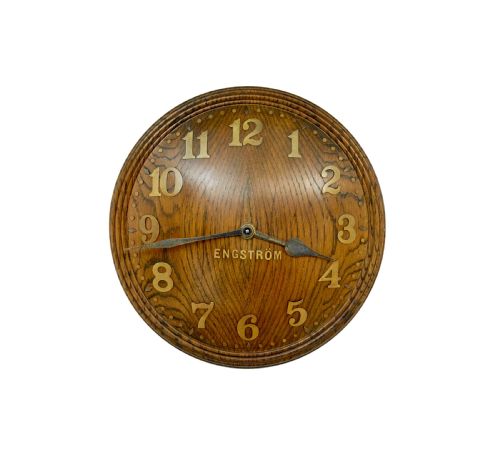
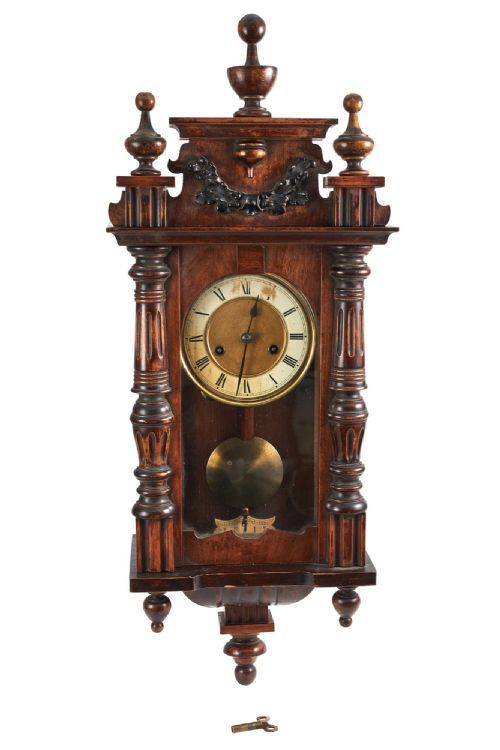
An antique horology wall clock encompasses timepieces driven by weights or springs, ranging from robust railway dial clocks to elaborate Vienna regulators and early brass lantern clocks. The pieces you meet most frequently on this page belong to the nineteenth century, particularly mahogany fusee dial clocks and walnut Vienna regulators.
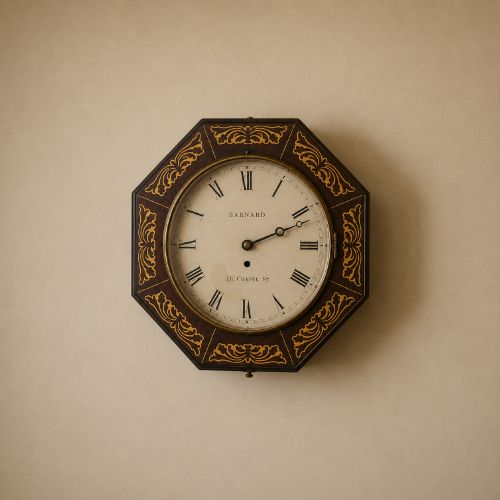
The form spans straightforward dial clocks intended for offices and stations, architectural Vienna wall clocks with visible weights, and specialised marine bulkhead or tavern timepieces. Each version reflects the specific domestic, municipal or transport needs of its period, from simple dial faces to striking architectural cases.

Materials and construction methods
Cases are constructed from native and imported timbers including mahogany, walnut, oak, and rosewood, frequently incorporating brass bezels and inlays around the dial. Movements rely on brass and steel components, driven by weighted fusee or spring-driven mechanisms designed for reliable timekeeping.
Antique Horology Wall Clock Retail Price Guide 2026
Typical asking prices for horology wall clock among the pieces listed under this phrase on Sellingantiques today, from the lower quarter to the upper quarter. They describe what is for sale here now, not the wider market.
The listings span from seventeenth-century brass lantern clocks to twentieth-century oak dial clocks, utilising mahogany, walnut, enamel, and brass.
Assessing quality in wall clocks
The standard of a wall clock rests upon the crispness of the movement, the integrity of the timber case, and the originality of the dial and hands. Finer examples retain their original fusee movements, matching pendulum bobs, and undisturbed dial signatures that name the maker and town.
Quality also shows in the proportion and cabinetwork of the housing, where solid mahogany or burr walnut veneers, inlaid brass details, and well-fitted glazed doors separate standard utility timepieces from superior domestic regulators.

Richard Jones of Hereford·John Spershott of Titchfield·Samuel Tinham of New Sarum·Johann Baptist Beha·John Walker
The Antique Horology Wall Clock Glossary
- Fusee
- A conical pulley used with a cord or chain to maintain equal power as the mainspring unwinds. This mechanism ensures consistent timekeeping throughout the duration of the winding cycle.
- Dial clock
- A wall-mounted clock featuring a prominent circular face, commonly used in public spaces, offices, and railways. These pieces emphasise legibility and straightforward mechanical reliability.
- Vienna regulator
- A precision weight-driven wall clock originating in nineteenth-century Austria, characterised by a long glass-fronted case and visible pendulums. They are celebrated for their meticulous movement construction and architectural proportions.
- Lantern clock
- An early brass chamber clock of the seventeenth century, designed to hang on a wall with exposed weight lines. They represent the earliest domestic wall timepieces in English horology.
- Drop-dial
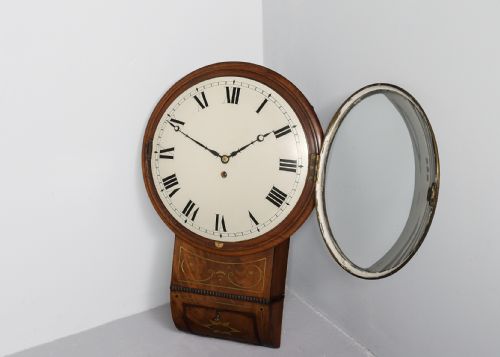
- A wall clock where the circular dial extends downwards into a lower wooden box or trunk to house a longer pendulum. This form became popular in nineteenth-century English domestic and office settings.
Antique Horology Wall Clock: Frequently Asked Questions
What is a fusee movement?
A fusee movement uses a conical pulley connected to the mainspring by a cord or chain, ensuring that the force delivered to the gear train remains constant as the spring relaxes.
This clever mechanical device distinguishes better quality English wall clocks and contributes directly to more accurate timekeeping over the entire running period.
How do I wind a wall clock?
Most spring-driven wall clocks require a winding key inserted into a small hole on the dial face, turned gently until resistance indicates the mainspring is fully tensioned.
Weight-driven regulators are wound by pulling the cord to draw the brass weights back to the top of the case, taking care not to disturb the pendulum.
Where should I hang a wall clock?
Wall clocks should be mounted on a sturdy internal wall using appropriate fixings secured directly into masonry or solid wooden studs to support the weight of the mechanism.
Position the clock away from direct sunlight, excessive moisture, and heavy vibrations to preserve the wooden case and keep the pendulum beating evenly.
How do I tell a railway clock apart?
Railway clocks typically feature clear white painted dials, robust mahogany or oak cases, and specific company lettering or numbering stencilled directly onto the dial or case.
These utilitarian timepieces were built to withstand demanding operational environments in stations, signal boxes, and offices across the transport network.