






Dark Walnut Wall Clock
These dark walnut wall clock examples bring architectural presence and steady timekeeping to a room.

What these pieces are
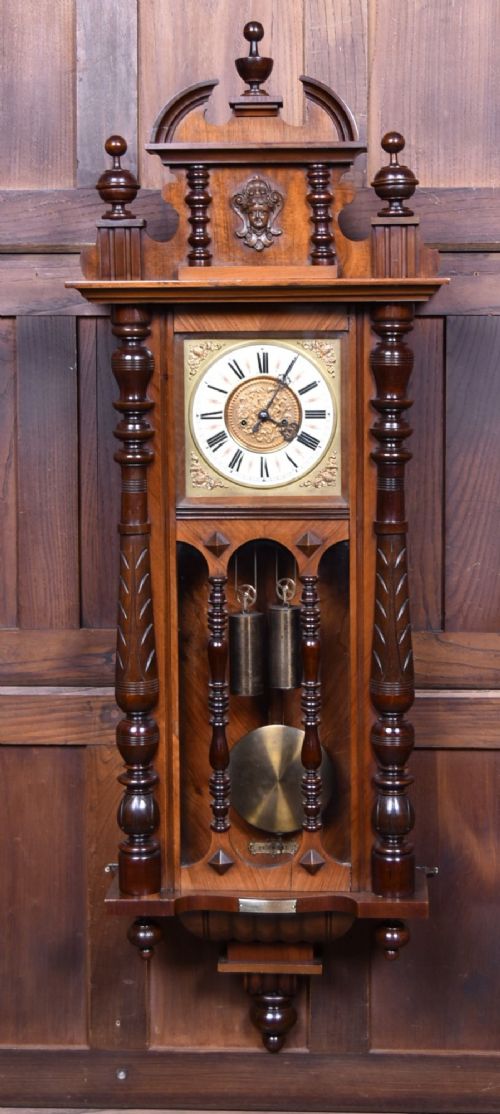
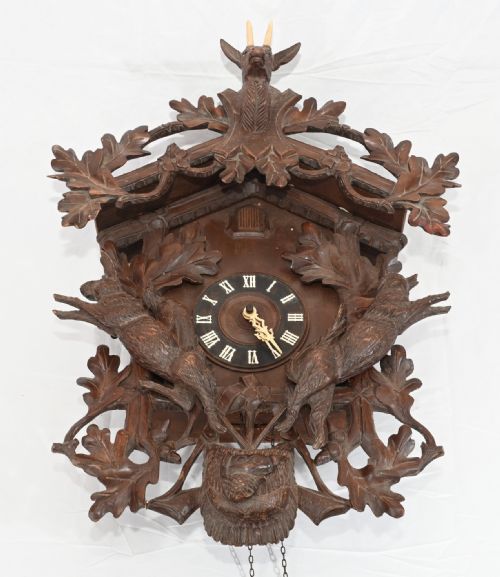
A dark walnut wall clock combines architectural presence with precise mechanical movement, serving as both a functional timepiece and a striking focal point. When exploring the category of a dark walnut wall clock, buyers frequently encounter 19th Century and Victorian era examples.
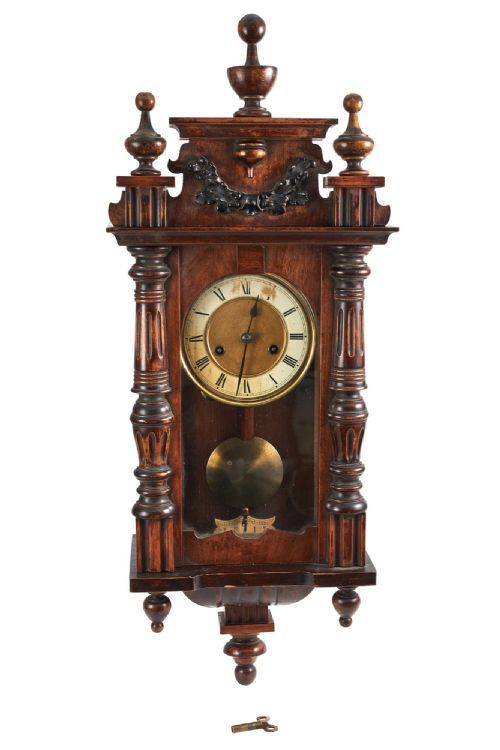
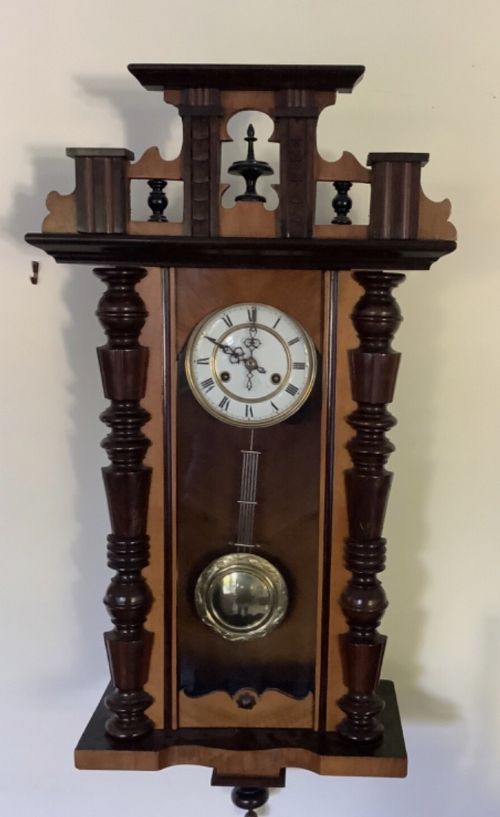
The selection ranges from Vienna style regulators to combined banjo clock barometer instruments. These pieces originate primarily from the 1880 period and the broader 19th Century, reflecting disciplined craftsmanship.
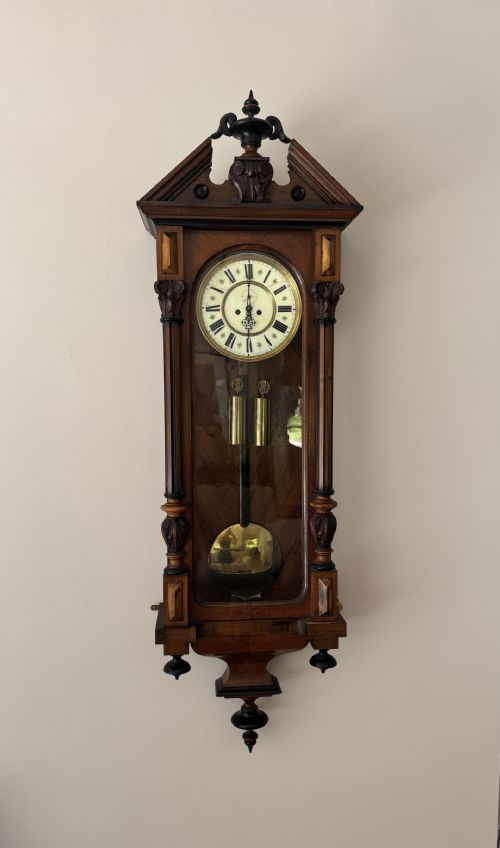
Vienna style wall clocks dominate the available forms, often featuring robust double weight or triple weight movements. Each dark walnut wall clock demonstrates the substantial proportions and rich timber tones characteristic of the period.
How they were made
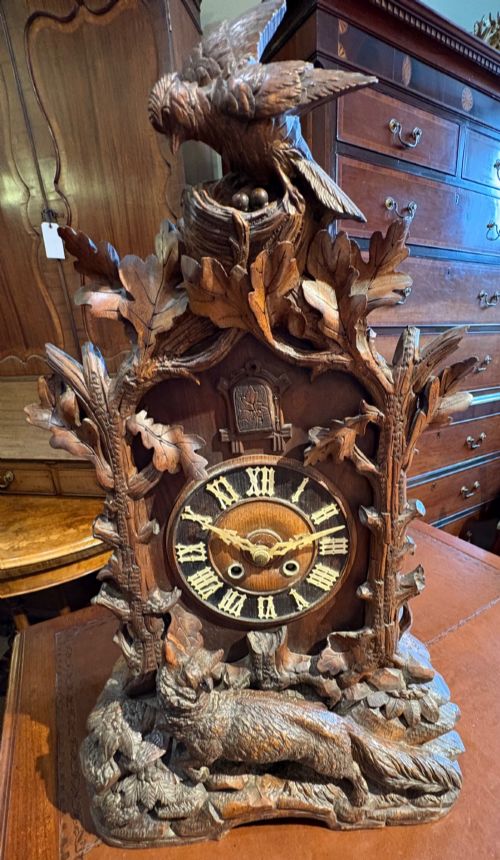
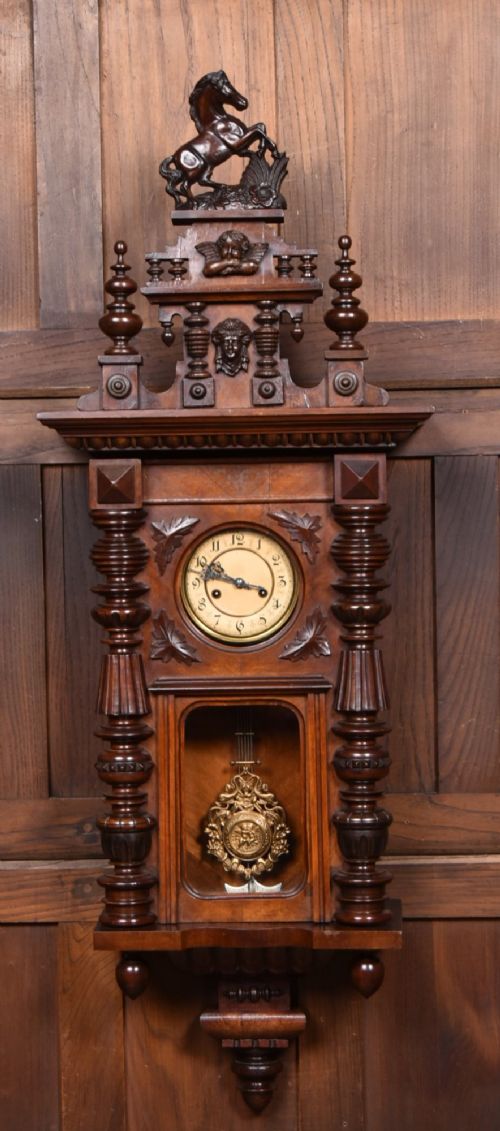
Cabinetmakers utilised rich walnut timber to construct the substantial cases, often applying carved ornamentation to the architectural mouldings. Glass panels protect the dial and pendulum, while brass components form the intricate mechanical movements within.
Enamel dials provide a clear surface for the painted numerals, designed for legibility and aesthetic contrast against the dark wood. The incorporation of metal weights drives the 8 day striking mechanisms that regulate the time.
Retail Price Guide 2026
Typical UK retail prices for dark walnut wall clock, calculated from the Sellingantiques database of over a million retail prices indexed since 2003. This retail price guide relies exclusively on Sellingantiques data; no external sources or auction records are used, so the figures do not describe the wider market.
Current listings span the 1880 period and the 19th Century, incorporating walnut, brass, glass, and enamel.
What varies in quality
The sophistication of the carved walnut casework separates standard examples from exceptional pieces. Artisans who invested time in detailed Victorian ornamentation produced cases with superior visual depth and architectural balance.
The complexity of the movement also dictates the standing of a piece, with double weight and triple weight systems representing higher mechanical ambition. Furthermore, the crispness of the enamel dial and the preservation of original brass fittings influence the overall integrity.
The Dark Walnut Wall Clock Glossary
- Vienna regulator
- A precision pendulum clock developed in Vienna during the 19th Century. These clocks are known for their accurate weight driven movements and elongated glass door cases.
- Banjo clock
- A wall clock featuring a shape resembling a banjo, typically combining a round dial at the top with a long tapering trunk and a rectangular box at the base.
- Double weight
- A movement powered by two separate hanging weights, usually operating the timekeeping train and the striking train independently.
- Triple weight
- A mechanical setup utilising three weights to power timekeeping, striking, and chiming functions. This system requires a larger and more complex movement.
- Enamel dial
- A clock face made by fusing powdered glass onto a metal substrate at high heat. This creates a durable, glossy white surface that resists fading.
Frequently Asked Questions
How do weight driven movements work?
Weight driven movements rely on suspended metal weights that slowly descend as gravity pulls them downward, turning the internal gear train.
This method provides a consistent source of power compared to spring driven alternatives, contributing to steady timekeeping.
Where should I hang a wall clock?
Hang your wall clock on a sturdy interior wall at eye level where it receives adequate support from a proper wall anchor.
Avoid placing mechanical clocks in damp areas or in direct sunlight to protect the walnut timber and the interior brass components.
How do I care for an antique clock?
Maintain the exterior by dusting the carved walnut gently with a dry cloth and avoiding harsh chemical polishes.
Ensure the clock is professionally serviced periodically to keep the mechanical movement clean and properly lubricated.