

Georgian Eight Day Clock
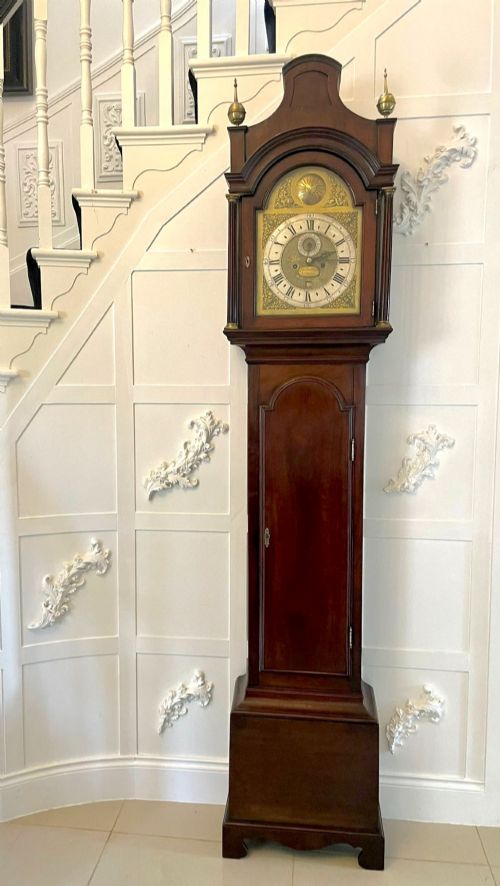
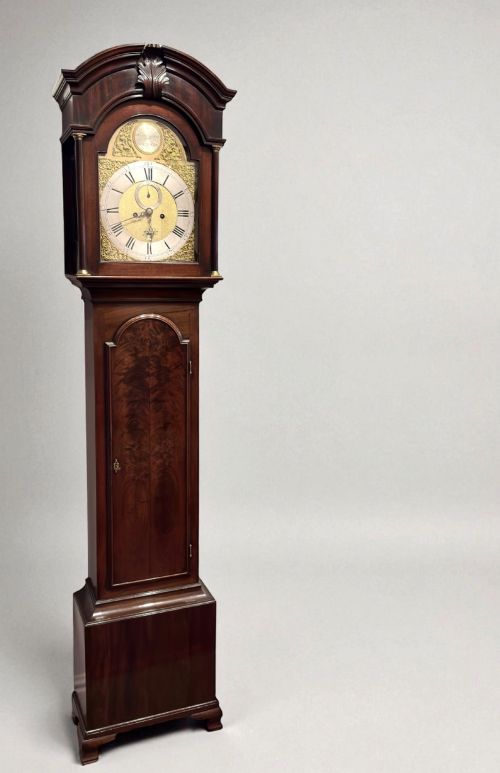
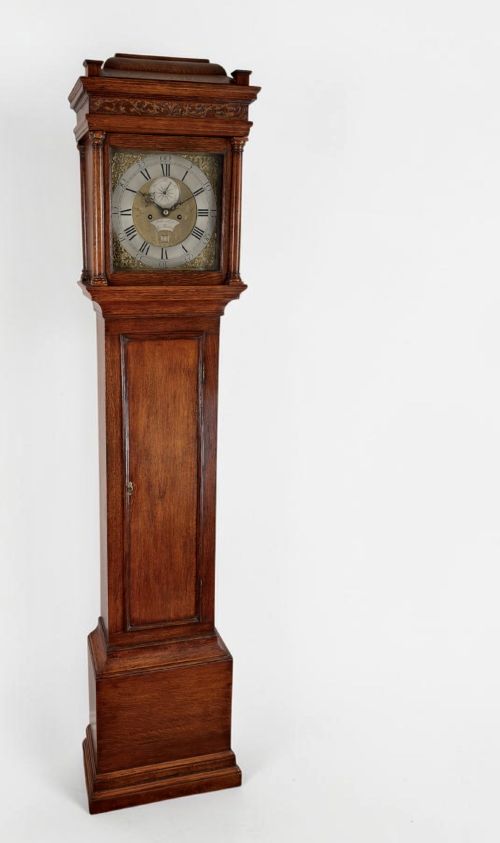
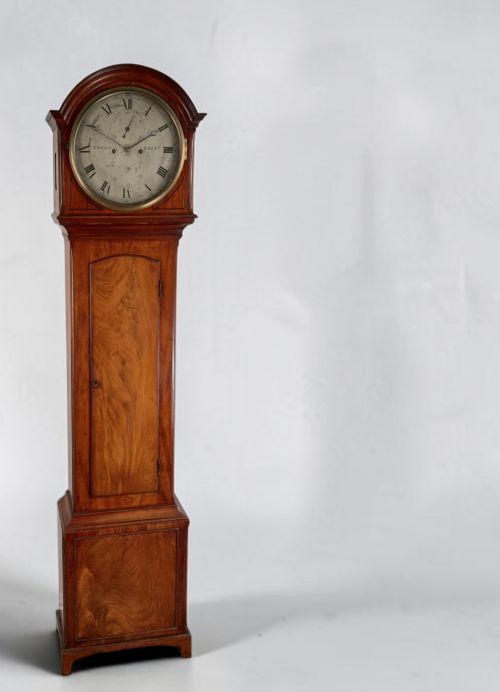
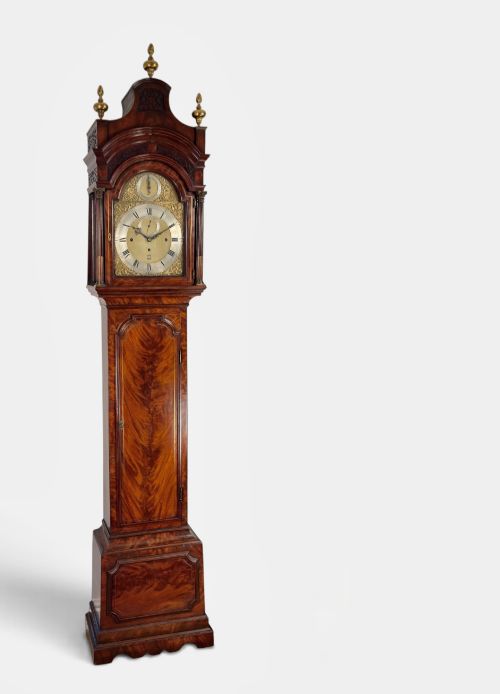
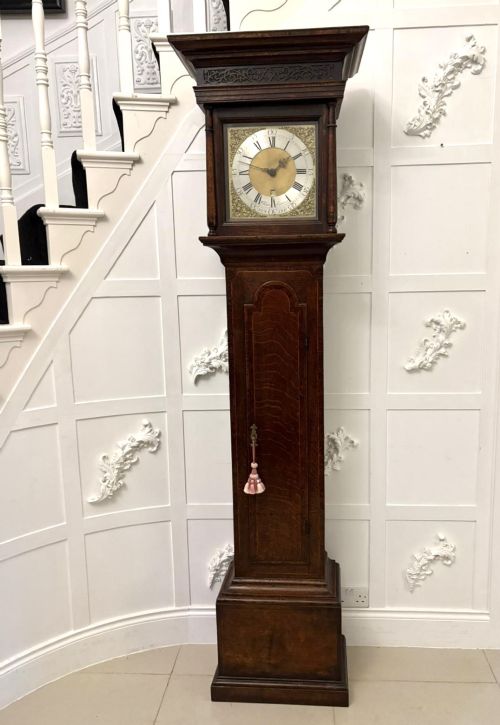
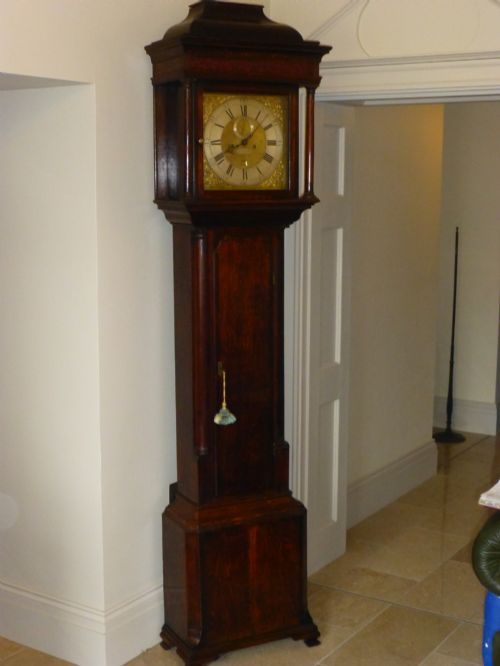
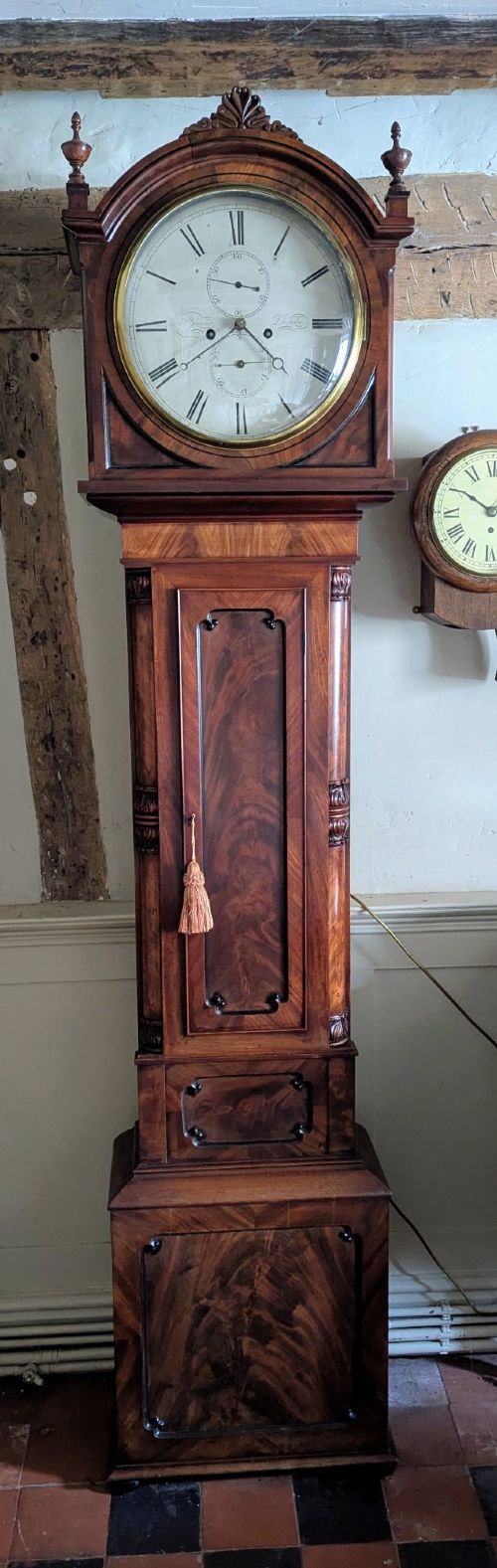
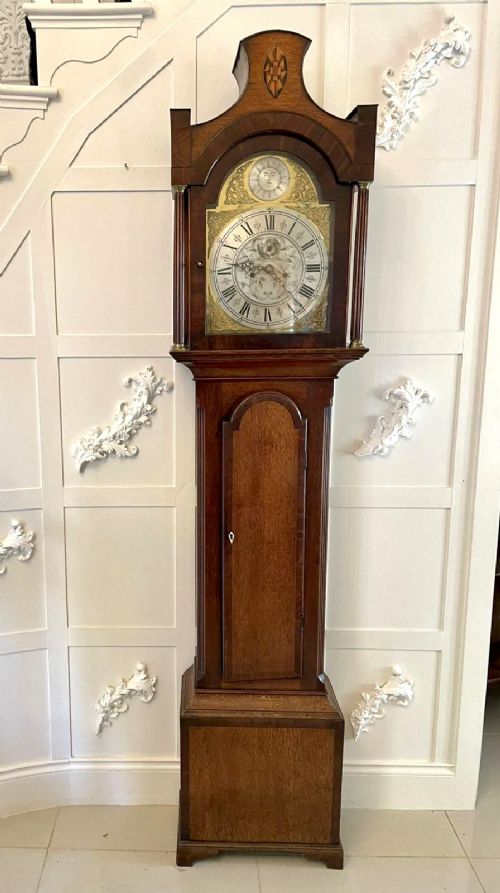
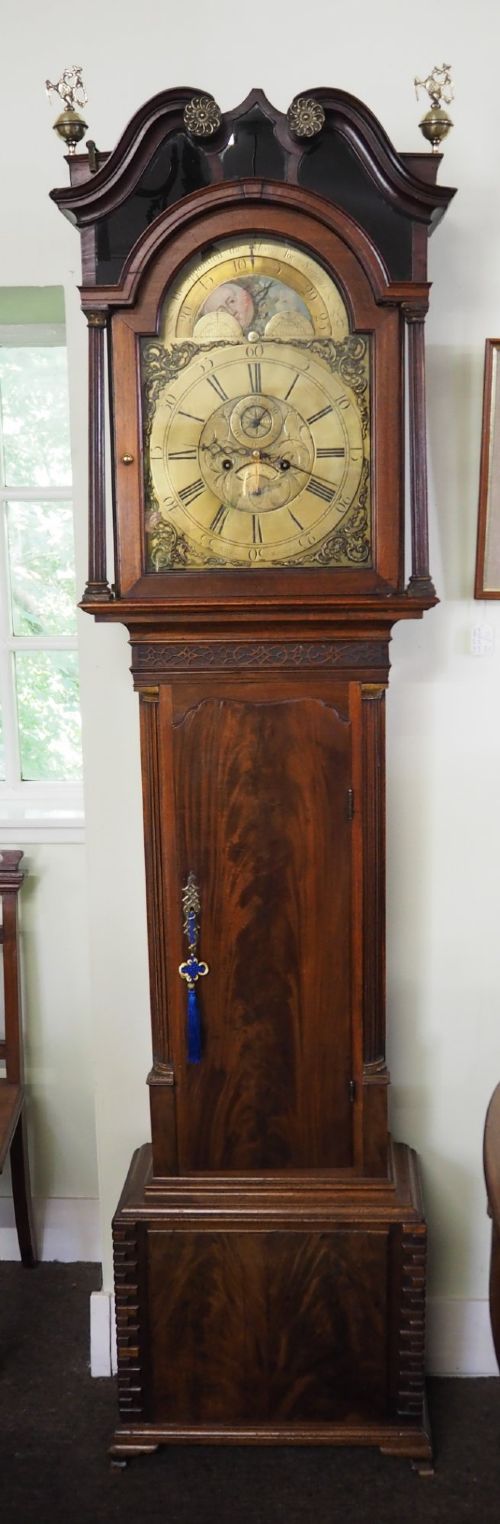
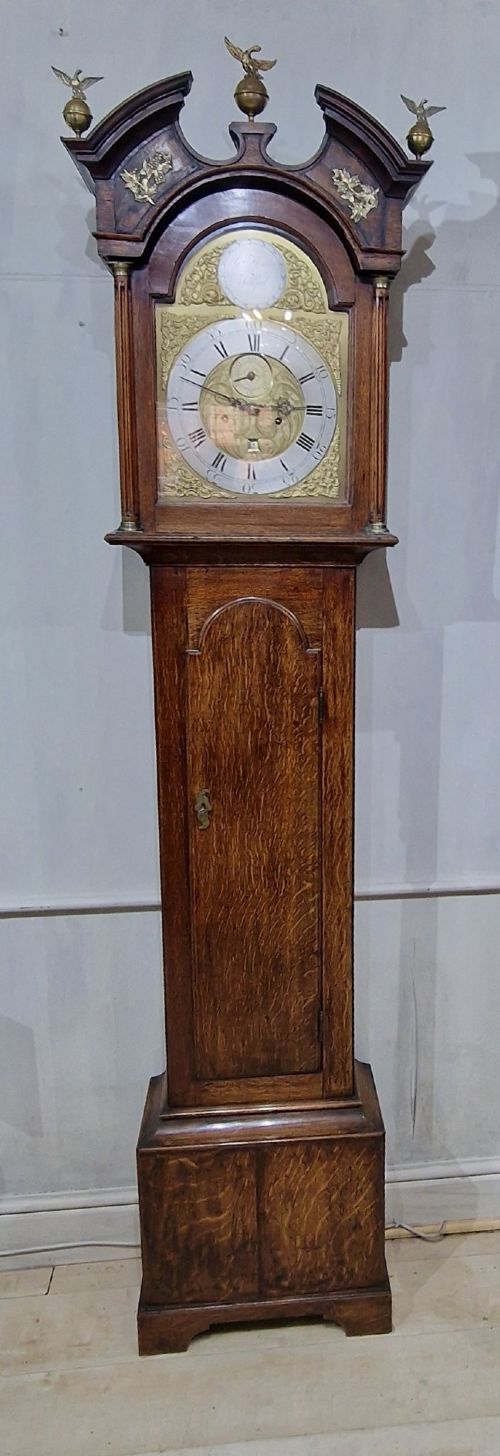
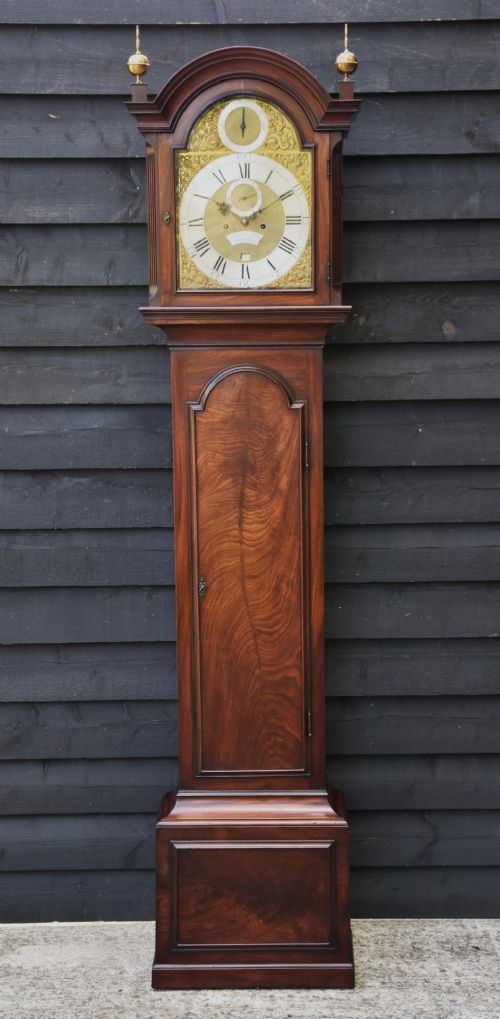
A georgian eight day clock is a tall floor-standing timekeeper housing a brass or painted iron dial in mahogany, oak, or walnut.

Georgian Eight Day Clock
A georgian eight day clock is principally a longcase or grandfather clock designed to run for over a week before requiring manual winding via the weights suspended inside the trunk.
The most common examples met on this page date from the eighteenth and nineteenth centuries, produced by regional makers across England and Scotland as well as London workshops.
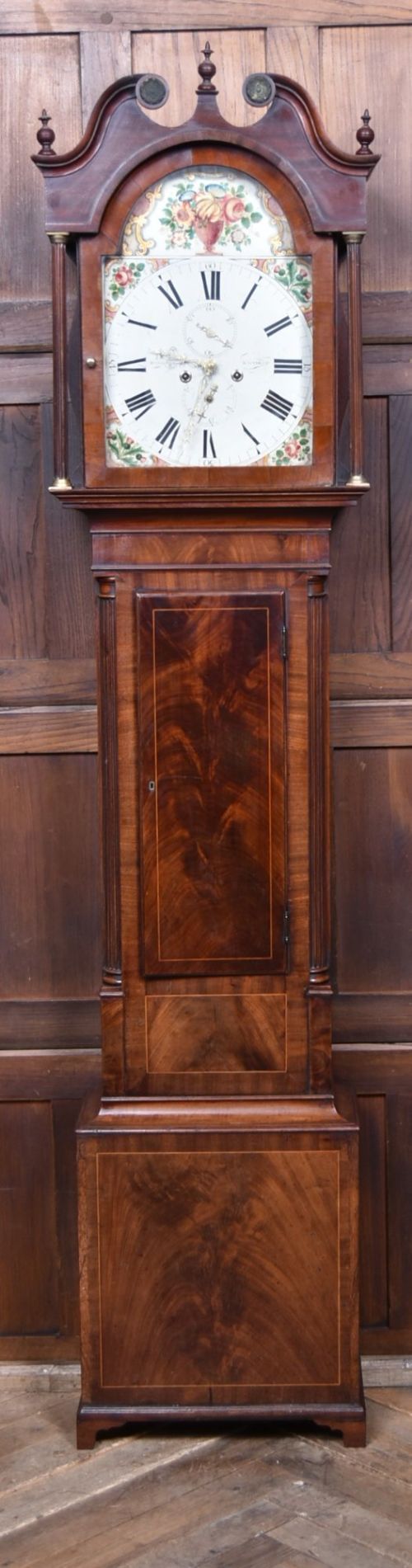
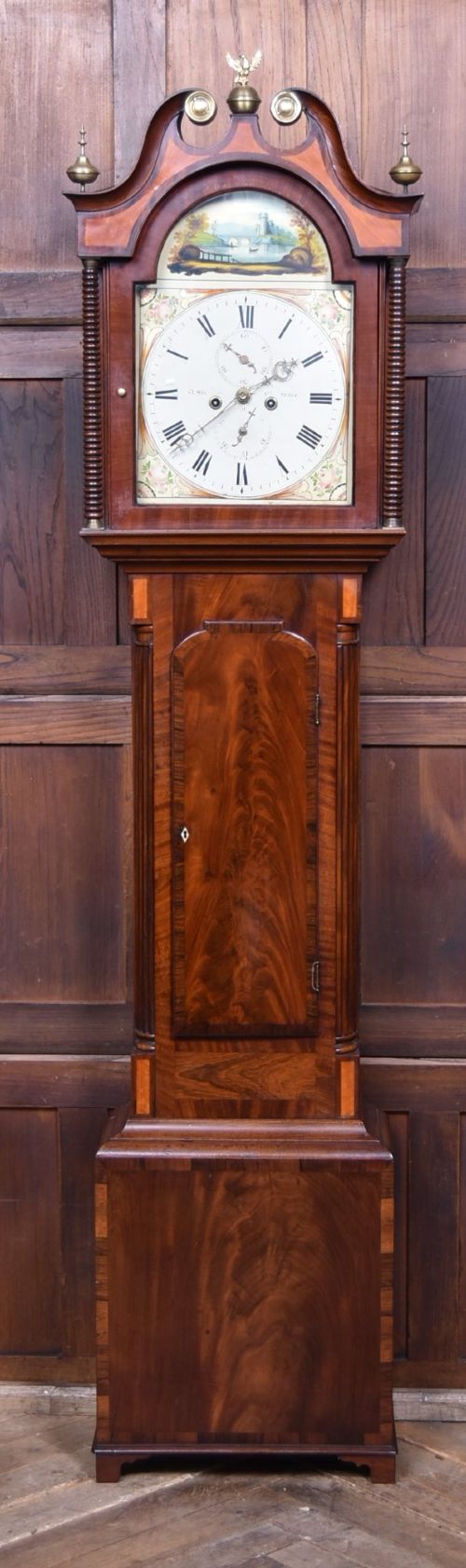
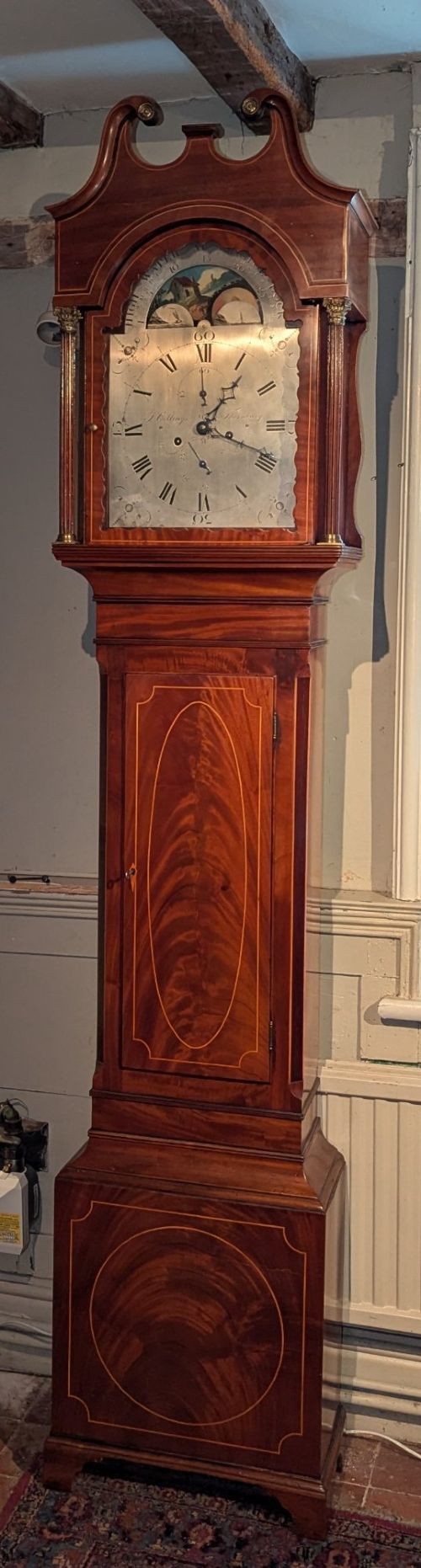
Cases appear predominantly in mahogany and oak, occasionally featuring burr walnut, marquetry, or flame mahogany veneers alongside brass and painted iron dials.
How They Were Made
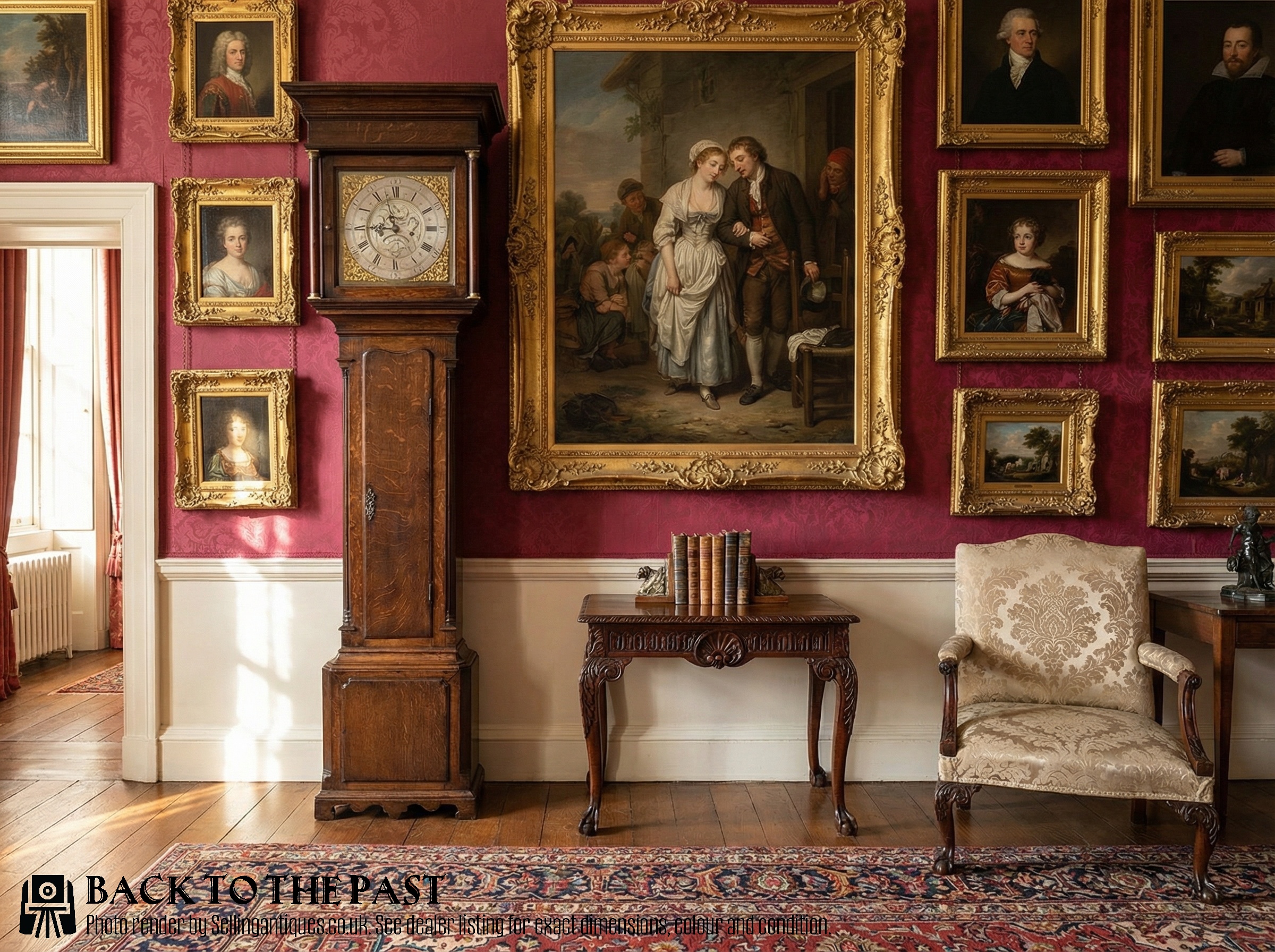
Cabinetmakers constructed tall wooden cases from solid timbers or applied fine veneers such as mahogany and burr walnut over pine or oak carcases, incorporating glass doors to protect the dial.
Horologists built brass and steel movements with gear trains driven by hanging weights, mounting engraved brass faces or painted iron dials marked with Roman and Arabic numerals.
Georgian Eight Day Clock Retail Price Guide 2026
Typical asking prices for georgian eight day clock among the pieces listed under this phrase on Sellingantiques today, from the lower quarter to the upper quarter. They describe what is for sale here now, not the wider market.
Horse illustrations occasionally grace painted iron dials, nodding to the sporting interests of nineteenth-century buyers.
What Varies in Quality
The sophistication of the movement dictates the tier of the piece, separating standard time-and-strike mechanisms from those featuring moon phases, strike-silent options, or quarter striking.
Cabinet work separates standard regional production from master examples, visible in the selection of figured timber, carved details, architectural hoods, and dial engraving executed by named makers.
Charles Shuckburgh·Hendrie Ogg·John Ellicott·James Field·Richard Corless·James McCabe·Handley And Moore·Parkinson Bros·Charles Louch·Windmills And Wightman·Thomas Bawden·Robert Clidesdale·John Agar·William Peacock
The Georgian Eight Day Clock Glossary
- Longcase clock
- A tall floor-standing timekeeper enclosed in a wooden case with a weight-driven movement. Often called a grandfather clock.
- Dial
- The face of the clock displaying hours and minutes, formed from brass or painted iron. Many bear the signature of the maker.
- Moon phase
- A rotating disc showing the phases of the lunar cycle positioned on the dial. Found on higher grade movements.
- Strike silent
- A mechanism allowing the hourly striking train to be disengaged at night. Utilised in domestic settings.
- Quarter striking
- A complex mechanism that sounds the quarters of the hour on bells or gongs. Associated with finer workshop production.
Georgian Eight Day Clock: Frequently Asked Questions
How do these clocks work?
These timekeepers operate using lead or cast iron weights suspended by cords or chains inside the wooden trunk, driving a gear train regulated by a pendulum.
Gravity powers the movement as the weights slowly descend over the course of eight days before requiring manual winding with a crank key.
Where were these clocks made?
Production occurred across London workshops, provincial English towns, and Scottish burghs, where local horologists sourced movements and built or commissioned the wooden cases.
Regional variations appear in both cabinet timber choices and dial decoration, reflecting the preferences of different manufacturing centres.
How do I wind the clock?
Winding involves inserting a key into the winding holes on the dial face and turning it clockwise to draw the weights back up to the top of the case.
Care is taken not to overwind the movement, ensuring the weights reach the correct height without straining the internal cord drums.
What is the difference between brass and painted dials?
Brass faces typically feature engraved silvered chapter rings and cast corner spandrels, representing traditional craftsmanship associated with earlier periods of production.
Painted iron dials emerged later, offering spaces for floral decoration, calendar displays, and lunar complication mechanisms.