

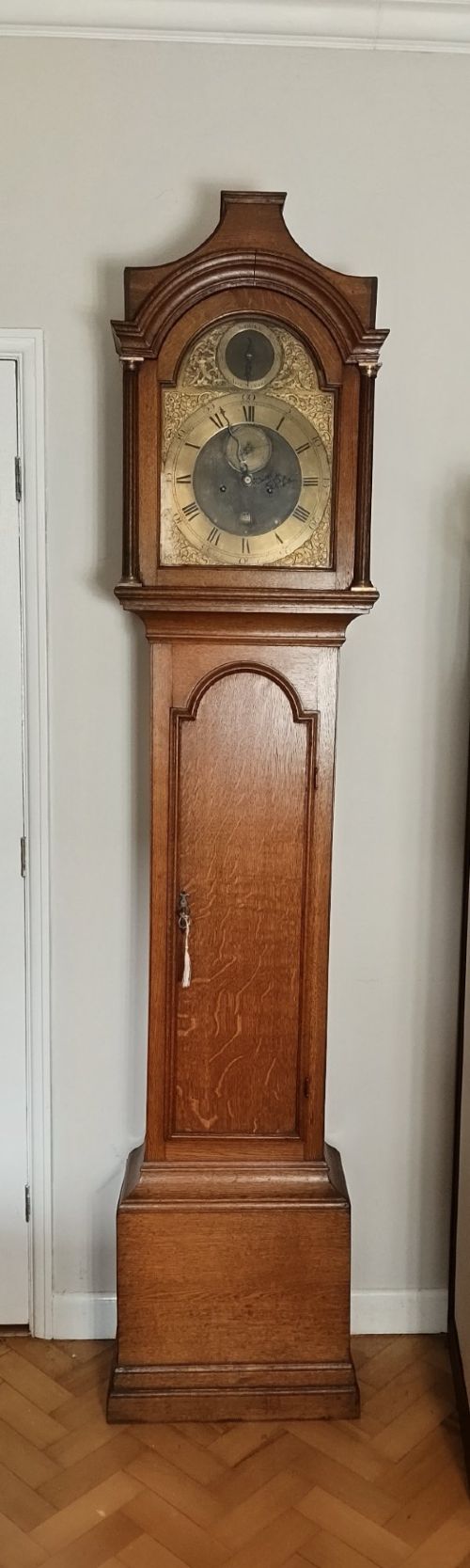
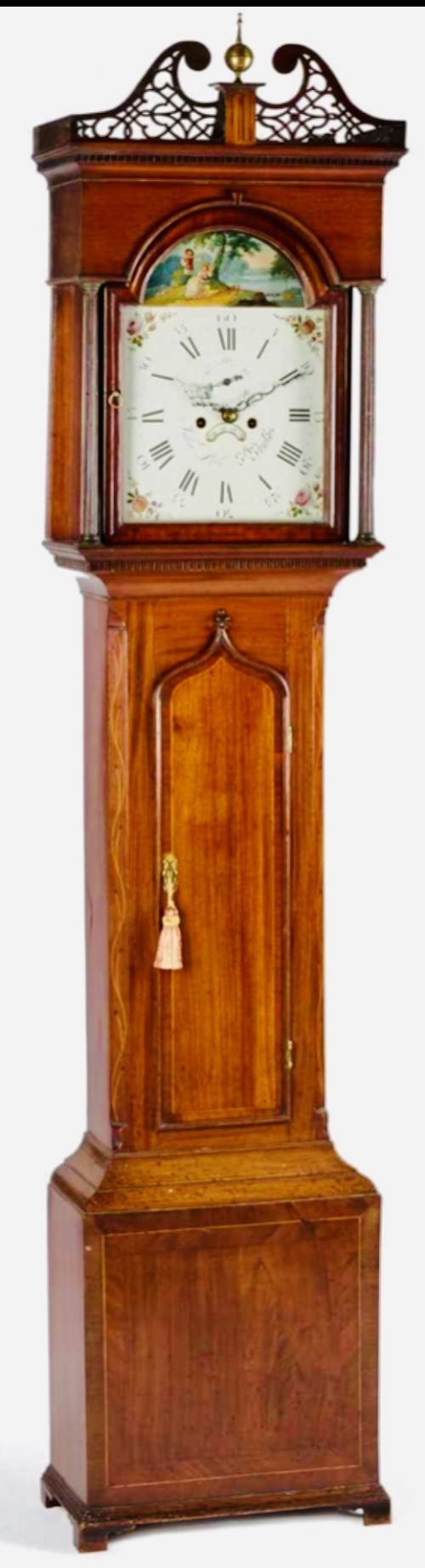
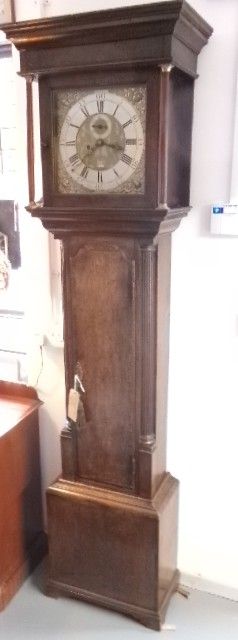
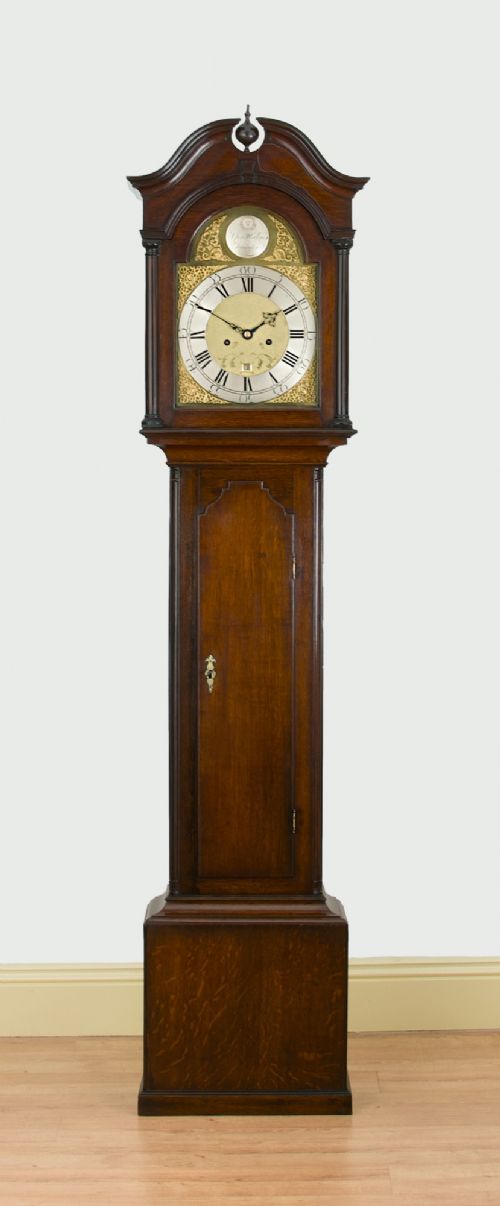
Georgian Oak Tallcase Clock
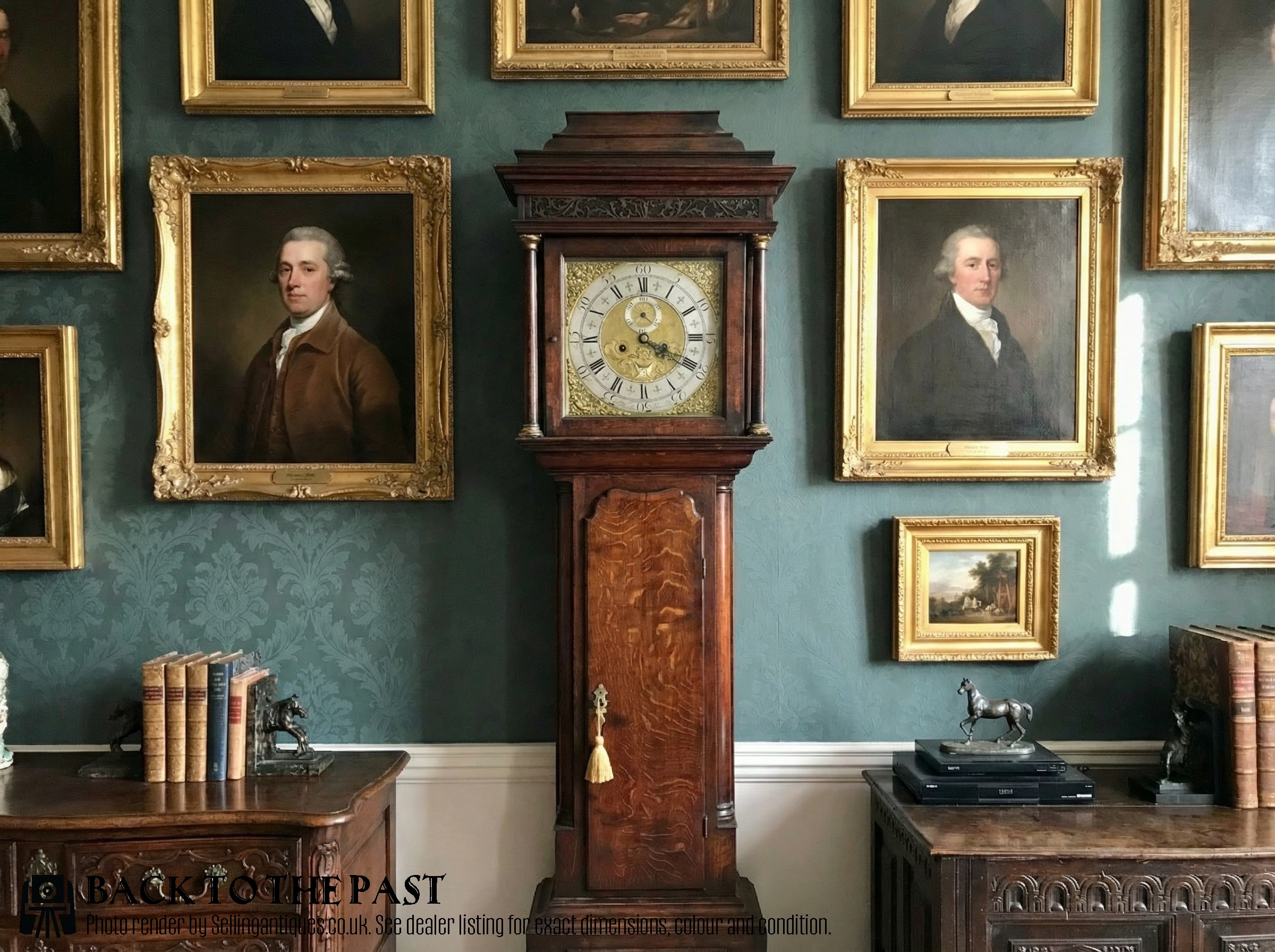
A georgian oak tallcase clock brings the steady rhythm of the eighteenth century into a room, housed in timber that gains depth with age.

Georgian Oak Tallcase Clock
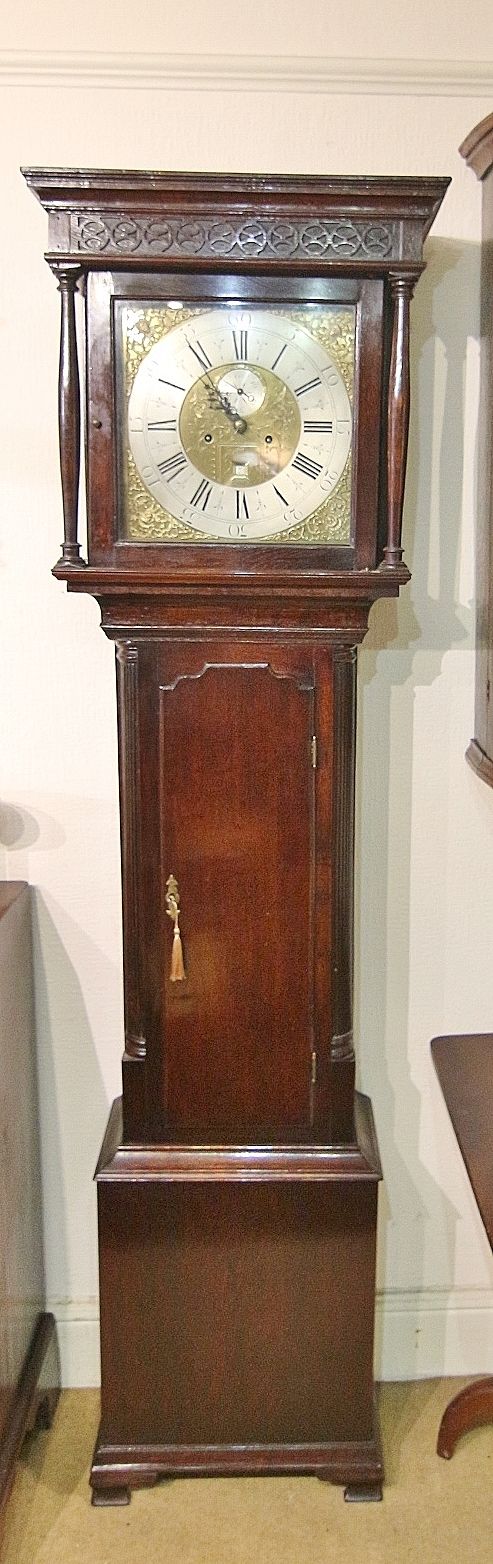
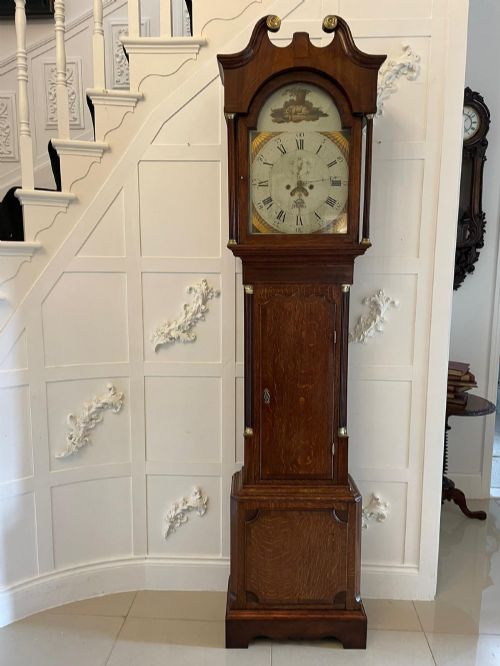
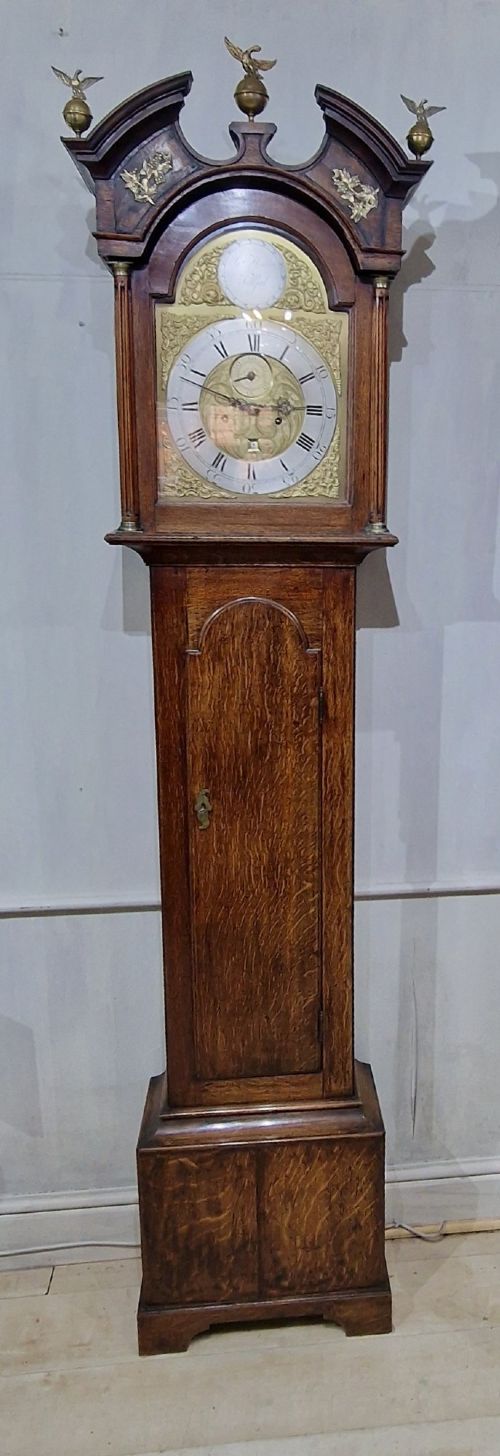
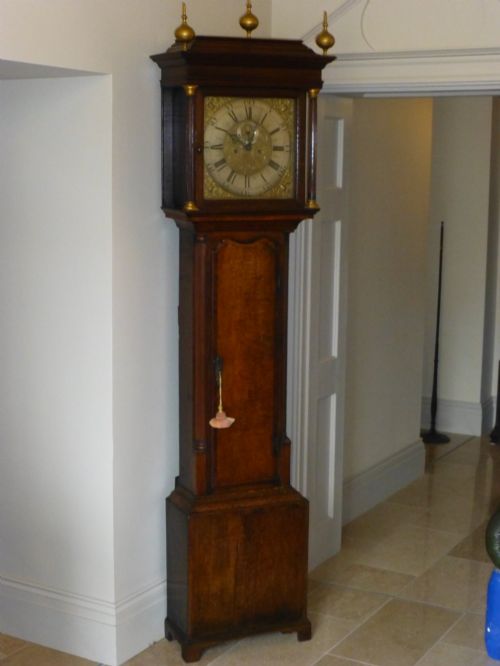
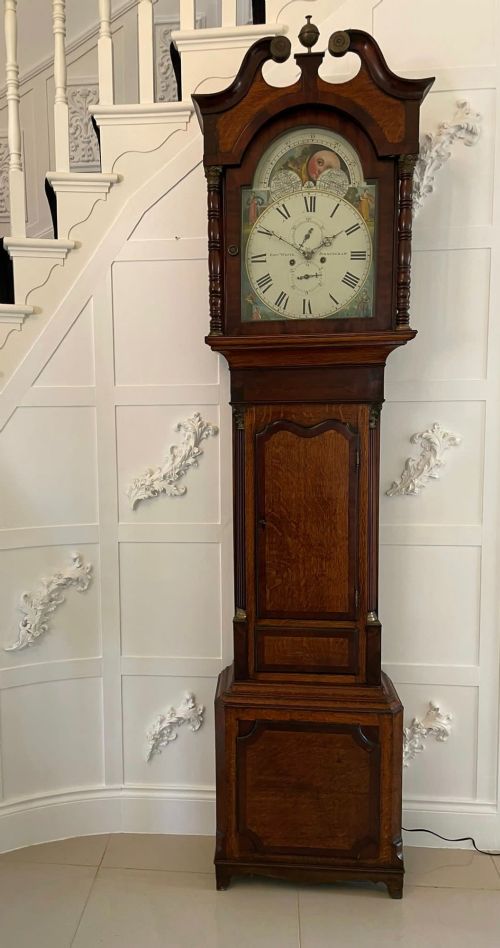
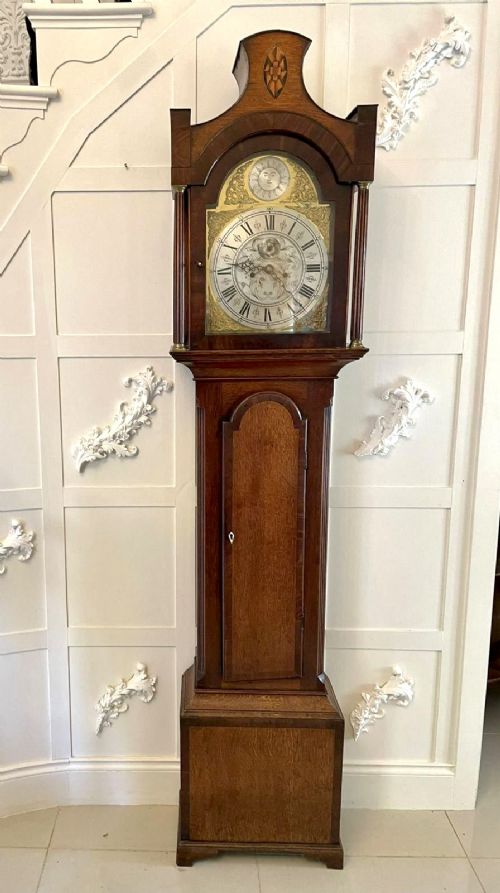
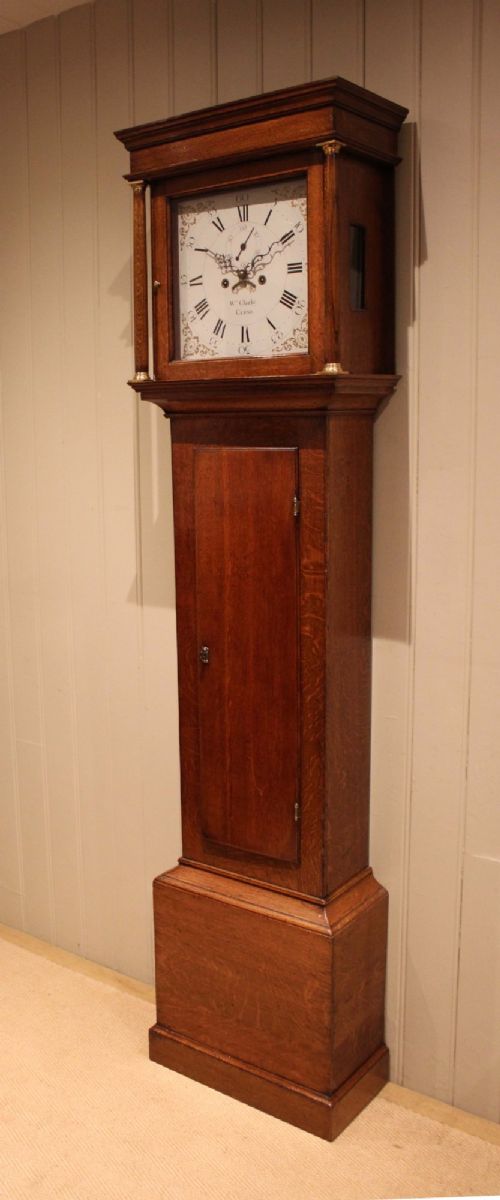
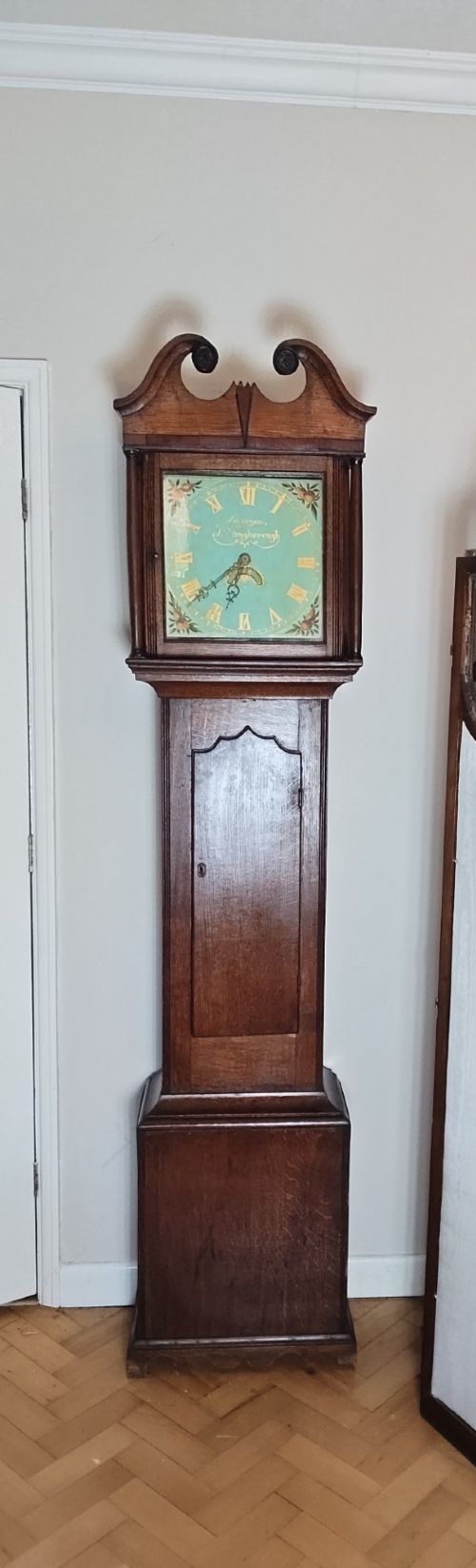
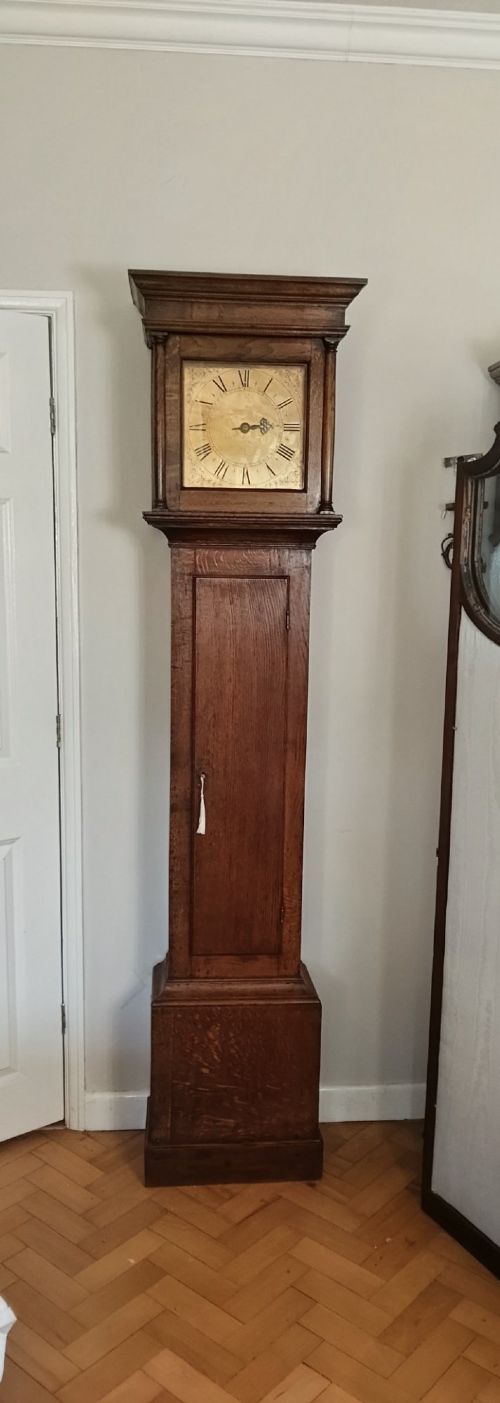
A georgian oak tallcase clock stands as a substantial timekeeper, combining local cabinetmaking with precision clockwork from the eighteenth and early nineteenth centuries. These pieces appear in forms ranging from early Georgian examples to later Regency variations, spanning periods like the eighteenth century and the year 1800.
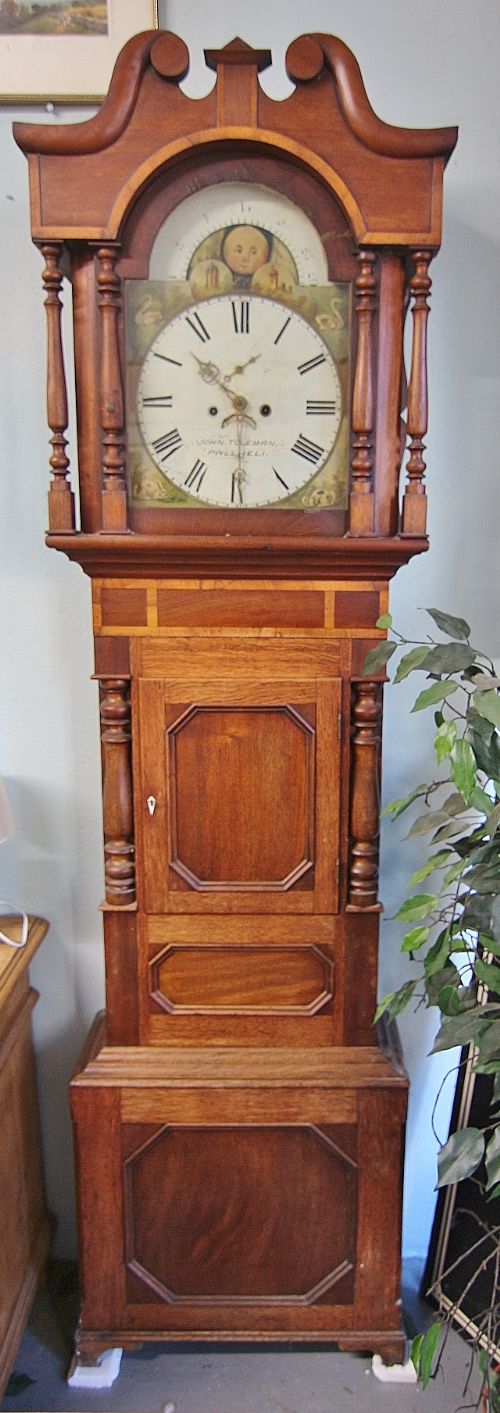
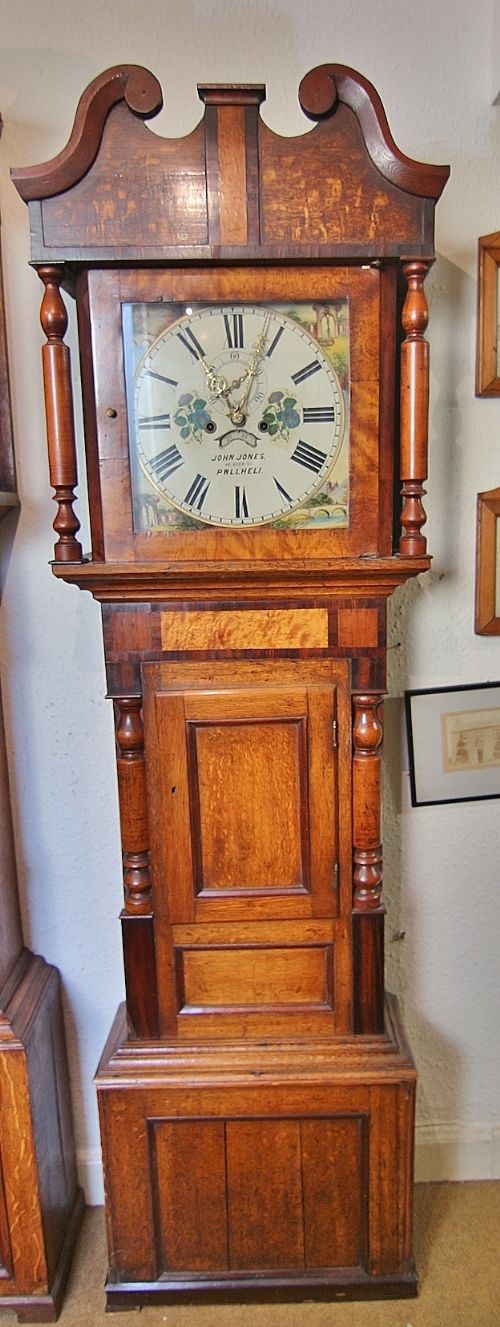
Most pieces encountered on this page utilise sturdy oak, often enhanced with mahogany or walnut accents, housing brass or painted iron dials. Makers from various regions, including Chester, Birmingham, and smaller market towns, signed their work on dials that measure across various dial sizes.

Distinctions in Quality
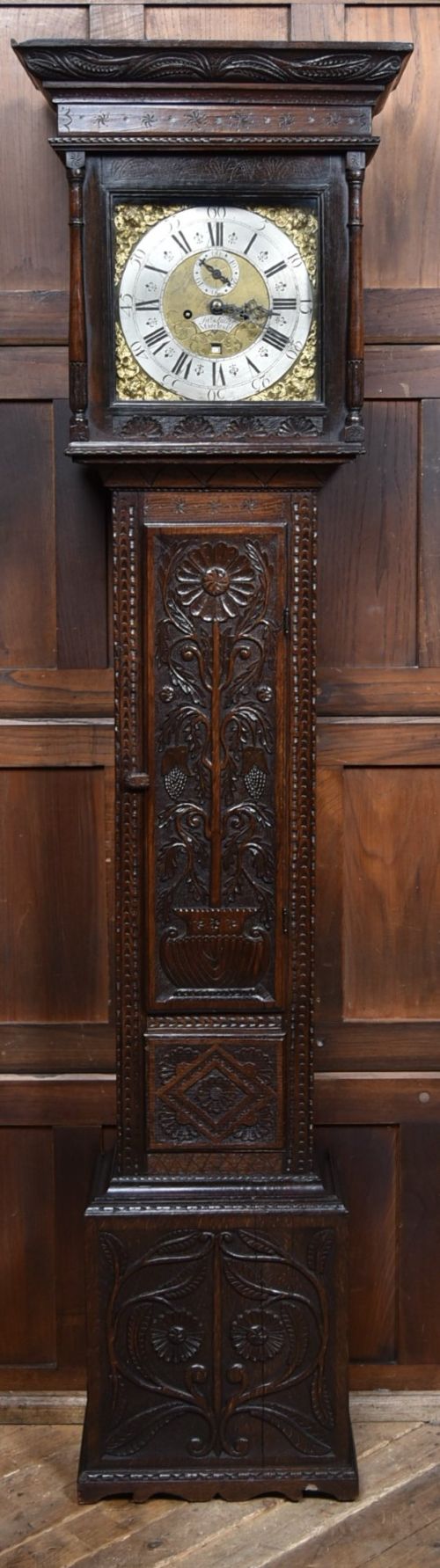
Superior examples display crisp carving on the oak case and well-executed secondary woods like mahogany, alongside complex dial mechanisms such as moon phases or strike-silent functions. Simpler thirty-hour clocks with plain oak trunks sit at the other end of the spectrum.
The precision of the dial engraving and the reputation of the signed maker distinguish finer specimens from standard regional production. Proportion also dictates standing, with smaller dimensions and balanced hood cornices commanding attention.
Georgian Oak Tallcase Clock Retail Price Guide 2026
Typical asking prices for georgian oak tallcase clock among the pieces listed under this phrase on Sellingantiques today, from the lower quarter to the upper quarter. They describe what is for sale here now, not the wider market.
Materials recorded across the inventory include oak, brass, glass, mahogany, painted iron, iron, walnut, and steel.
Jn° Smith, Macclesfd·Smith of Chester·James Hendrie, Falkirk·Fisher Of Preston·George Hallifax Of Doncaster·Thomas Webbe of New Quay·Edward White Birmingham·Thomas Utting of Yarmouth·Richard Prew Of Tewksbury·John Wylde, Nottingham·Richard Alexander·Grocott Holywell·Preddy of Langport
The Georgian Oak Tallcase Clock Glossary
- Tallcase clock
- A weight-driven timekeeper housed in a tall wooden case, commonly known as a grandfather clock.
- Moon phase
- A dial mechanism tracking the lunar cycle through a rotating painted disc. It adds complexity to the movement above the main clock face.
- Eight day
- A movement requiring winding once a week, utilising two weights suspended by lines or chains. This contrasts with thirty-hour movements which demand more frequent attention.
- Chapter ring
- The outer metal circle on a dial bearing the hour numerals. Brass versions often feature individually engraved markers.
- Strike-silent
- A mechanism allowing the clock's striking train to be turned off at night. It prevents the hour bell from sounding during sleep hours.
Georgian Oak Tallcase Clock: Frequently Asked Questions
How do I wind an eight day clock?
Insert the winding key into the holes on the dial face and turn clockwise until the weights reach the top.
Take care not to overwind the movement, stopping as soon as resistance increases firmly.
Where were these clocks made?
Regional clockmakers across Britain constructed these pieces, often signing the brass or painted iron dials with their home town.
Towns represented include Chester, Birmingham, Doncaster, and Yarmouth alongside various Welsh and Scottish locations.
What is the difference between thirty hour and eight day movements?
Thirty hour clocks utilise a single drive train requiring daily or weekly cord adjustments, while eight day versions employ dual weights for longer operation.
Both systems drive the hands and striking trains reliably when properly maintained.
How do I identify a Georgian period case?
Georgian cases exhibit architectural proportions in oak, sometimes accented with walnut or mahogany crossbanding and brass dial spandrels.
Details shift from early Georgian brass square dials to arched painted iron faces by the turn of the nineteenth century.