
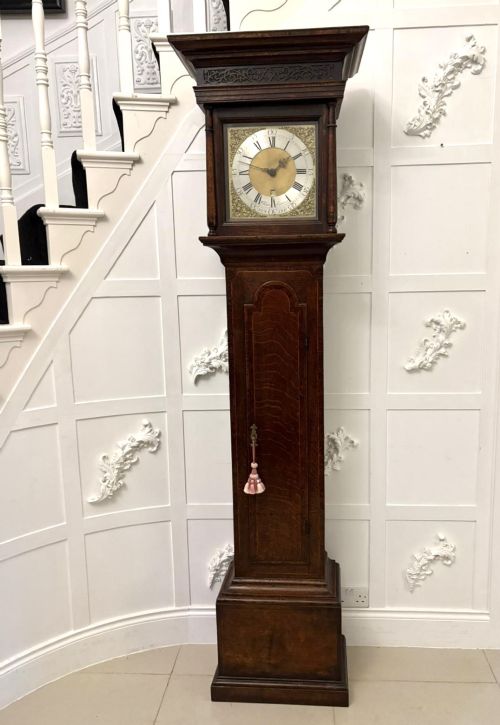
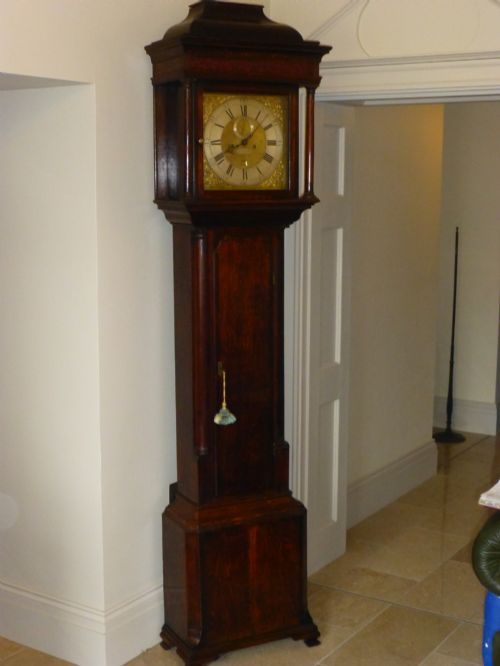
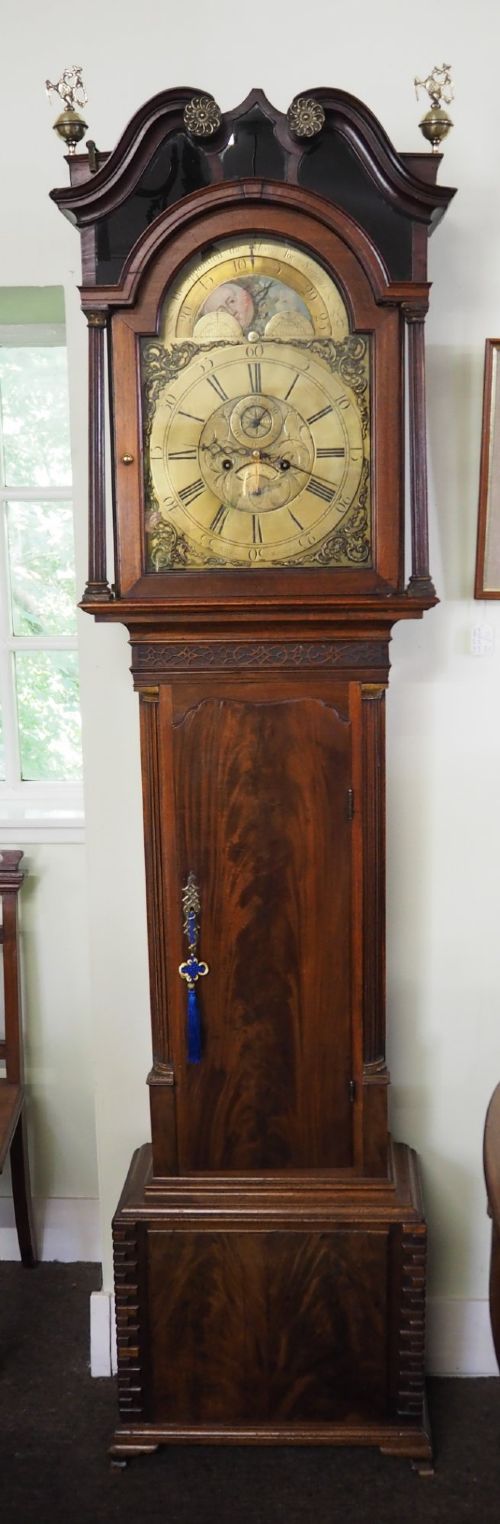
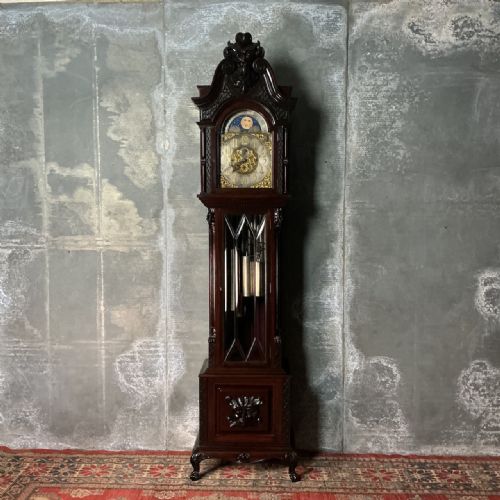
Vintage Longcase Clock
A vintage longcase clock anchors a room with its pendulum beat, measuring time through centuries of timber and brass.
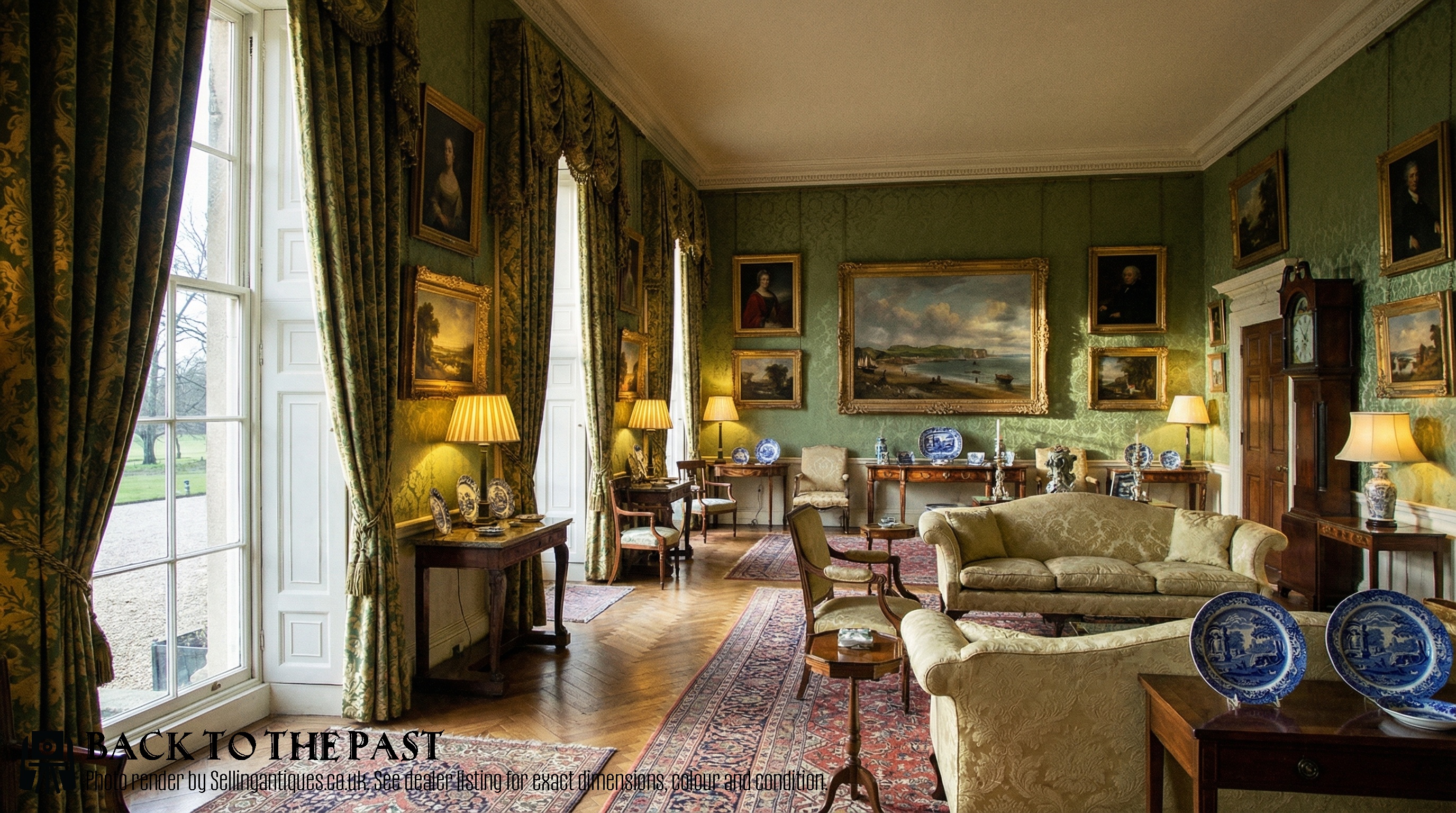
Vintage Longcase Clock
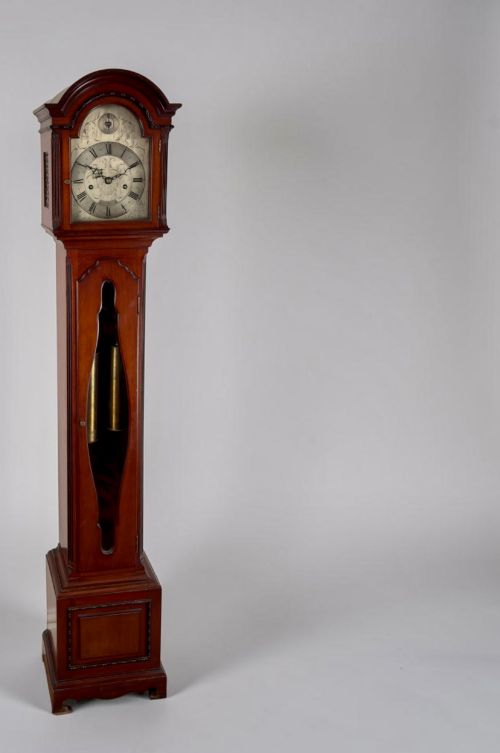
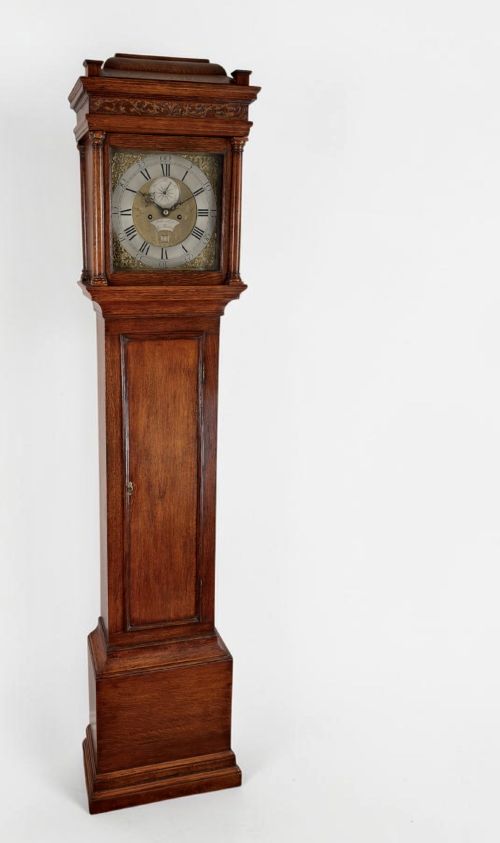
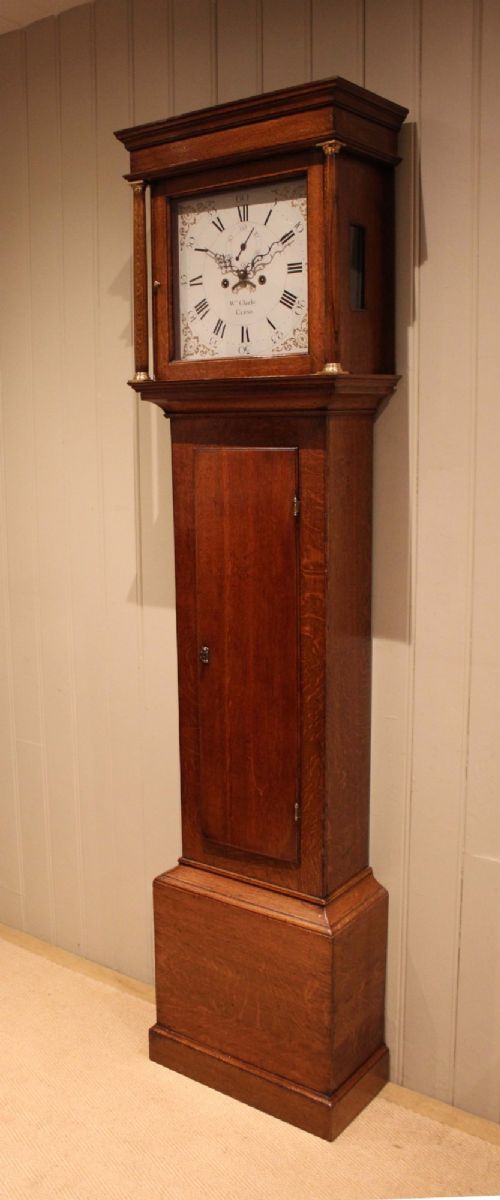
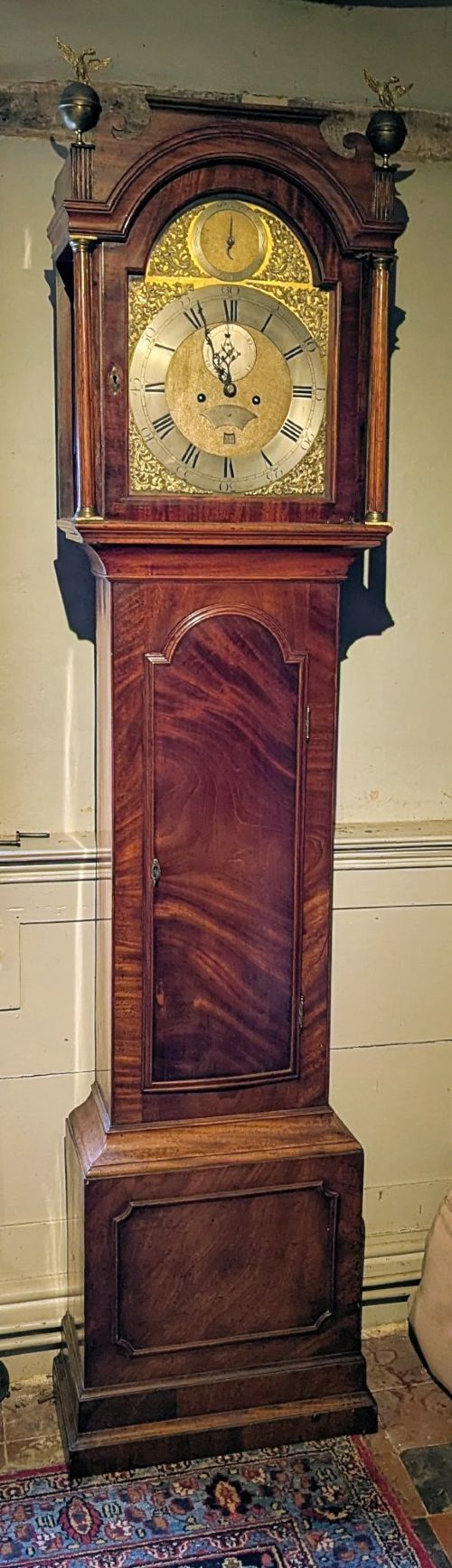
A vintage longcase clock is a tall floor-standing timepiece enclosing a weight-driven or spring-driven movement within a wooden trunk. When you search for this phrase, you encounter grander grandfather clocks alongside more compact grandmother clocks and smaller variations designed for lower ceilings.
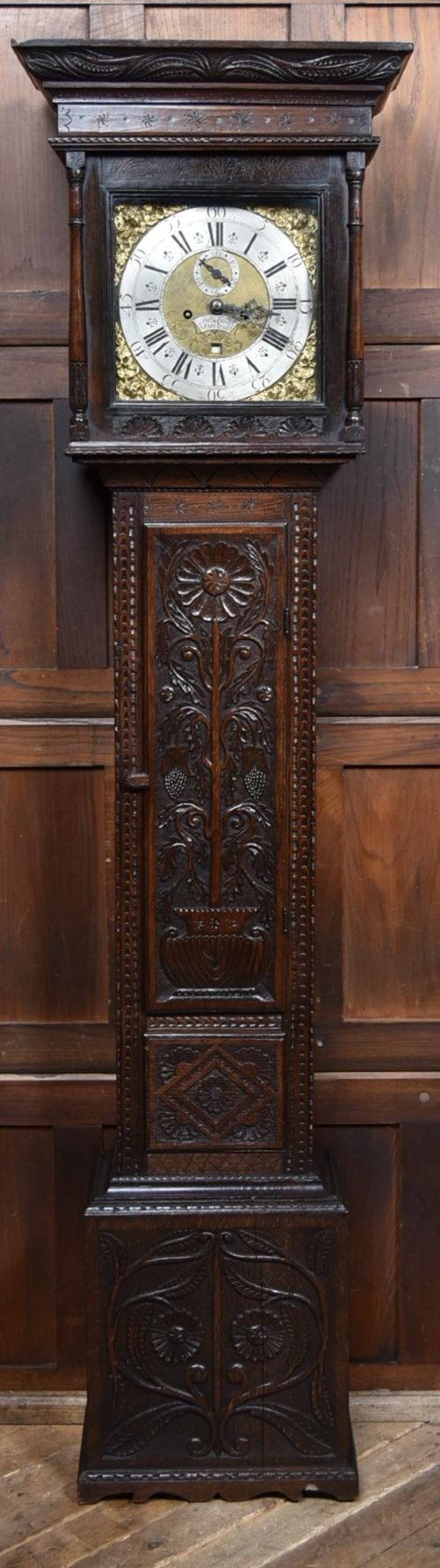
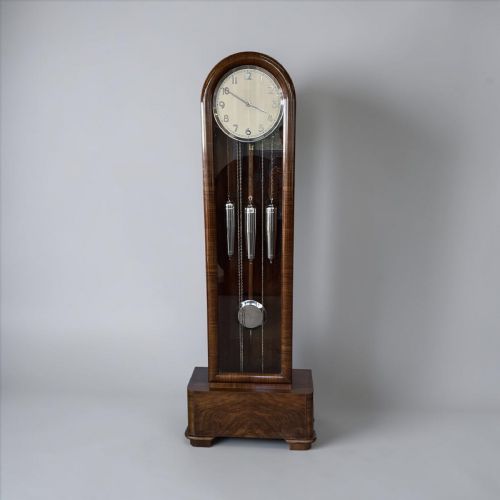
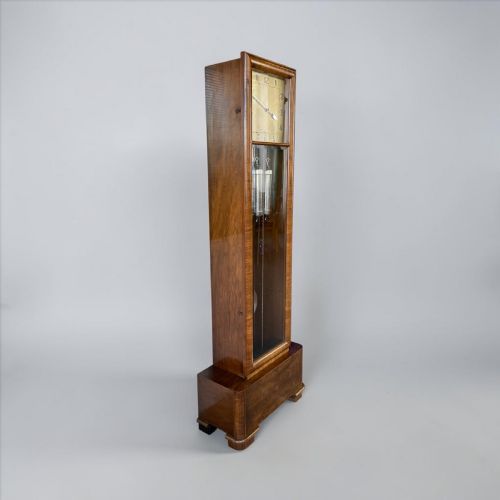
The selections span distinct historical eras, ranging from substantial 18th-century and Georgian oak and mahogany floor-standing pieces to Edwardian, 1920s, and Art Deco interpretations featuring chrome dials and triple-weight movements. Regional makers from London to Aberdeen signed brass and painted faces housed inside tall wooden cases.
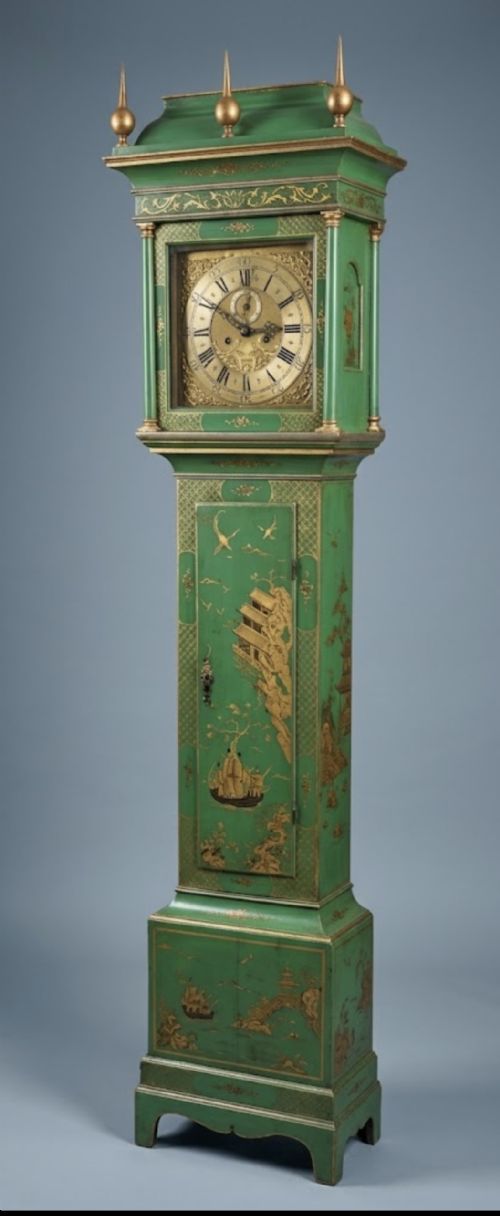
Form follows function through centuries of horological development, incorporating moon phases, musical tubular bell movements, and strike-silent mechanisms. Pieces appear in solid mahogany, burr walnut, green and blue lacquer chinoiserie, and figured oak.
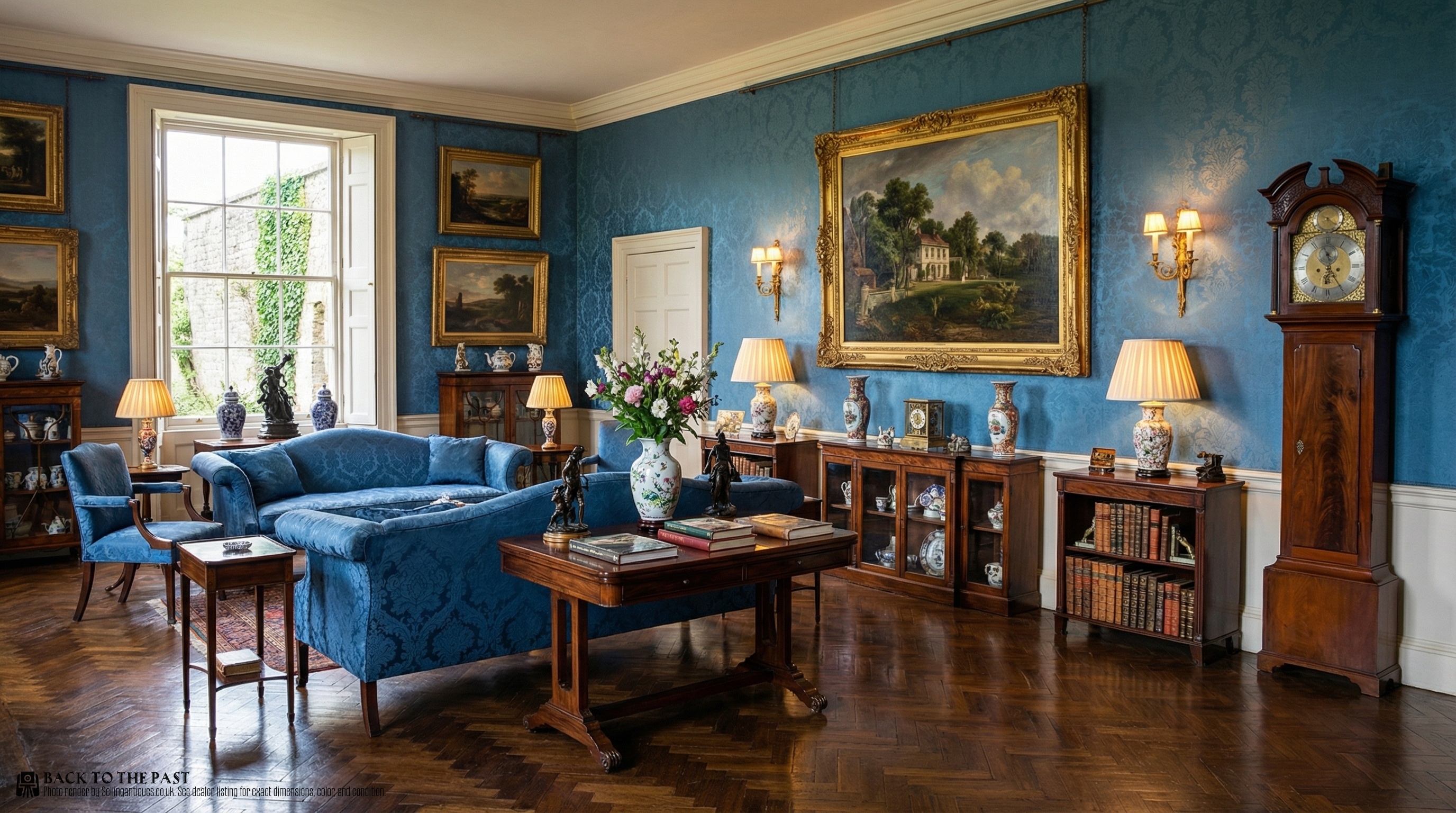
How they were made
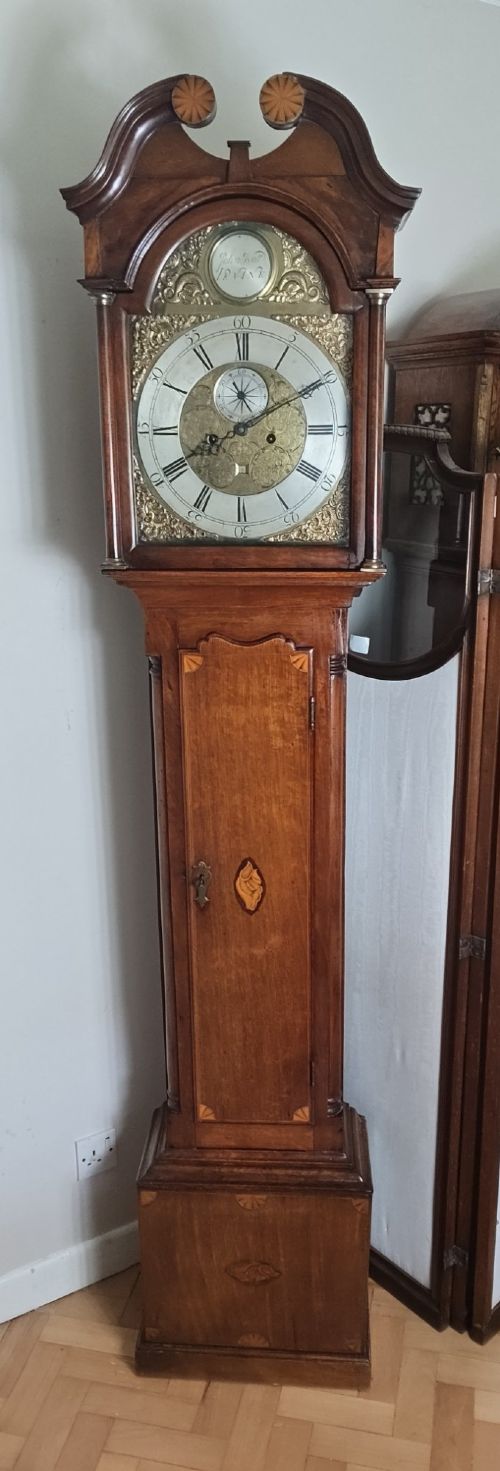
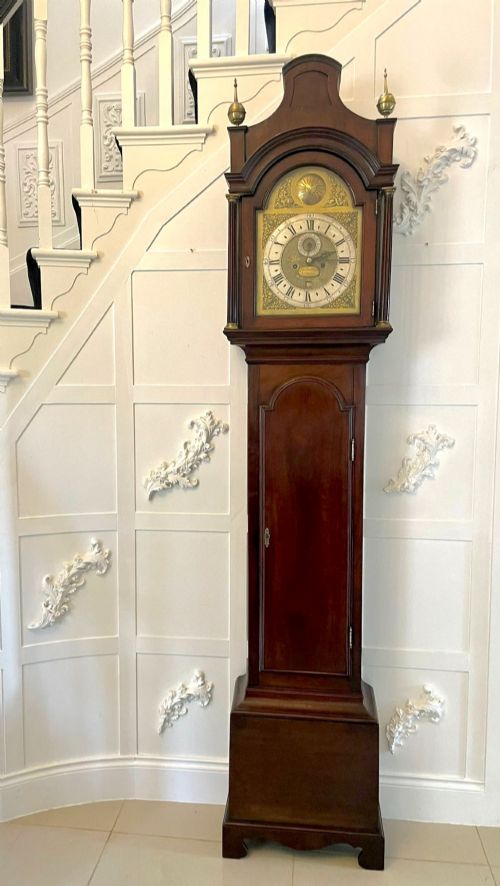
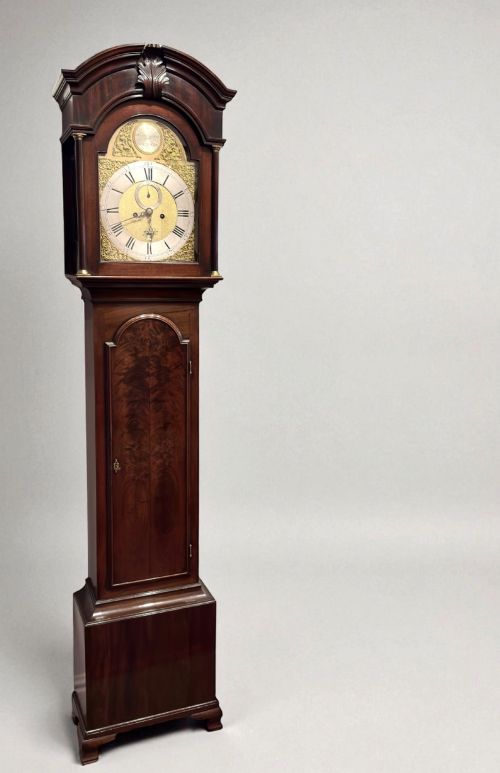
Cabinetmakers constructed the tall wooden cases using native and imported timbers including oak, mahogany, walnut, and burr walnut, frequently embellished with flame mahogany veneers, inlay, and paterae. Green and blue lacquered finishes required specialised chinoiserie decoration applied over layered grounds.
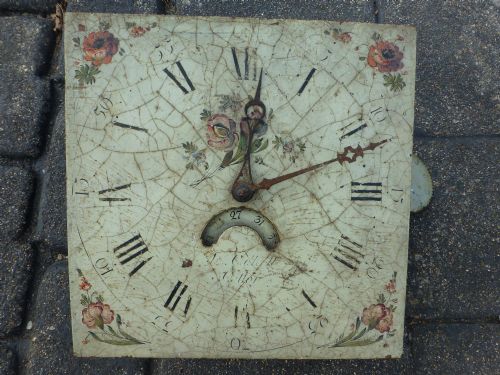
Clockmakers fitted brass or steel dials, often featuring engraved spandrels, silvered chapter rings, and subsidiary seconds or date apertures. Movements ranged from standard eight-day and thirty-hour weight-driven systems to complex three-train musical mechanisms playing on bells or tubular gongs.
Vintage Longcase Clock Retail Price Guide 2026
Typical asking prices for vintage longcase clock among the pieces listed under this phrase on Sellingantiques today, from the lower quarter to the upper quarter. They describe what is for sale here now, not the wider market.
Listings feature longcase clocks spanning the Georgian, Victorian, and Edwardian eras, alongside 1920s and 1930s Art Deco examples.
What varies in quality
The distinction between ordinary and superior examples lies in the cabinetry and the signature on the dial. Provincial and London makers signed movements that reflect varying degrees of mechanical ambition, from simple time-and-strike to intricate quarter-chiming regulators with multiple bells.
Timber selection dictates visual presence, separating plain utilitarian pine or oak shells from richly figured flame mahogany and burr walnut cases with meticulous marquetry or lacquer work. The integration of movement and case, where dials fit their hoods precisely and original weights and pendulums remain intact, elevates an example.
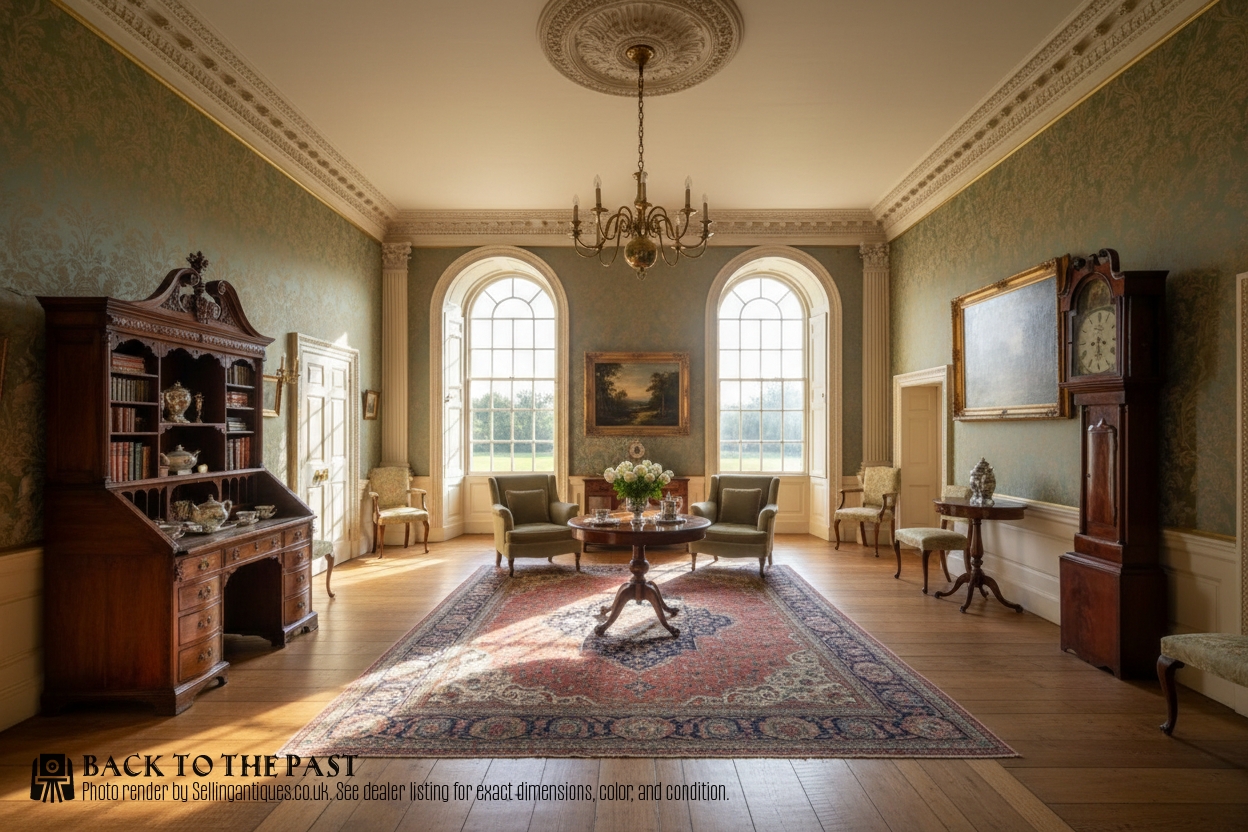
John Fielder of Alton·Charles Shuckburgh London·Gordon of Aberdeen·Gillett and Johnston of Croydon·Lee of Great Marlow·Jn Smith Macclesfield·Richard Corless of Stockport·Handley and Moore London·Windmills and Wightman London·Elliott·Rickards Wotton Under Edge
The Vintage Longcase Clock Glossary
- Grandfather clock
- A large floor-standing pendulum clock, typically exceeding six feet in height, housing an eight-day or thirty-hour movement. These taller tall-case timepieces dominate hallways and stairwells.
- Grandmother clock
- A smaller, scaled-down version of the longcase clock, usually standing under six feet tall. They emerged in smaller proportions during the 20th century.
- Movement
- The mechanical inner workings of a clock, comprising gears, springs, escapement, and weights or mainsprings. Movements translate stored energy into measured seconds and hours.
- Chinoiserie
- European decorative style inspired by Chinese artistic traditions, featuring hand-painted lacquered scenes of figures, pagodas, and landscapes on wood. This finish appears on specialised tall cases.
- Regulator
- A precision pendulum clock designed for high accuracy, often featuring a finely divided silvered dial and deadbeat escapement. These were used to set other timepieces.
Vintage Longcase Clock: Frequently Asked Questions
What is a grandfather clock?
A grandfather clock is a tall, weight-driven pendulum timekeeper enclosed in a protective wooden case that rests directly on the floor. These pieces use falling weights suspended by cords or chains to power the gear train.
Historically called longcase clocks, they gained the moniker grandfather clock following a popular late 19th-century song. They combine tall architectural cabinetry with intricate brass or painted dials.
How do grandfather and grandmother clocks differ?
Grandmother clocks are simply smaller, scaled-down versions of traditional grandfather clocks, typically standing under six feet in height. They were produced in greater numbers during the 20th century to suit more modest domestic ceiling heights.
Despite their reduced size, they often house complex musical movements and refined dial work comparable to their taller counterparts.
Where should I place a longcase clock?
Longcase clocks require a stable, vibration-free environment on a level floor against a secure wall. Hallways, landings, and principal rooms provide the steady ambient temperature and solid foundation necessary for a pendulum to swing accurately.
Avoid positioning them in direct sunlight or beside active heat sources which can dry out ancient timbers and warp wooden door frames.
How do I wind an eight day clock?
Winding an eight-day movement involves using a dedicated crank key to pull the weights back up via the winding holes on the dial face. You turn the key slowly and evenly until the weight reaches its upper limit.
Care must be taken not to overwind the movement or let the key slip, supporting the pendulum if necessary during adjustments.