
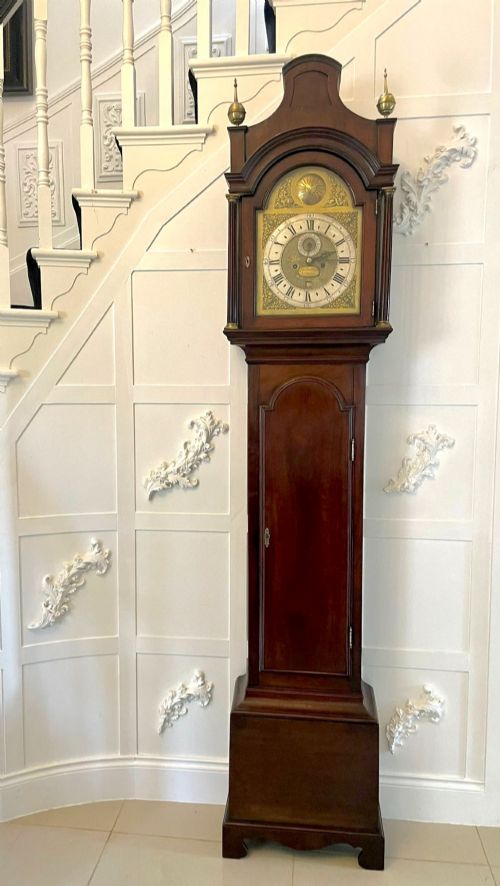
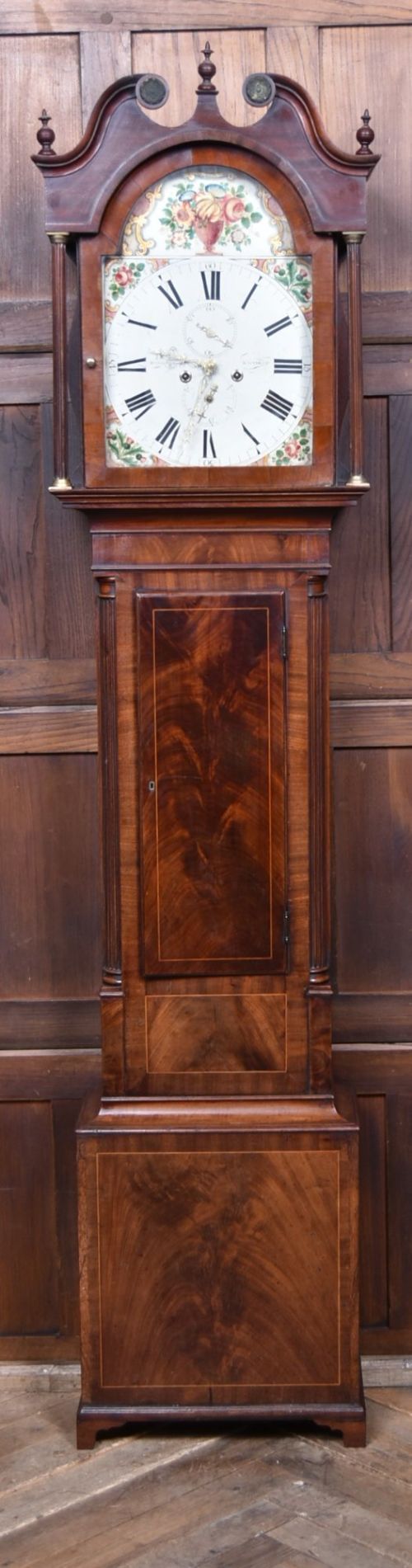
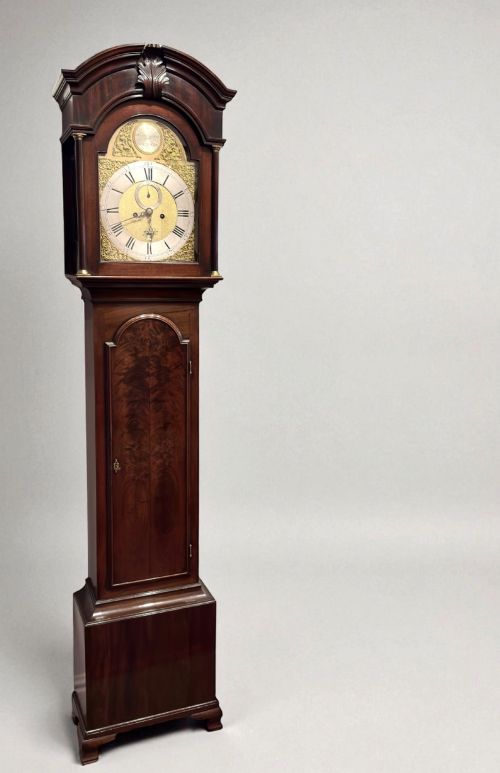
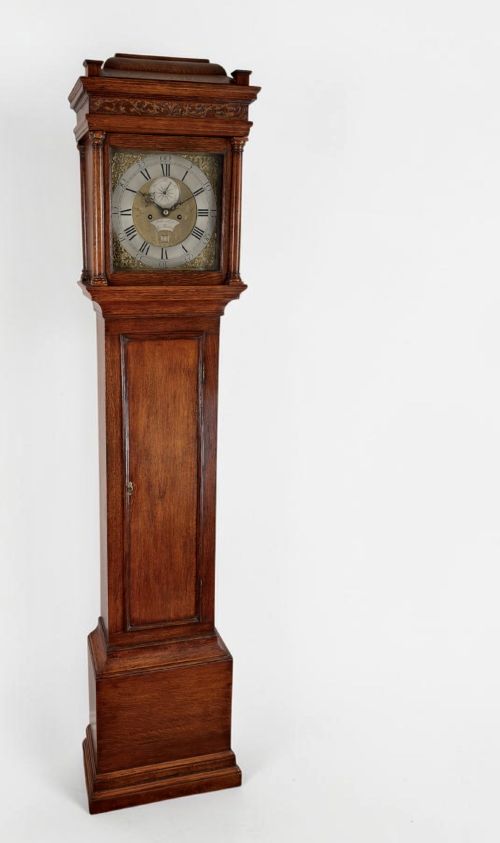


Eight Day Floor Clock
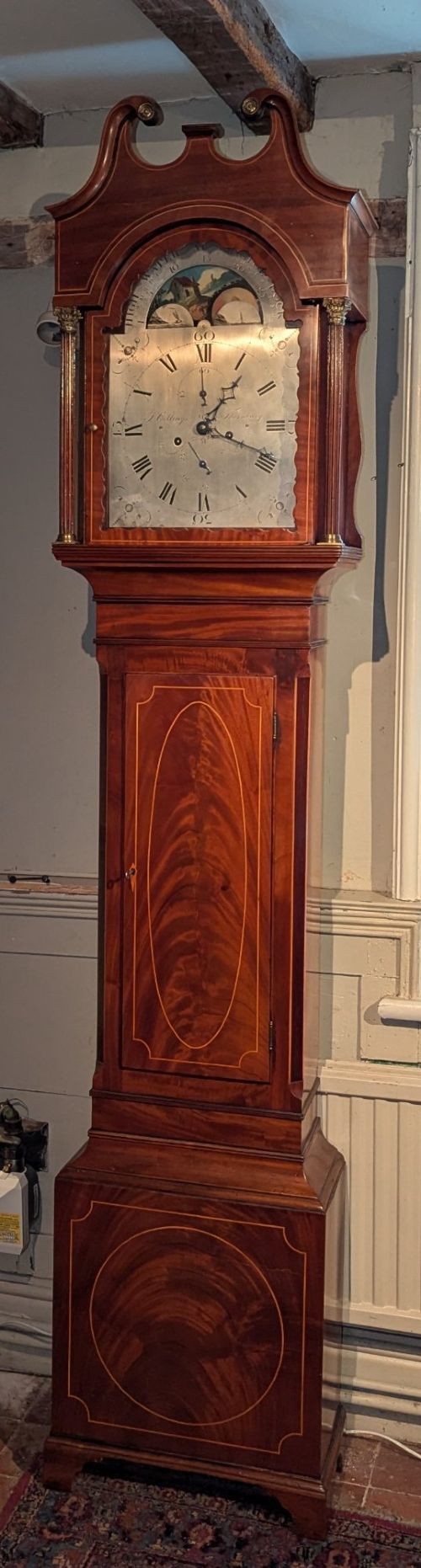
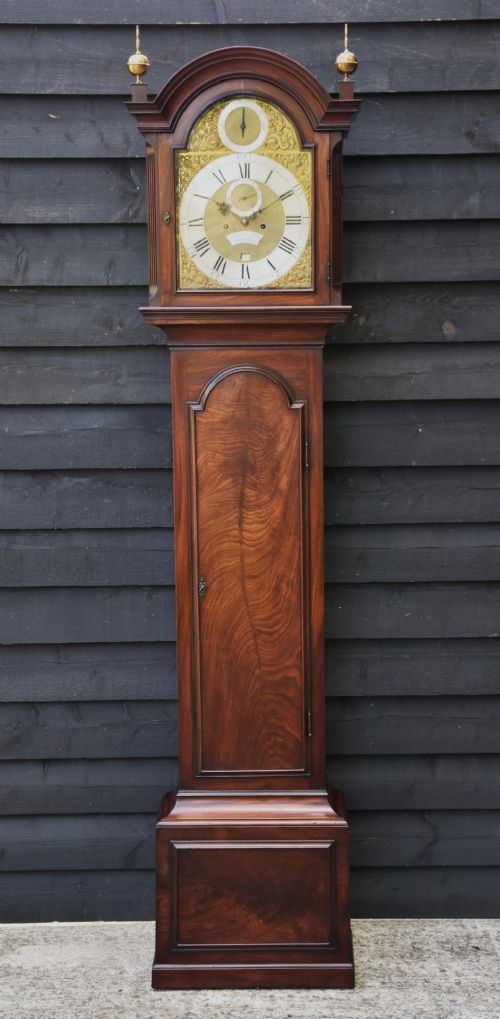
An eight day floor clock is a tall domestic timepiece of considerable presence, measuring the hours through a week and a day without daily attention.
Eight Day Floor Clock
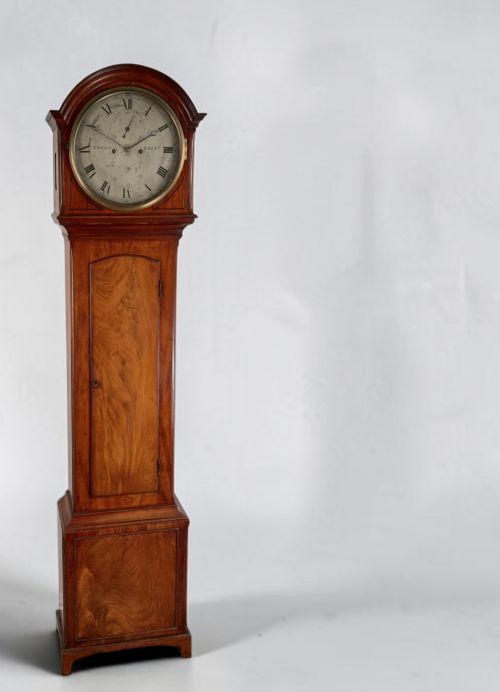
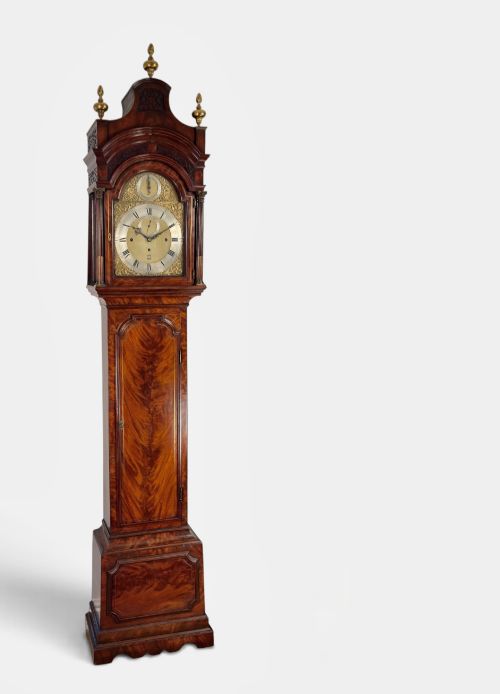
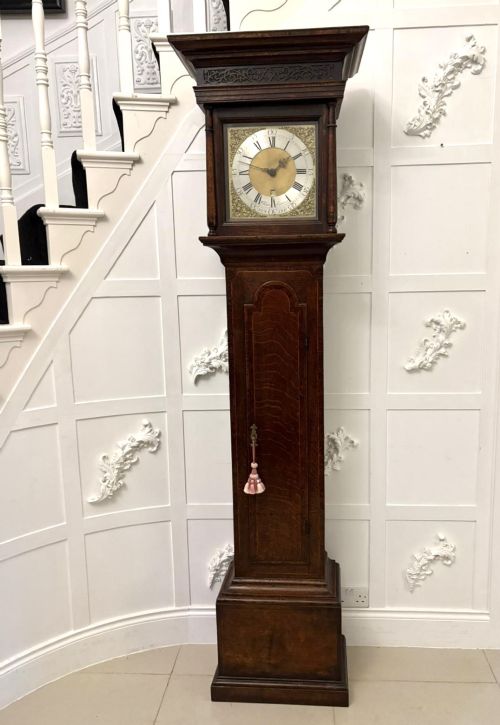
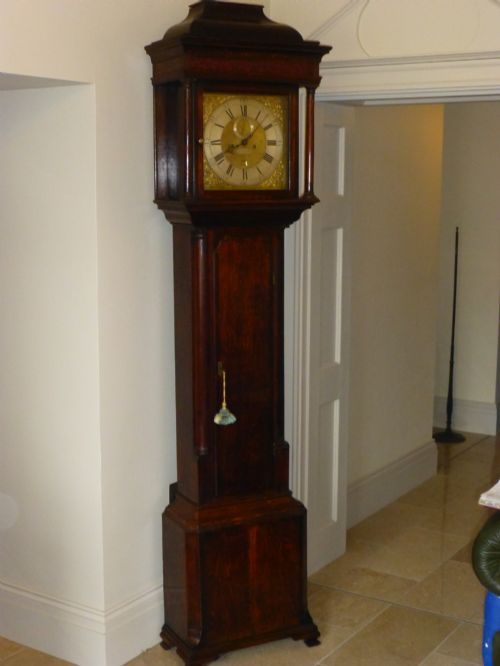
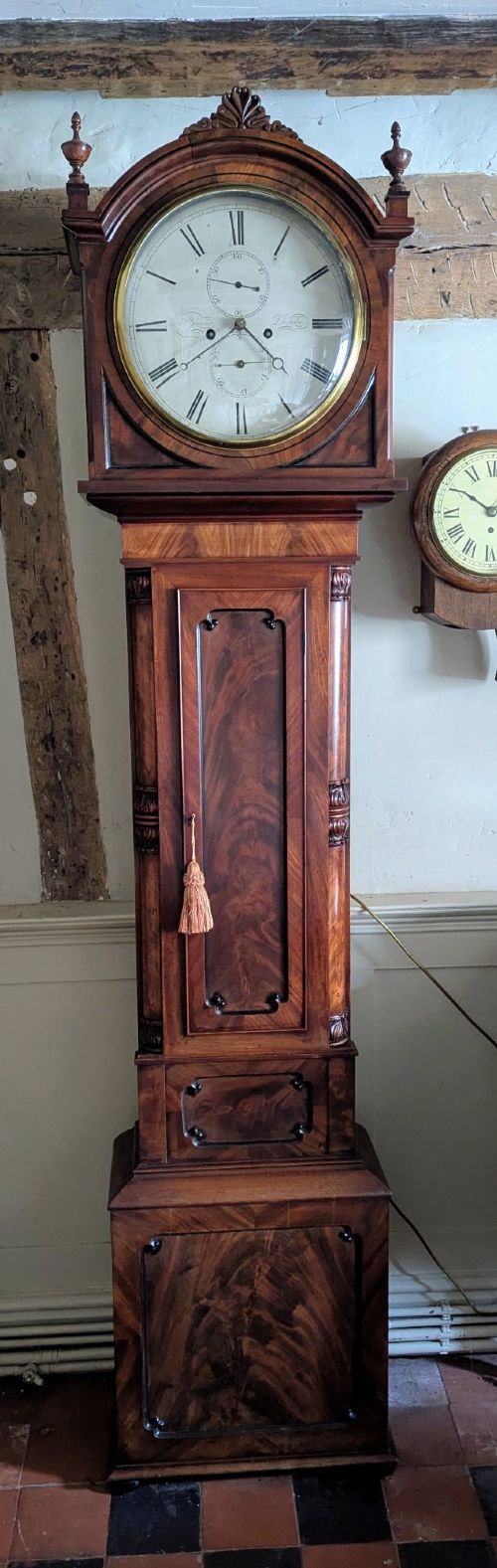
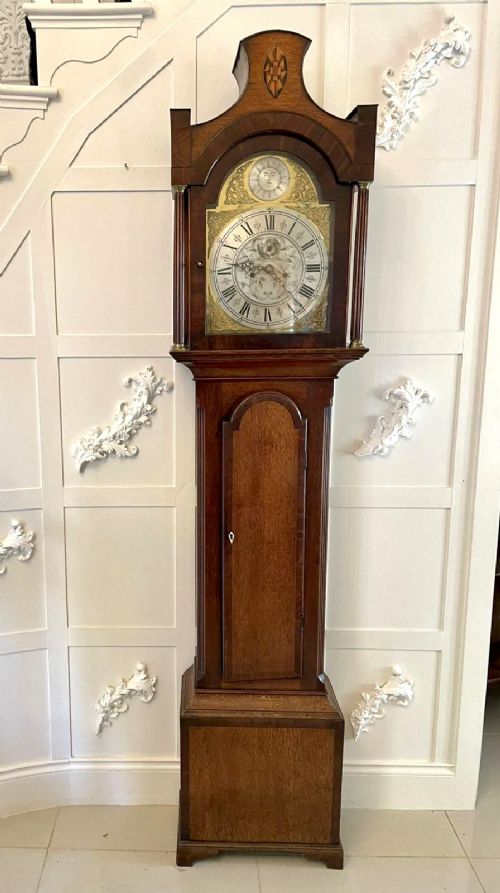
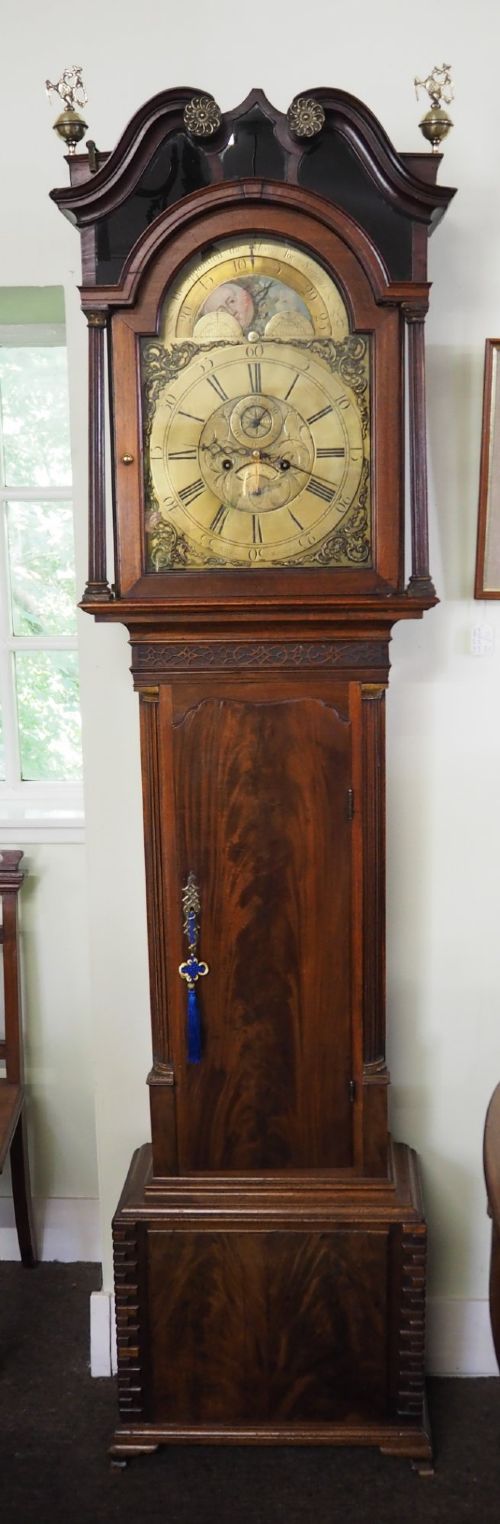
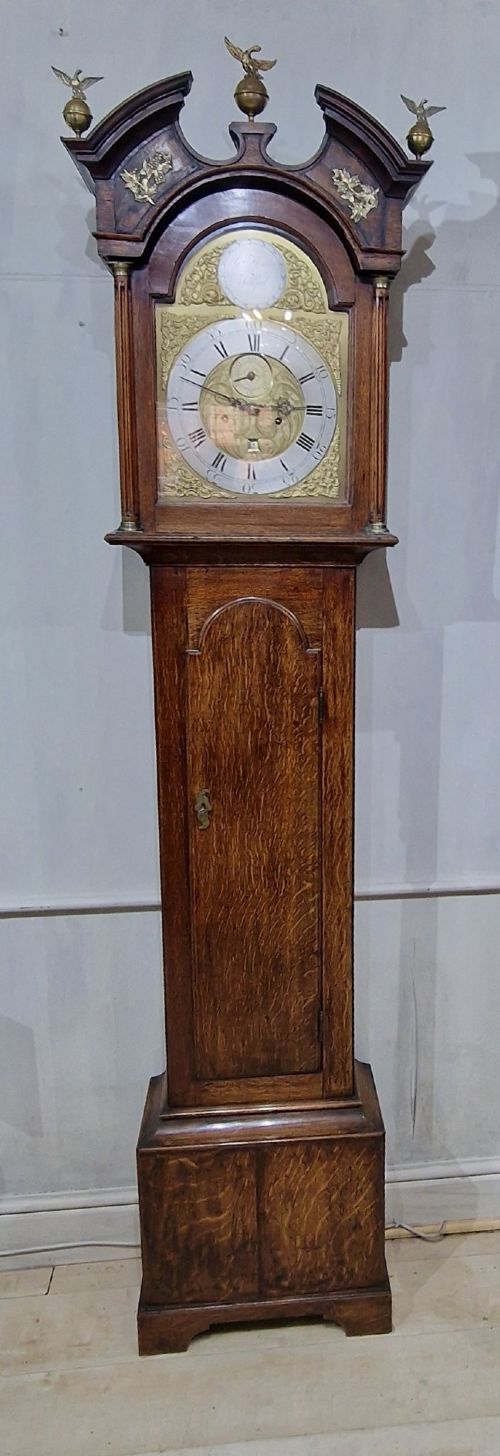
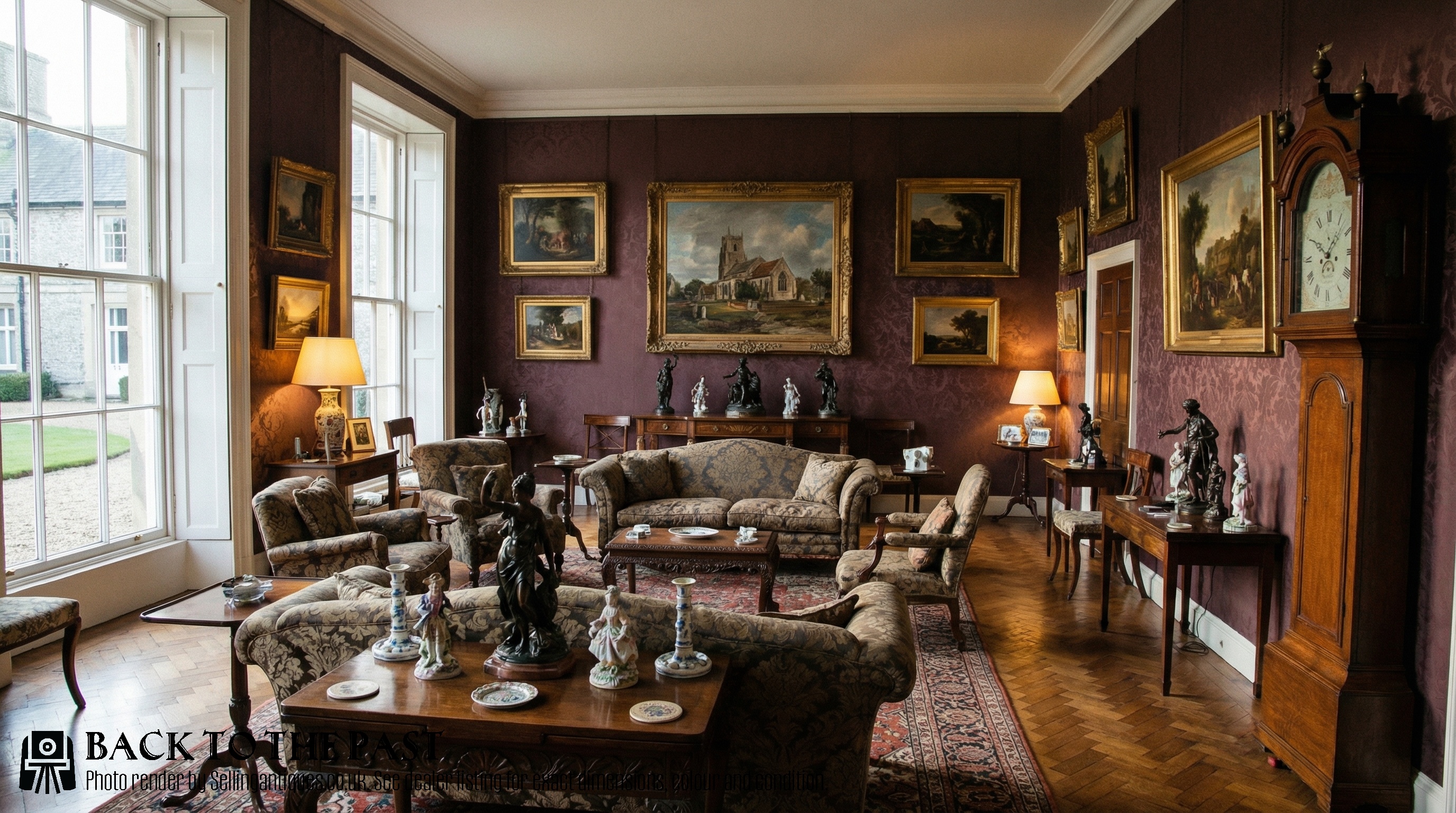
An eight day floor clock is commonly known as a longcase or grandfather clock, designed to stand upright in hallways and living rooms to measure hours, minutes and often lunar phases. The examples found here span several distinct eras, stretching from the late seventeenth century through the Georgian and Victorian periods into the mid-twentieth century.
The version most likely to meet you on this page is the Georgian mahogany or oak longcase clock, housing a brass or painted iron dial. Makers from London, provincial English towns and Scottish burghs signed these tall cases, ranging from straightforward domestic timekeepers to sophisticated models with strike-silent mechanisms or moon dials.
Scottish variations appear frequently alongside English pieces, showing regional preferences in hood design and dial decoration. Whether housed in simple oak or figured mahogany with flame veneers, each tall clock serves as both a functional instrument and a commanding piece of architectural furniture.
How they were made
Cabinetmakers constructed the tall wooden cases primarily from mahogany, oak and walnut, frequently employing flame mahogany veneers and intricate marquetry for visual depth. The timber was selected for stability and grain pattern, then hand-polished to protect the wood and highlight natural figures.
Clockmakers built the internal brass and steel movements by hand, cutting gear teeth individually and fitting escapements to regulate the descent of heavy lead or iron weights suspended by cords or chains. Dials were cast in brass then engraved and silvered, or formed from iron plates painted with numerals and subsidiary dials.
Eight Day Floor Clock Retail Price Guide 2026
Typical asking prices for eight day floor clock among the pieces listed under this phrase on Sellingantiques today, from the lower quarter to the upper quarter. They describe what is for sale here now, not the wider market.
The listings show regional variety across England and Scotland, with makers from Aberdeen to London producing brass and painted iron dials.
What varies in quality
The standard of cabinetmaking defines much of the distinction between ordinary and superior longcase clocks, seen in the choice of timber, the crispness of mouldings and the harmony of proportions between trunk, base and hood. Secondary timbers and the integrity of the original construction reveal the skill of the regional workshop.
Movement sophistication separates simpler timekeepers from high-grade examples, visible in the finish of the brass plates, the precision of wheel cutting and the presence of complications such as moon phases or quarter striking. Signed dials by known provincial or metropolitan makers elevate the standing of the piece considerably.
Charles Shuckburgh·Hendrie Ogg·Gordon of Aberdeen·Lee of Great Marlow·Green of Edinburgh·John Ellicott·Tait Peebles·James Field·Richard Corless·James Hendrie·Handley and Moore·Parkinson Bros·Fisher of Preston·Charles Louch·D Williams·Elliott·Henry Weedon·Edward Shepley
The Eight Day Floor Clock Glossary
- Longcase clock
- A tall pendulum clock enclosed in a wooden case that stands directly on the floor. These timepieces are often referred to colloquially as grandfather clocks.
- Moon dial
- A secondary dial showing the phases of the lunar month through a rotating painted disc. This complication required careful gear calculations by the maker.
- Strike silent
- A mechanism allowing the clock's striking train to be disengaged so that the hours do not sound at night. It is operated by a small lever near the dial edge.
- Regulator
- A high-precision clock designed for exact timekeeping, featuring a deadbeat escapement and a heavy mercurial or wooden rod pendulum. They were used to set other watches and clocks.
- Hood
- The glazed upper section of the case that encloses and protects the dial and hands. It typically lifts off or swings open on hinges for winding and setting.
Eight Day Floor Clock: Frequently Asked Questions
How often does an eight day floor clock need winding?
As the name indicates, these mechanical timekeepers require winding once every eight days. This interval provides a convenient twenty-four-hour margin beyond the standard weekly cycle.
Weights suspended inside the trunk must be drawn back to the top using a crank key inserted through holes in the dial face.
What is the difference between oak and mahogany longcase clocks?
Oak cases generally date from earlier periods or provincial workshops, offering a robust, domestic character with pronounced grain patterns. Mahogany became the preferred timber for finer Georgian and Victorian pieces.
Mahogany allowed cabinetmakers to achieve smoother surfaces, sharper carved details, and rich dark tones enhanced by polished wax.
Why do some clock faces show the moon?
Moon phase dials track the twenty-nine-and-a-half-day lunar cycle using two painted moons on a rotating disc behind an arched cutout. In agricultural and coastal communities, this feature helped residents anticipate tides and night illumination.
Clockmakers added this complication to demonstrate technical skill and to satisfy clients who desired a more elaborate dial layout.
Where should a longcase clock be placed in a home?
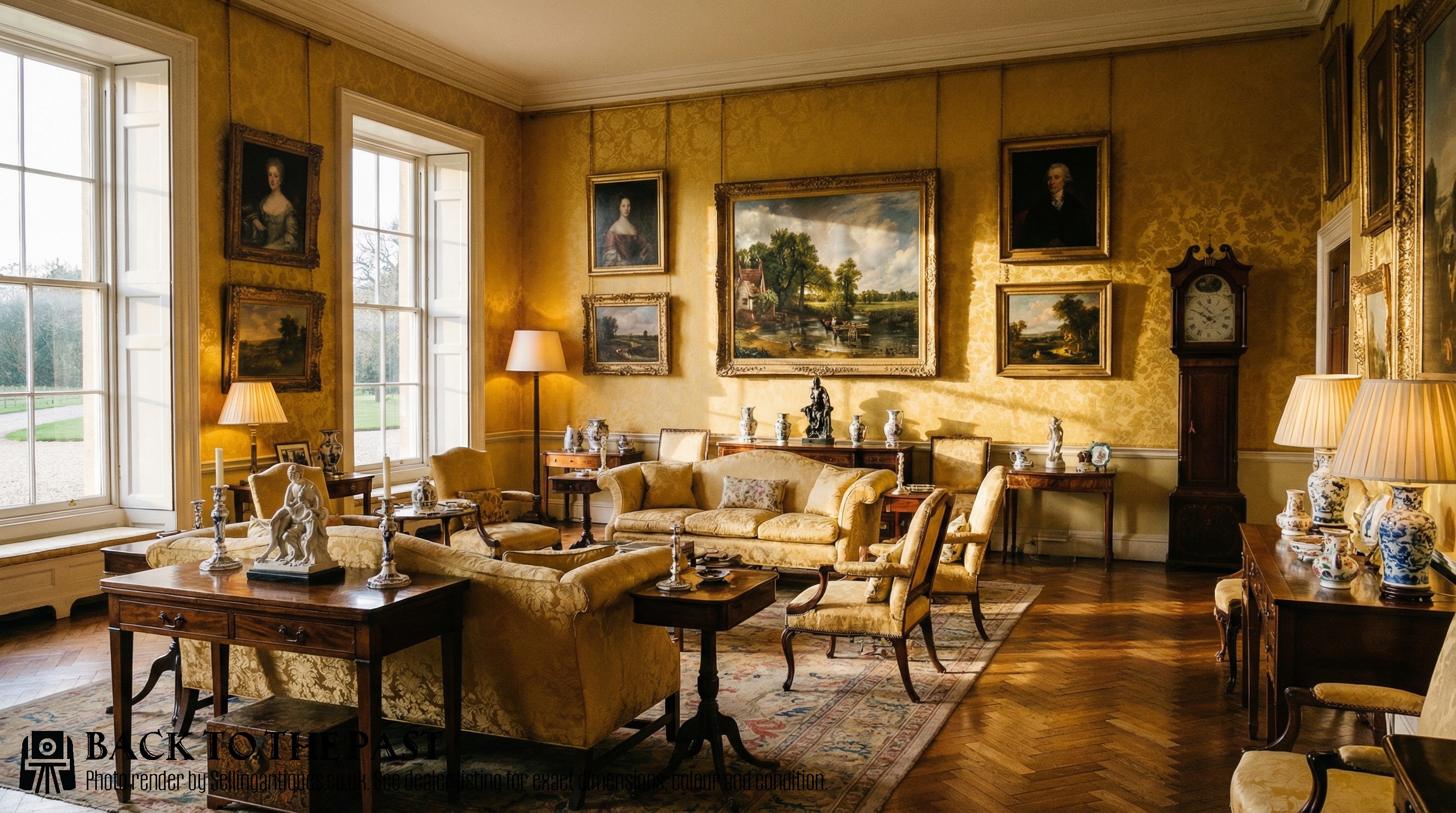
Tall clocks require a stable, vibration-free surface and a firm wall anchor to secure the tall wooden case safely. Hallways and ground-floor rooms keep the pendulum clear of bouncy floorboards and heavy foot traffic.
Keeping the clock away from direct sunlight and temperature extremes protects the timber veneers and prevents the wooden case from expanding or warping.