


Painted Face Grandfather Clock
A painted face grandfather clock brings striking colour and steady mechanical rhythm into a room.
Painted Face Grandfather Clock
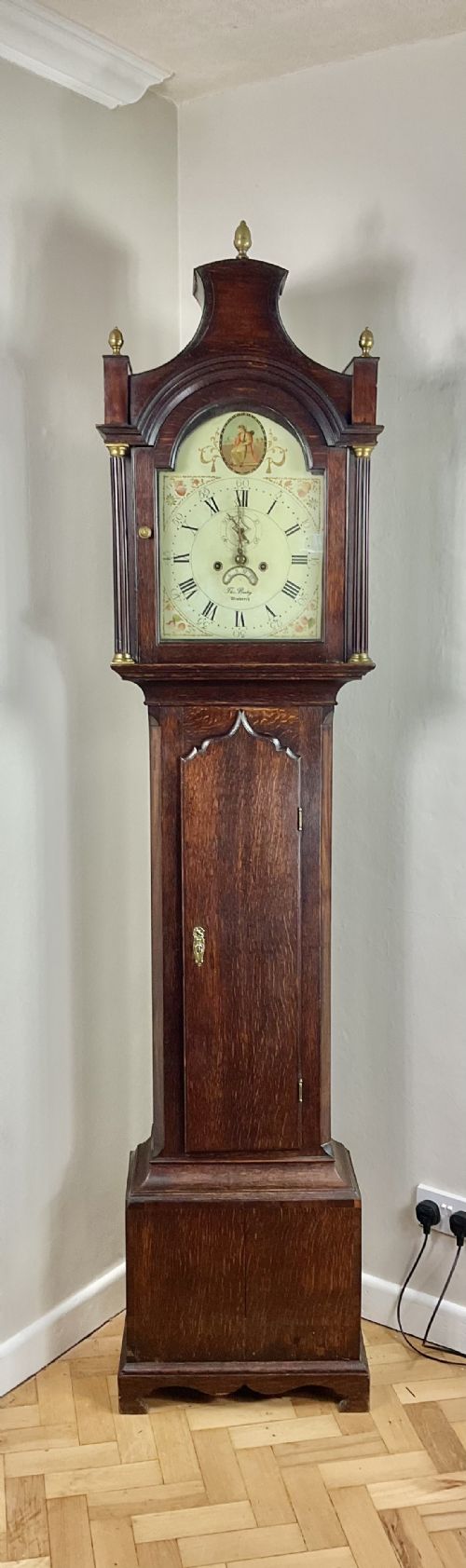
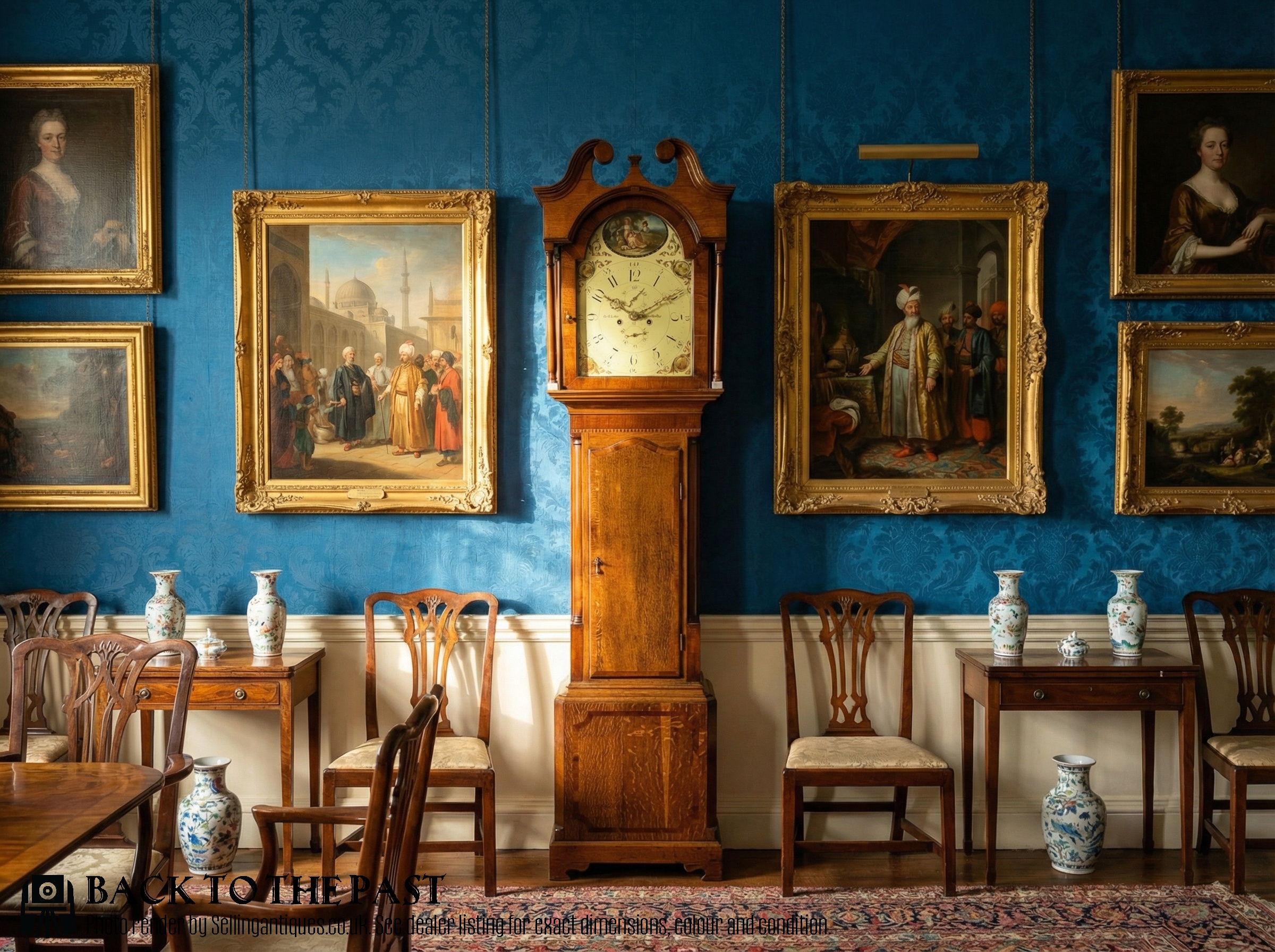
A painted face grandfather clock is a tall floor-standing timepiece housed in a tall wooden case with a protective glass door over the dial. When you search for a painted face grandfather clock, you encounter substantial furniture pieces designed to keep domestic time through weights and pendulums.
The examples found here span the Georgian, George III, and Regency periods, stretching from the late eighteenth century into the nineteenth century. These tall clocks appear in both oak and mahogany, often combining both timbers within a single case.
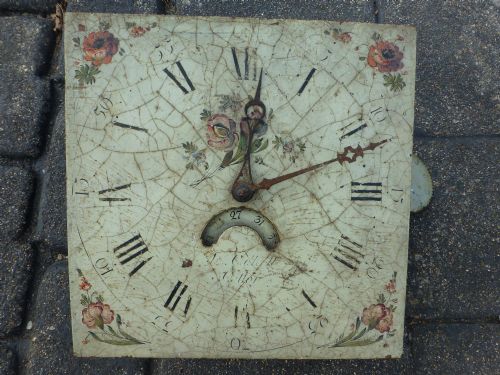
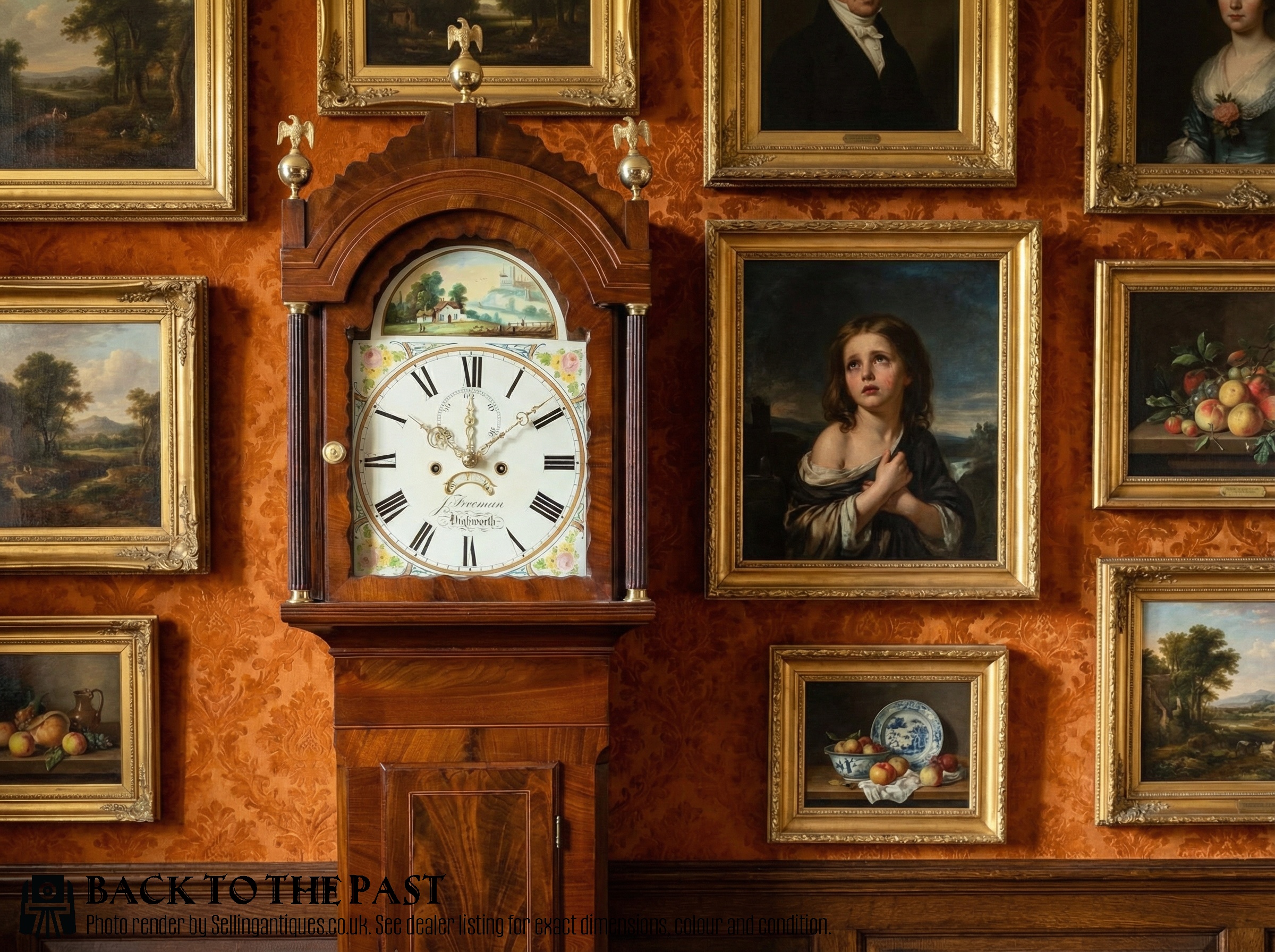
Many of these longcase clocks feature painted iron dials, replacing the earlier engraved brass faces of earlier decades. The dials often show floral corners, moon phases, or local maker signatures inscribed directly onto the painted surface.
How they were made
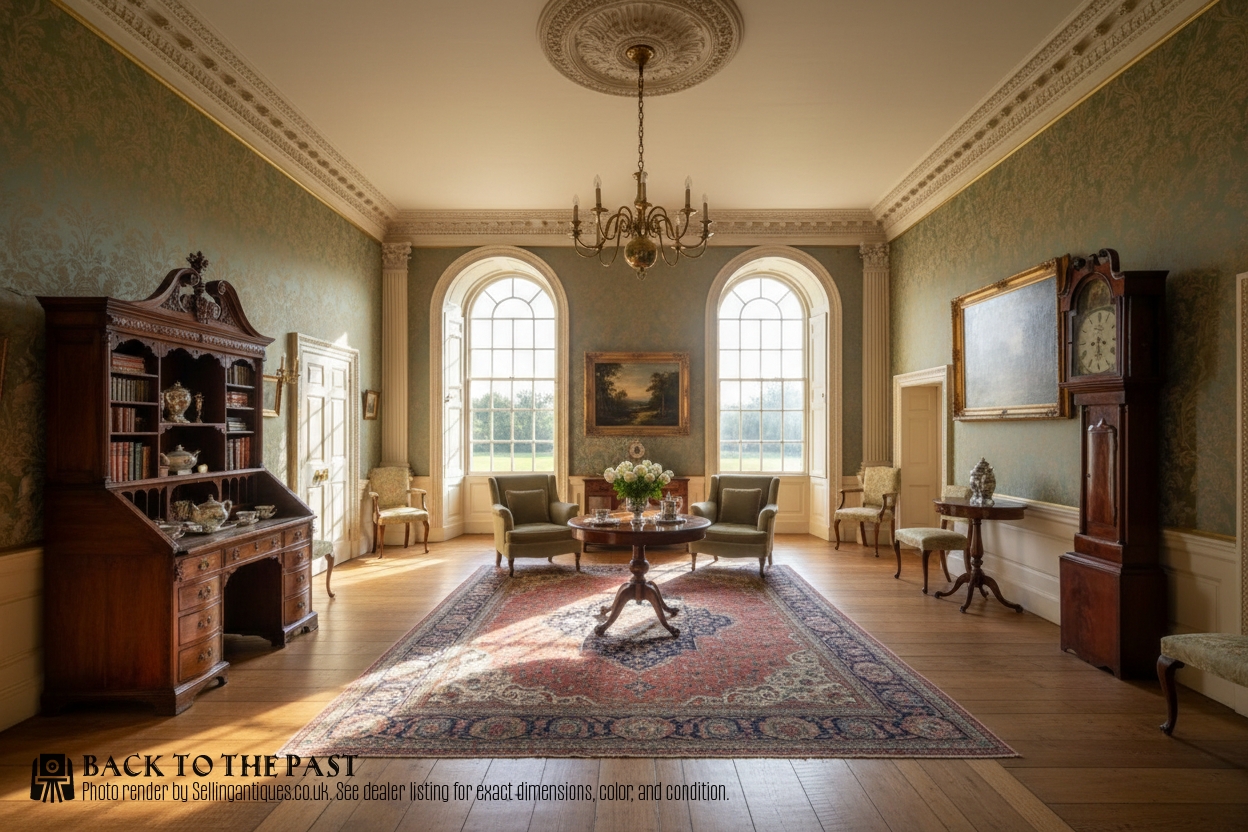
Cabinetmakers constructed the tall wooden cases using solid planks of oak or flame mahogany, jointed and polished to display the natural grain. These timber housings protect the intricate brass and steel gear trains that drive the eight-day or thirty-hour movements.
The faces themselves consist of painted iron sheets, carefully prepared with a smooth ground before artists applied hand-painted numerals and decorative scenes. Glass panes fitted into the hood door protect the delicate painted dial and hands from dust and damage.
Painted Face Grandfather Clock Retail Price Guide 2026
Typical asking prices for painted face grandfather clock among the pieces listed under this phrase on Sellingantiques today, from the lower quarter to the upper quarter. They describe what is for sale here now, not the wider market.
Listings feature clocks from the Georgian, Regency, and mid-nineteenth-century periods, constructed in oak and mahogany with painted iron dials.
What varies in quality
The quality of a painted face grandfather clock rests in the depth of the timber figuring and the crispness of the hand-painted dial work. Finer examples display rich flame mahogany veneers and intricate secondary details on the dial, such as detailed floral corners or subsidiary seconds dials.
Case proportions and secondary timbers also distinguish finer pieces from simpler country clocks. A well-proportioned hood with swan-neck pediments and well-matched oak and mahogany construction indicates superior craftsmanship.
Richard Northen·Yaxley West, Docking
The Painted Face Grandfather Clock Glossary
- Longcase clock
- A tall freestanding weight-driven pendulum clock enclosed in a wooden case. These pieces are commonly known as grandfather clocks.
- Painted iron
- A sheet metal dial base coated with a smooth ground layer to receive hand-painted numerals and decoration. This material superseded heavy engraved brass dials during the Georgian era.
- Flame mahogany
- A decorative veneer cut from timber fork joints to create a distinctive flickering flame pattern. This wood was favoured by cabinetmakers for prominent surfaces on high-status cases.
- Eight day
- A clock movement designed to run for eight days before requiring manual winding via the weights. This mechanism demands two winding holes on the dial face.
- George III
- A design period spanning the reign of George III from seventeen sixty to eighteen twenty. Pieces from this era often feature restrained classical proportions and refined mahogany joinery.
Painted Face Grandfather Clock: Frequently Asked Questions
What is a painted face grandfather clock?
A painted face grandfather clock is a tall floor-standing timekeeper housed in an oak or mahogany case. The dial is made of painted iron rather than engraved brass.
These pieces combine tall cabinet woodwork with mechanical gear trains driven by hanging weights and controlled by a pendulum.
How do eight day movements work?
An eight day movement uses two hanging weights suspended by cords or chains that descend slowly inside the trunk as the clock runs. The mechanism requires winding every week using a key inserted into holes on the painted dial.
This movement type offers greater convenience than thirty-hour clocks which require daily winding.
How do I date a longcase clock?
Dating relies on observing the timber choice, case style, and the construction of the dial and movement. Oak cases often point towards earlier country pieces, while flame mahogany and painted iron dials suggest the late eighteenth or early nineteenth century.
Maker signatures inscribed on the dial can also help narrow down the period through historical trade records.
Where should I place my clock?
Grandfather clocks require a stable, dry interior wall with a firm floor to ensure the pendulum swings evenly. Placing the case away from direct heat sources prevents the timber case and internal wooden components from warping.
Sufficient ceiling height is essential, as these tall cases often measure over six feet in height.
What is the difference between oak and mahogany cases?
Oak cases typically present a warm, rustic grain structure often associated with regional English workshops from the Georgian period. Mahogany cases display a smoother reddish-brown surface, sometimes enhanced with flame veneers for a more formal appearance.
Both timbers provide the structural rigidity necessary to support heavy movements and glass-fronted hoods.