


Vintage Oak Grandfather Clock
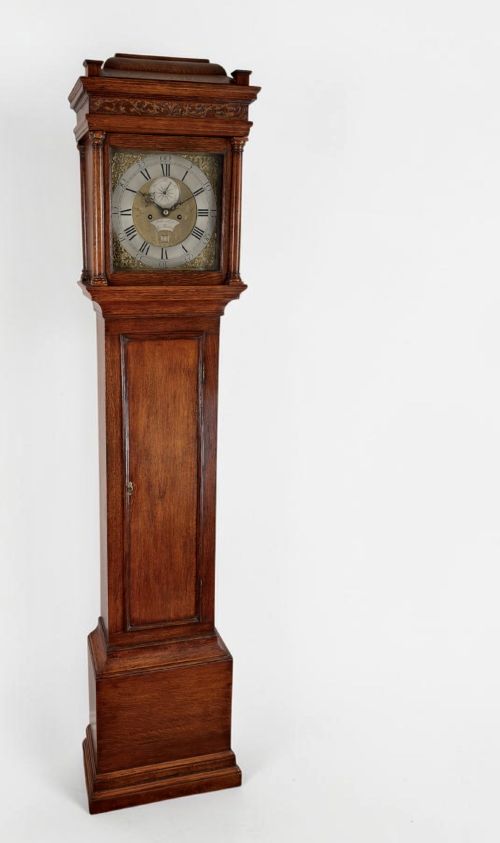
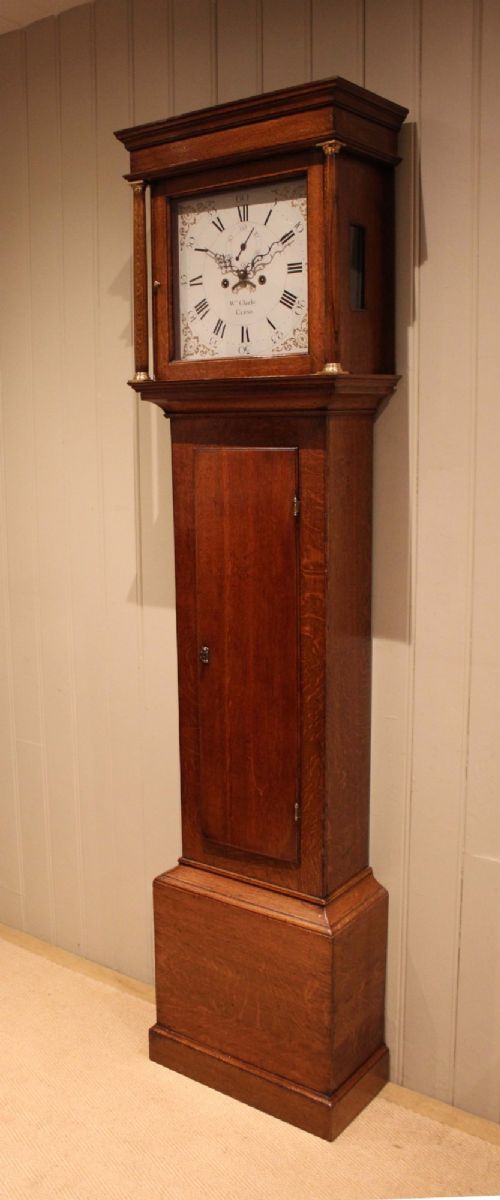
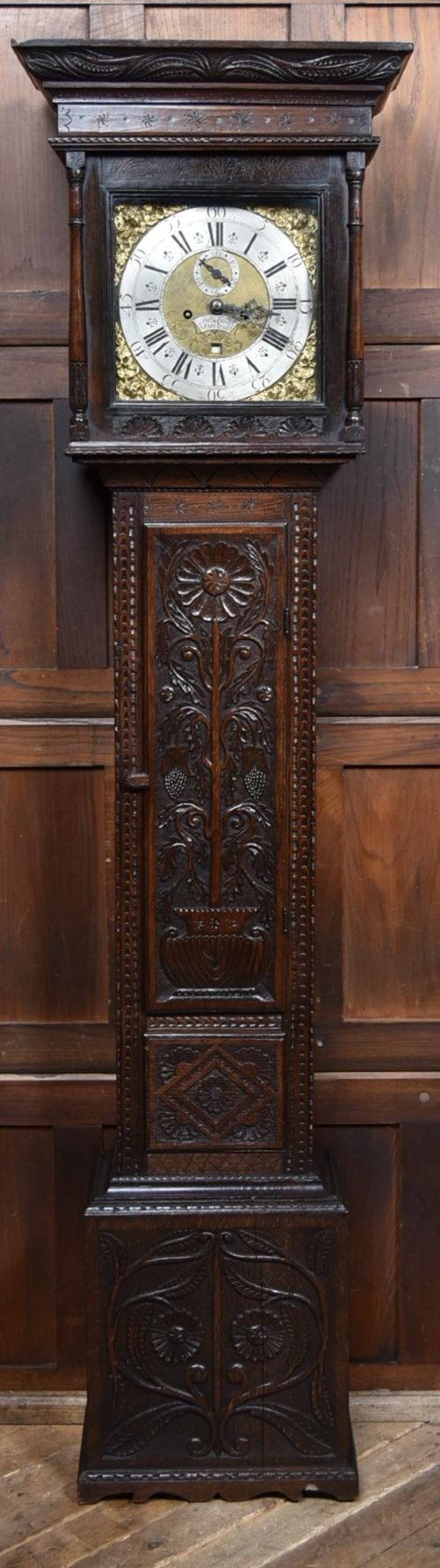
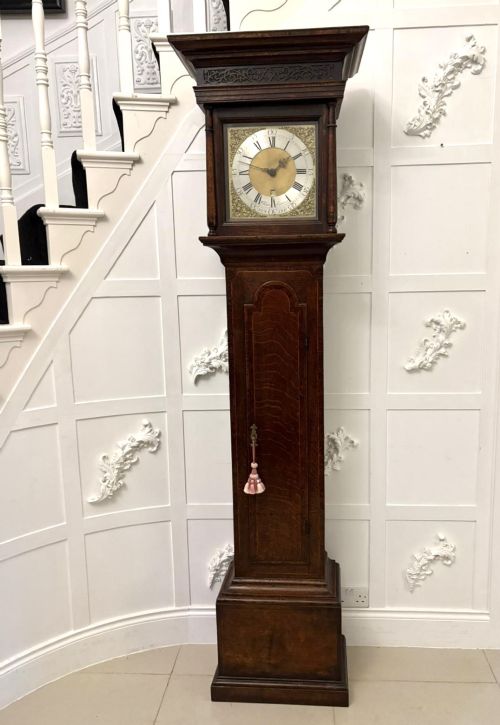
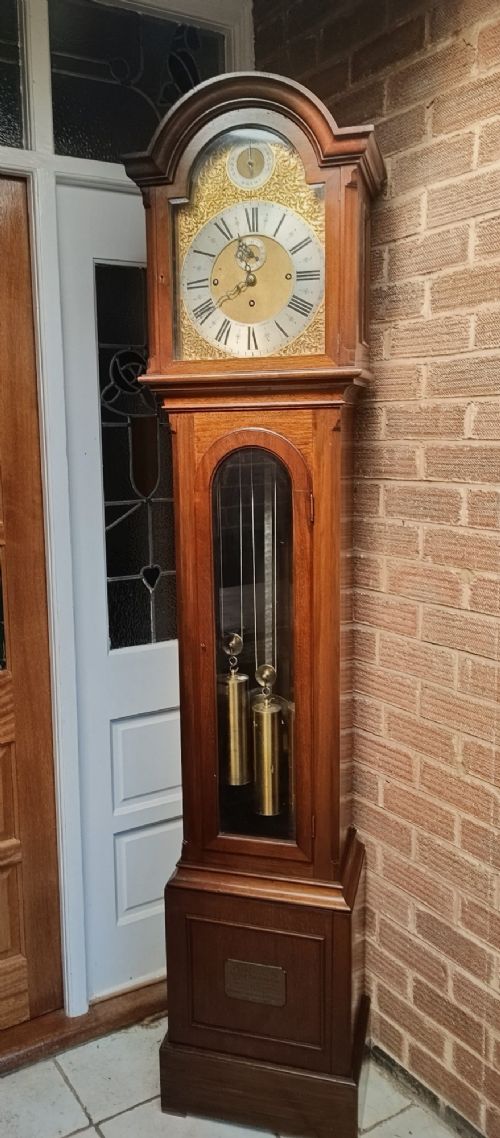
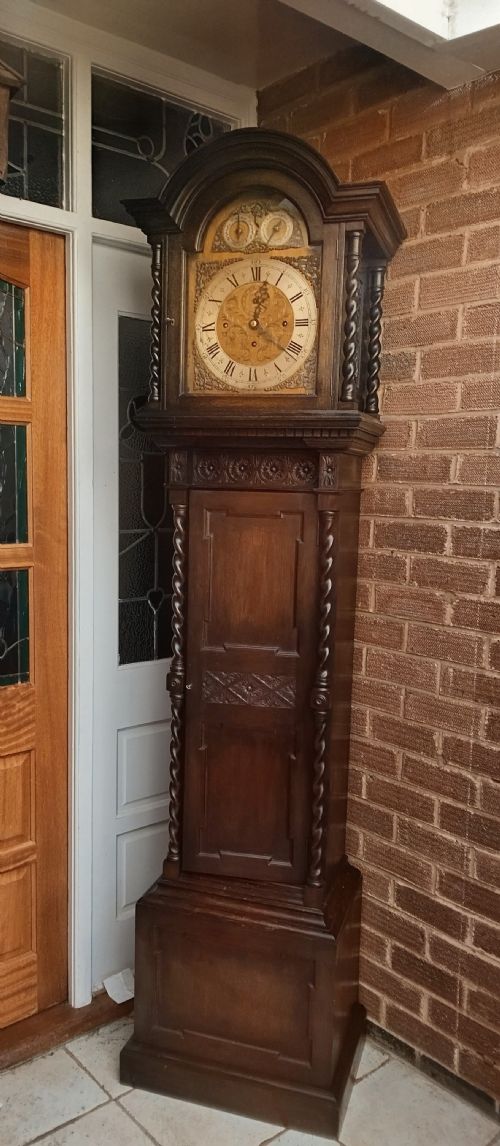
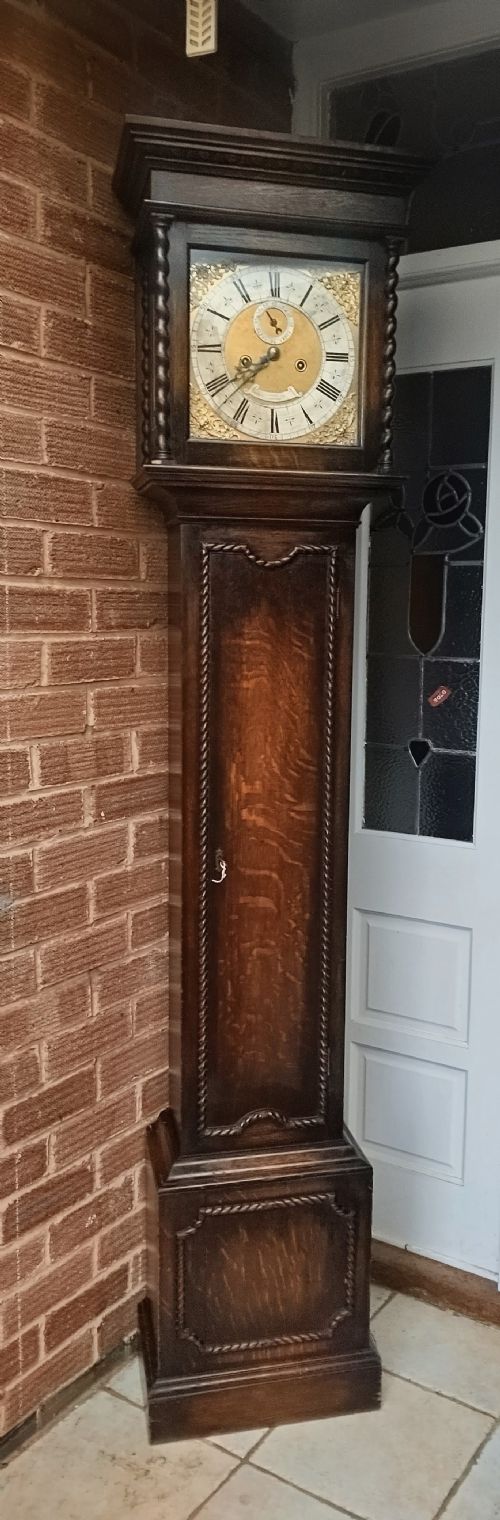
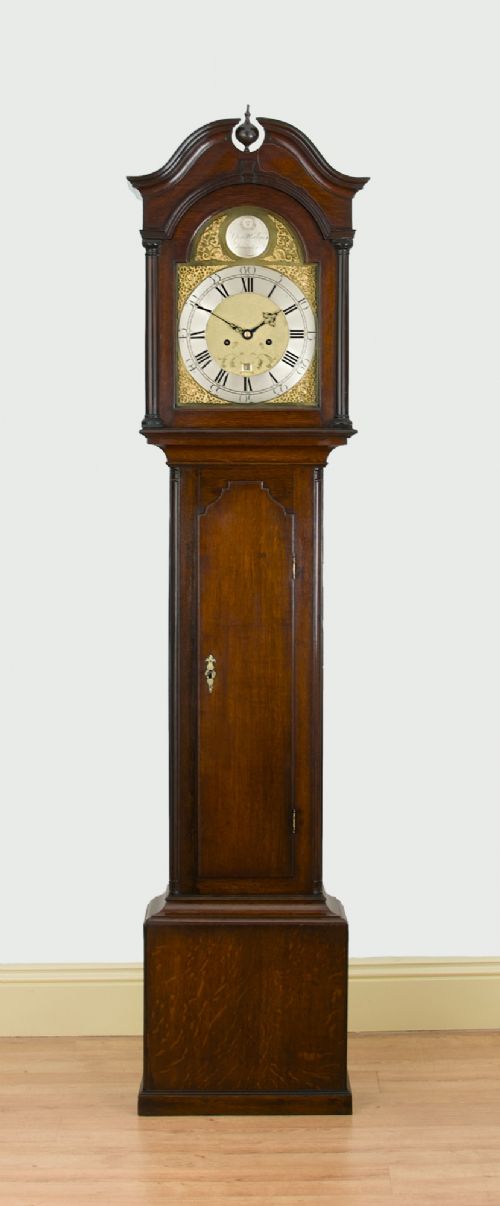
A vintage oak grandfather clock stands as a monumental centrepiece, bringing mechanical precision and architectural presence into a room.
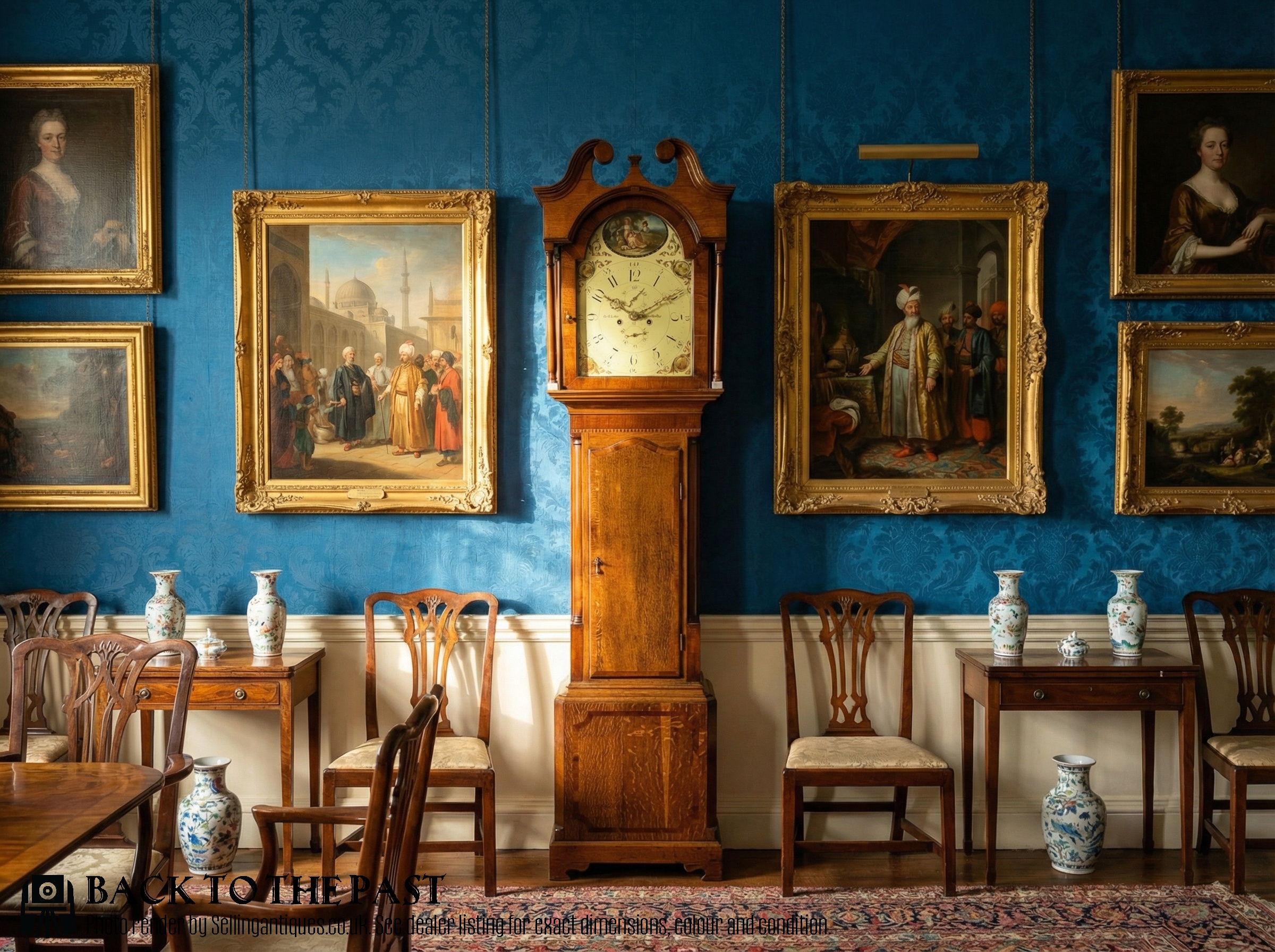
Vintage Oak Grandfather Clock
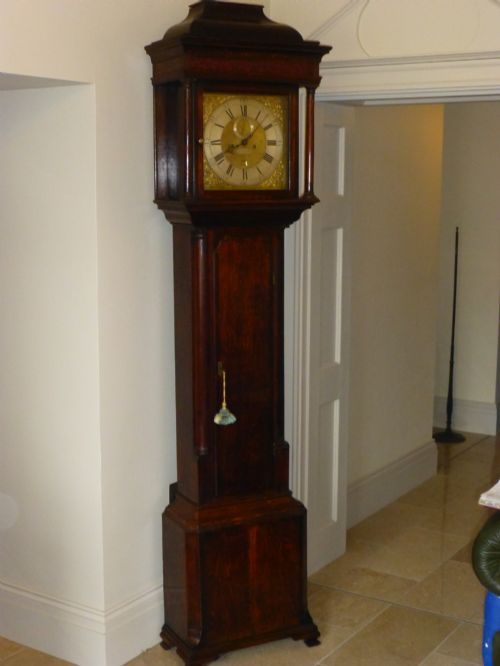
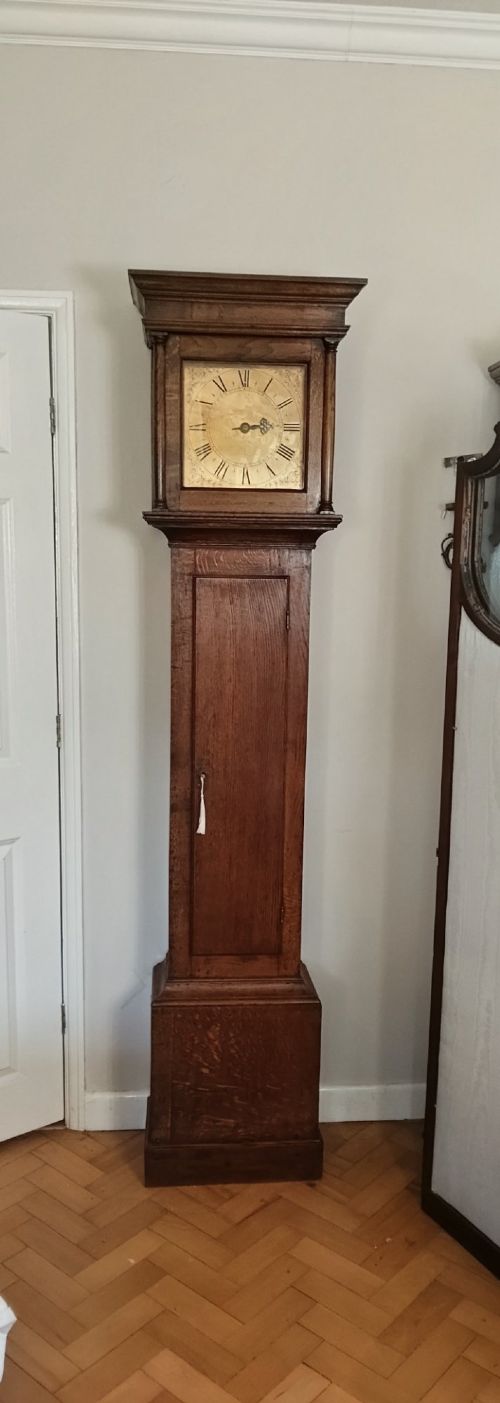
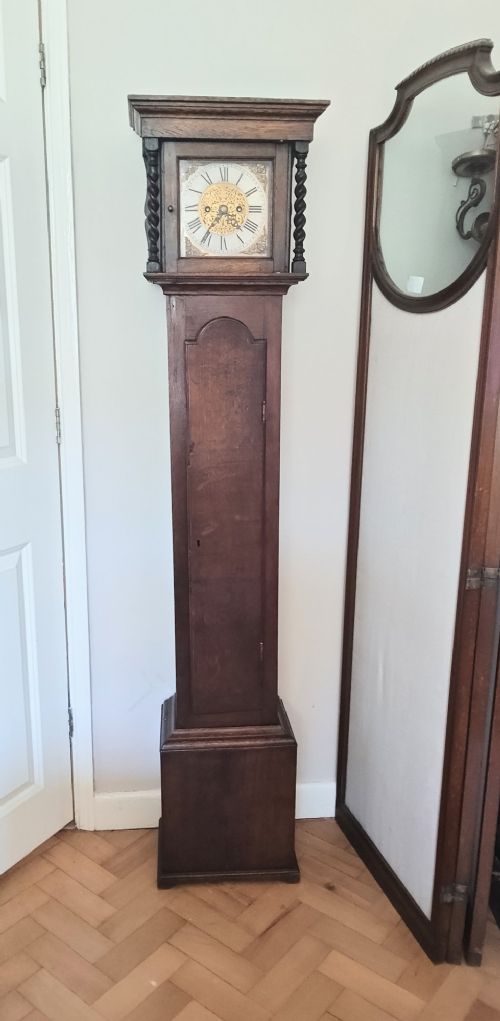
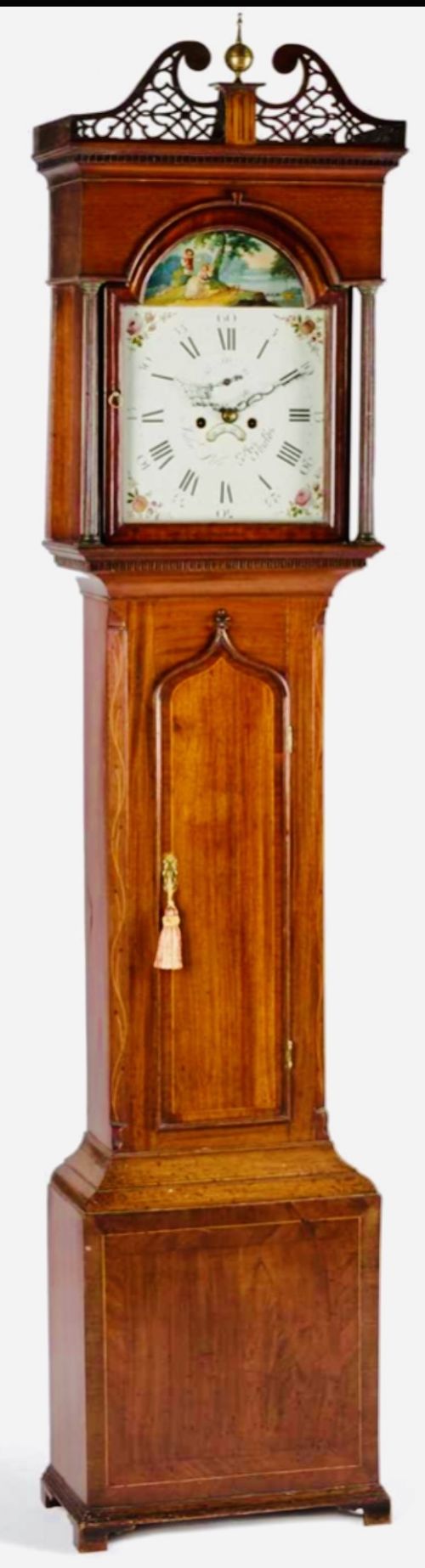
A vintage oak grandfather clock is a tall floor-standing timepiece housed in a timber case, designed to measure hours through weight-driven or spring-driven movements. When searching this phrase, buyers encounter floor clocks spanning periods from the eighteenth century through to the Edwardian era and the 1930s. The selection includes full-sized longcase clocks alongside smaller grandmother clocks designed for more modest spaces.
The majority of these pieces originate from Georgian and 18th Century workshops, often bearing regional signatures on their brass or painted iron dials. Alongside traditional English examples, the selections feature Welsh, Scottish, and continental movements, including German Black Forest productions. Cabinets range from simple provincial oak constructions to more elaborate designs incorporating burr oak, walnut, or mahogany details.
How they were made
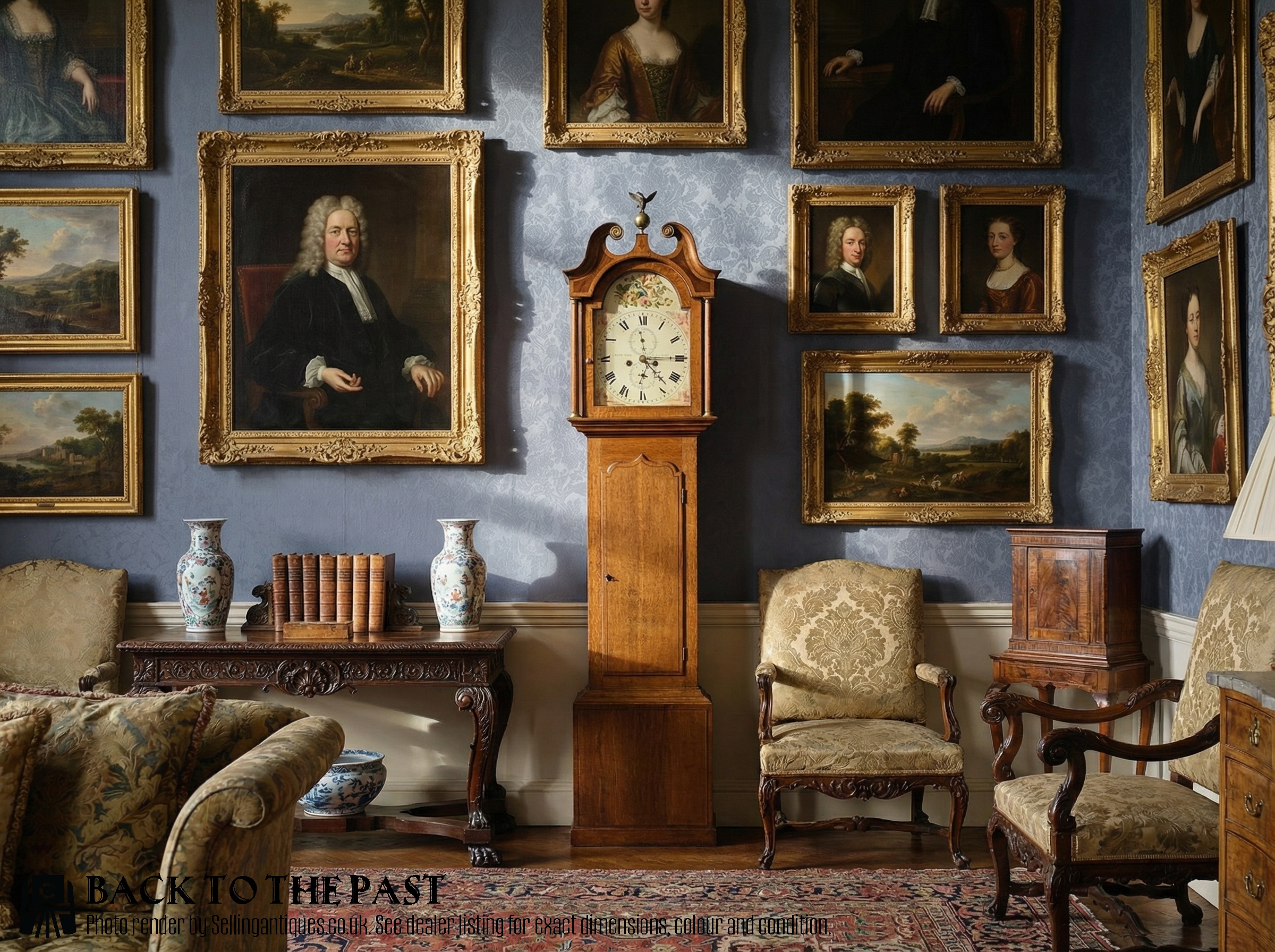
Cabinetmakers utilised solid oak and regional timbers to construct the tall floor cases, frequently incorporating glass panels into the hood doors to protect the dial. Movements were constructed from brass and iron components, combining gears, chains or cords, and weights or springs to drive the mechanism.
Vintage Oak Grandfather Clock Retail Price Guide 2026
Typical asking prices for vintage oak grandfather clock among the pieces listed under this phrase on Sellingantiques today, from the lower quarter to the upper quarter. They describe what is for sale here now, not the wider market.
Listings feature movements spanning the Georgian era, the Victorian period, and twentieth-century decades up to the 1930s.
What varies in quality
Quality in these floor clocks is determined by the crispness of the movement's engineering and the fidelity of the maker's signature on the dial. Regional English makers working in towns like Macclesfield, Stockport, or Doncaster produced movements whose precision separates standard production from finer workshop output.
The cabinetwork similarly distinguishes the tier of a piece, separating straightforward utilitarian cases from examples exhibiting carefully selected oak grain, burr veneers, and balanced proportions. The inclusion of complex musical movements or multiple chimes elevates the mechanical ambition of the clock.
Lee of Great Marlow·Jn° Smith Macclesfd·Richard Corless of Stockport·George Hallifax Of Doncaster·Thomas Webbe of New Quay·Richard Prew Of Tewksbury·Enfield·Mappin and Webb London
The Vintage Oak Grandfather Clock Glossary
- Longcase clock
- An alternative term for a grandfather clock, describing a tall floor-standing timekeeper enclosed in a wooden case. These pieces protect the hanging weights and pendulum within the trunk.
- Grandmother clock
- A smaller, more compact version of the traditional longcase clock, typically produced during the Edwardian and later periods. They suit lower ceiling heights while retaining mechanical timekeeping functions.
- Spandrel
- The ornamental corner piece mounted on the dial of a clock around the chapter ring. They are often cast in brass and styled according to the period of the movement.
- Regulator
- A precision clock designed to keep highly accurate time, often utilised as a standard for setting other timepieces. These movements typically feature specialised dial layouts for clear hour, minute, and second reading.
- Movement
- The internal mechanical assembly of gears, escapements, and arbors that drives the clock hands and strikes the bells. Movements vary from simple thirty-hour weight-driven designs to complex eight-day chiming systems.
Vintage Oak Grandfather Clock: Frequently Asked Questions
What is a grandfather clock?
A grandfather clock is a tall, free-standing pendulum clock enclosed in a wooden case that protects the movement and weights. The long trunk accommodates the drop of the driving weights over an eight-day or thirty-hour duration.
These pieces combine furniture craftsmanship with horological engineering, serving as both practical timekeepers and architectural elements within a home.
How do I wind an antique clock?
Winding involves using a specialised key or crank to pull the weights back up to the top of the case or to tension the spring barrels. Care must be taken not to overwind the mechanism, ensuring the weights or springs meet proper resistance.
Most traditional movements require winding once a week for eight-day versions, while thirty-hour models need attention more frequently.
Where should I place a longcase clock?
These clocks require a stable, level floor and must be secured to a solid wall through the back of the case to maintain proper pendulum beat. Placing them away from direct sunlight, central heating vents, and damp exterior walls protects the timber case and delicate movement.
An interior hallway or living room wall provides the ideal environment where the steady tick and striking bells can be appreciated.
How do I tell an 18th-century clock from a later one?
Eighteenth-century examples typically feature brass dials with cast spandrels, thirty-hour or eight-day weight-driven movements, and hand-carved or panelled solid oak cases. Later Edwardian and twentieth-century models often utilise painted iron dials, spring-driven mechanisms, or smaller grandmother proportions.
Examining the construction of the case interior and the style of the engraved signature provides further clues to the manufacturing date.