
Traditional Tall Case Clock
A traditional tall case clock grounds a room with steady weight and the slow swing of a pendulum.
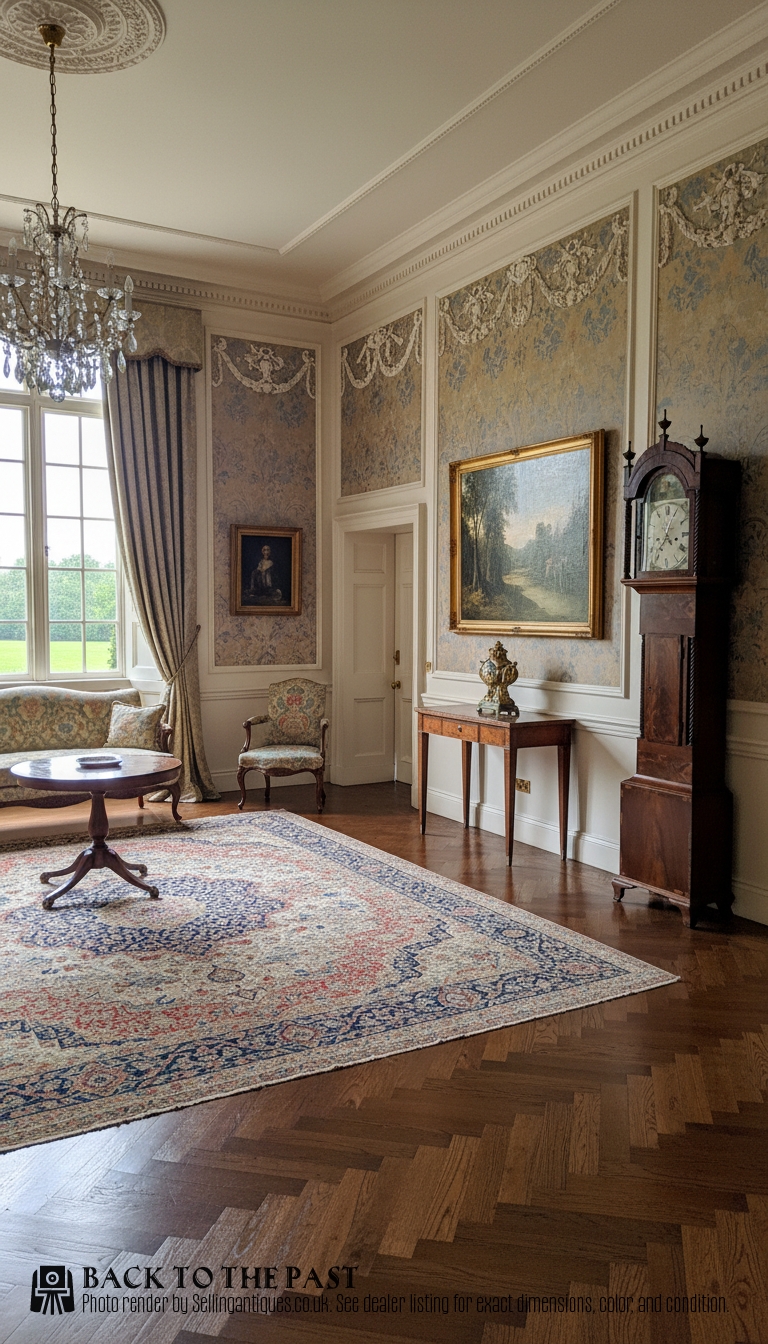
Traditional Tall Case Clock
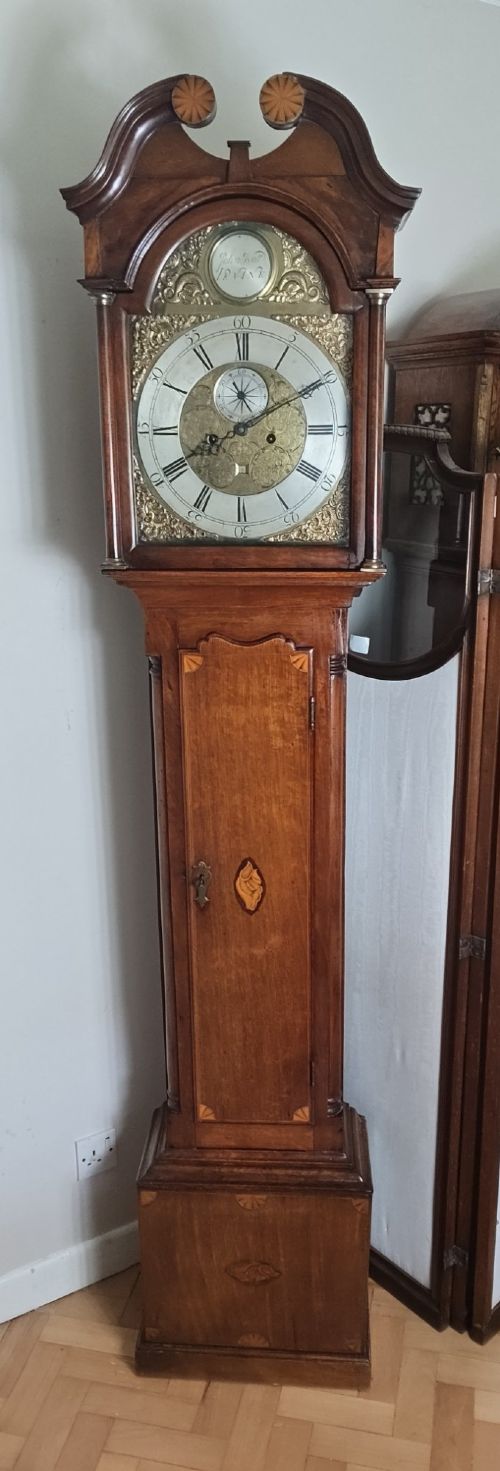
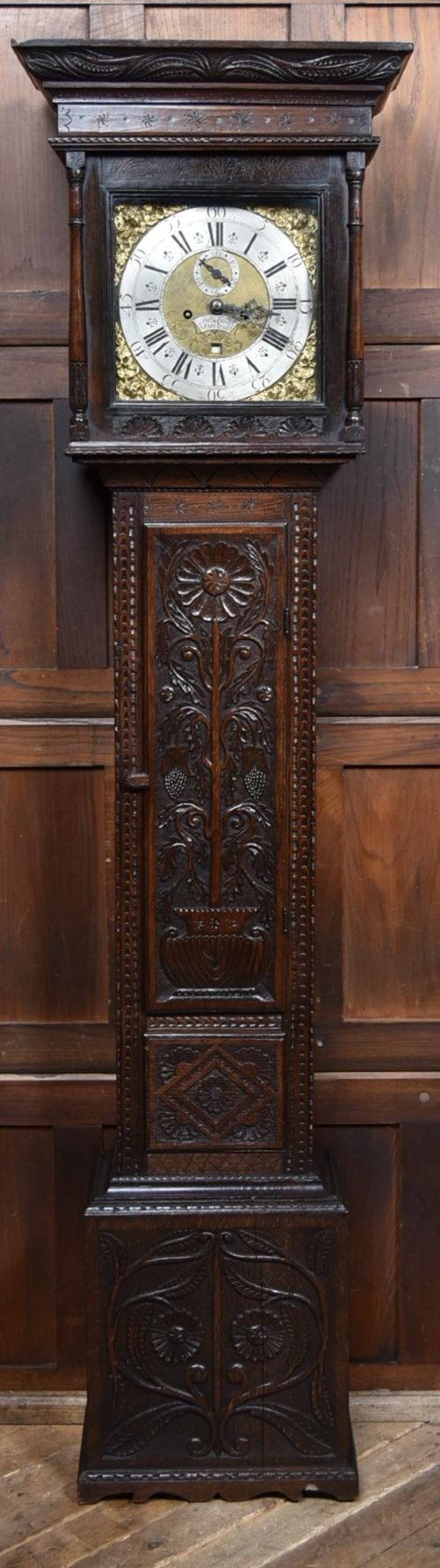
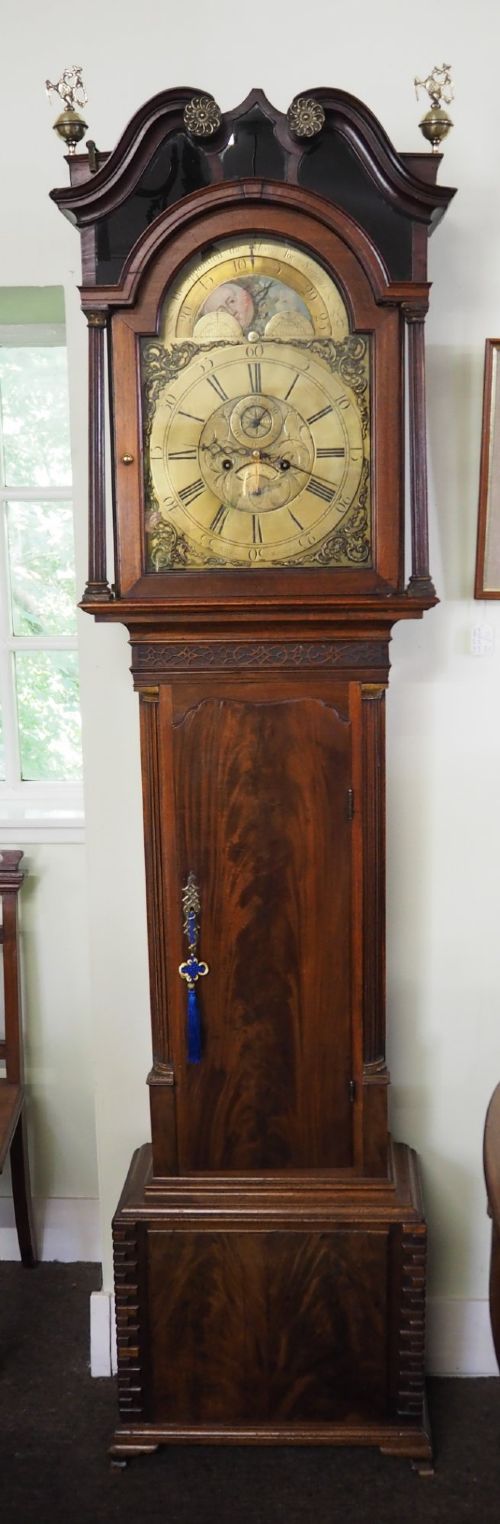
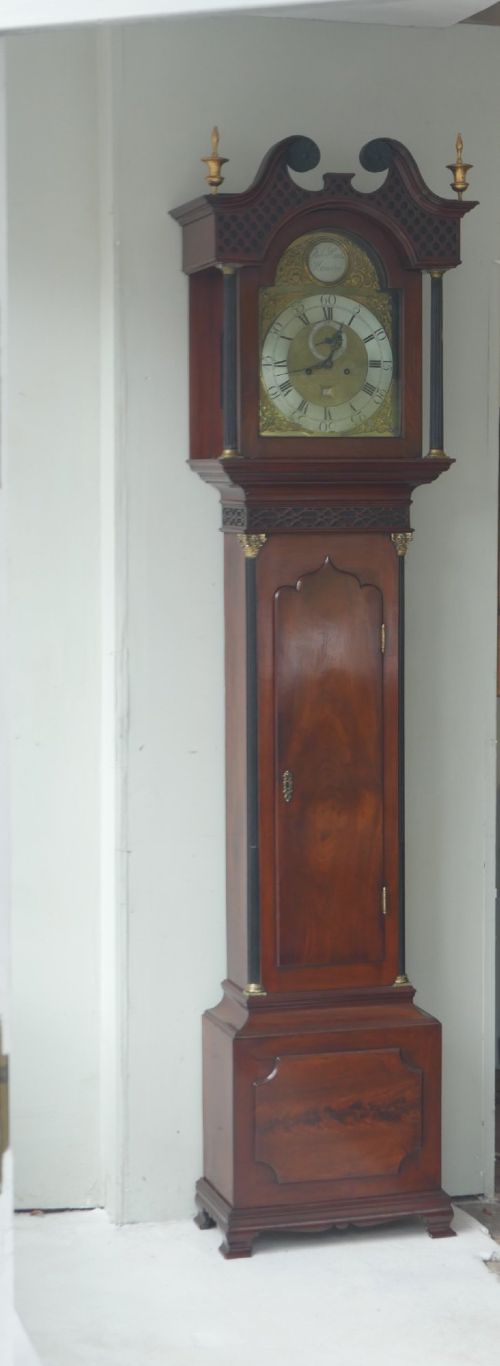
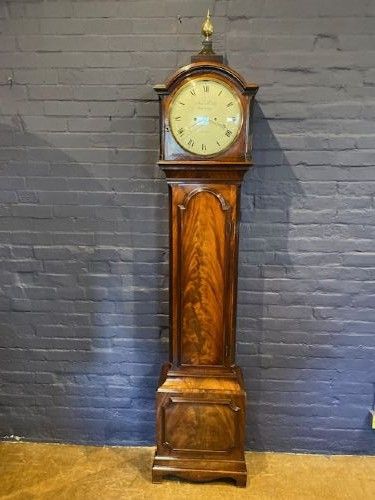
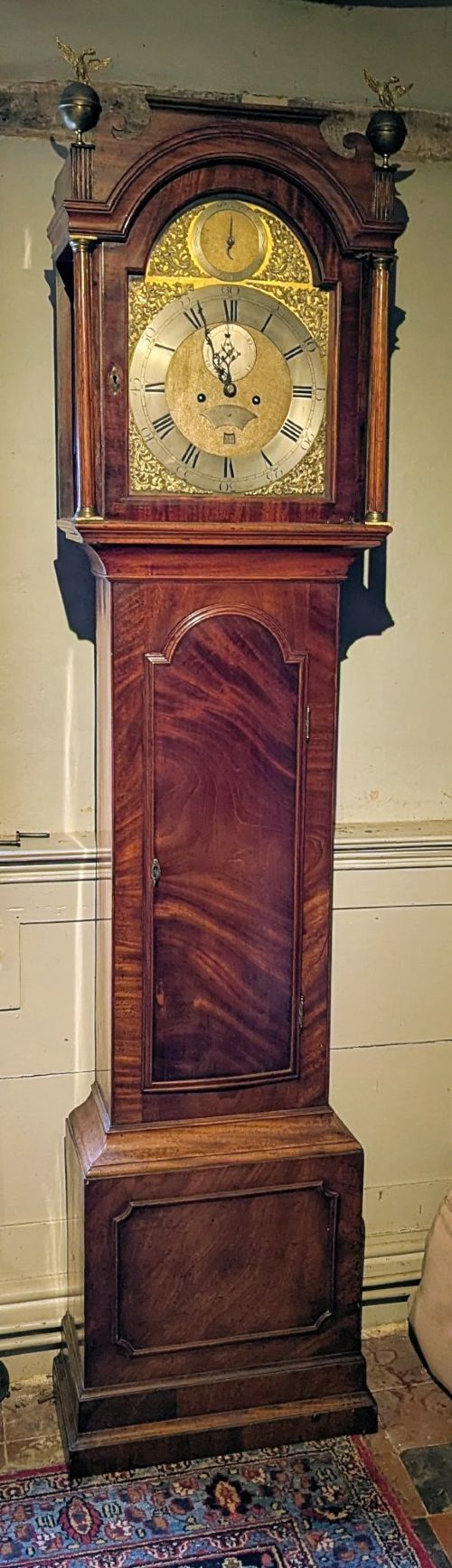
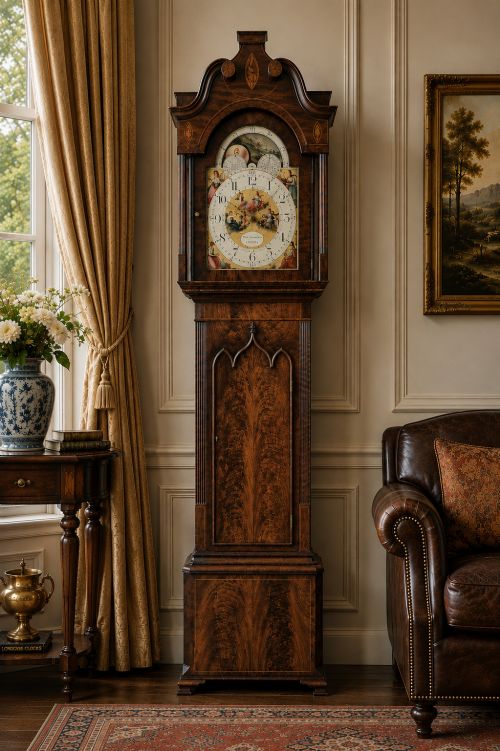
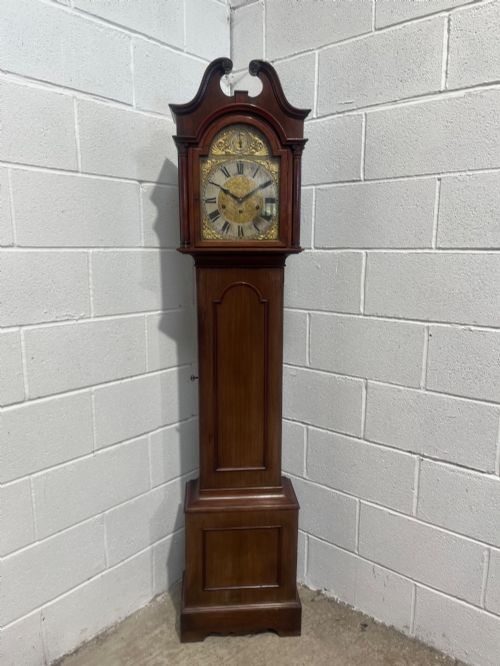
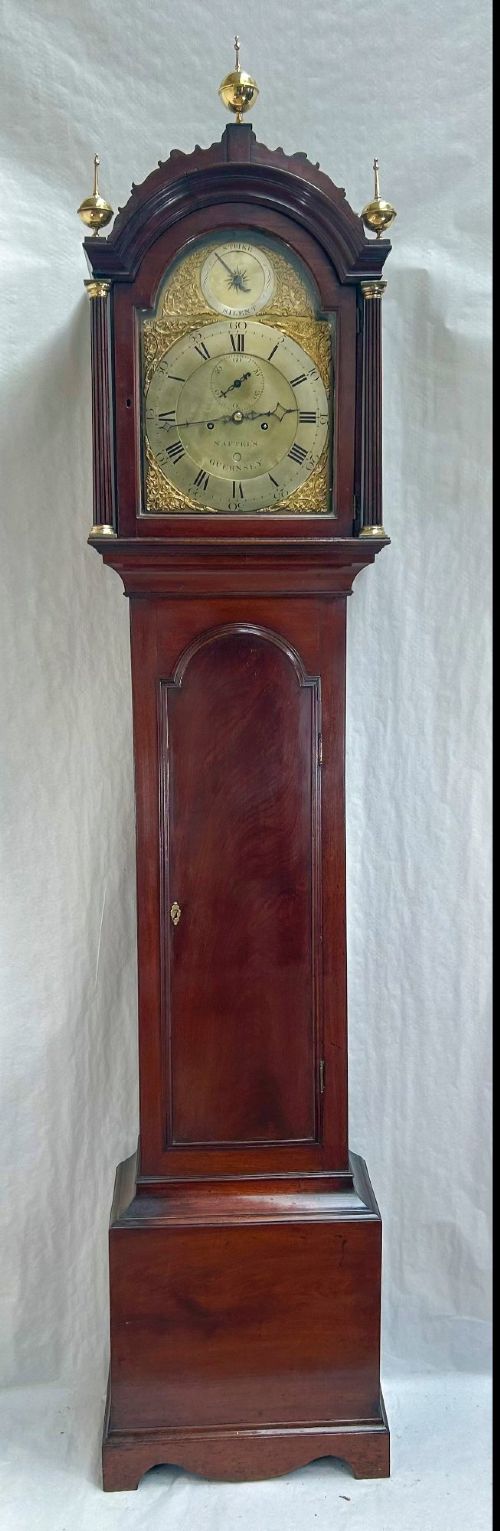
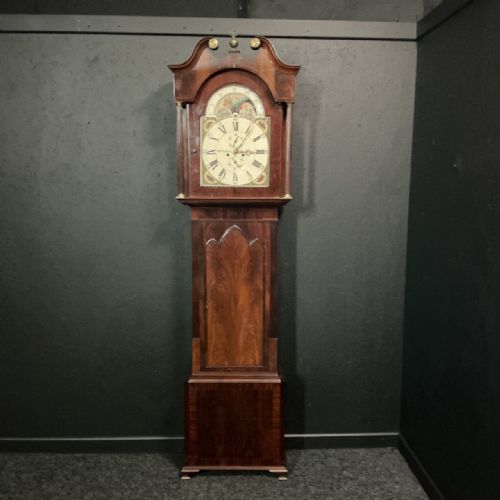
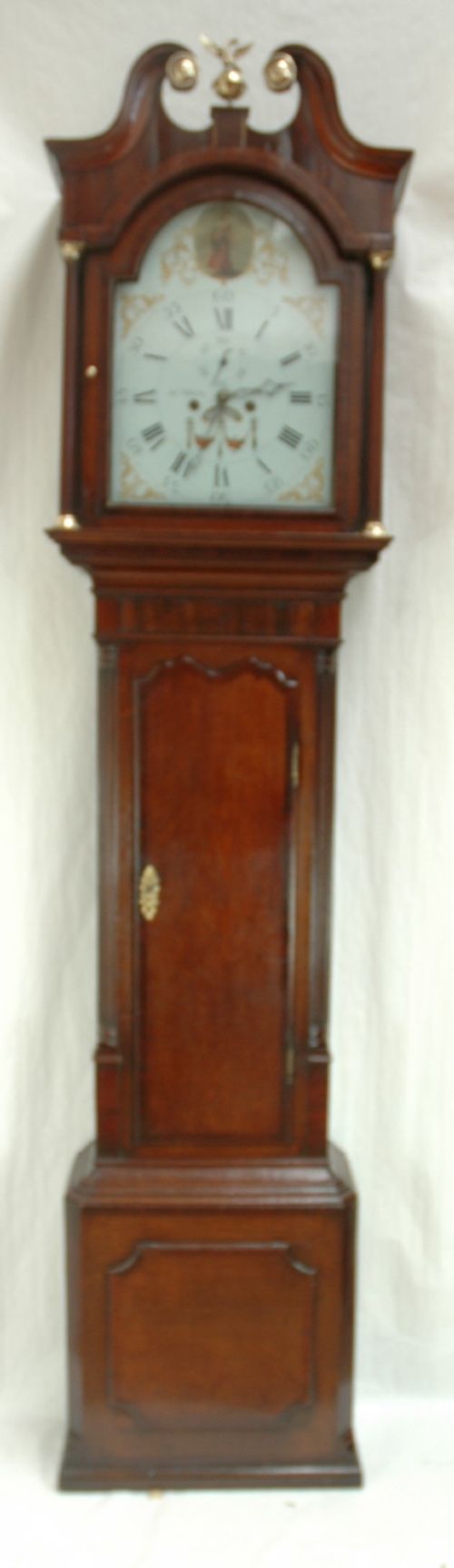
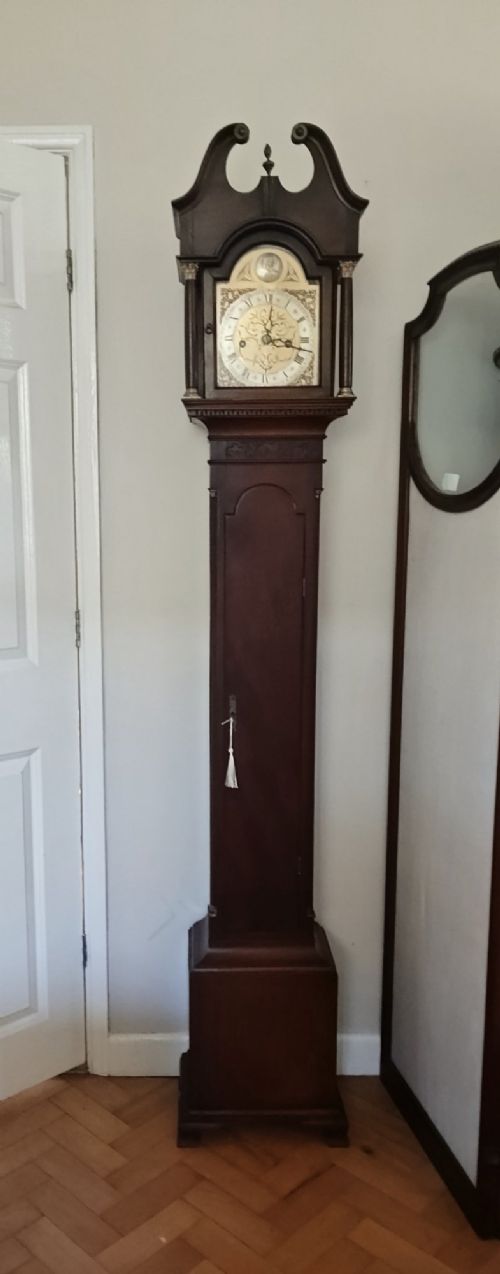
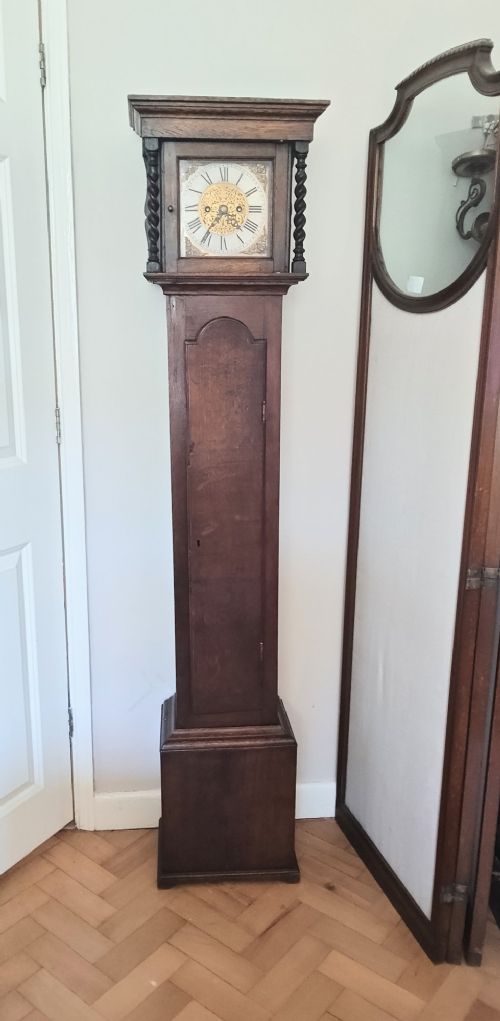
The evidence shows mahogany and oak casework dominating the selection, often housing brass dials and painted iron faces. Examples range from early Georgian pieces through to Edwardian and later variations featuring musical movements.
Regional variations include Scottish longcase clocks alongside London examples, offering a broad spectrum of cabinet proportions and dial arrangements. Oak and mahogany constructions present either simple provincial lines or polished metropolitan detailing.
Factors of distinction
Quality rests in the harmony of the timber proportions and the crisp execution of dial engraving or painted decoration. Finer examples display carefully selected mahogany grain, balanced cabinet work, and sophisticated movements such as moonphase or musical chiming systems.
Traditional Tall Case Clock Retail Price Guide 2026
Typical asking prices for traditional tall case clock among the pieces listed under this phrase on Sellingantiques today, from the lower quarter to the upper quarter. They describe what is for sale here now, not the wider market.
Listings span Georgian, Victorian, and Edwardian periods, utilising mahogany, oak, brass, and painted iron.
Jn Smith Macclesfd·James McCabe·Samuel Kellett of Bredbury·Rickards Wotton Under Edge·Priory of Dundee Scotland·Andrew Thom·Henry Weedon London·Mclennan London·David Craig Ford Path head·Bravingtons
The Traditional Tall Case Clock Glossary
- Grandfather clock
- A large floor-standing pendulum clock, typically over six feet in height. These tall wooden cases house weight-driven movements.
- Grandmother clock
- A smaller, more slender version of the standard floor clock, popular in later periods. They fit lower ceiling heights while retaining traditional movements.
- Moon roller
- A rotating dial disc tracking the phases of the lunar cycle behind an arched window. This mechanical display adds considerable complexity to the clock face.
- Strike-silent
- A mechanism allowing the striking train to be manually disengaged at night. It prevents the hour bell from sounding during sleeping hours.
- Drumhead
- A circular dial housing set atop a tapered wooden trunk. This distinctive regional form appears frequently in Scottish examples.
Traditional Tall Case Clock: Frequently Asked Questions
Where should I place a tall case clock?
Position your clock against a solid interior wall away from direct sunlight, central heating vents, and damp exterior stone. Stable floor surfaces ensure the heavy case stands level, which is essential for consistent pendulum operation.
Allow sufficient clearance above the case for moving the hood during routine weight winding. Hallways, landings, and principal reception rooms provide traditional settings where the acoustic chime carries well.
How do I wind an antique longcase clock?
Most eight-day movements require the heavy brass or iron weights to be drawn up using a specialised winding key inserted into the dial face. Turn the key steadily clockwise until the weight reaches its upper limit near the top of the trunk.
Take care not to overwind the movement past its natural stop point. Ensure the pendulum remains stationary or controlled while adjusting weights on older chain-driven or cord-driven systems.
What is the difference between oak and mahogany cases?
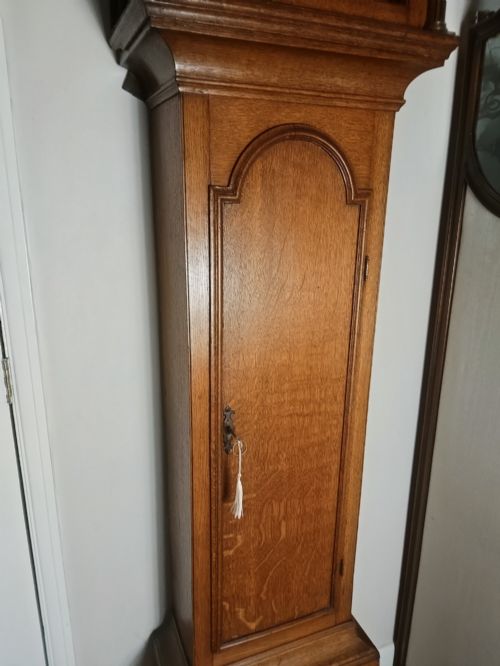
Oak cases generally date from earlier provincial periods, displaying visible grain patterns and robust, utilitarian framing. Mahogany became favored for finer urban cabinetry, offering a smooth reddish-brown surface polish and sharper carved detailing.
Mahogany examples often incorporate decorative banding or veneers, whereas oak versions rely on simple pegged joinery and solid plank construction.
How do I identify a Scottish longcase clock?
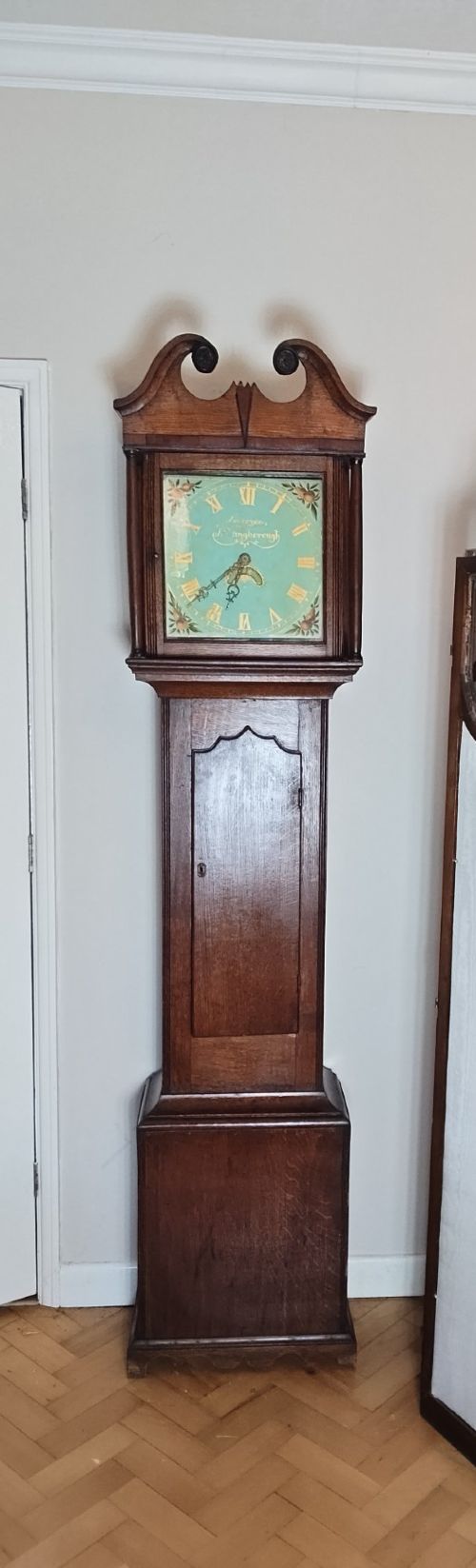
Scottish examples frequently feature distinct dial layouts, square or arched painted iron faces, and specific regional cabinet proportions. Drumhead variations and signature Scottish makers appear clearly within this specific regional tradition.
The timber selection often includes native woods or particular mahogany imports handled by regional cabinetmakers working in Edinburgh, Dundee, or Auchterarder.
Why do some clocks have moonphase dials?
Moonphase mechanisms track the twenty-nine-and-a-half-day lunar cycle using a rotating disc painted with two moons. This feature provided practical scheduling information for tides and agricultural work in past centuries.
Beyond utility, the arched painted display adds visual complexity and mechanical interest to the upper dial section of the clock.