
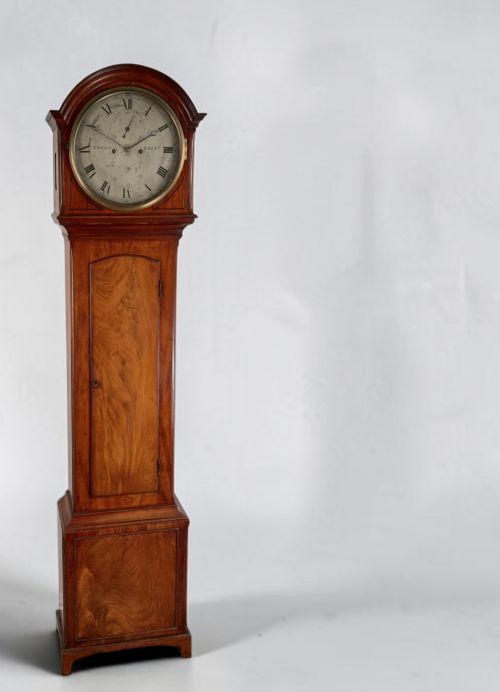
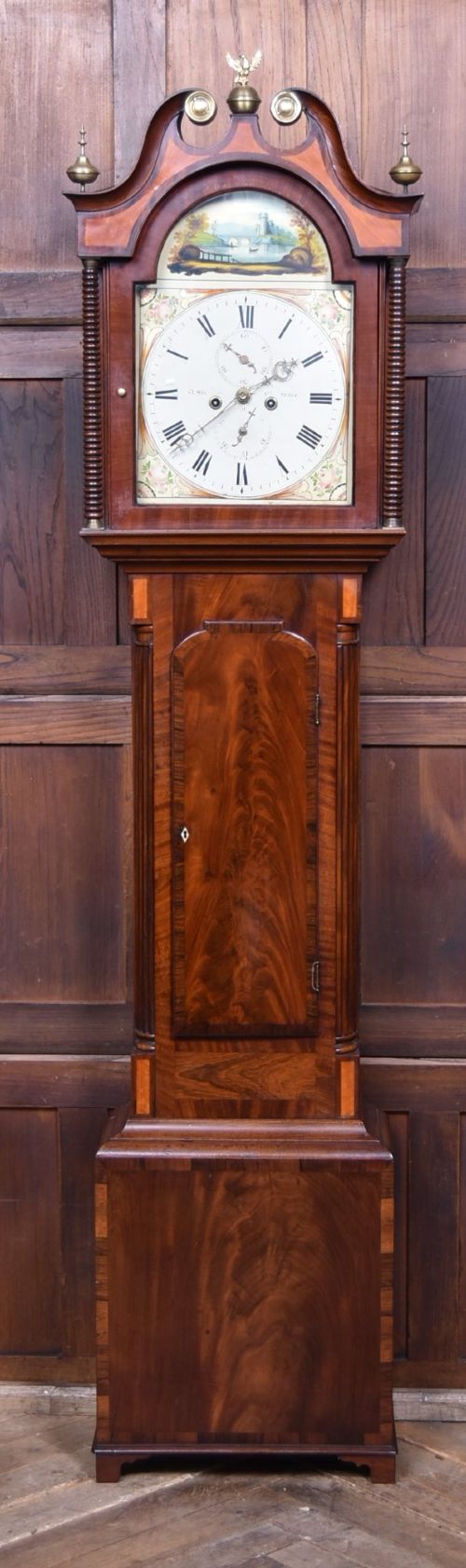
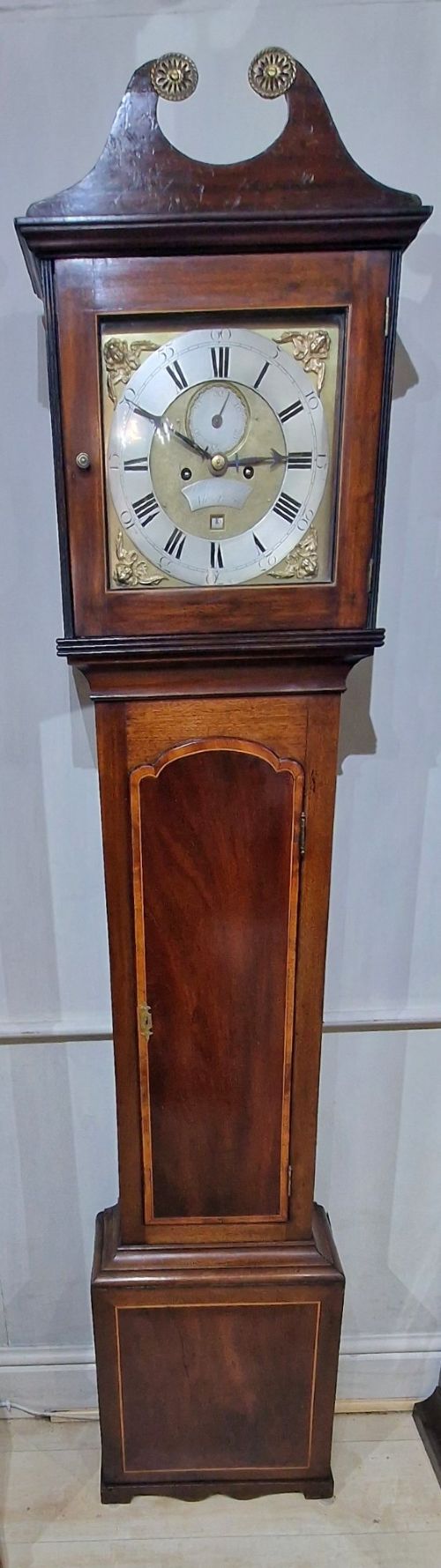
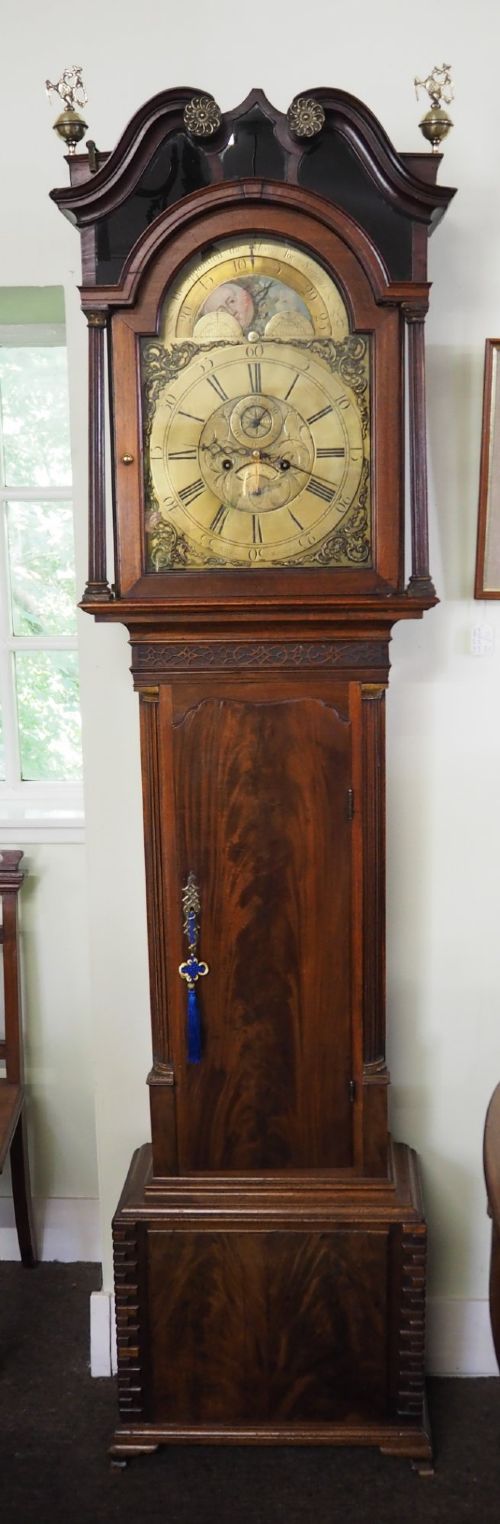
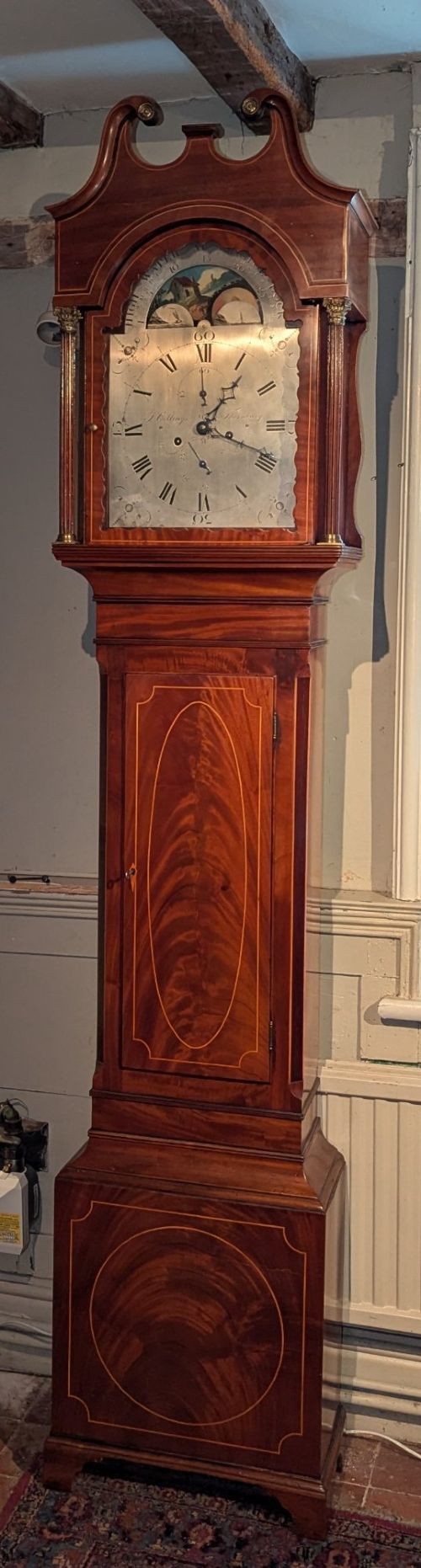
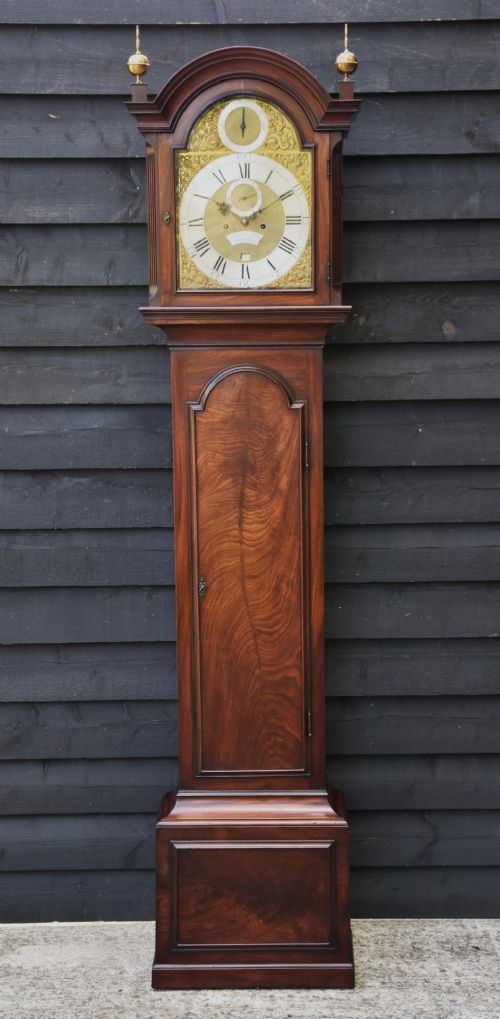
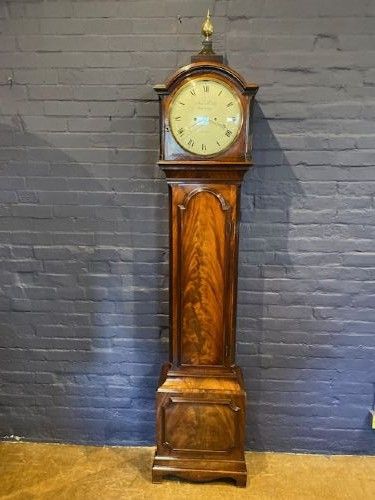
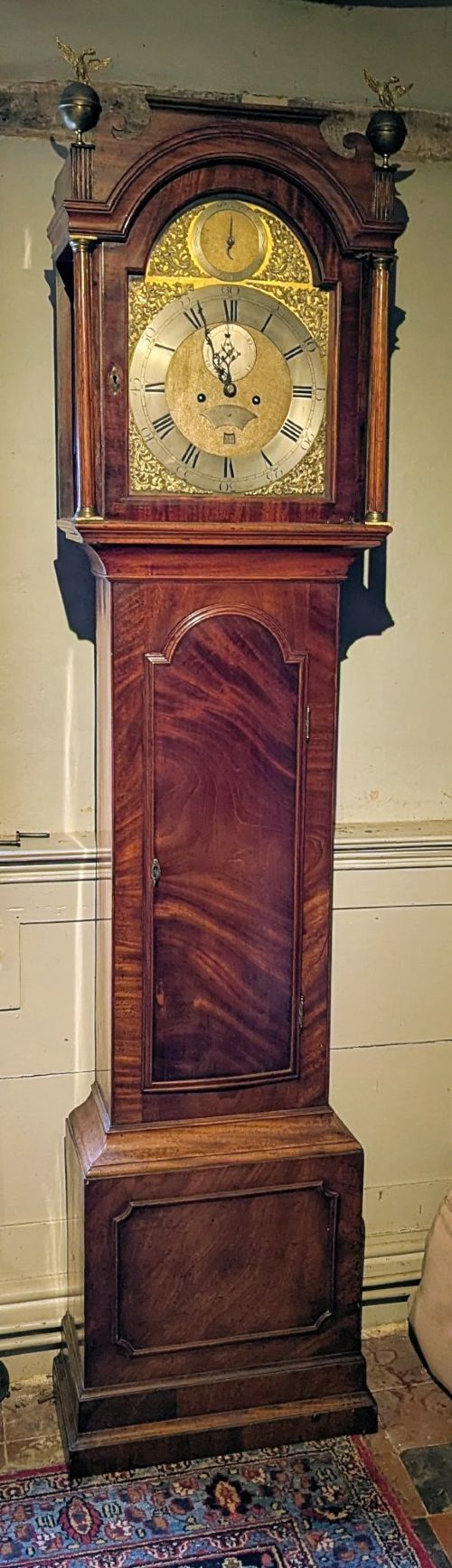
Georgian Mahogany Standing Clock
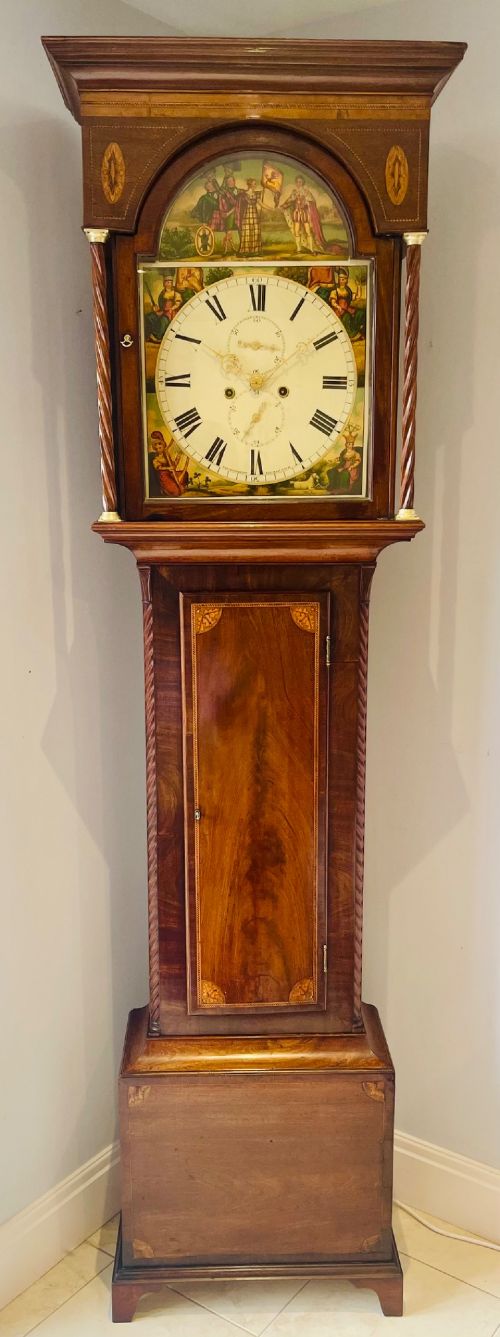
A georgian mahogany standing clock commands a room with its height, ticking steadily through the decades in a rich timber case.
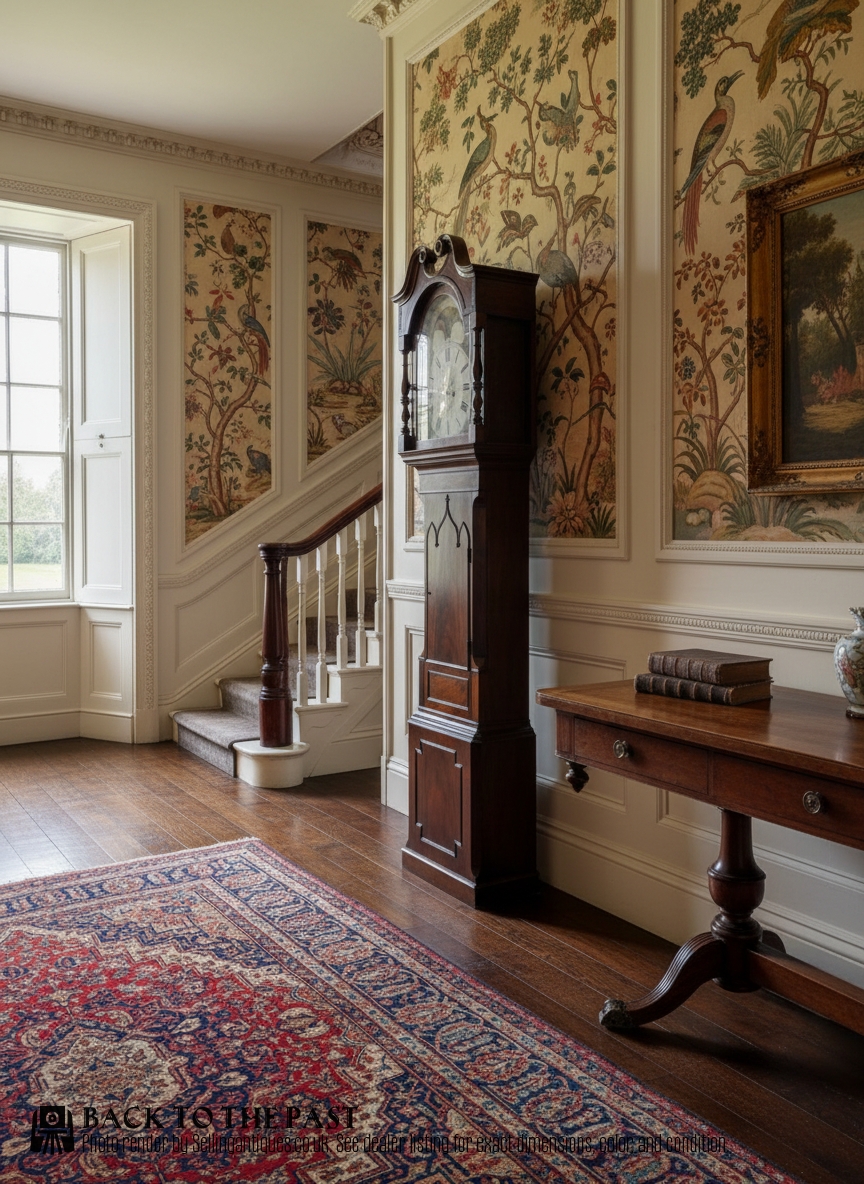
Georgian Mahogany Standing Clock
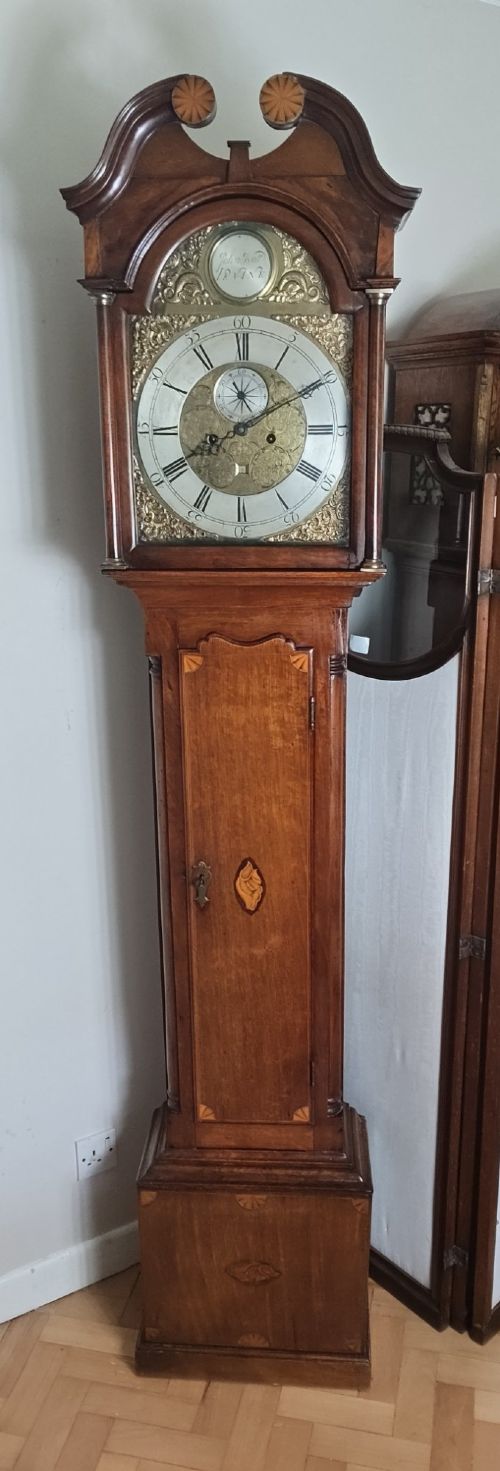
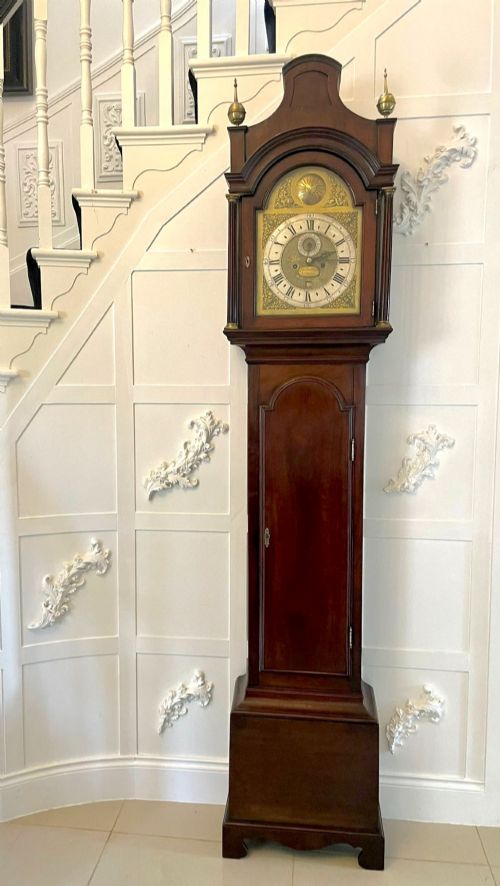
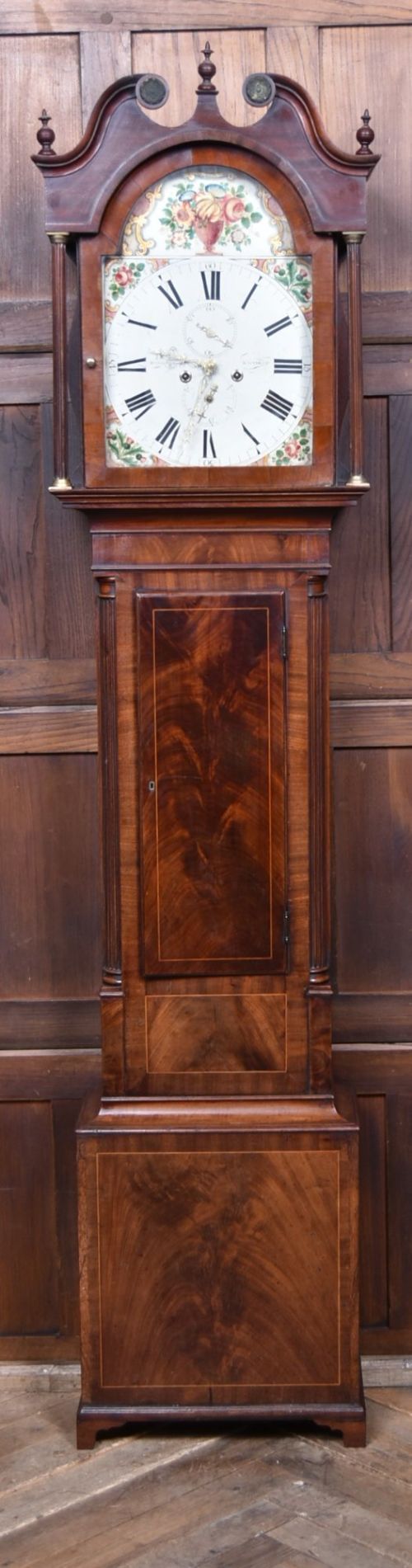
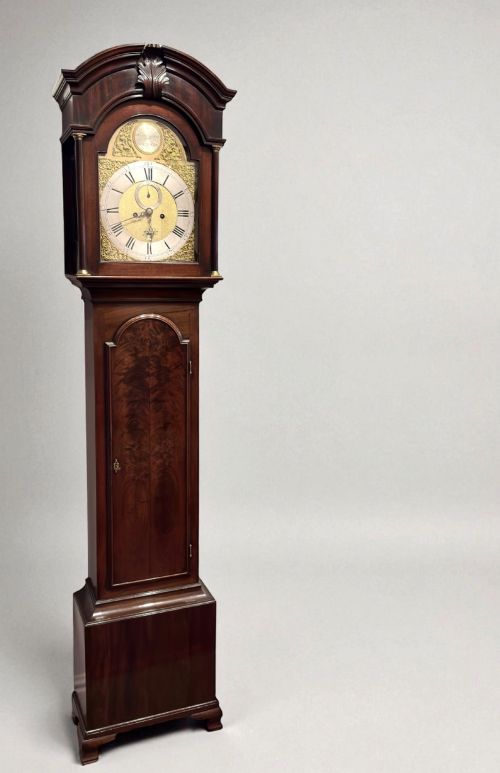
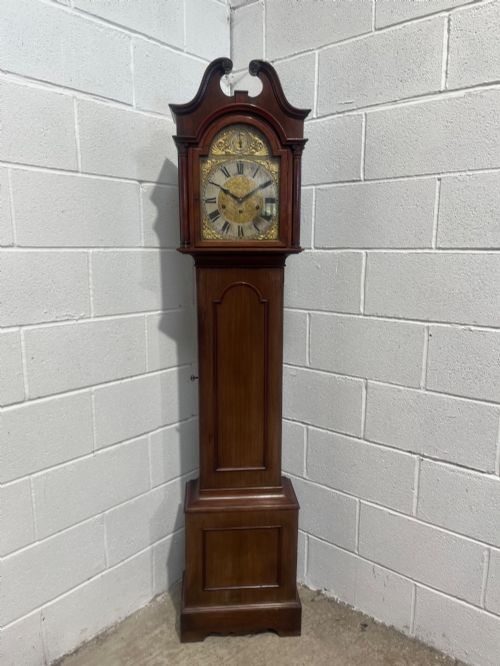
A georgian mahogany standing clock, frequently termed a longcase or grandfather clock, stands tall on the floor to house a weight-driven movement and pendulum. The examples encountered here span the eighteenth and nineteenth centuries, taking the form of substantial tall-case timepieces from English and Scottish makers.
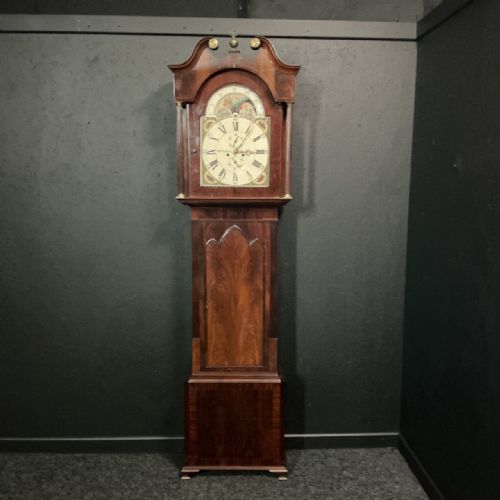
The timber casing typically employs rich mahogany or flame mahogany, sometimes enhanced by inlay, enclosing a dial of painted iron, brass or enamel. Regional variations appear across the pieces, from London workshops to Scottish burghs like Montrose and Edinburgh, displaying local preferences in hood design and dial layout.
Materials and Construction
Cabinetmakers constructed the tall floor cases primarily in mahogany and flame mahogany, often incorporating secondary timbers such as oak, while metalworkers shaped brass, steel and iron for the intricate interior movements and dials.
Dial faces combined brass chapter rings with engraved details, or utilised painted iron and enamel to show the hours, minutes and frequently lunar phases via moon rollers or moon dials.
Georgian Mahogany Standing Clock Retail Price Guide 2026
Typical asking prices for georgian mahogany standing clock among the pieces listed under this phrase on Sellingantiques today, from the lower quarter to the upper quarter. They describe what is for sale here now, not the wider market.
Several Scottish clocks record local makers in distant burghs, ticking faithfully on after two centuries of domestic life.
Distinctions in Execution
The refinement of a clock rests in the crispness of the cabinetwork, where figured flame mahogany and subtle inlay demonstrate superior joinery over plain carcases.
Movement sophistication also separates examples, as eight-day durations, strike-silent mechanisms and signatures from notable regional or London clockmakers indicate higher standards of horology.
Charles Shuckburgh·Hendrie Ogg·D. Straiton·Benjamin Taylor·Edward Shepley·Matt Wylie·Joseph Gibson·Thwaites·John Denbigh
The Georgian Mahogany Standing Clock Glossary
- Longcase clock
- A tall freestanding pendulum clock enclosed in a wooden case, commonly called a grandfather clock. It stands directly on the floor and houses weights suspended by cords or chains.
- Moon dial
- A specialised clock face displaying the lunar phases through a rotating disc behind an aperture. This feature tracked the tides and phases of the moon for agricultural and domestic utility.
- Strike-silent
- A mechanism allowing the clock's striking train to be disengaged so it does not sound the hours. It proves useful in domestic spaces where chimes might disturb sleep.
- Flame mahogany
- A veneer cut from the branch forks of the mahogany tree, displaying a distinctive feather-like or flickering grain pattern. Cabinetmakers used it on prominent surfaces for visual impact.
- Paterae
- Small circular ornamental reliefs carved or inlaid into furniture surfaces, often resembling a stylised rosette or classical disc. They appeared frequently on neoclassical furniture and clock hoods.
Georgian Mahogany Standing Clock: Frequently Asked Questions
How do I wind an 8 day longcase clock?
Use the winding key to slowly draw up the weights inside the waist door, turning clockwise until resistance meets you. Take care not to overwind the movement.
Ensure the pendulum hangs plumb before setting the hands forward to the correct time, moving only in a clockwise direction.
Where should I place a grandfather clock?
Position the case against an interior wall away from direct sunlight, heating vents and dampness to protect the mahogany timber and internal steel components.
Level the base carefully on a firm floor so the pendulum swings evenly and the escapement ticks with a regular, balanced beat.
How do I tell an 18th century clock from a 19th century one?
Examine the dial materials and construction methods, as earlier examples often feature brass dial plates with cast brass spandrels in the corners. Painted iron dials became more prevalent towards the turn of the nineteenth century.
Cabinet proportions and secondary woods also offer clues, with earlier cases showing different carcase construction techniques compared to Victorian or Edwardian revivals.
Why does my clock have a moon roller?
The revolving painted disc tracks the twenty-nine and a half day lunar cycle behind a shaped cut-out in the arch of the dial. In past centuries this assisted with scheduling travel, farming tasks and evening outings around the full moon.