
Georgian Standing Clock
A georgian standing clock anchors a room with steady mechanical rhythm, bringing tall wooden proportion and brass dial work into domestic life.
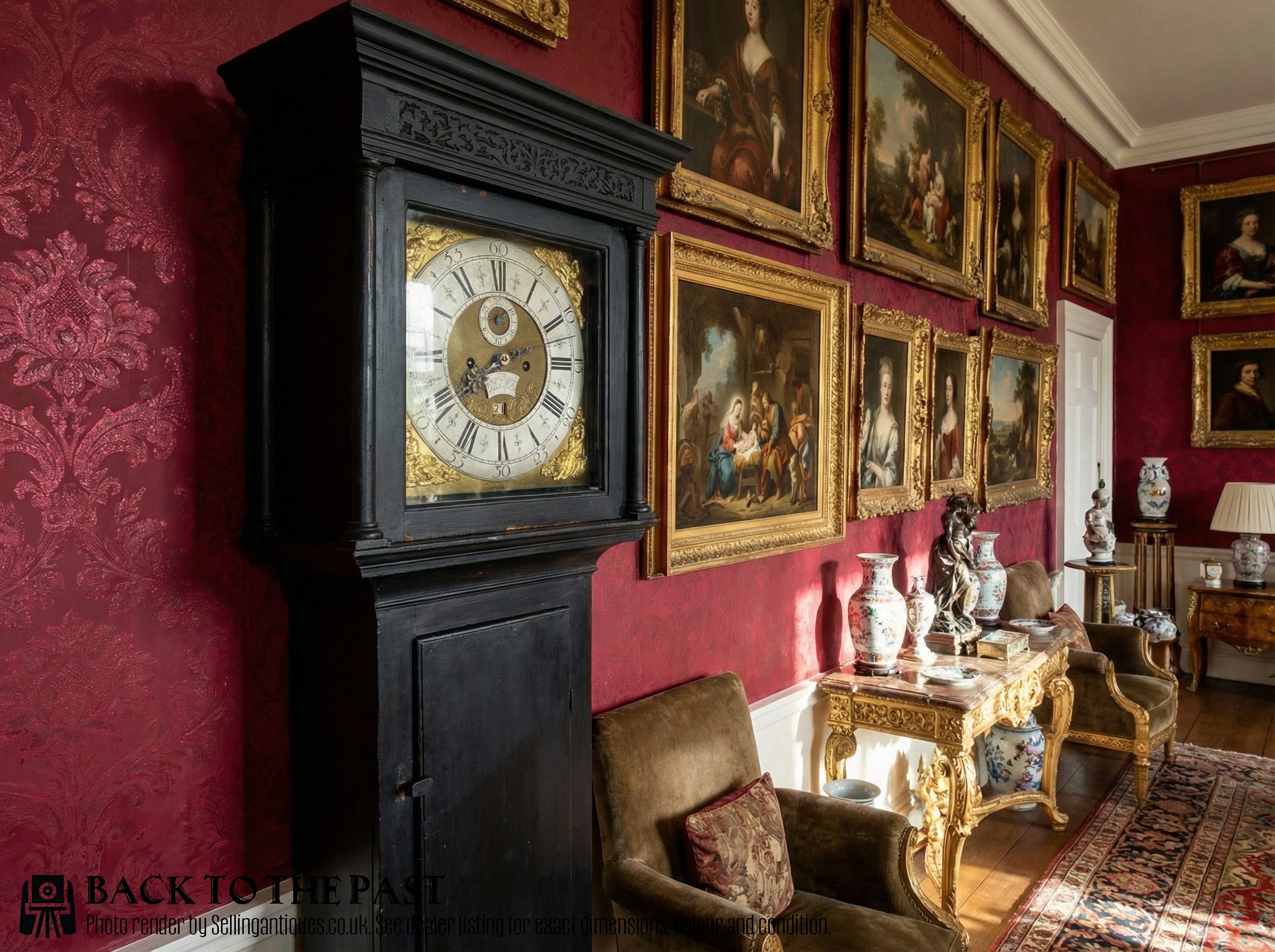
Georgian Standing Clock
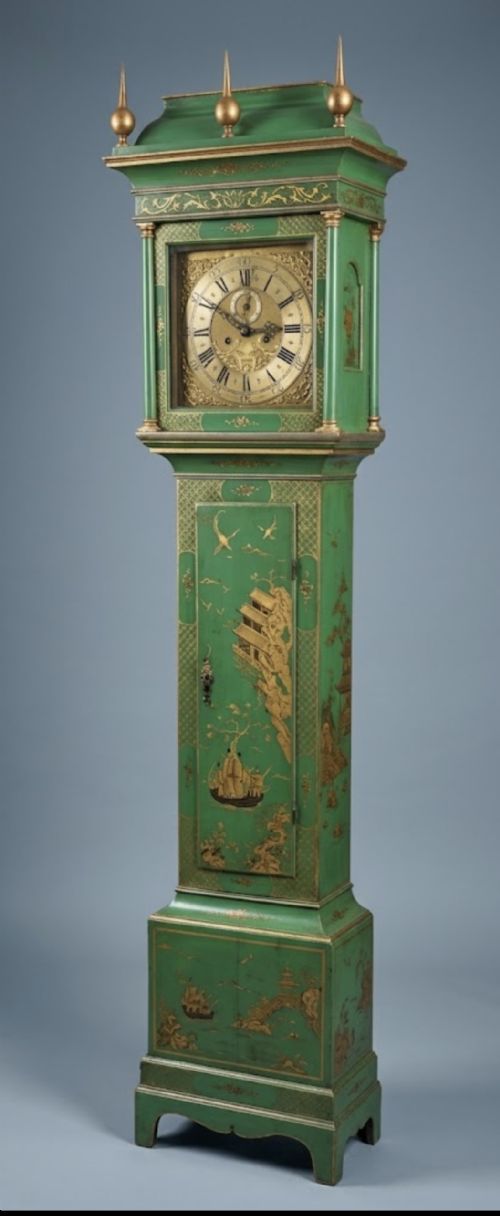
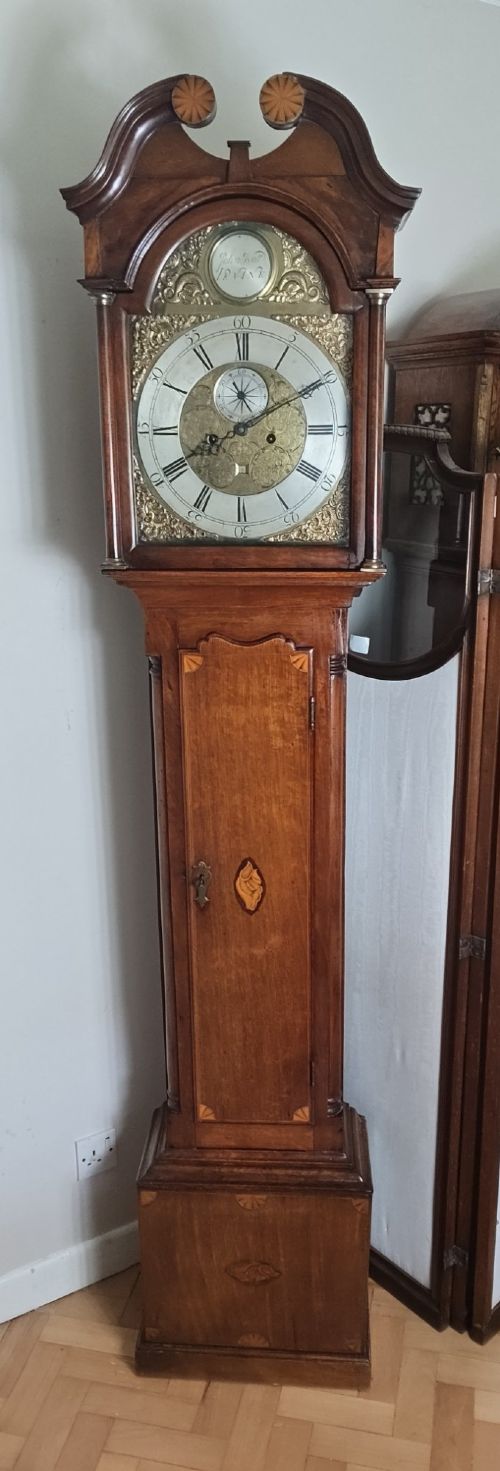
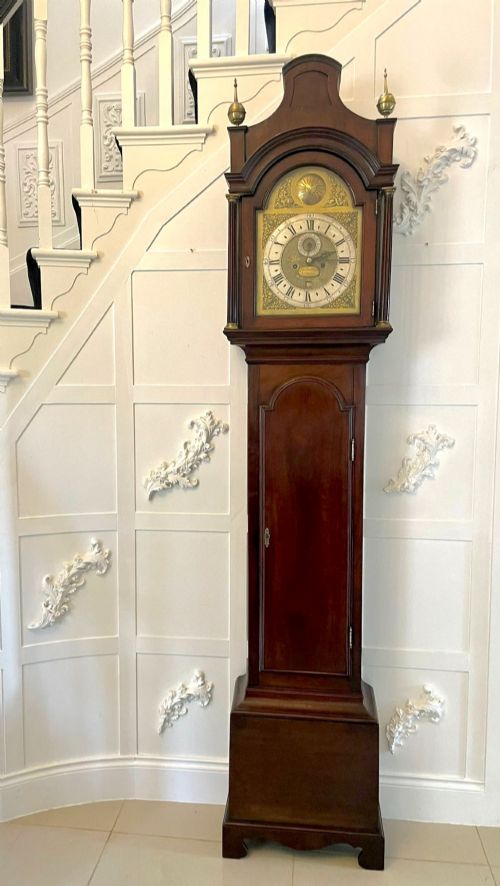
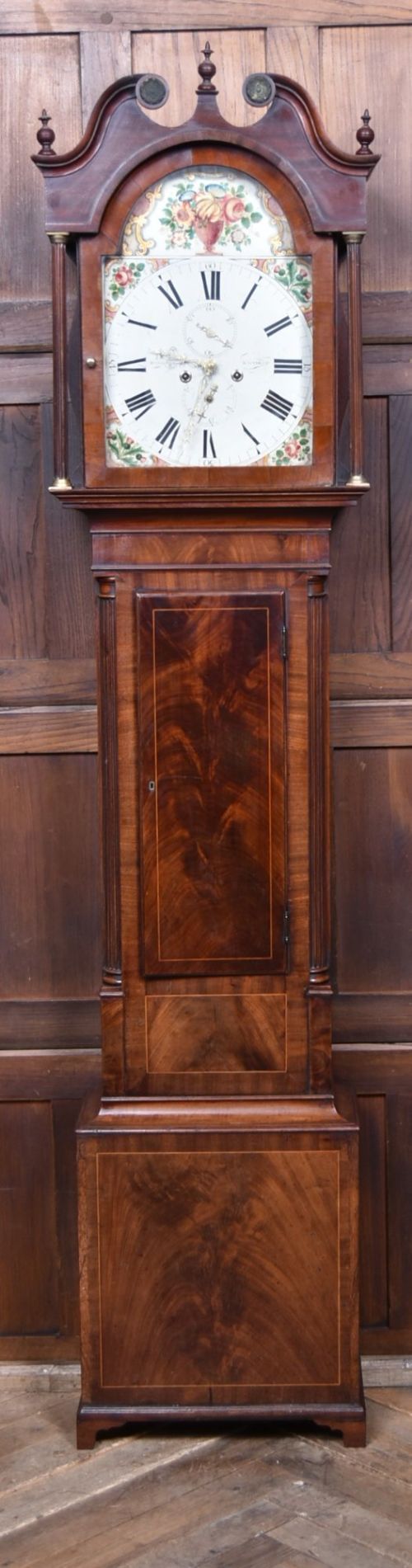
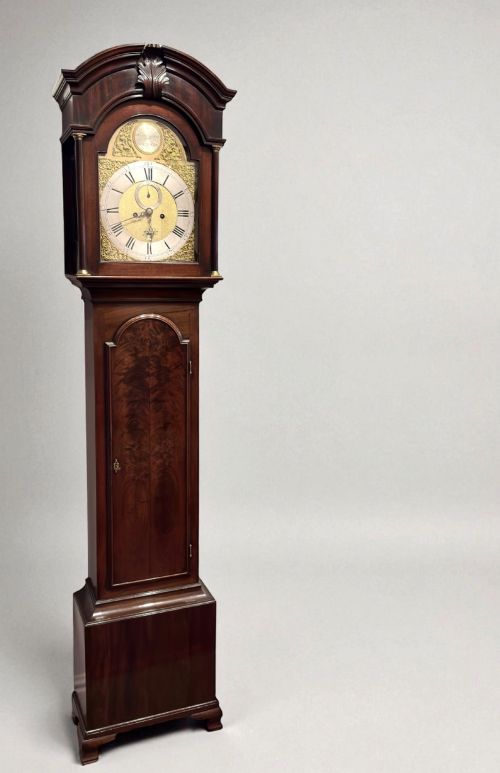
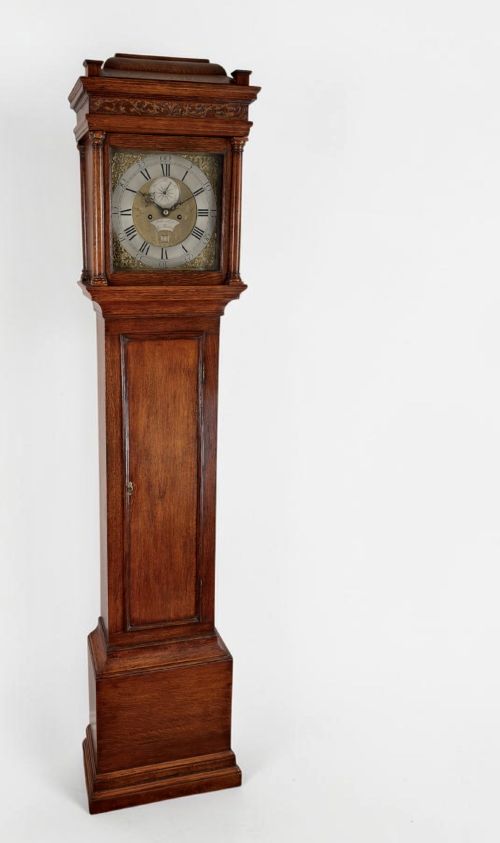
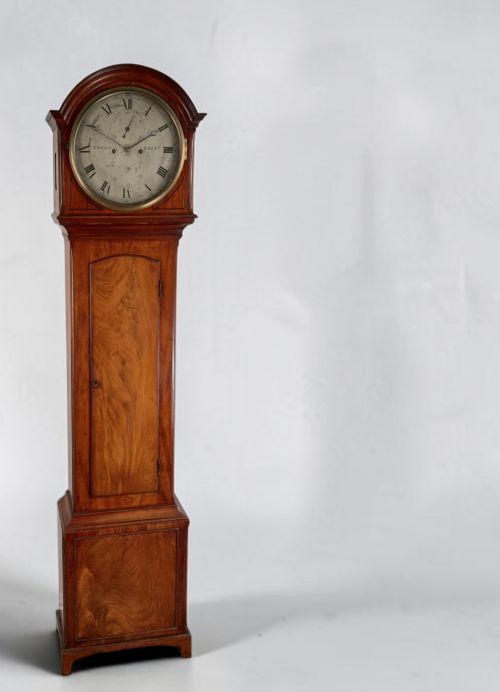
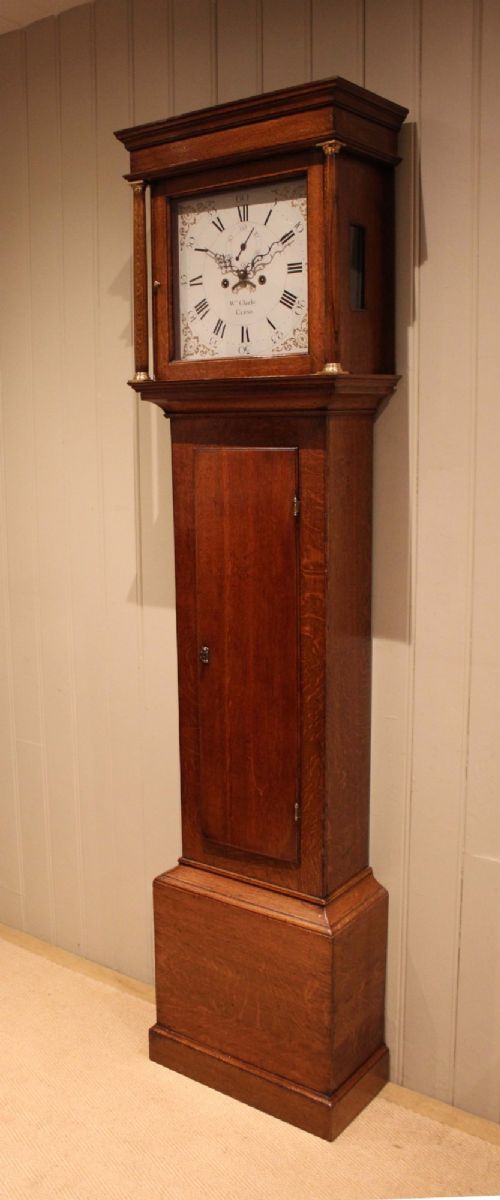
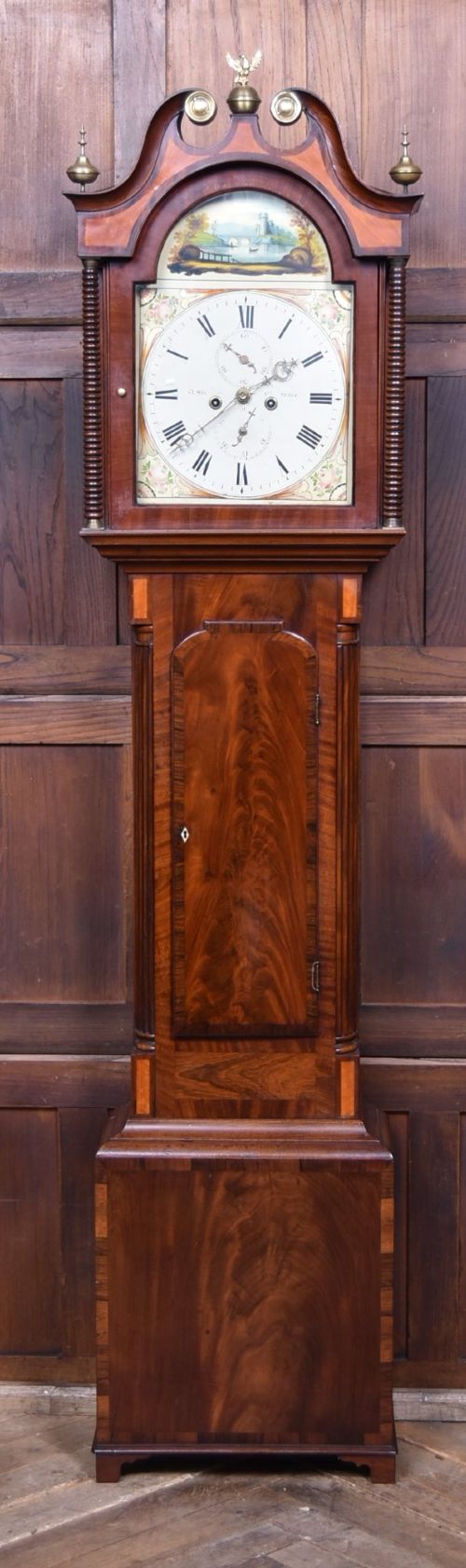
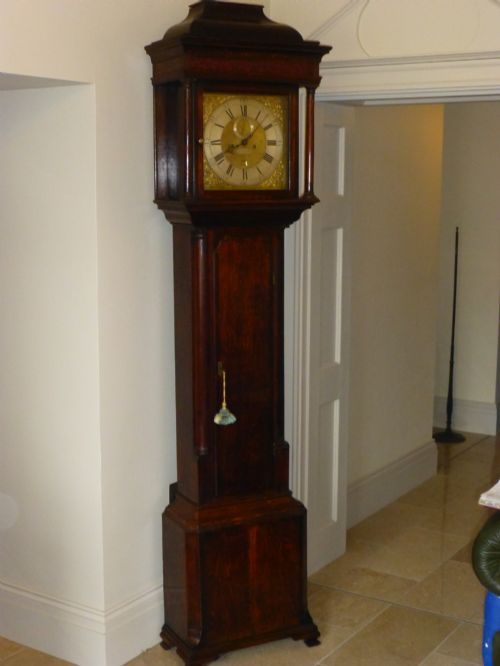
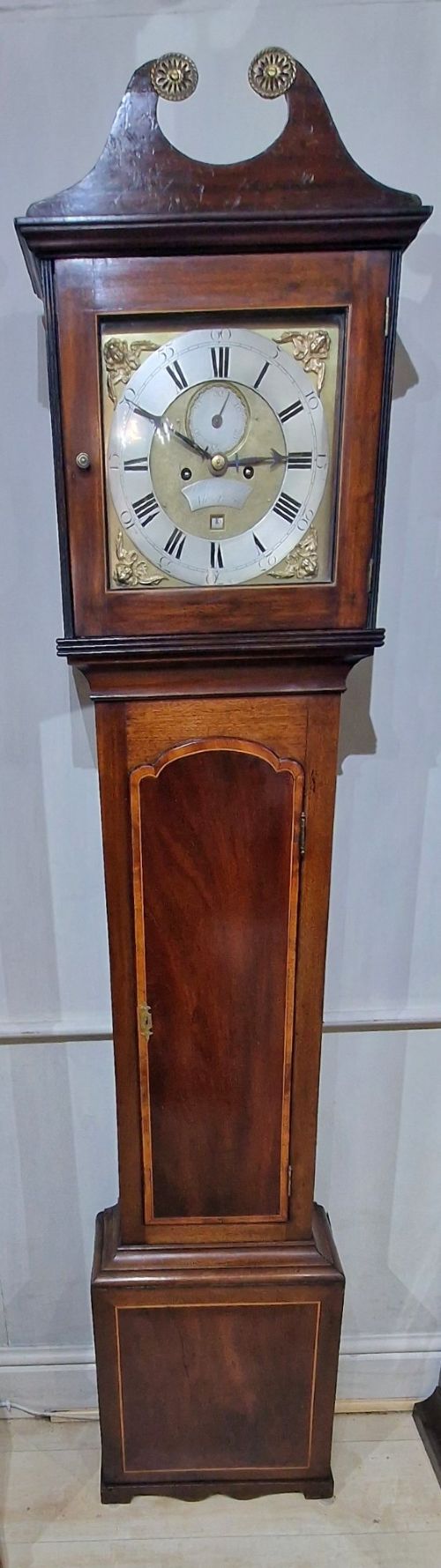
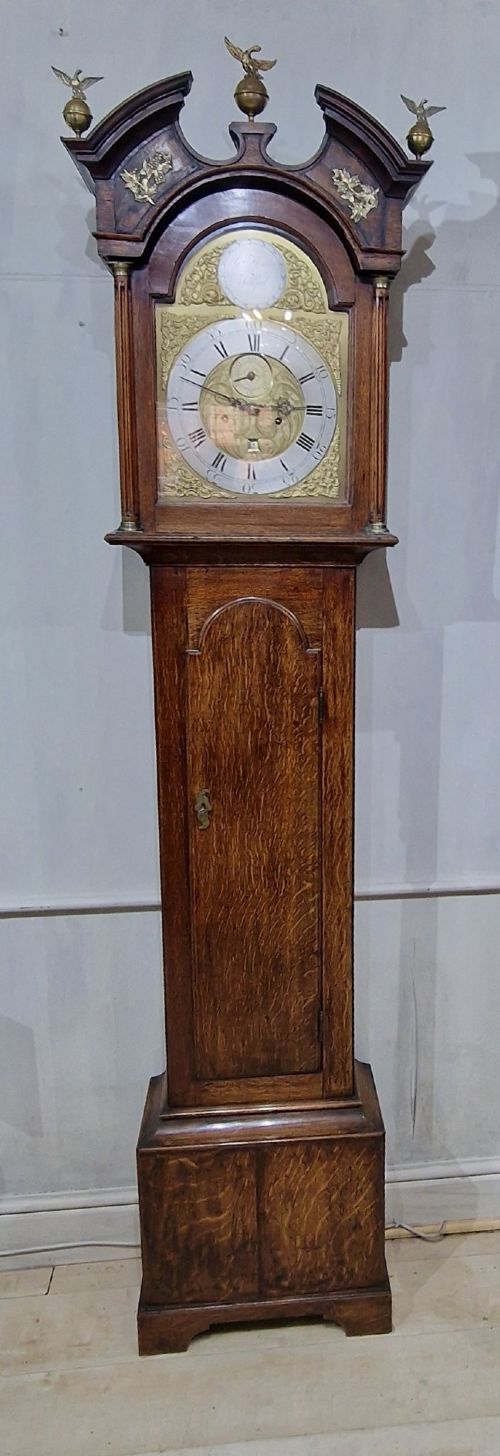
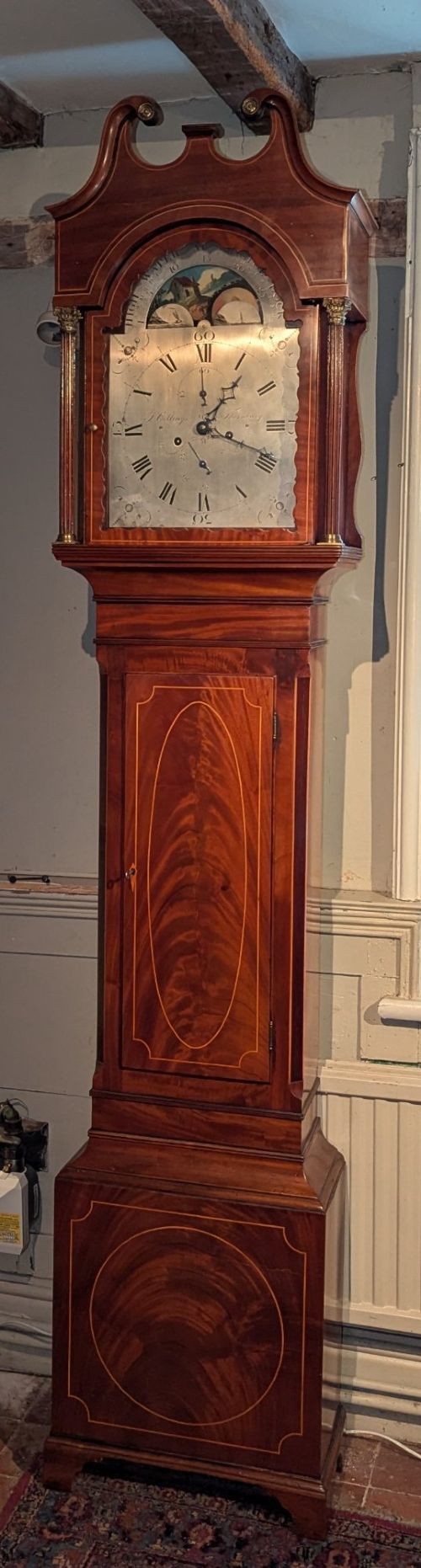
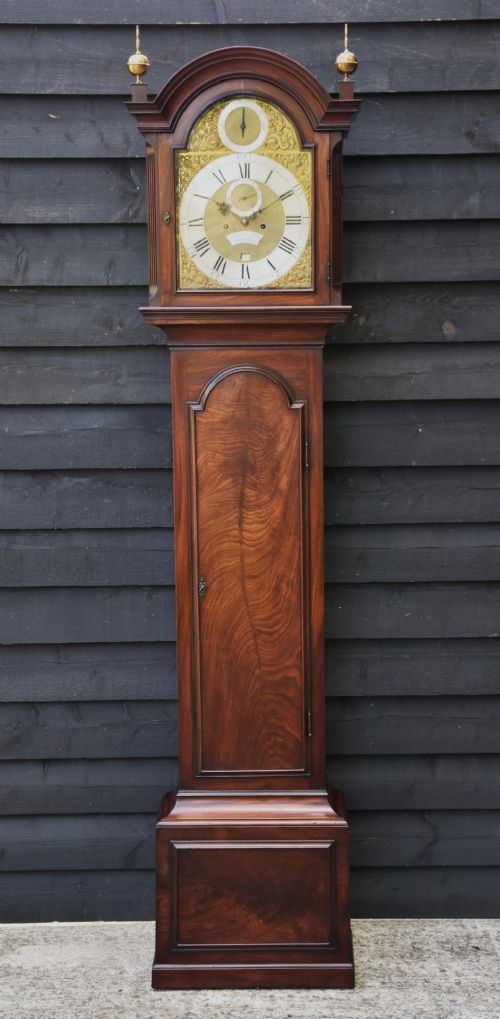
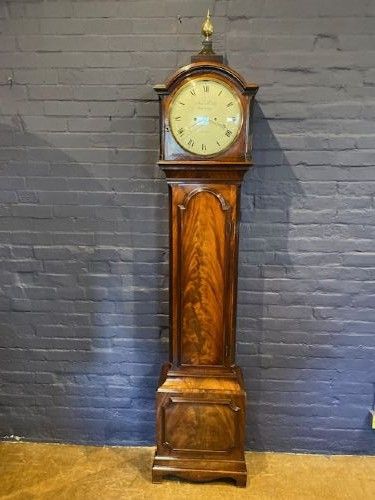
A georgian standing clock encompasses longcase clocks, grandfather clocks, and smaller scaled grandmother variants seen across this selection. Buyers find these tall timepieces housed primarily in mahogany and oak, with walnut and lacquered finishes appearing alongside standard timber builds.
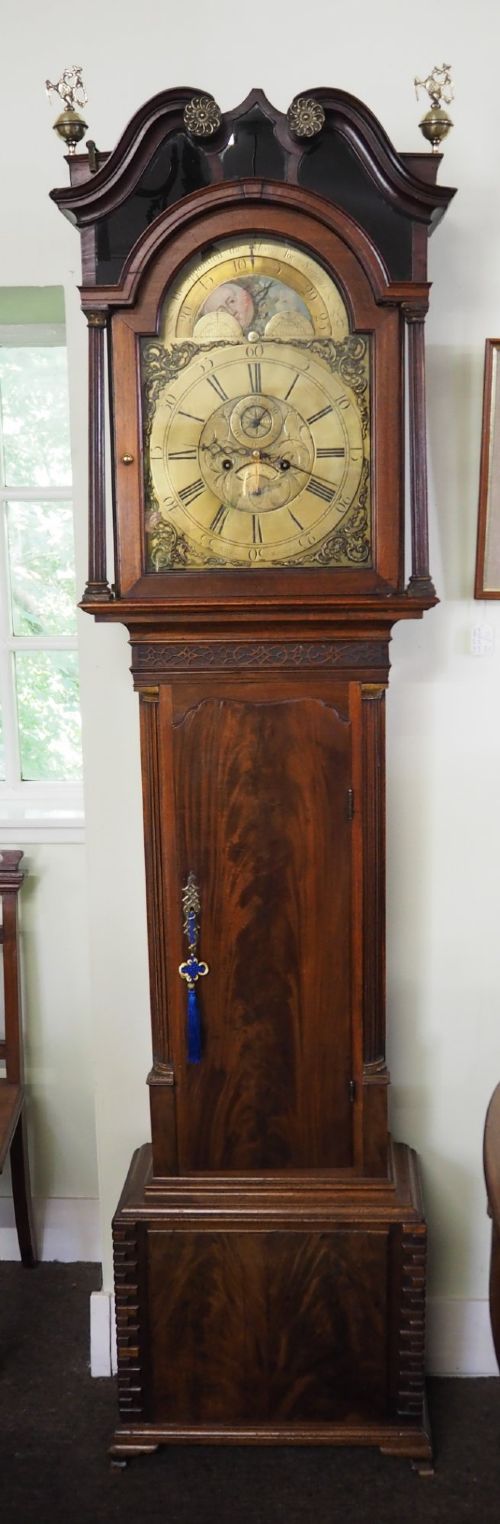
The dominant examples on this page date from the eighteenth century and the broader Georgian period, though nineteenth-century iterations and later revival pieces also occur. Dial sizes range from compact provincial faces to grand London instruments fitted with moon rollers and striking mechanisms.
Materials and construction methods
Cabinetmakers constructed the tall wooden cases using solid timbers and veneers such as mahogany, oak, and burr walnut, frequently incorporating inlay and paterae details. These dense woods protected the intricate brass and steel movements housed within the trunk and hood.
Horologists built the interior movements with brass plates and steel wheels, pairing them with painted iron or engraved brass dials. Lead or iron weights suspended on lines or chains drove the gear trains, regulated by a swinging pendulum.
Georgian Standing Clock Retail Price Guide 2026
Typical asking prices for georgian standing clock among the pieces listed under this phrase on Sellingantiques today, from the lower quarter to the upper quarter. They describe what is for sale here now, not the wider market.
Listings feature eighteenth-century and nineteenth-century pieces alongside Edwardian and twentieth-century revivals, housed primarily in mahogany, oak, and walnut.
Evaluating craftsmanship and proportion
Quality separates cases with harmonious proportions, finely figured flame mahogany veneers, or crisp japanned lacquer work from utilitarian workshop builds. Superior examples display meticulous attention to cabinet joinery and sophisticated dial engraving by named makers.
Mechanical complexity also divides the standard pieces from the exceptional. Eight-day movements, strike silent functions, moon phases, and musical quarter-chiming cylinders represent higher tiers of horological ambition.
John Fielder of Alton·Charles Shuckburgh London·Hendrie Ogg Dunfermline·Gordon of Aberdeen·Lee of Great Marlow·Green of Edinburgh·D Straiton Montrose·Richard Corless of Stockport·James Hendrie Falkirk·James McCabe·Benjamin Taylor·Windmills and Wightman London·W Williams of Crickhowell·Henry Weedon London
The Georgian Standing Clock Glossary
- Longcase clock
- A tall pendulum clock enclosed in a wooden case standing directly on the floor. These instruments measure time through gravity-driven weights.
- Grandfather clock
- A colloquial term for a standard longcase clock of substantial height. The phrase gained popular currency long after the eighteenth-century heyday of these pieces.
- Grandmother clock
- A miniature version of the longcase clock, typically built with more compact proportions. They emerged more frequently in later twentieth-century revivals.
- Moon dial
- A specialised clock face mechanism tracking the lunar cycle via a rotating painted disk. This complication appeared on better provincial and metropolitan clocks.
- Strike silent
- A mechanical mechanism allowing the clock owner to silence the hourly chime without stopping the timekeeping train. This function suited bedrooms and quiet spaces.
Georgian Standing Clock: Frequently Asked Questions
How do I wind a longcase clock safely?
Open the waist door to access the weights, then use the winding key on the winding holes in the dial face. Turn the key steadily until the weight rises to its correct operating height.
Avoid pulling the chains or cords directly by hand to lift the weights, as this can damage the internal drum and gear teeth. Ensure the pendulum remains undisturbed while attending to the weights.
Where should I place a standing clock in my home?
Position the tall case against an interior wall away from direct sunlight, central heating vents, and damp exterior stone surfaces. Stable ambient temperatures prevent timber warping and movement contraction.
Set the case upon a firm, level floor surface so the pendulum swings with an even beat. Secure the upper hood or trunk to the wall brackets if the household has pets or active children.
How do I distinguish an eighteenth-century clock from a later revival?
Examine the timber construction methods inside the trunk, looking for hand-cut dovetails, peg fixings, and secondary woods consistent with early workshop practice. Original brass movements often bear the signature engravings and hand-finished pillar designs of period makers.
Check the dial construction for signs of later marriage between movement and case, as parts were occasionally swapped over centuries of domestic use. Revival pieces from the twentieth century typically reveal modern machinery and standardised internal components.