


Antique Eight Day Clock
An antique eight day clock offers dependable timekeeping through an independent weight or spring driven movement requiring winding just once a week.
What an antique eight day clock is
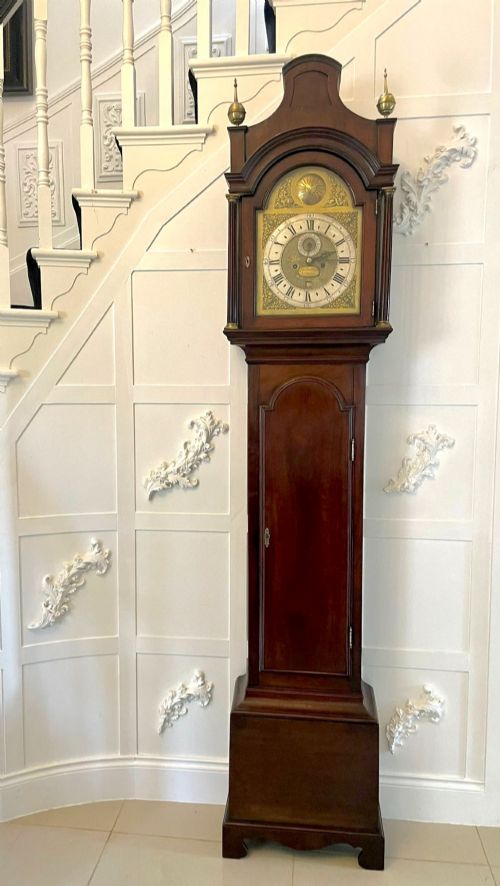
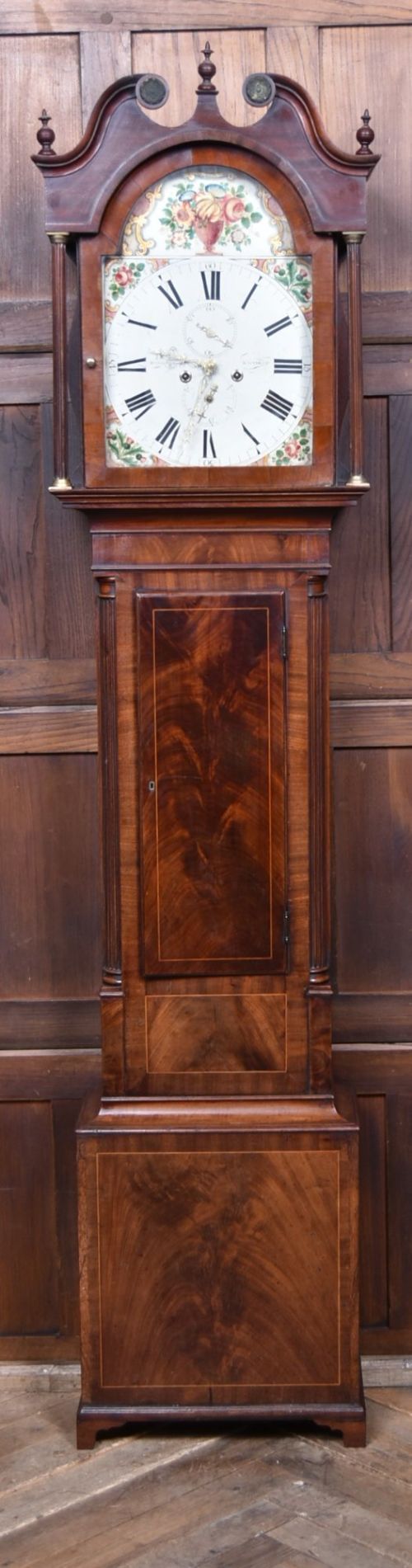
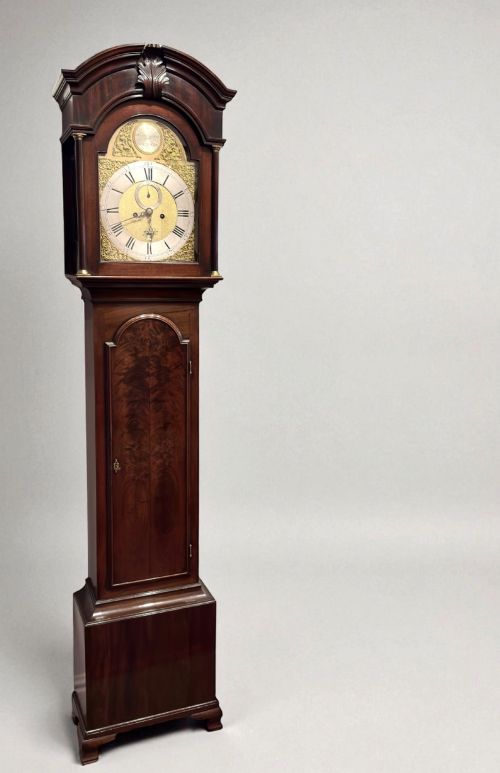
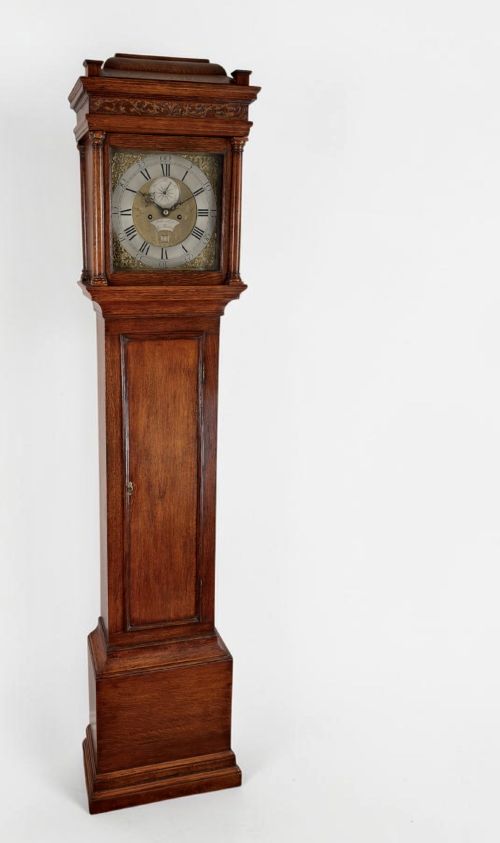
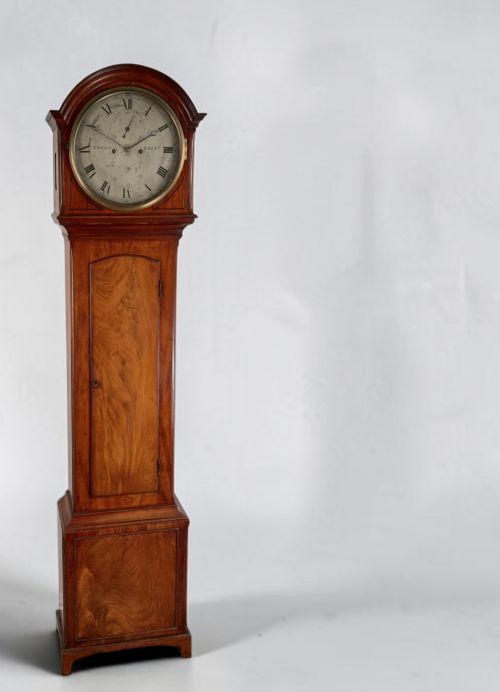
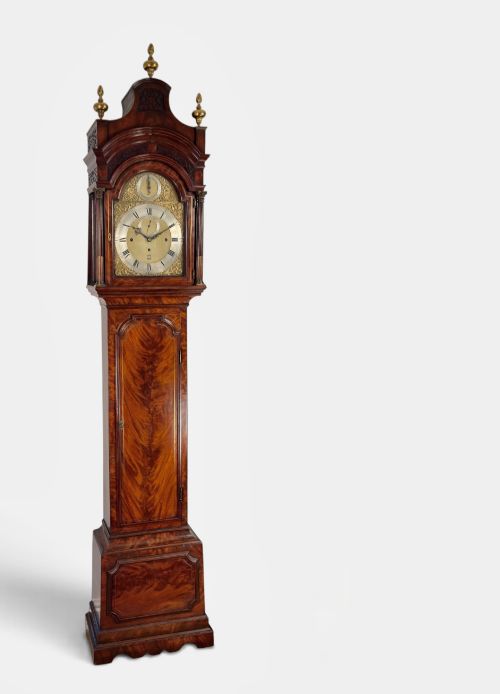
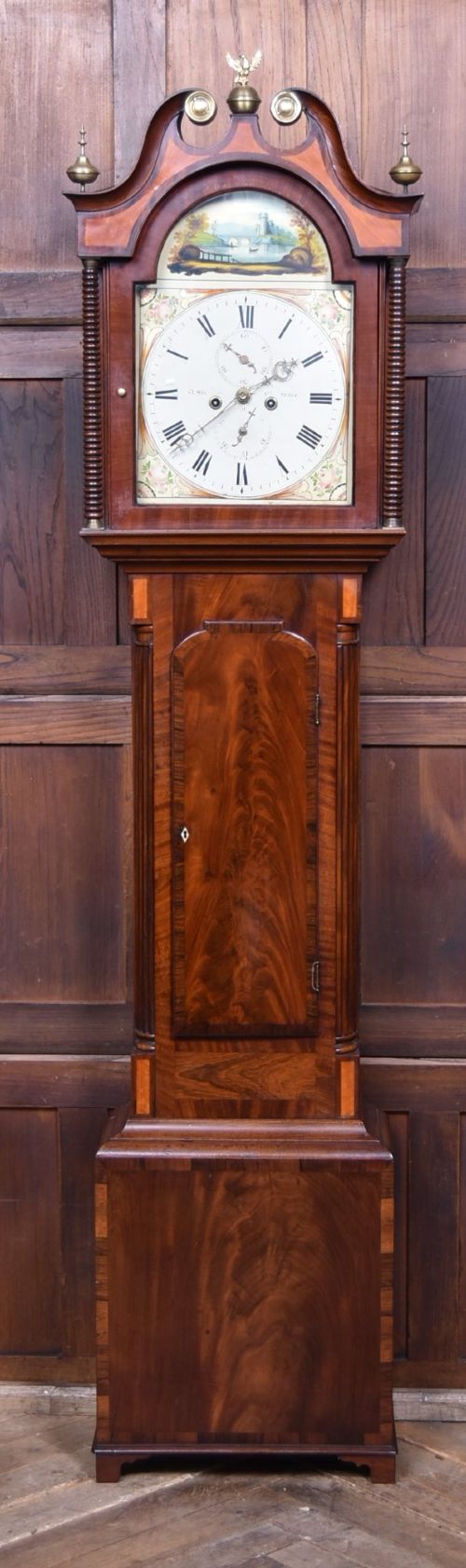
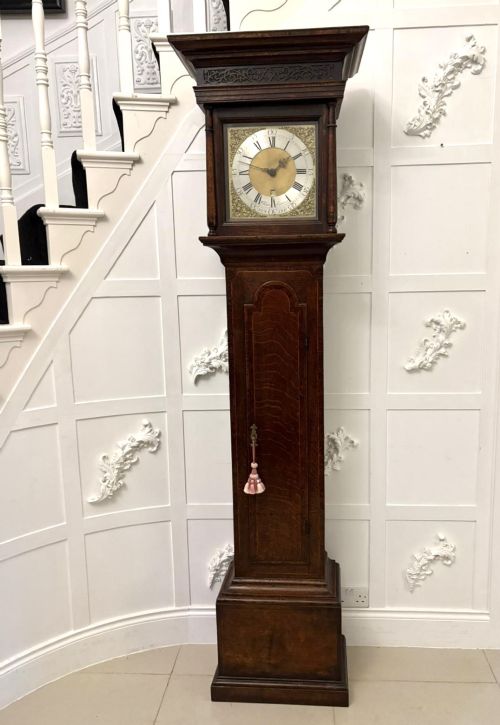
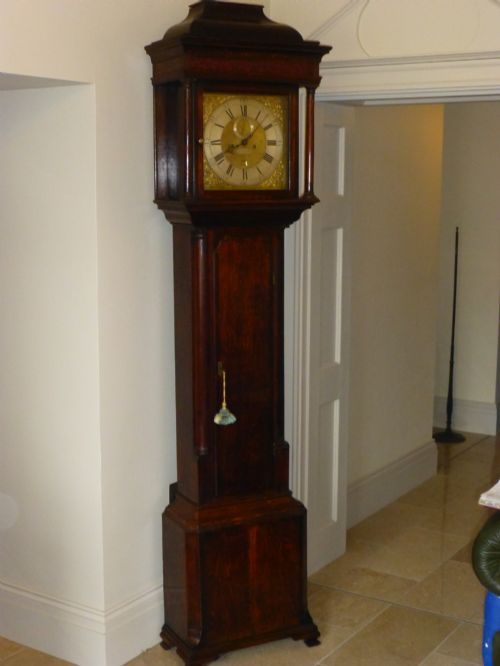
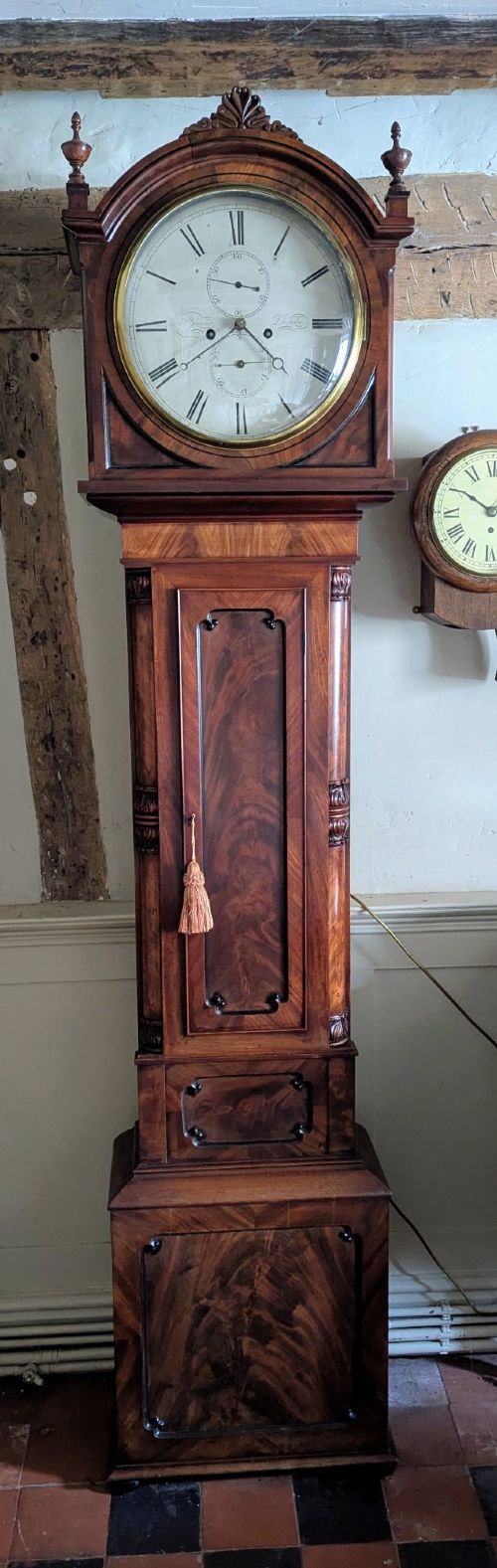
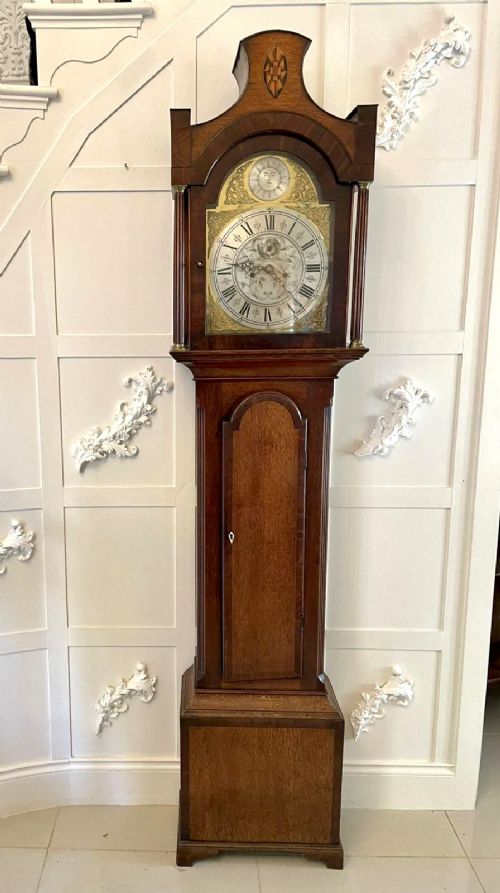
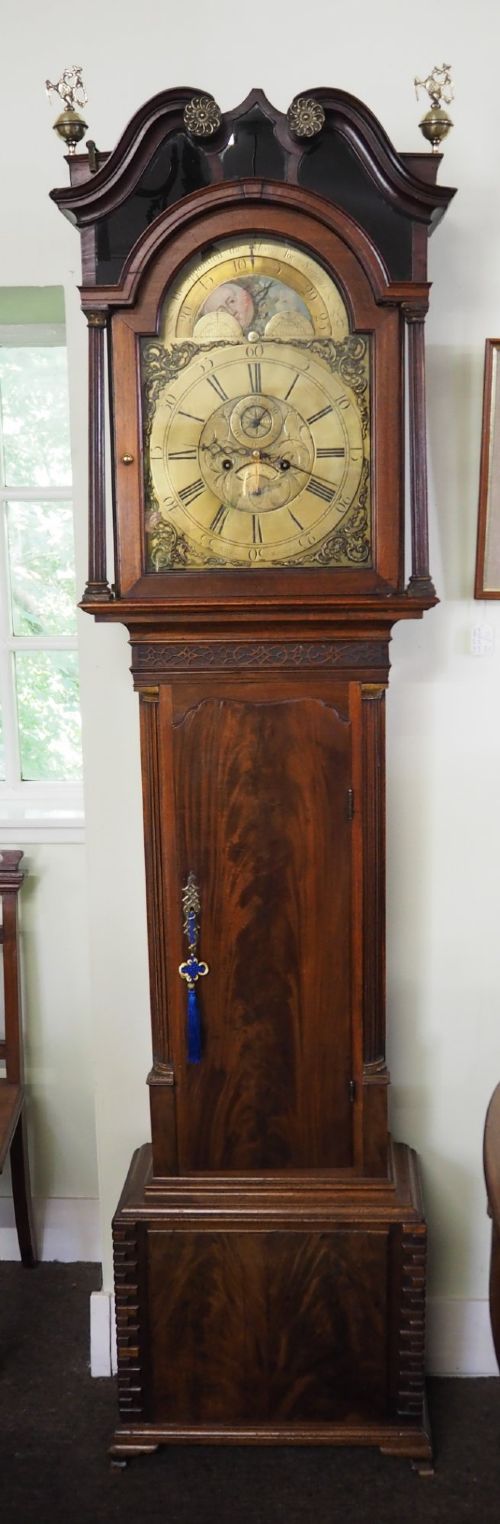
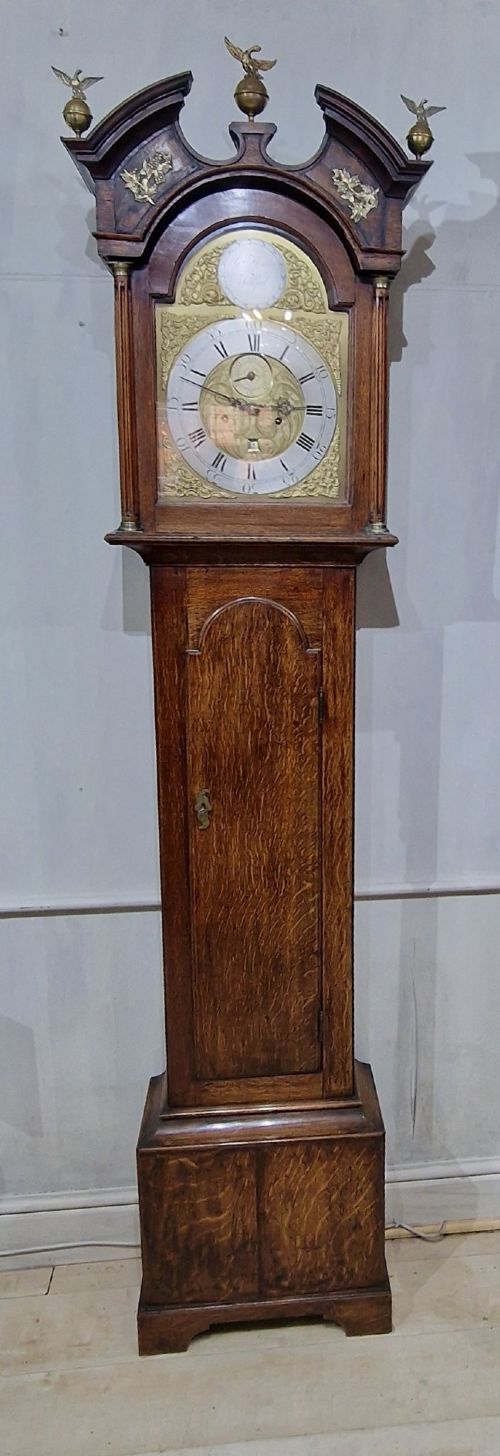
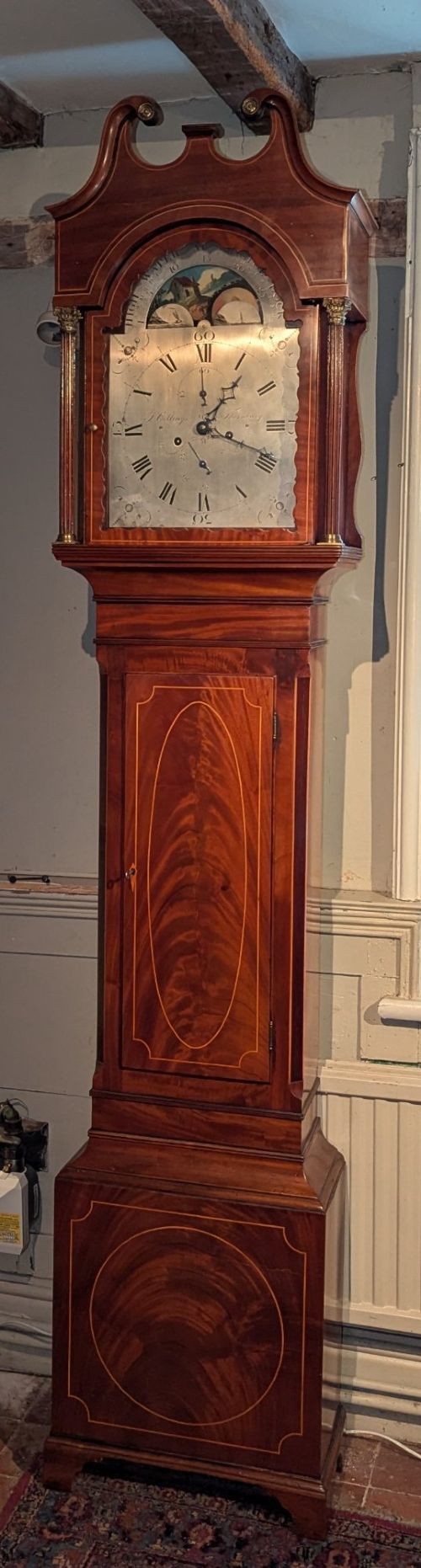
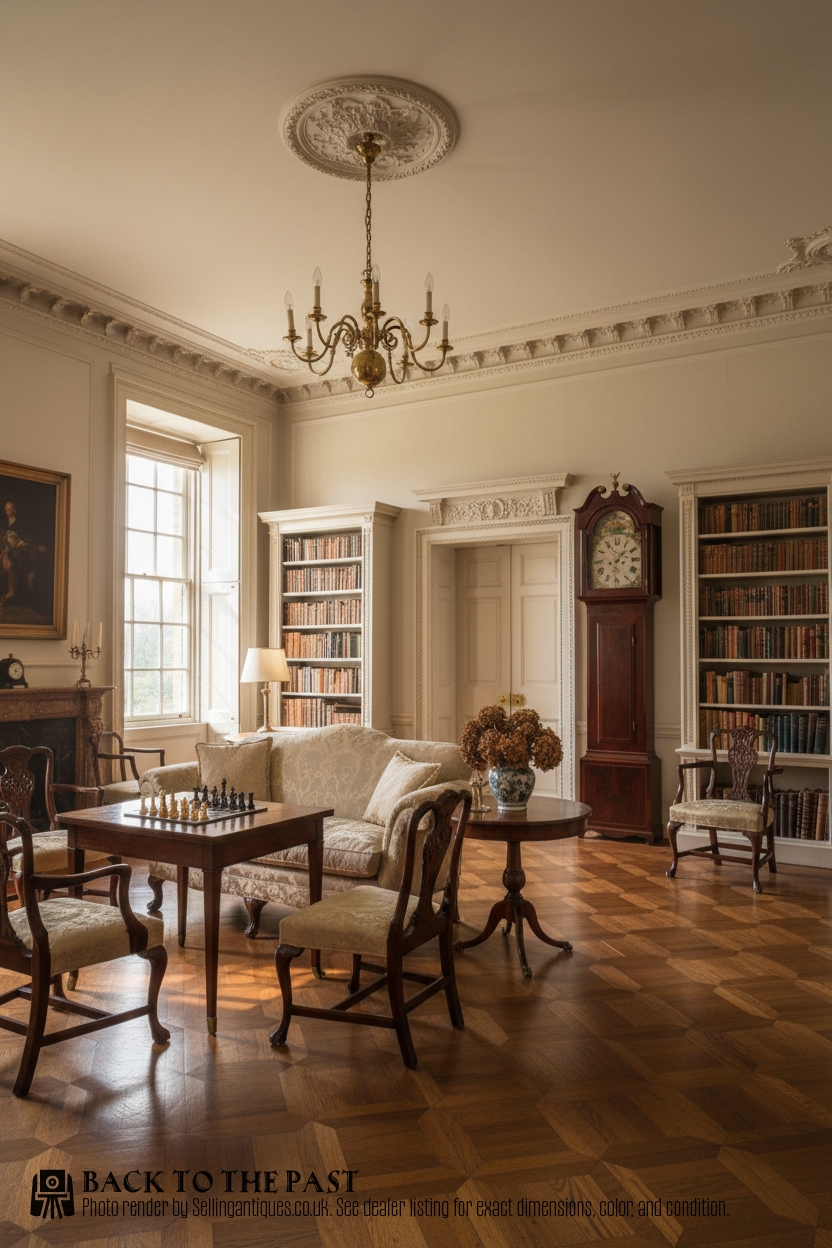
When you search for an antique eight day clock, you encounter tall longcase clocks, architectural mantel pieces, and smaller carriage or wall formats. These timepieces span the Georgian period, the nineteenth century, and nineteen hundred, reflecting evolving domestic habits and interior tastes.
The evidence shows tall longcase clocks in oak and mahogany alongside smaller Victorian mantel clocks in marble, slate, bronze, and rosewood. Domestic spaces accommodated these diverse forms, from grand hallway longcase pieces to smaller mantel clocks designed for principal rooms.
Materials and construction
Maker workshops utilised solid timbers including oak, mahogany, rosewood, and ebonised wood alongside architectural stones like black slate and marble. Cases often featured intricate marquetry inlay, brass accents, and glass viewing panels to protect the internal brass movements.
Movements relied on complex brass gear trains, escapements, and pendulum or balance wheel regulation. Dial faces incorporated engraved brass, painted scenes, or enamel chapter rings, while cabinetmakers constructed wooden housings with precise joinery.
Retail Price Guide 2026
Typical UK retail prices for eight day clock, calculated from the Sellingantiques database of over a million retail prices indexed since 2003. This retail price guide relies exclusively on Sellingantiques data; no external sources or auction records are used, so the figures do not describe the wider market.
Listings feature movements housed in oak, mahogany, rosewood, marble, slate, and brass across longcase, mantel, wall, and carriage formats.
Defining quality in these timepieces
Superior examples demonstrate meticulous cabinetwork with well-figured mahogany or oak veneers, precise marquetry, and heavy cast brass mounts. The articulation of the dial and the refinement of the interior brass movement separate ordinary production from finer workshop output.
The presence of signed dials, auxiliary chimes, or specialised French movements indicates higher ambition by the maker. Structural integrity of the case and the original harmony between dial, movement, and housing dictate the standing of individual pieces.
John Denbigh Merton Park·R Stewart of Glasgow·P L Hausburg Paris·Ganz of Swansea·Lours of Puiseaux
The Antique Eight Day Clock Glossary
- Longcase clock
- A tall freestanding timepiece housed in a wooden case with a pendulum and weights. These tall floor clocks are frequently referred to as grandfather clocks.
- Mantel clock
- A smaller domestic clock designed to sit upon a fireplace mantelpiece or shelf. These pieces often feature marble, slate, or architectural wooden cases enclosing eight day movements.
- Carriage clock
- A portable spring driven timepiece originally intended for travel. These small brass and glass clocks utilise a platform escapement.
- Grandmother clock
- A smaller, more slender version of the traditional longcase clock. They share the mechanical eight day movement of their taller counterparts.
- Chiming movement
- A mechanical mechanism that sounds bells or gongs at set intervals to mark the passage of time. These include quarter hour and Westminster chime configurations.
Frequently Asked Questions
How do I wind an eight day clock?
Winding involves inserting a key into the winding holes on the dial face and turning it clockwise until resistance is met. This action draws up the internal weights or tightens the mainsprings.
Care must be taken not to overwind the mechanism, stopping as soon as the tension increases. Most eight day clocks require this attention precisely once a week to maintain accurate timekeeping.
Where should I place a longcase clock?
Longcase clocks require a stable, dry interior location against a solid wall to prevent vibrations from affecting the pendulum swing. Hallways and landings provide traditional placement where the height can be accommodated safely.
Direct sunlight and fluctuating temperatures from radiators should be avoided to protect wooden cases in mahogany and oak from warping or cracking over time.
How do I distinguish Georgian from Victorian clocks?
Georgian clocks tend to feature classical proportions in oak or mahogany with brass dial faces and understated architectural detailing. They date from the eighteenth and early nineteenth centuries.
Victorian pieces often employ diverse materials including black slate, marble, rosewood, and bronze with heavier ornamentation, reflecting later nineteenth century revival styles and French influences.
What is a grandmother clock?
A grandmother clock is a scaled down version of the traditional tall longcase clock, standing noticeably shorter and more slender. They house full eight day movements in compact proportions.
These pieces became popular for rooms with lower ceilings where a standard grandfather clock would overwhelm the domestic scale while retaining the same mechanical complexity.