






Victorian Architectural Clock
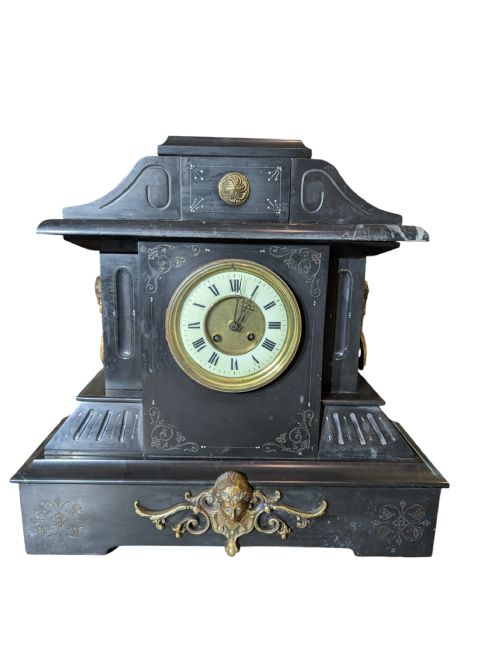
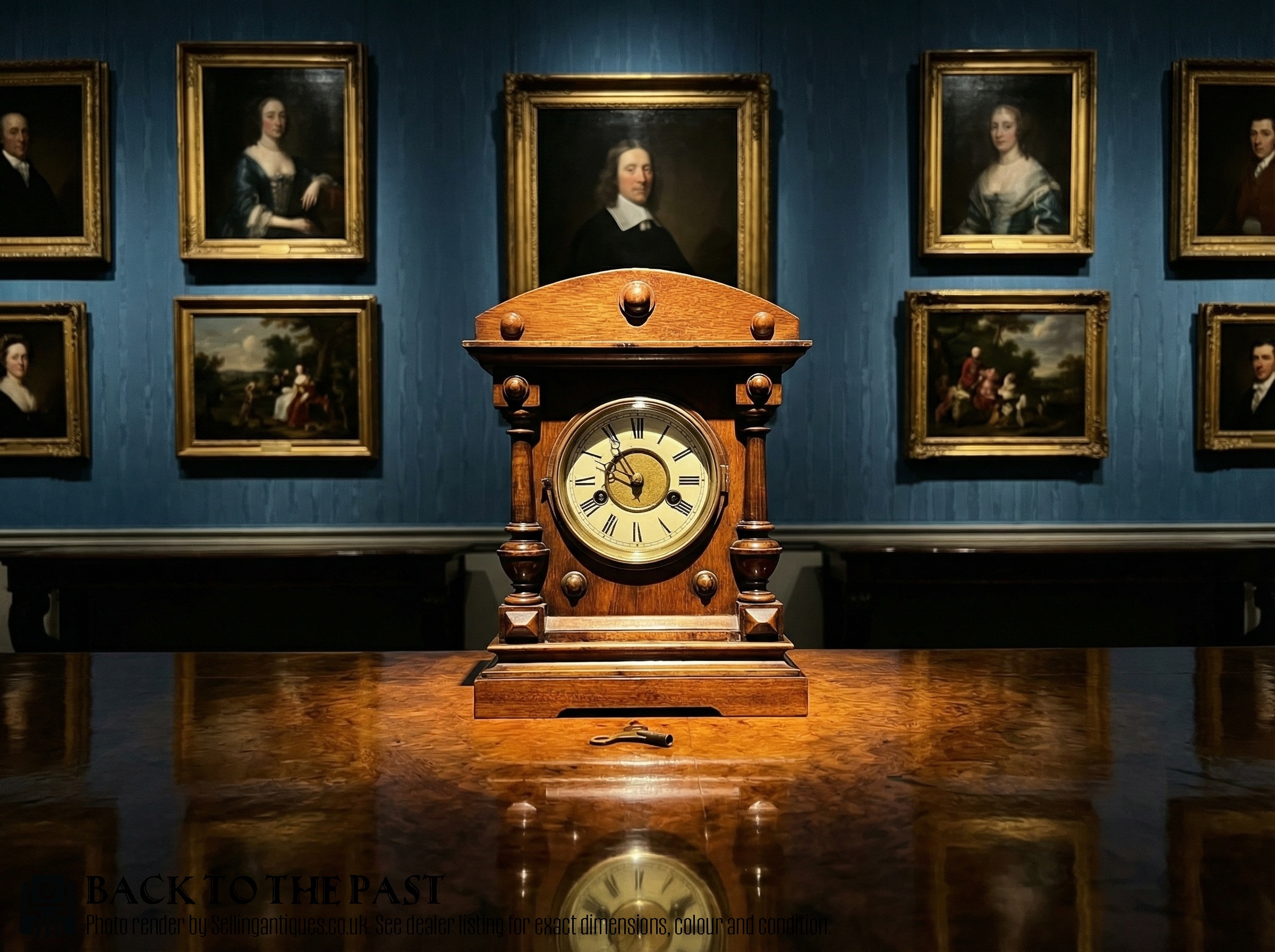
A victorian architectural clock brings heavy stone and classical form into a room, offering the weighty presence of miniature buildings.
What a victorian architectural clock is
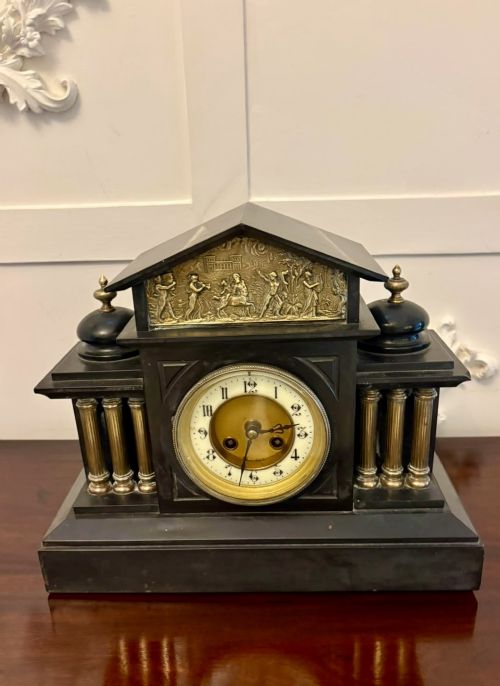
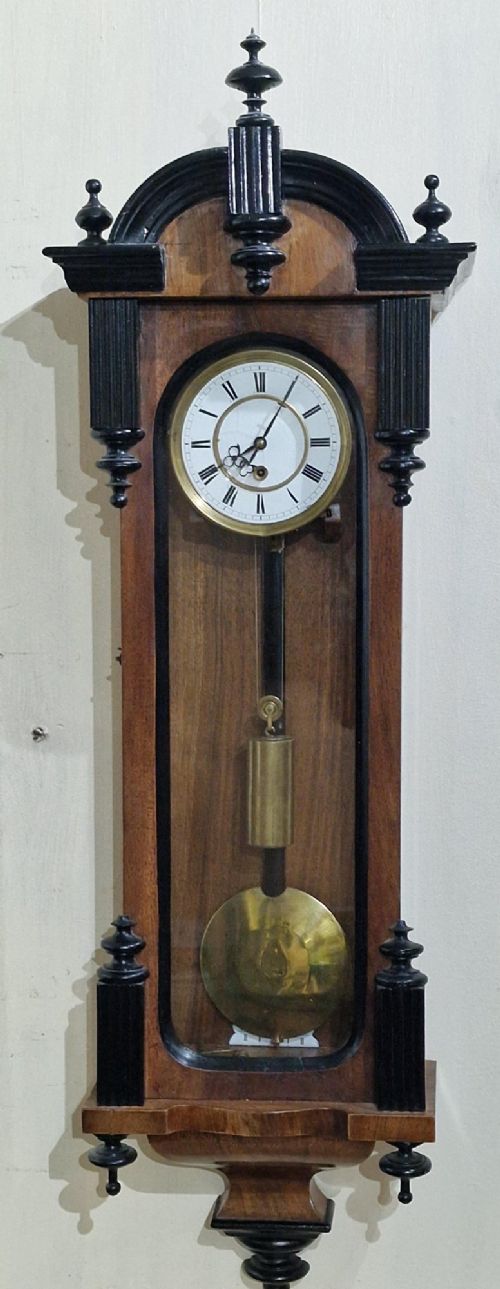
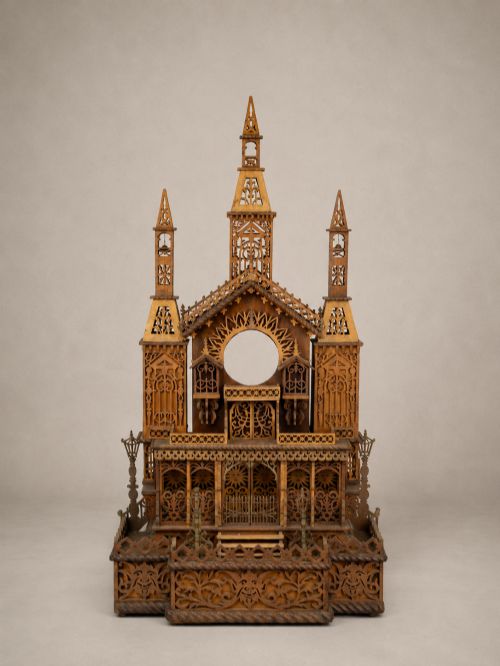
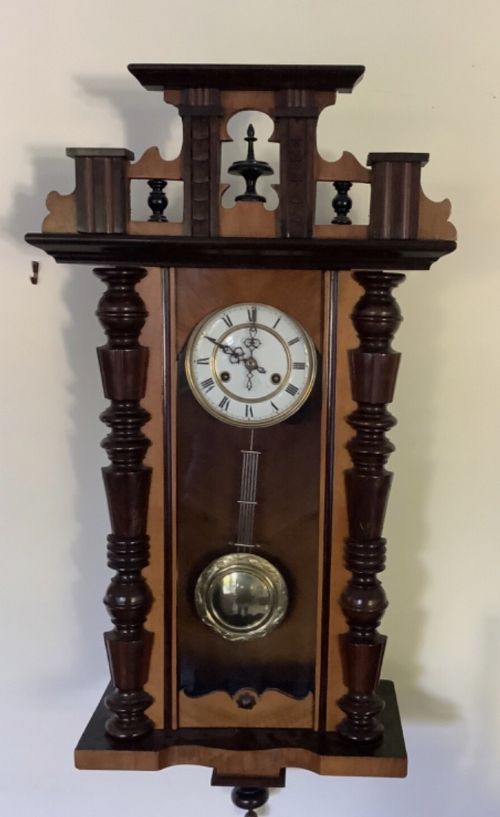
When you search for a victorian architectural clock, you are looking at substantial timepieces designed to resemble classical facades, temples, and masonry structures. These pieces draw heavily on architectural motifs, transforming functional timekeeping into miniature monuments for the mantelpiece.
The versions you are most likely to meet on this page date from the nineteenth century, spanning periods around eighteen-sixty, eighteen-eighty, and eighteen-ninety. They generally take the form of mantel clocks constructed from dense stone materials.
Makers of the period often styled these objects in classical revival manners, incorporating columns, pediments, and plinths into the clock cases. They sit squarely on surfaces, commanding attention through sheer mass and geometric rigour rather than delicate ornamentation.
How they were made
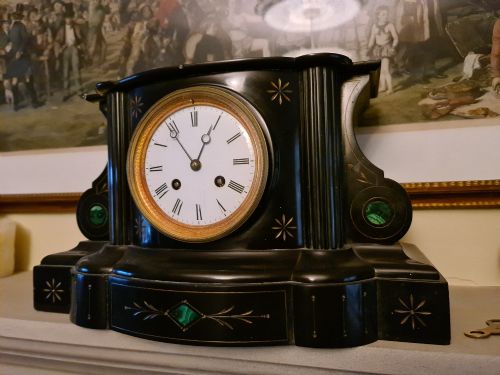
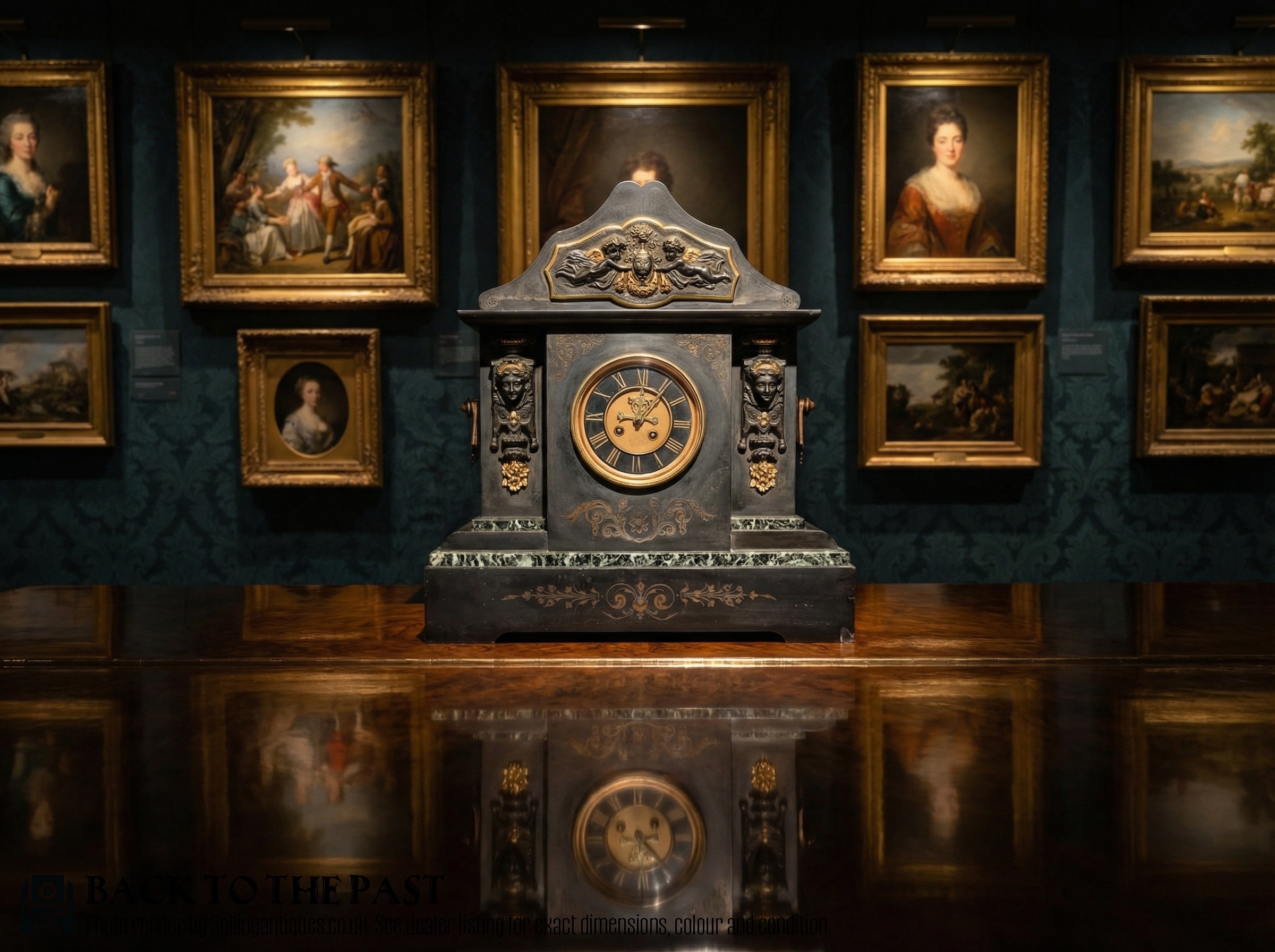
These clocks rely on heavy mineral substances for their primary cases, specifically utilising black slate, marble, and occasionally walnut or bronze mounts. Stonemasons cut and polished these materials to mimic building facades, often combining contrasting stones like black marble and malachite for visual depth.
The internal mechanics house eight-day movements that drive enamel dials behind protective glass bezels. Metal components such as brass are integrated into the bezels, dials, and structural mounts to complement the heavy stone housings.
Retail Price Guide 2026
Typical UK retail prices for victorian architectural clock, calculated from the Sellingantiques database of over a million retail prices indexed since 2003. This retail price guide relies exclusively on Sellingantiques data; no external sources or auction records are used, so the figures do not describe the wider market.
Some mantel clocks weigh so much they double as impromptu doorstops if left too close to a draughty hallway.
What varies in quality
The distinction between the top of the range and simpler examples lies in the ambition of the stonemasonry and the integration of secondary materials. Finer specimens incorporate complex architectural assemblies, such as distinct marble columns, bronze mounts, and contrasting panels of malachite.
Movements also set pieces apart, with higher quality examples housing sophisticated eight-day mechanisms often bearing maker signatures like Philippes Paris. The crispness of the enamel dial lettering and the precision of the stone joints separate standard production from exceptional workshop output.
Philippes Paris
The Victorian Architectural Clock Glossary
- Mantel clock
- A clock designed to sit on a shelf or mantelpiece above a fireplace. These domestic timepieces form the core category of the architectural style.
- Slate
- A fine-grained metamorphic rock commonly used for the heavy bodies of these clocks. Its dark, uniform surface allowed craftsmen to achieve sharp architectural lines.
- Enamel dial
- A clock face made by fusing powdered glass to a metal substrate at high heat. This technique creates a smooth, durable white surface for painted numerals.
- Movement
- The internal mechanism of a clock that drives the hands and strikes the hours. Eight-day movements require winding once a week.
- Bronze mount
- A cast metal ornament attached to the stone case to accent corners or frame the dial. These additions enhance the monumental appearance of the clock.
Frequently Asked Questions
What materials make up these clocks?
These pieces are constructed primarily from heavy stone materials such as marble and black slate. Walnut wood and bronze mounts also appear across the surviving examples.
Enamel, glass, and brass complete the physical makeup, forming the dials, bezels, and internal movements.
How do these clocks function?
They operate using internal mechanisms, specifically eight-day movements that require winding on a weekly basis to keep accurate time.
The mechanics drive hands across clear enamel dials, combining practical timekeeping with heavy decorative housing.
Where should a mantel clock sit?
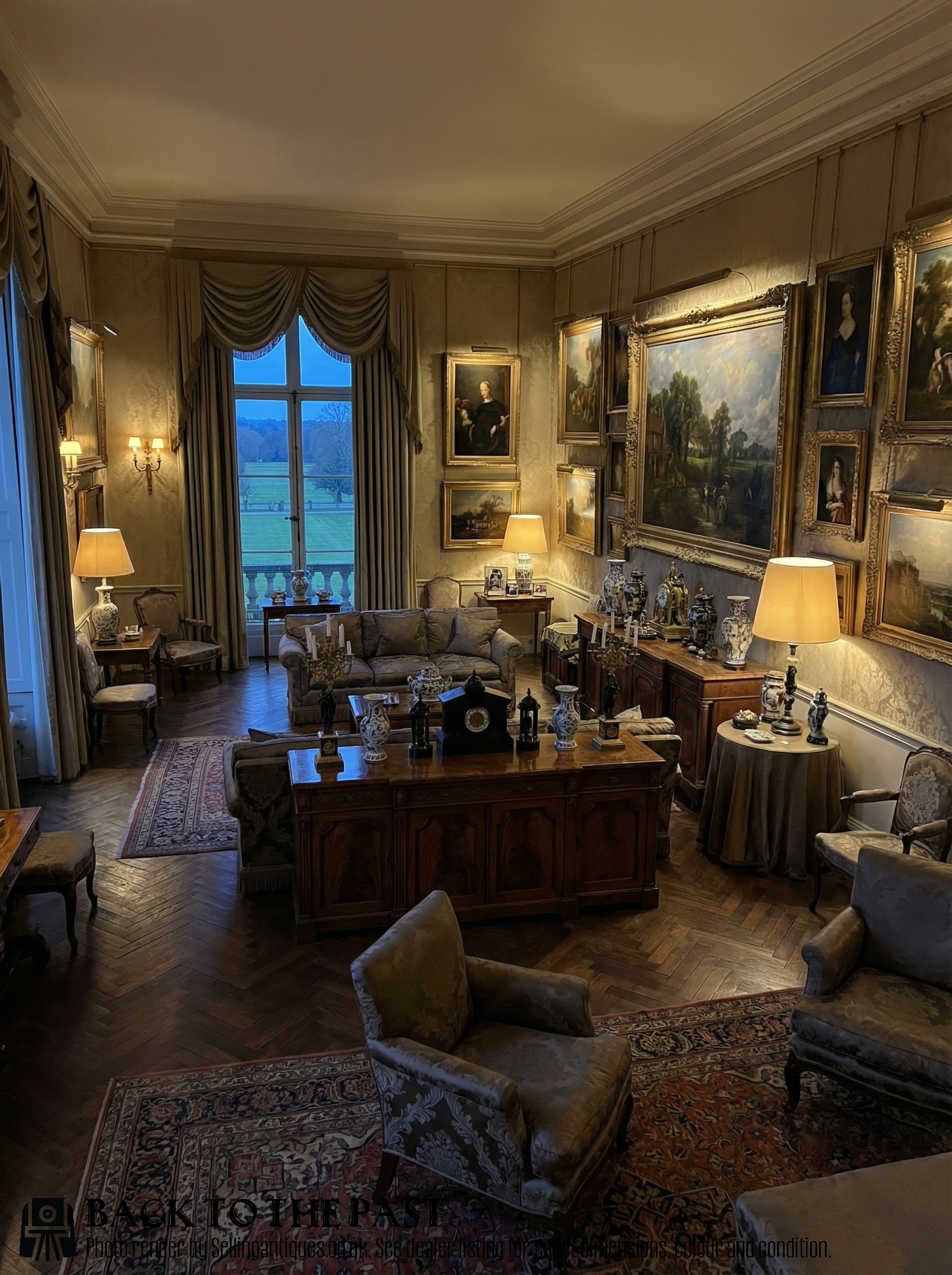
Because of their substantial weight and dense stone construction, these clocks require a sturdy surface such as a large mantelpiece, sideboard, or heavy table.
Their architectural proportions demand a prominent position where their classical facades and column details can be viewed properly.
How do I identify the period?
Dating relies on stylistic clues and material combinations pointing to the nineteenth century, specifically between eighteen-sixty and eighteen-ninety.
Victorian classical revival designs incorporated architectural elements like pediments and columns that reflect the tastes of those decades.