




Antique Timekeeper Clock
An antique timekeeper clock brings mechanical precision and period character into a room.
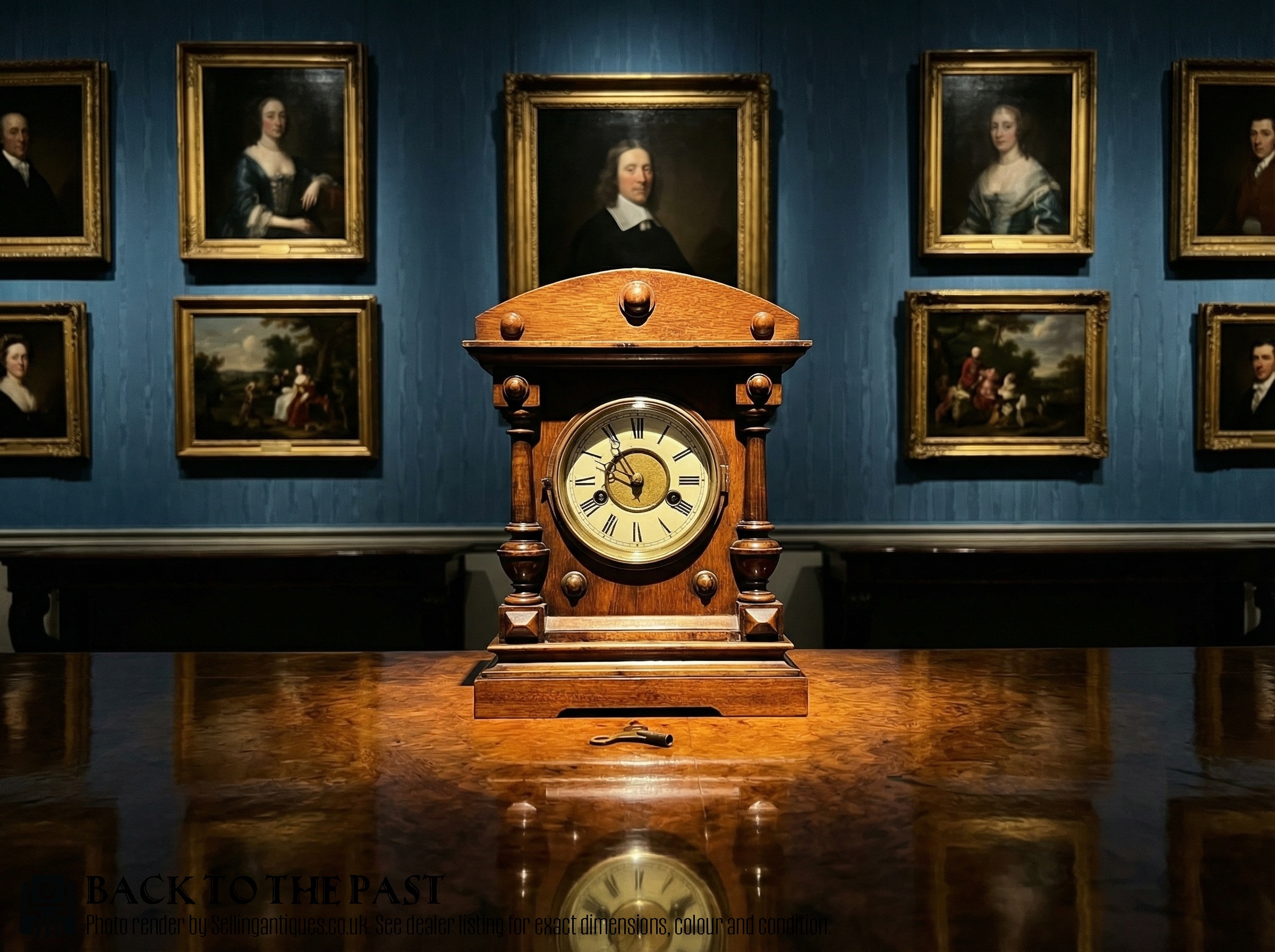
What an antique timekeeper clock is
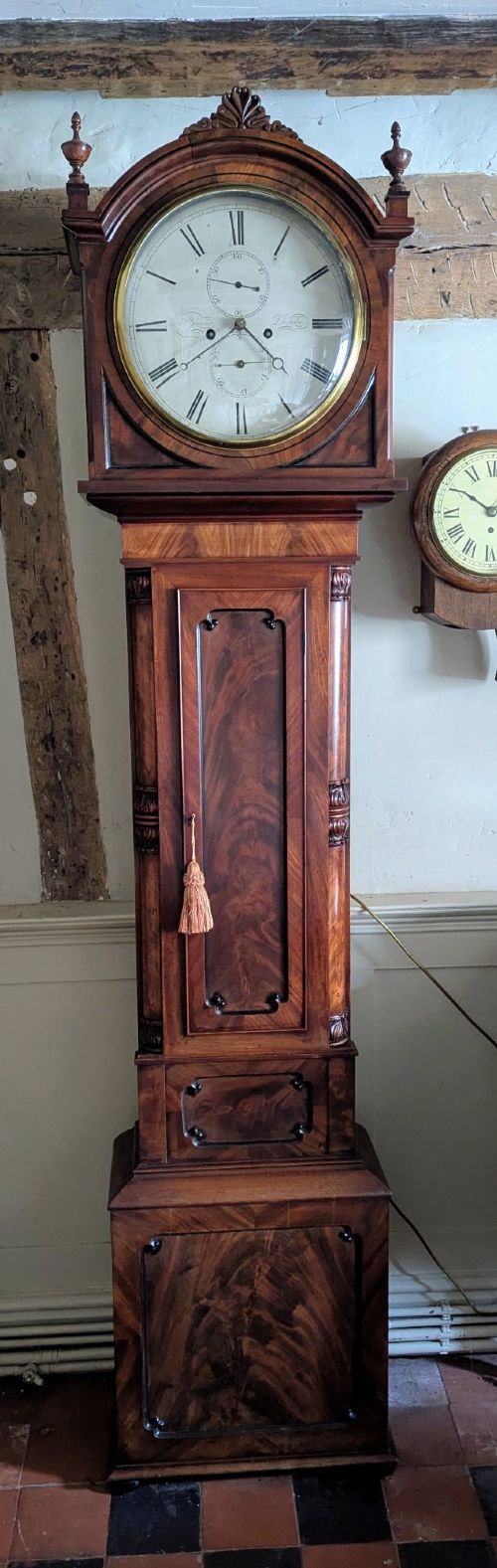
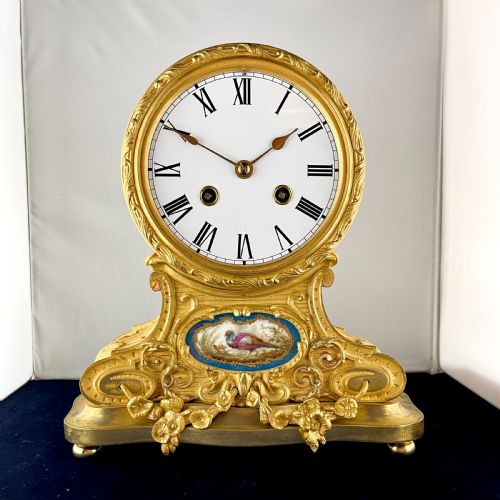
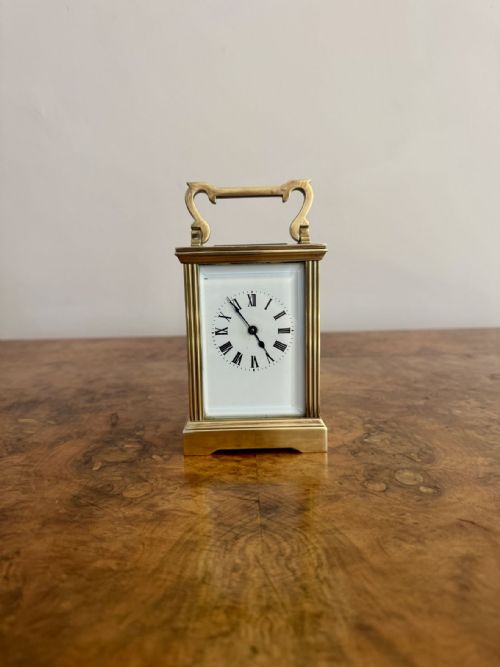
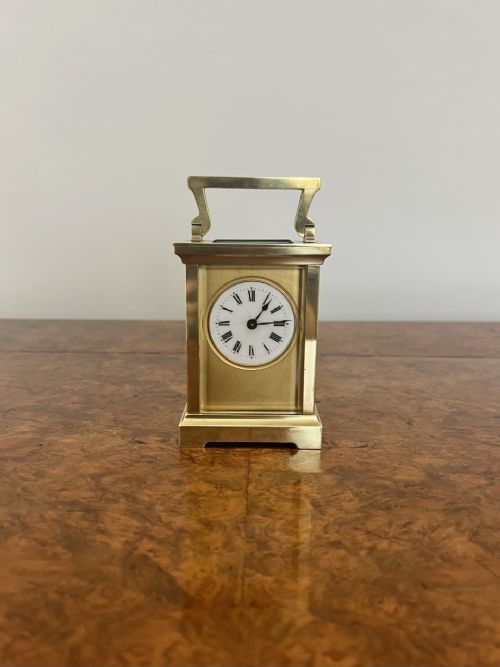
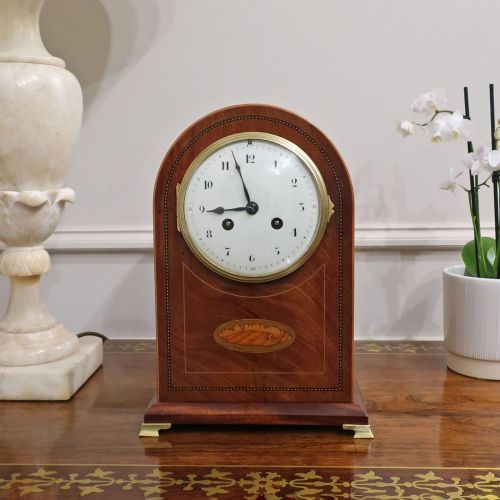
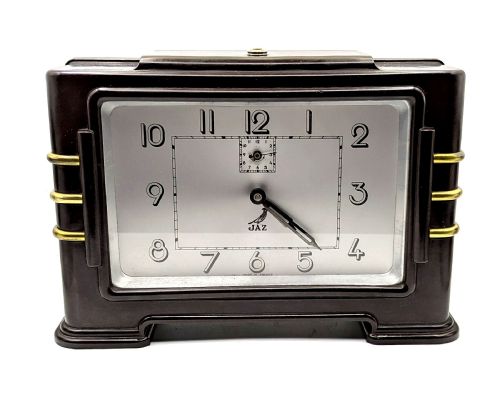
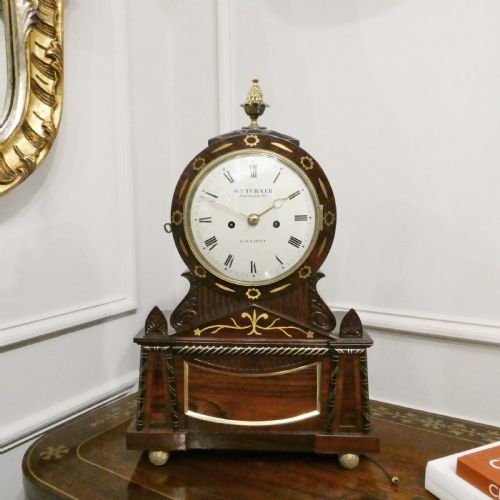
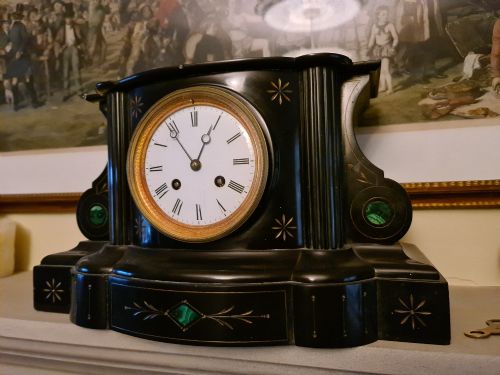
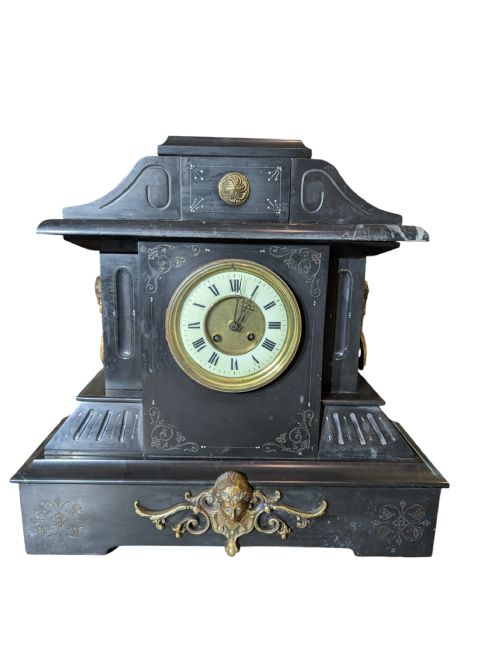
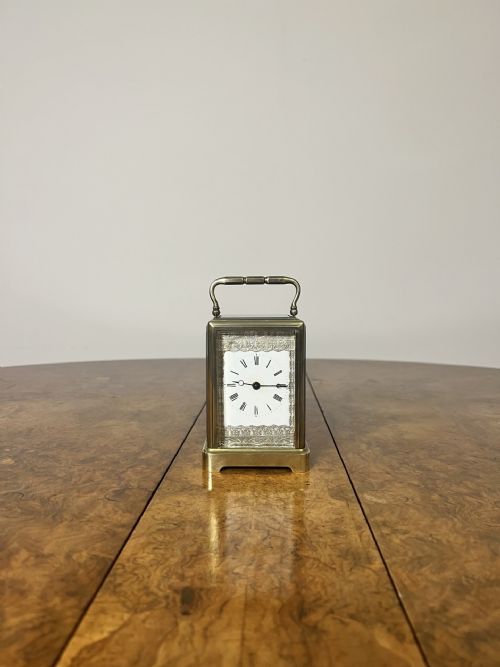
An antique timekeeper clock is a horological piece designed to measure hours reliably while serving as a focal point in a room. The selection here spans wall clocks, mantle clocks, and carriage clocks originating across the nineteenth and early twentieth centuries.
Buyers will encounter various traditional formats, including drop dial wall clocks, miniature balloon clocks, and walnut mantle clocks. These pieces represent British commercial history alongside Victorian and Regency design sensibilities.
Originating from periods such as the early nineteenth century and the Edwardian era, these timepieces reflect the domestic and utilitarian spaces they originally inhabited. Each clock demonstrates the specific aesthetic priorities of its decade of manufacture.
Materials and construction
The construction of these clocks relies on substantial hardwoods such as mahogany, walnut, and oak for their outer cases and dial surrounds. Brass and glass components work alongside these timbers, protecting the delicate internal movements while providing structural integrity.
Movements utilise mechanical systems, notably fusee movements designed to maintain even power delivery as the mainspring unwinds. Enamel is frequently applied to dials for legibility, paired with dark numerals and hands.
Cabinetmakers and horologists shaped these materials by hand, fitting bezels and dial surrounds to house mechanical gear trains securely. The integration of wood and metal reflects standard nineteenth-century workshop practices.
Retail Price Guide 2026
Typical UK retail prices for timekeeper clock, calculated from the Sellingantiques database of over a million retail prices indexed since 2003. This retail price guide relies exclusively on Sellingantiques data; no external sources or auction records are used, so the figures do not describe the wider market.
Materials represented across the inventory include walnut, mahogany, oak, brass, glass, and enamel.
Factors that define quality
Quality in these timepieces rests upon the precision of the mechanical movement and the integrity of the cabinetwork. Fine examples feature clean fusee mechanisms and well-preserved timber cases with crisp mouldings.
The legibility and condition of the enamel dial heavily influence the character of a piece, alongside the retention of original components. Clocks that maintain their original movement configurations and casework show greater horological integrity.
G.P.O
The Antique Timekeeper Clock Glossary
- Fusee
- A conical pulley used in mechanical clocks to equalise the torque of the mainspring as it unwinds. This mechanism ensures consistent timekeeping accuracy throughout the power reserve.
- Drop dial wall clock
- A wall-mounted timepiece featuring an extended case below the dial to accommodate a swinging pendulum. This form was common in offices and public buildings.
- Carriage clock
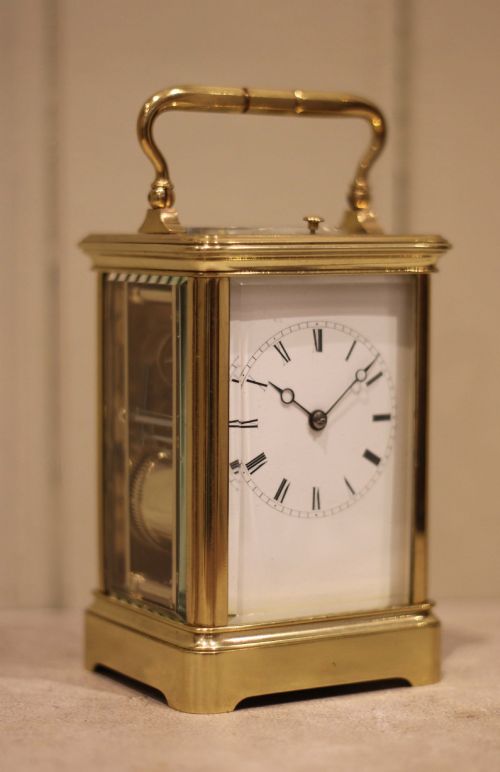
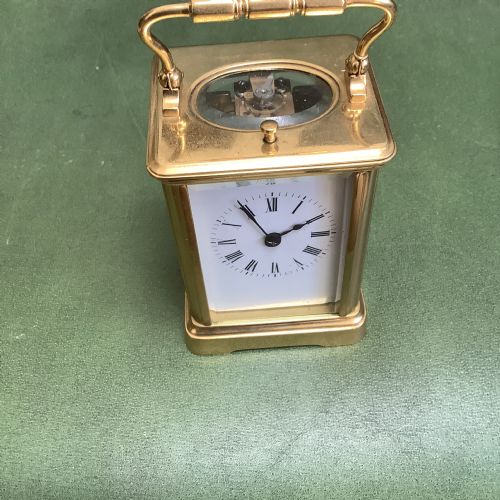
- A small, portable spring-driven clock developed for travelling in the nineteenth century. These pieces typically feature glass panels and a carrying handle.
- Balloon clock
- A mantle clock housed in a case shaped like a hot air balloon, popular during the late Victorian period. The curved wooden silhouette defines the style.
Frequently Asked Questions
What is a fusee clock?
A fusee clock uses a conical drum to regulate the pull of the mainspring. This traditional mechanism delivers even power to the gear train for steady accuracy.
Such movements represent a standard of British clockmaking craftsmanship found in many period wall and mantle clocks.
How do I care for a mechanical clock?
Mechanical clocks require careful handling, stable placement away from draughts, and periodic professional servicing. Winding should be performed gently according to the specific movement design.
Keeping the case in a consistent environment protects both the timber and the internal brass components from undue stress.
Where were wall clocks used?
Wall clocks with drop dials and dial faces were traditionally placed in commercial offices, railway stations, and domestic halls. Their clear layouts ensured time was easily read from a distance.
Utility dictated their robust construction and straightforward aesthetic design.
How can I tell the period of a clock?
The period of a clock is indicated by its casing style, timber choice, and dial execution. Victorian and Regency designs employ distinct proportions and decorative motifs.
Comparing the mechanical movement type and materials helps place the piece within its manufacturing era.