


English Tallcase Clock
An english tallcase clock anchors a room with steady mechanical rhythm, offering timeless utility and classic craftsmanship.
Identifying an English tallcase clock
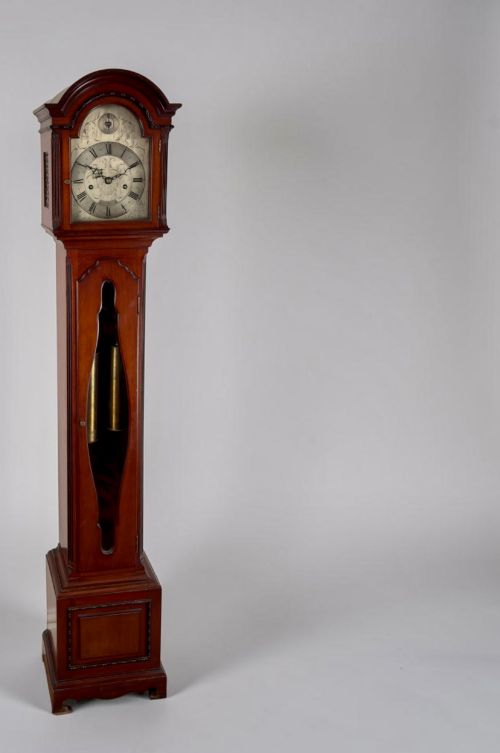
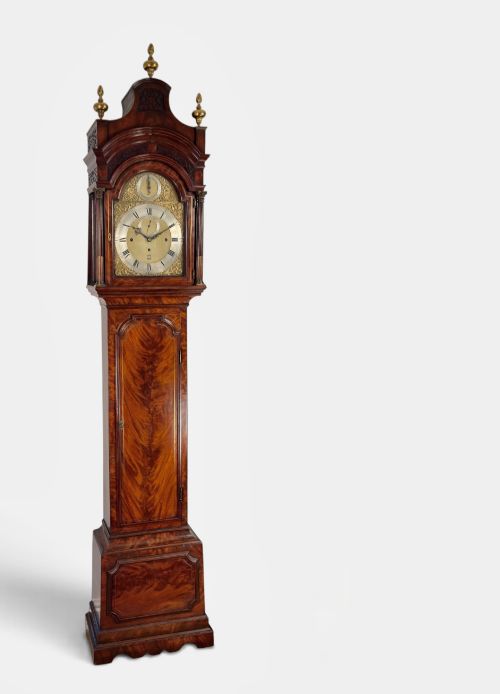
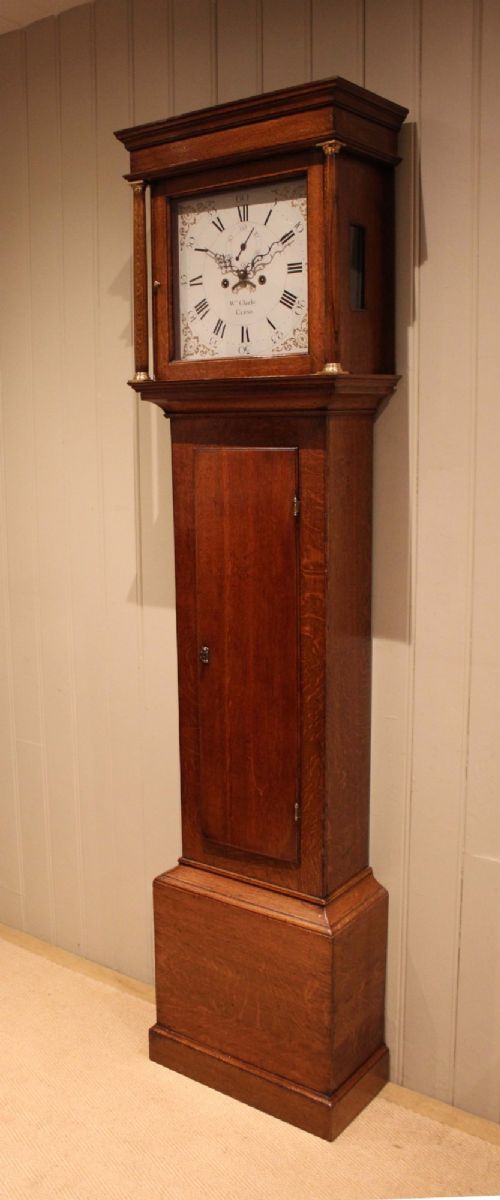
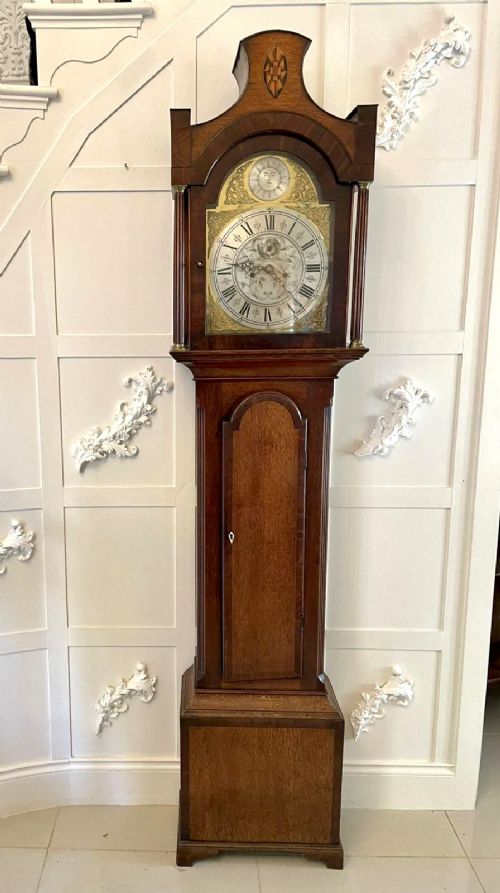
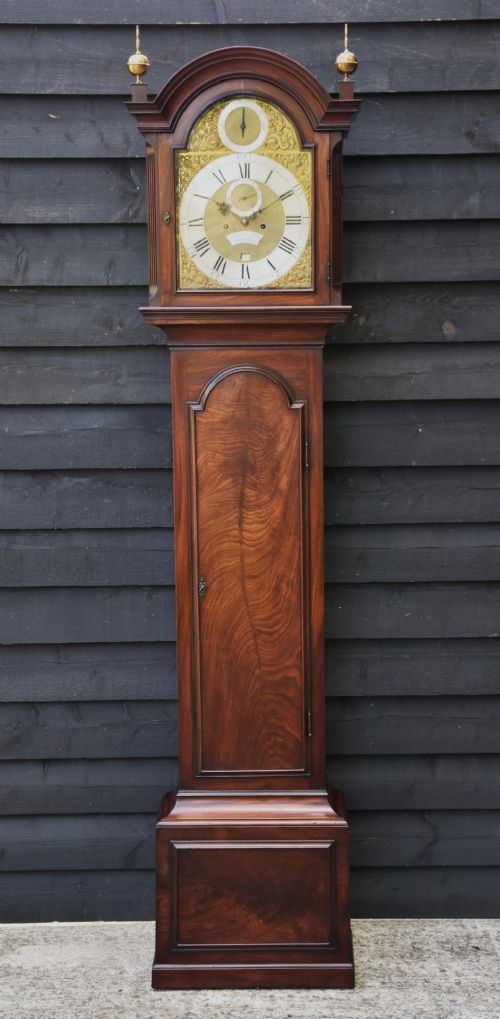
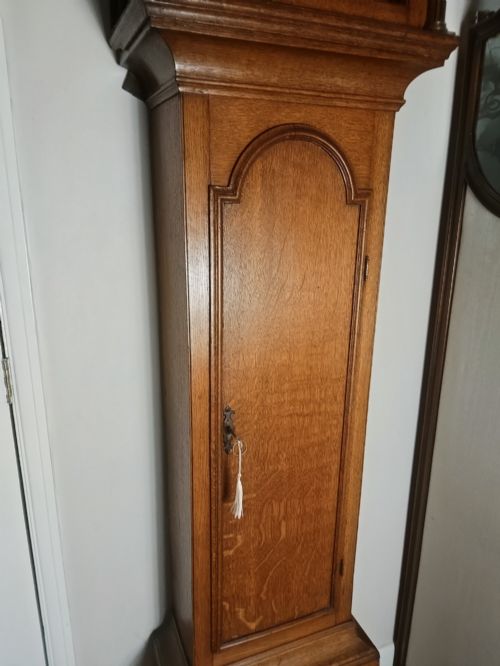
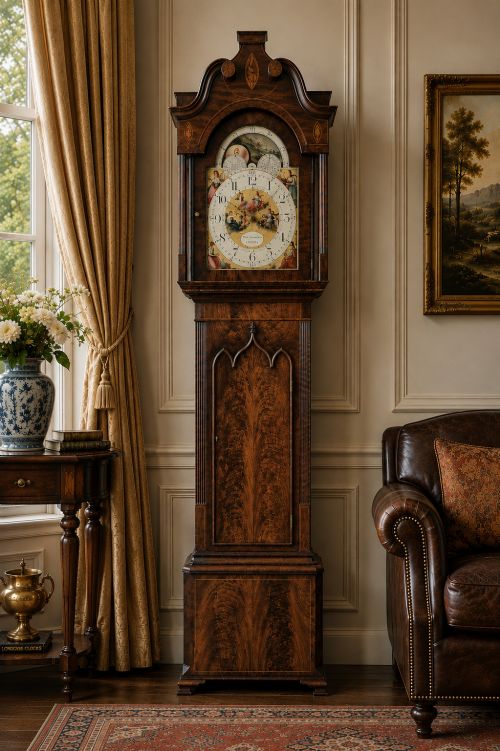
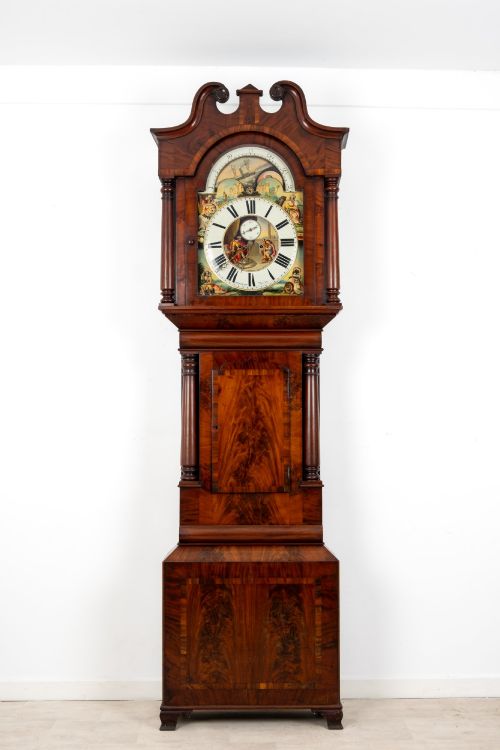
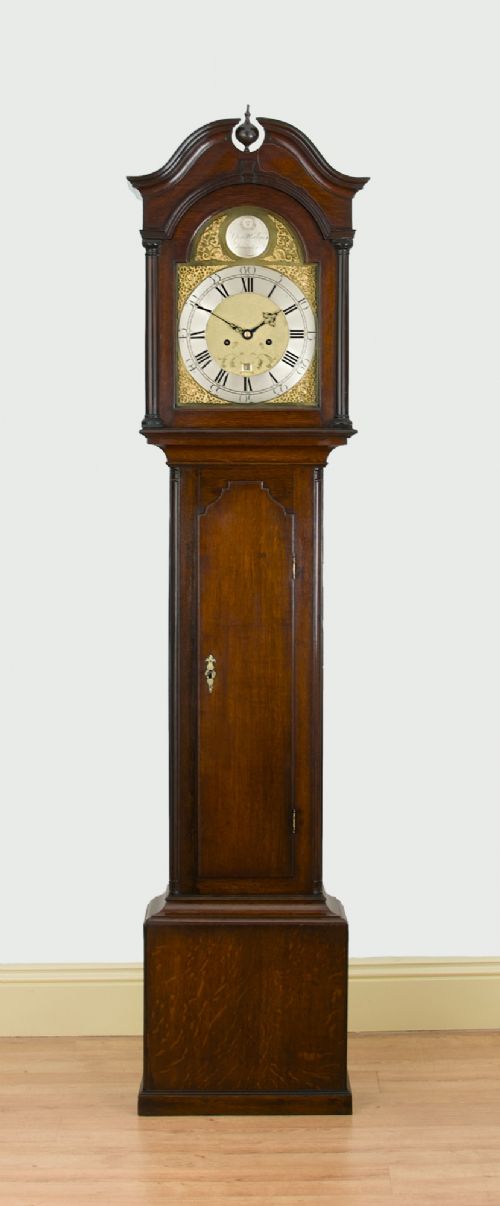
When you search for an english tallcase clock, you are looking at substantial freestanding timepieces housed in tall wooden cases, predominantly taking the form of longcase clocks. These objects span periods from 1700 through the 18th Century, Georgian, and Victorian eras, demonstrating long histories of domestic timekeeping. You are most likely to meet mahogany or oak examples on this page, reflecting the enduring timber choices of British cabinet makers.
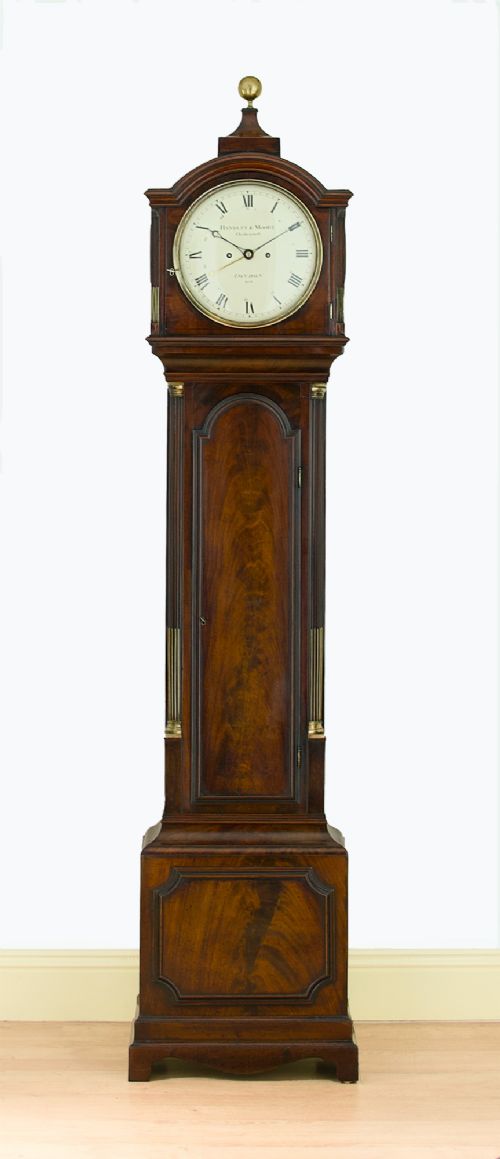
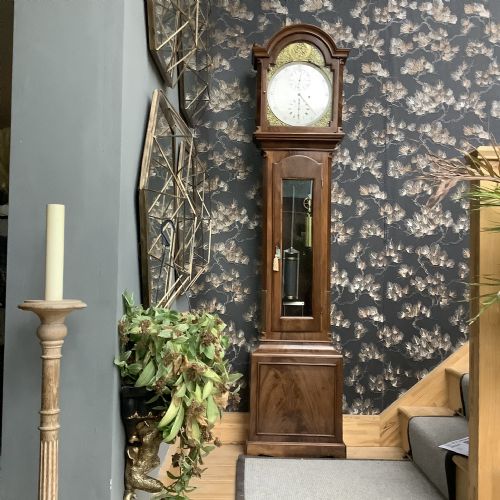
The objects listed range from early 18th-century 30-hour movements to mid-19th-century regulators housed in arched mahogany cases. Regional makers from York, Leicester Square, Kirkby Lonsdale, and Bicester contributed to this variety, showing that horological skill was spread across towns and cities rather than concentrated solely in the capital. Each piece combines functional weight-driven mechanisms with architectural woodwork appropriate to its period.
Materials and construction
Internal mechanics depend upon iron for structural weight-bearing parts and movement frames, working alongside brass wheels and escapements. Cabinet makers constructed the wooden housings using traditional joinery techniques to ensure stability for the heavy pendulum and weights housed within the trunk. The combination of turned brass, cast iron, and polished hardwood represents the standard technical approach of period clockmakers.
Retail Price Guide 2026
Typical UK retail prices for english tallcase clock, calculated from the Sellingantiques database of over a million retail prices indexed since 2003. This retail price guide relies exclusively on Sellingantiques data; no external sources or auction records are used, so the figures do not describe the wider market.
Many provincial makers signed their dials with local pride, ensuring distant country towns left their mark in British horological history.
Distinguishing quality
Quality in an english tallcase clock rests upon the precision of the mechanical movement and the refinement of the cabinet work. Regulators and signed pieces by known makers demonstrate superior horological ambition, whereas simpler 30-hour mechanisms prioritize domestic utility over complex gear trains. The choice of timber also dictates tier, with deeply figured mahogany sitting at the upper end compared to straightforward oak housings.
Proportion and dial execution further separate standard production from exceptional work, particularly in arched cases and specialised regional workshops. The integration of the hood design with the trunk proportions shows the aesthetic judgment applied by the original maker. Superior examples exhibit harmonious balance between the brass dial layout and the surrounding wooden architecture.
JOHN RAINSFORD LEICESTER SQUARE LONDON·HAMPSTON PRINCE CATTLES OF YORK·ED HEMMINS OF BICESTER·HAYTHORNWAITE KIRKBY LONSDALE
The English Tallcase Clock Glossary
- Longcase clock
- Alternative term for a tallcase clock, housing the pendulum and weights within a vertical wooden trunk. These pieces stood in hallways and principal rooms across British homes.
- Regulator
- A precision pendulum clock designed for high accuracy and used as a standard for setting other timepieces. They often feature simplified, highly legible dials.
- Dial
- The face of the clock where the hours and minutes are displayed, frequently made of brass with engraved or painted numerals. Makers often signed their names directly upon this surface.
- Hood
- The upper portion of the case that encloses and protects the dial and movement, often featuring glass panels and opening doors. It lifts or swings forward to grant access to the clock face.
Frequently Asked Questions
How do I wind an english tallcase clock?
Winding involves using a specialised key to raise the internal weights via the winding arbor on the dial face. Care must be taken not to overwind the movement.
Different mechanisms require weekly or thirty-hour attention depending on the weight drop and gear train configuration.
Where should I place a tallcase clock?
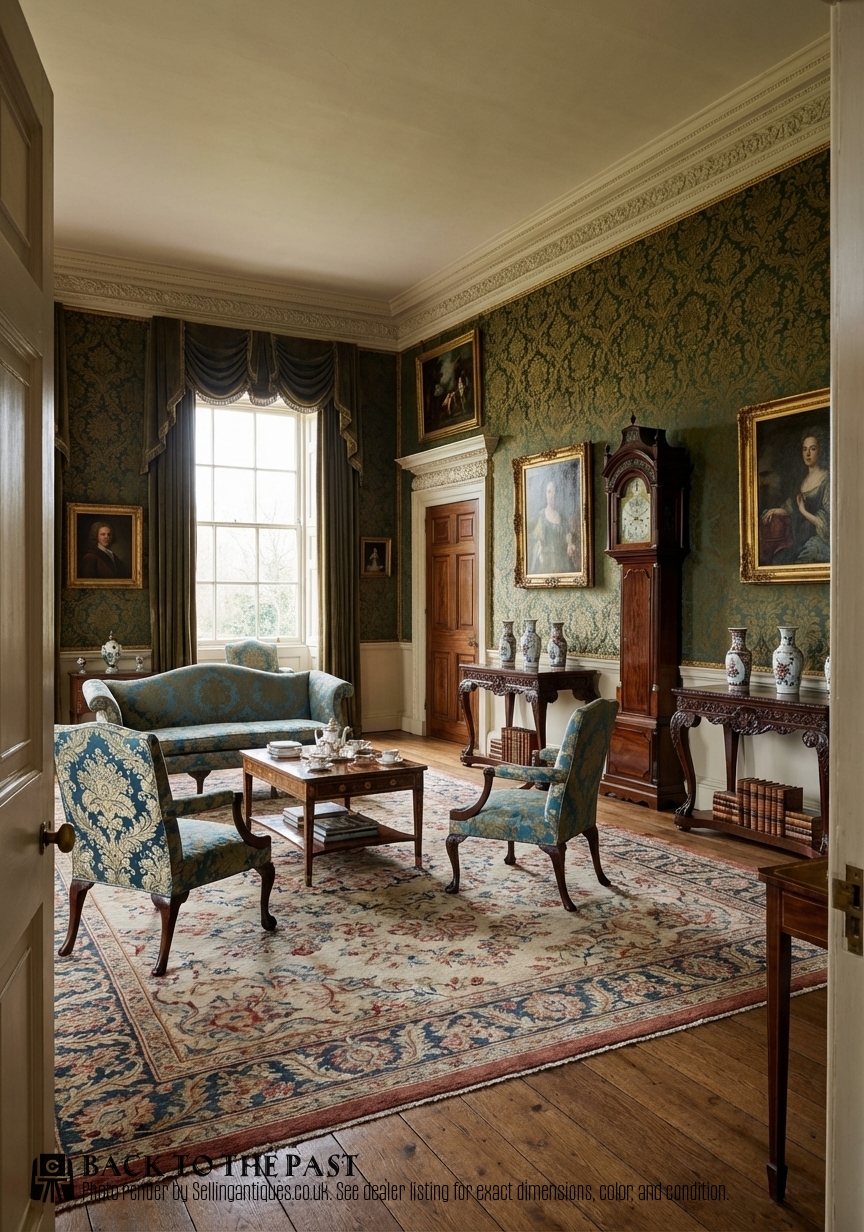
These clocks require a stable, dry interior wall with a solid floor to ensure the pendulum swings accurately without interference. Avoid placing them near direct heat sources or damp exterior walls.
Sufficient ceiling height is essential, as these pieces measure several feet tall from base to hood top.
How do I date an english tallcase clock?
Dating relies on stylistic clues in the wooden case, the shape of the dial, and any signature engraved by the maker. Oak cases frequently point to earlier 18th-century production, while arched mahogany cases often suggest Victorian or Georgian periods.
Maker signatures can be cross-referenced with historical records to narrow down the active working years of the workshop.
What is the difference between a regulator and a standard clock?
Regulators are built for extreme timekeeping precision, often featuring deadbeat escapements and meticulous gear ratios. Standard domestic clocks prioritize reliable daily timekeeping and occasionally include striking mechanisms.
Regulator dials usually emphasise minute reading with separate subsidiary dials for hours and seconds.