
Chiming Grandfather Clock
When you search for a chiming grandfather clock, you step into a world of tall timber cases and complex acoustic movements.
Chiming Grandfather Clocks
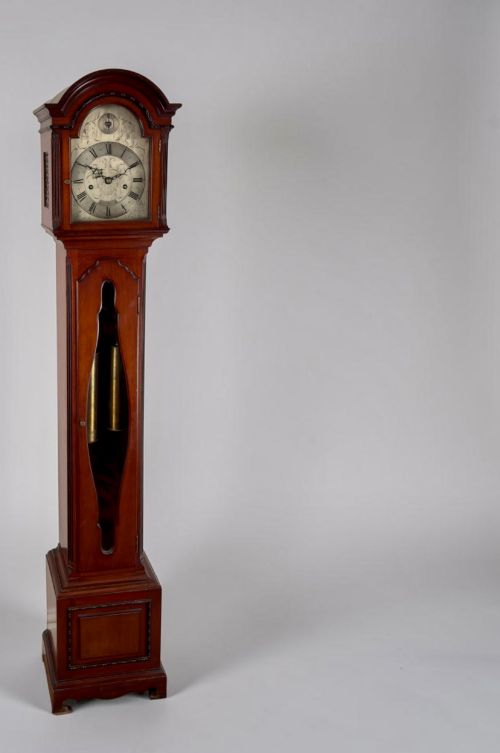
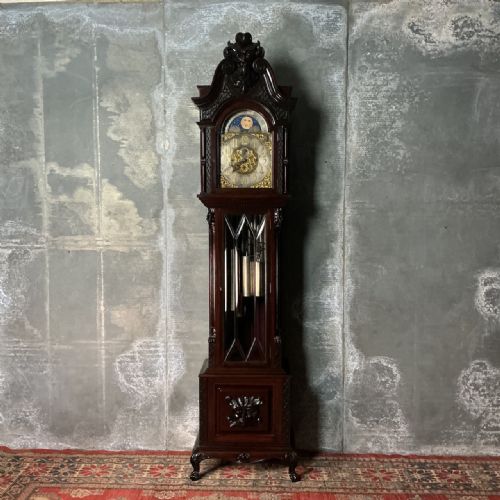
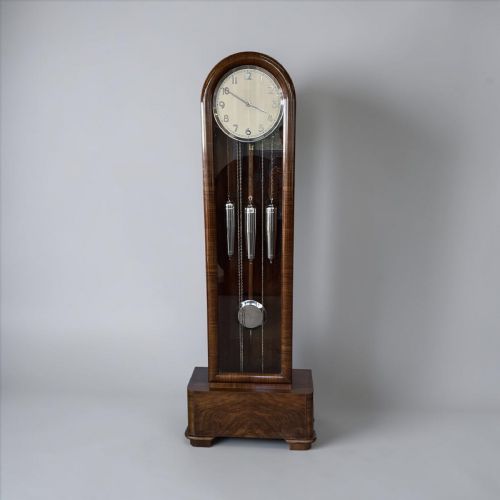
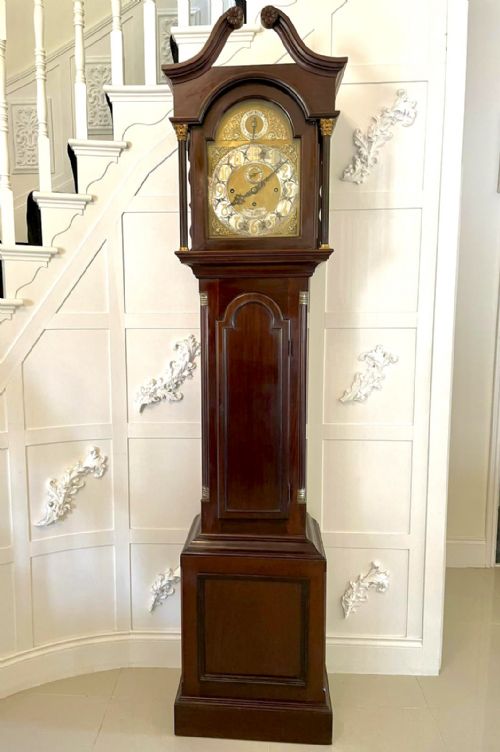
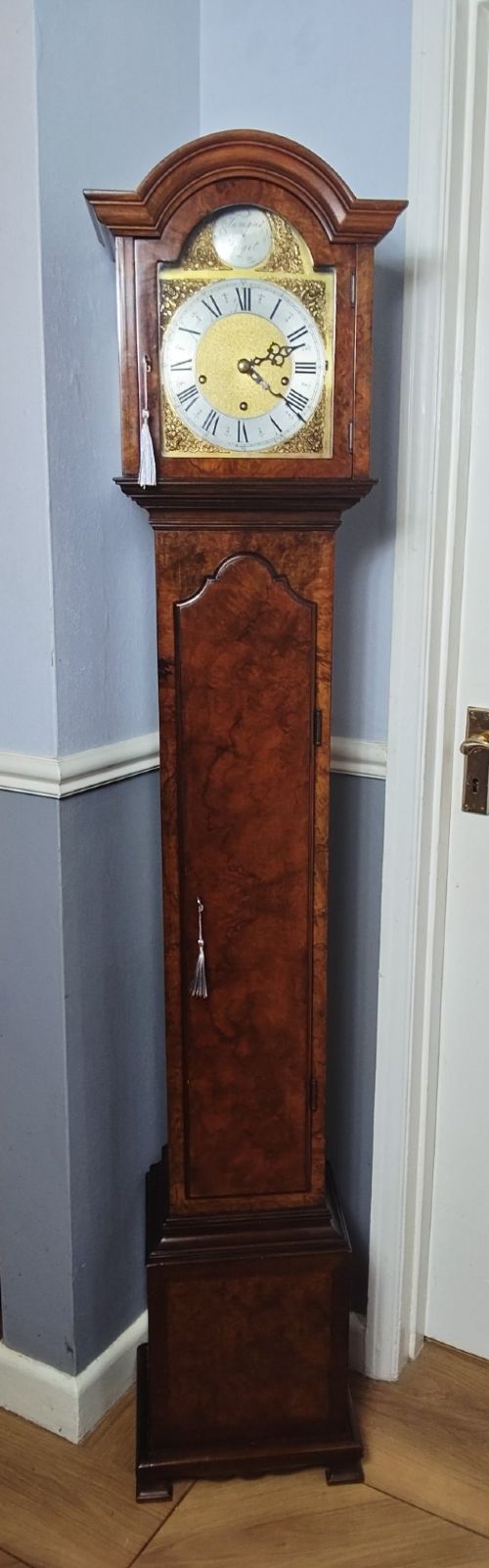
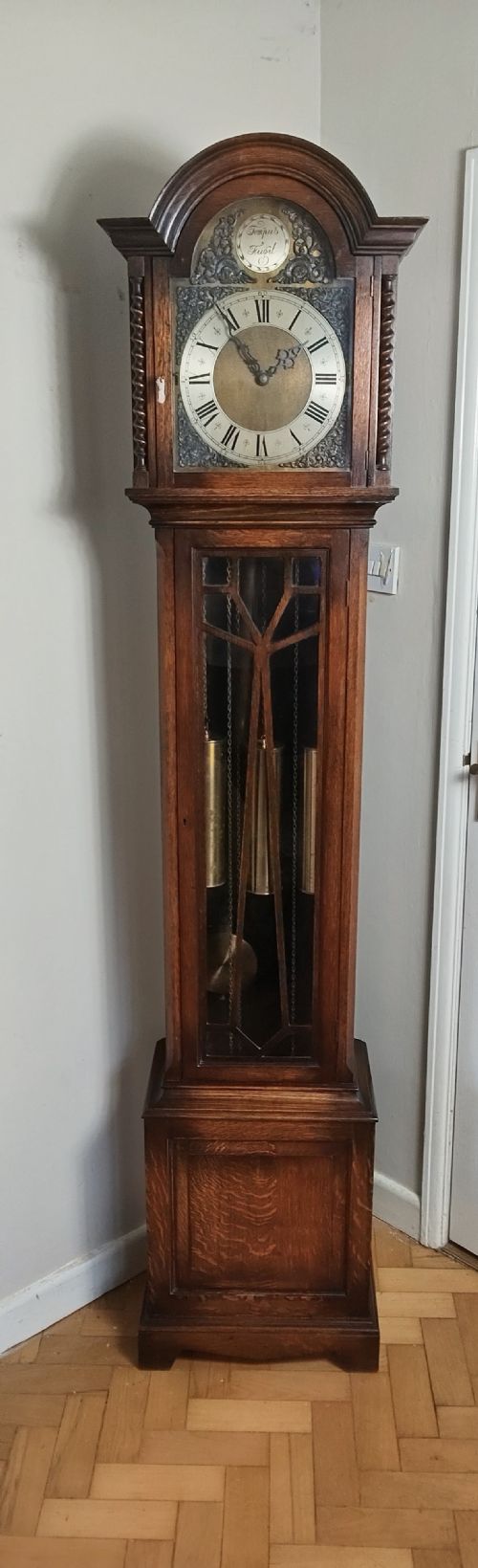
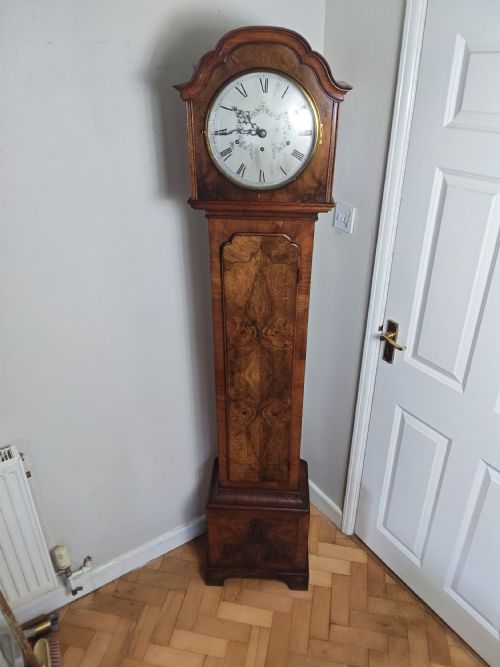
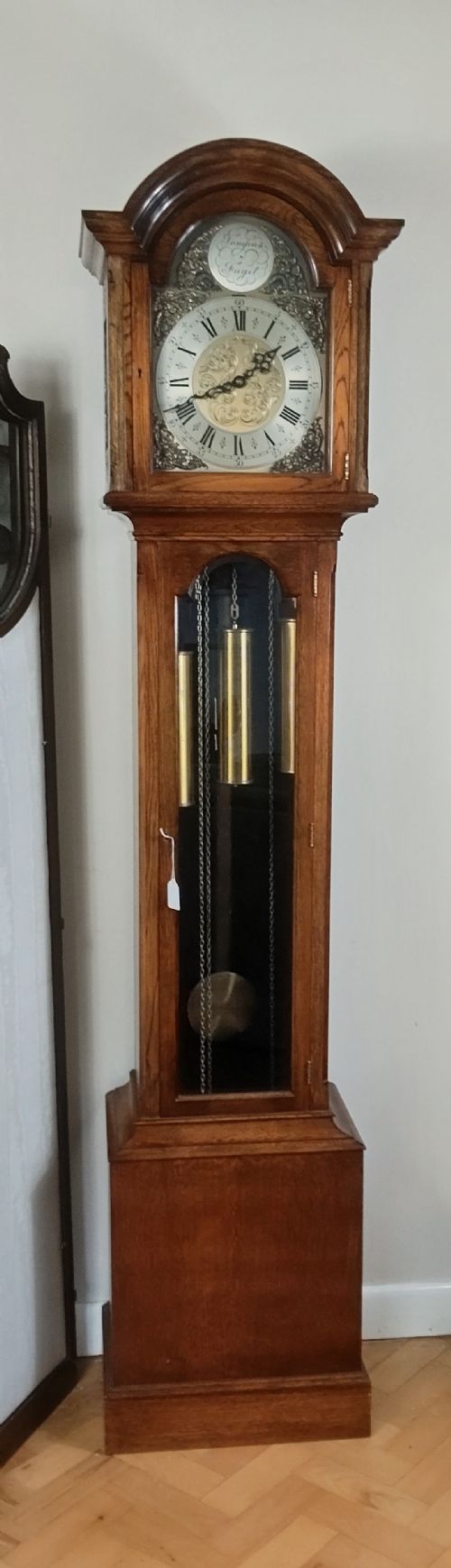
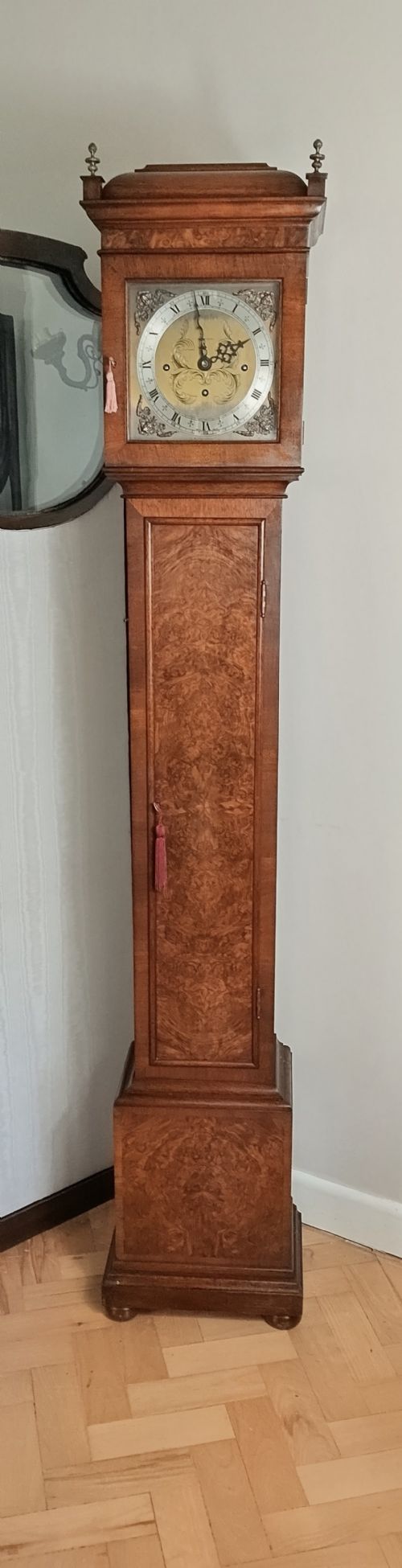
A chiming grandfather clock combines the traditional tall case architecture with a mechanical chime train, measuring time through both strike and melody. These tall timepieces appear most frequently in Edwardian, Victorian, and 1930s variations, spanning both grand proportions and more compact formats.
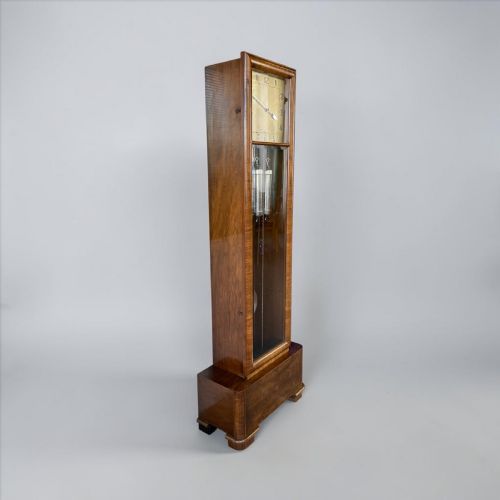
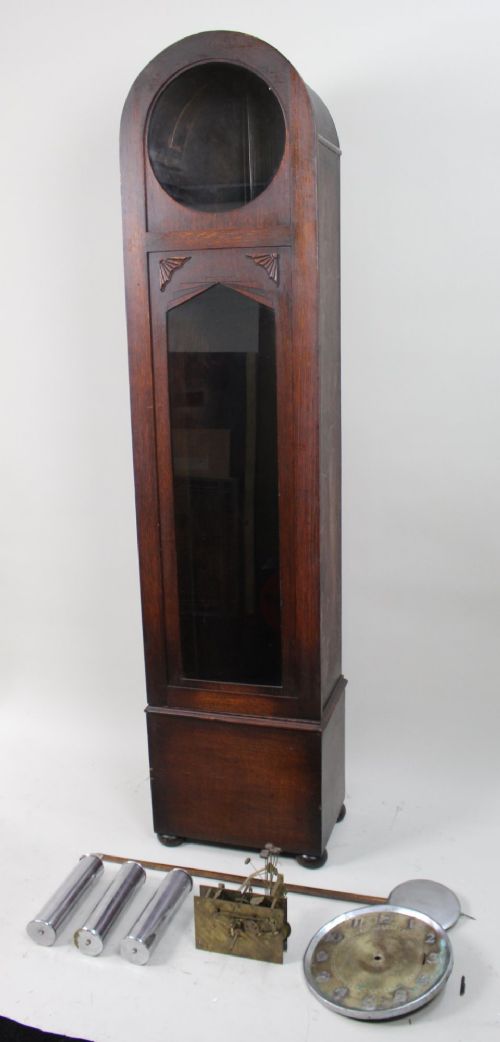
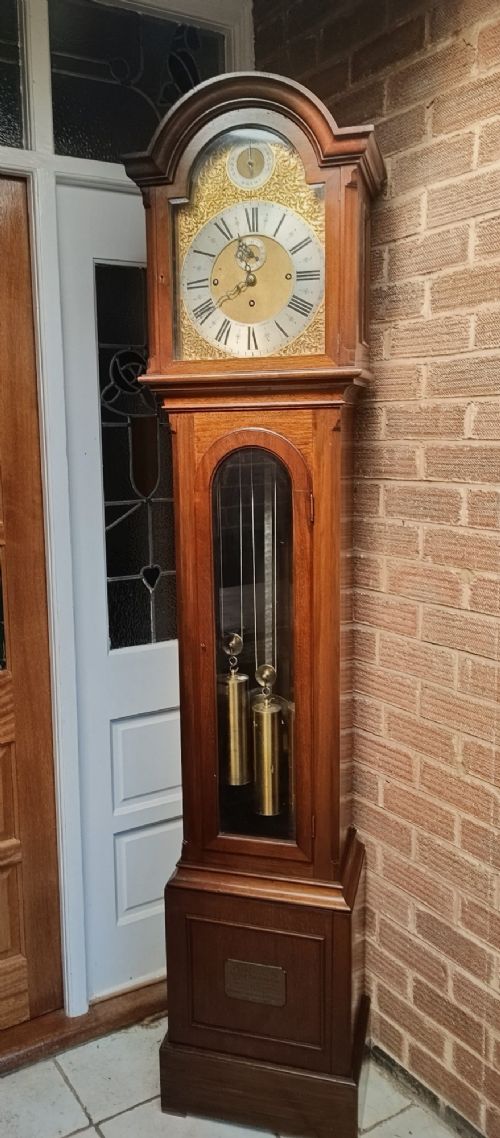
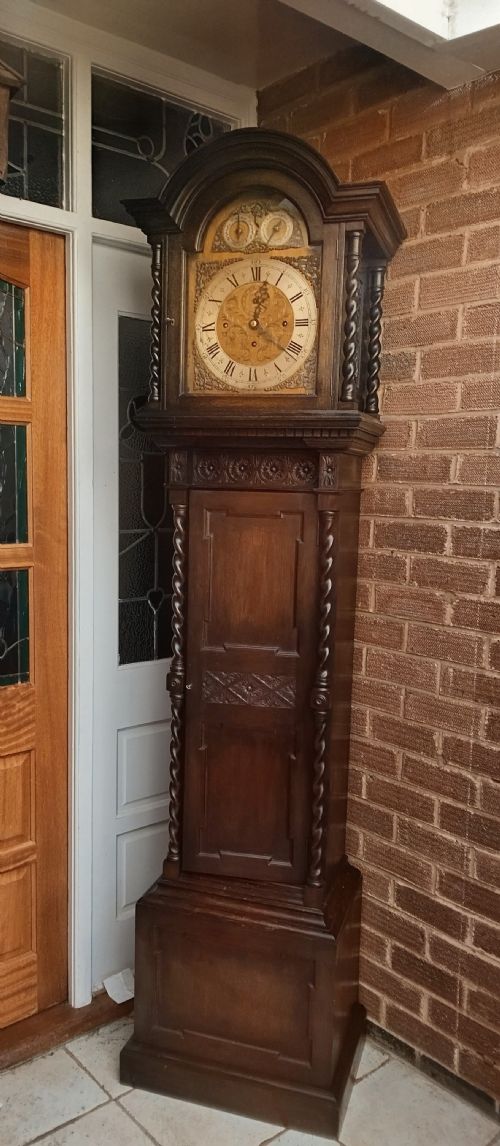
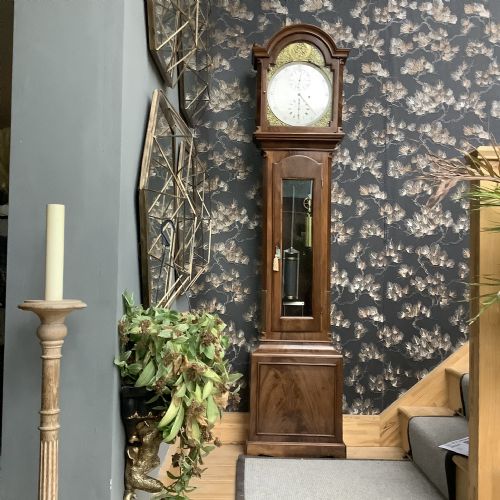
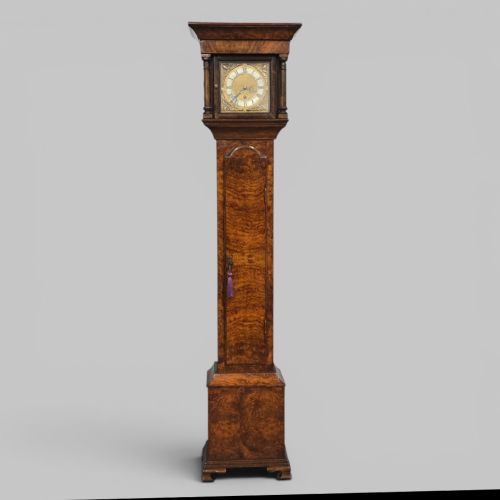
The architectural styles range from traditional oak and mahogany to distinct Edwardian, Georgian Revival, and occasional Art Deco influences. Makers frequently housed these movements in longcase bodies featuring glazed trunk doors and brass or silvered dials.
Many examples double as grandmother clocks or incorporate multi-tune mechanisms, playing melodies like Westminster or Whittington on gongs, rods, or tubes. The lineage includes English workshops alongside continental German movements.
Materials and Construction
Cabinetmakers constructed the tall cases predominantly from solid oak and mahogany, occasionally utilising walnut with glass panels fitted into the trunk doors for visibility. Brass provides the material for the dials, bezels, and internal fittings, complemented by steel and iron within the weights and movement plates.
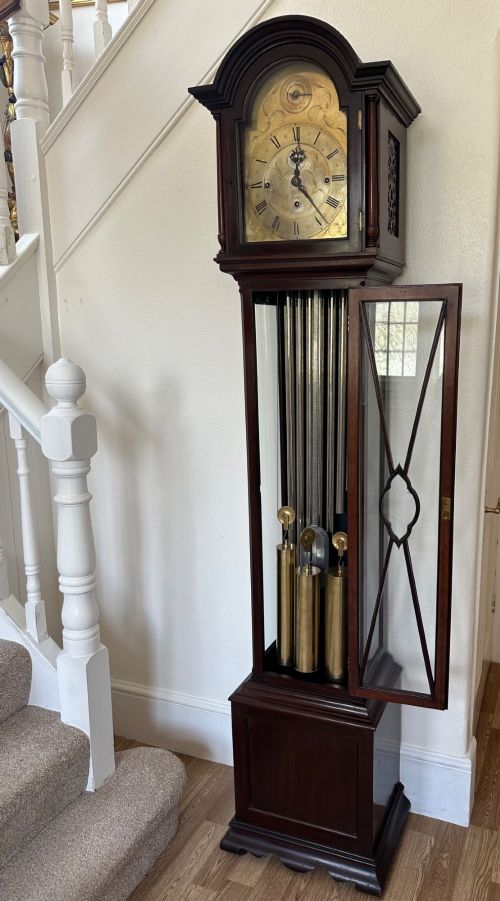
The movements rely on spring or weight-driven systems, ranging from two-train setups to complex triple-weight mechanisms that power the timekeeping, striking, and multiple chiming melodies. Acoustic output is managed through specialised sound components like tubular bells, gongs, or rods mounted inside the timber trunk.
Retail Price Guide 2026
Typical UK retail prices for chiming grandfather clock, calculated from the Sellingantiques database of over a million retail prices indexed since 2003. This retail price guide relies exclusively on Sellingantiques data; no external sources or auction records are used, so the figures do not describe the wider market.
Listings feature longcases in oak, mahogany, and walnut, spanning Victorian, Edwardian, and 1930s periods with glass and brass elements.
Markers of Quality
Superior examples distinguish themselves through the acoustic richness of their chime, utilising multiple tunes, heavy weights, and specialised sound rods like Rheingold-gongs to project a deep, resonant tone. The precision of the gear train and the complexity of the movement, such as triple-train and triple-weight setups, separate standard timepieces from advanced musical iterations.
Cabinet craftsmanship dictates the upper tiers, seen in figured timbers, astragal glazed doors, carved columns, and proportioned bracket feet that elevate the visual presence of the longcase. The reputation of the maker, whether a notable London retailer or a specialised movement manufacturer, underpins the structural and mechanical integrity of the piece.
Lister & Sons·S Smith & Son·Maple of London·Gillett & Johnston·Boots Drug Company·Waite & Son·Peerless Embee·H Pidduck & Son
The Chiming Grandfather Clock Glossary
- Longcase clock
- A tall pendulum clock housed in a wooden case designed to rest directly on the floor. These pieces are commonly referred to as grandfather clocks.
- Three train
- A movement driven by three separate power sources, usually weights or springs, which operate the timekeeping, the hour strike, and the chiming melodies.
- Quarter chiming
- A mechanical capability where the clock plays a sequence of notes at each quarter-hour interval before sounding the full hour.
- Astragal glazed
- A glass door divided into smaller panes by wooden framework or lattice strips. This design allows a clear view of the pendulum and weights inside the trunk.
- Train
- An independent series of gears and wheels within a clock movement dedicated to a specific function such as time, strike, or chime.
Frequently Asked Questions
What is a chiming grandfather clock?
A chiming grandfather clock is a tall floor-standing timepiece equipped with a specialised mechanical train that plays musical notes or melodies at designated intervals alongside standard hour strikes.
These tall cases enclose complex gear trains driven by weights or springs, utilising internal gongs, rods, or tubes to produce acoustic chimes.
How do triple weight clocks work?
Triple weight clocks utilise three suspended weights inside the trunk, each operating an independent train for timekeeping, striking, and chiming.
As the weights descend over an eight-day period, they supply the mechanical energy required to run the complex musical mechanisms.
Where should I place a longcase clock?
Position your longcase clock against an interior wall away from direct sunlight, major heat sources, and heavy foot traffic that might cause floor vibrations.
A stable, level surface is essential for the pendulum to swing evenly and keep accurate time.
How do I tell different periods apart?
Victorian and Edwardian models often feature rich mahogany with traditional carvings, while pieces from the 1920s and 1930s frequently utilise oak and subtle Art Deco styling.
Dial designs, wood finishes, and the complexity of the chiming train also provide clear chronological markers.