
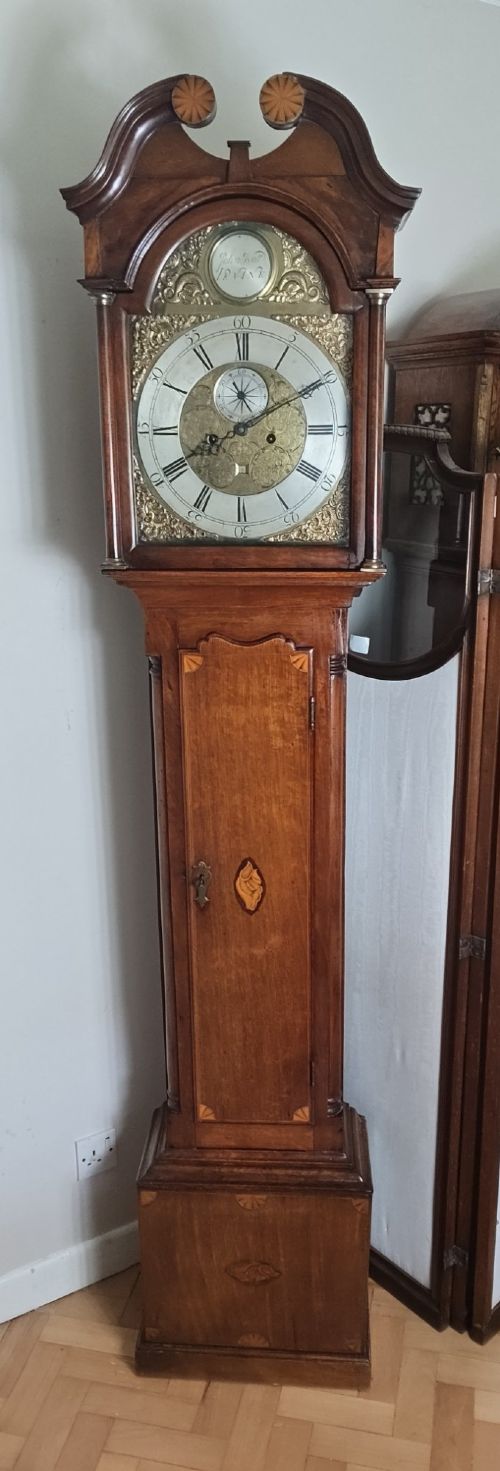
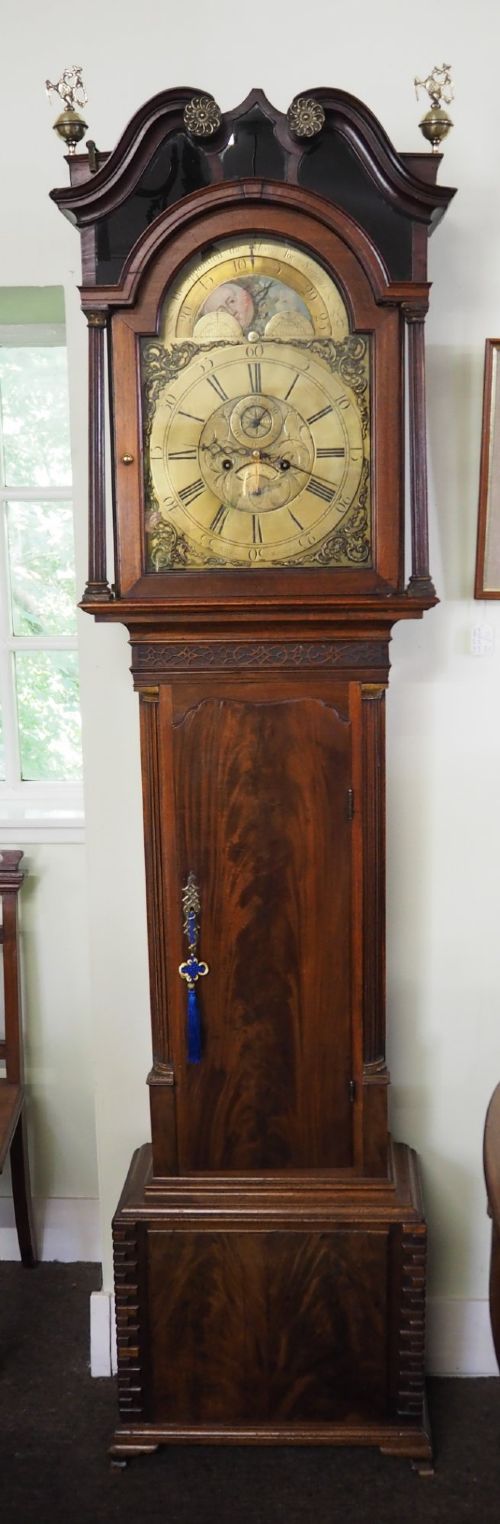
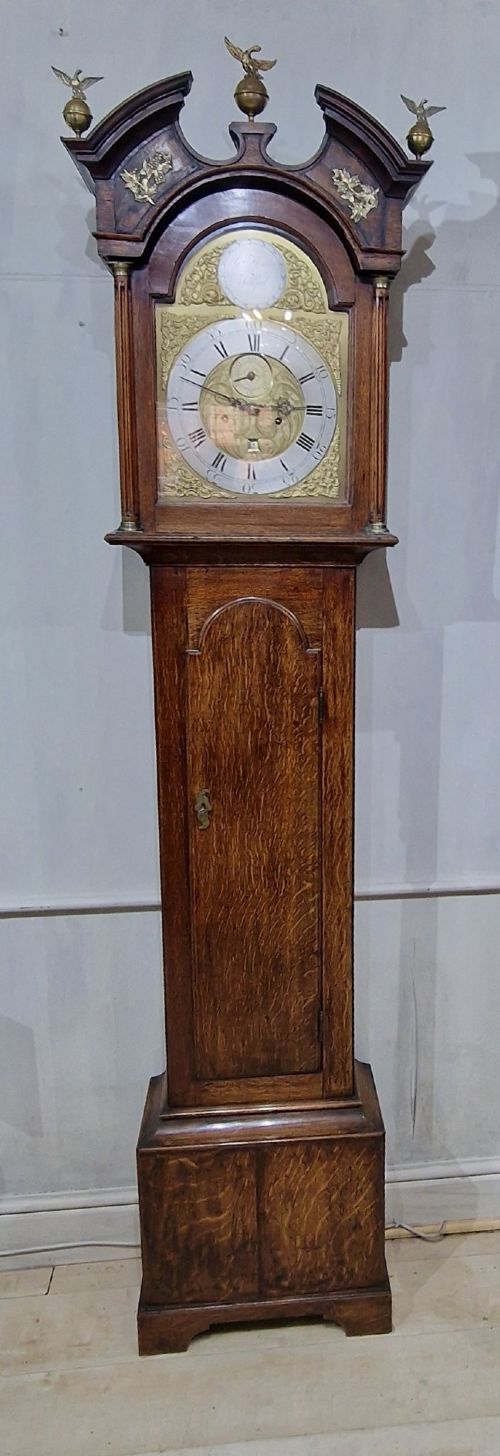
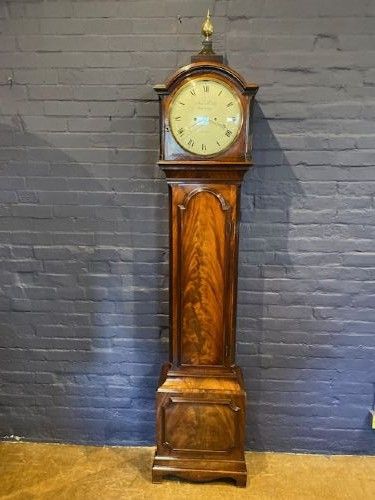
Traditional Standing Clock
A traditional standing clock anchors a room with mechanical rhythm, offering the steady movement of a pendulum and the resonant chime of an 18th, 19th or 20th-century case.
Traditional Standing Clock
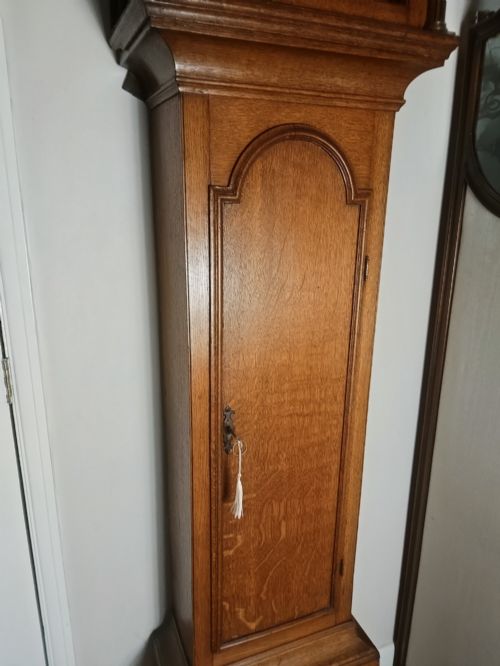
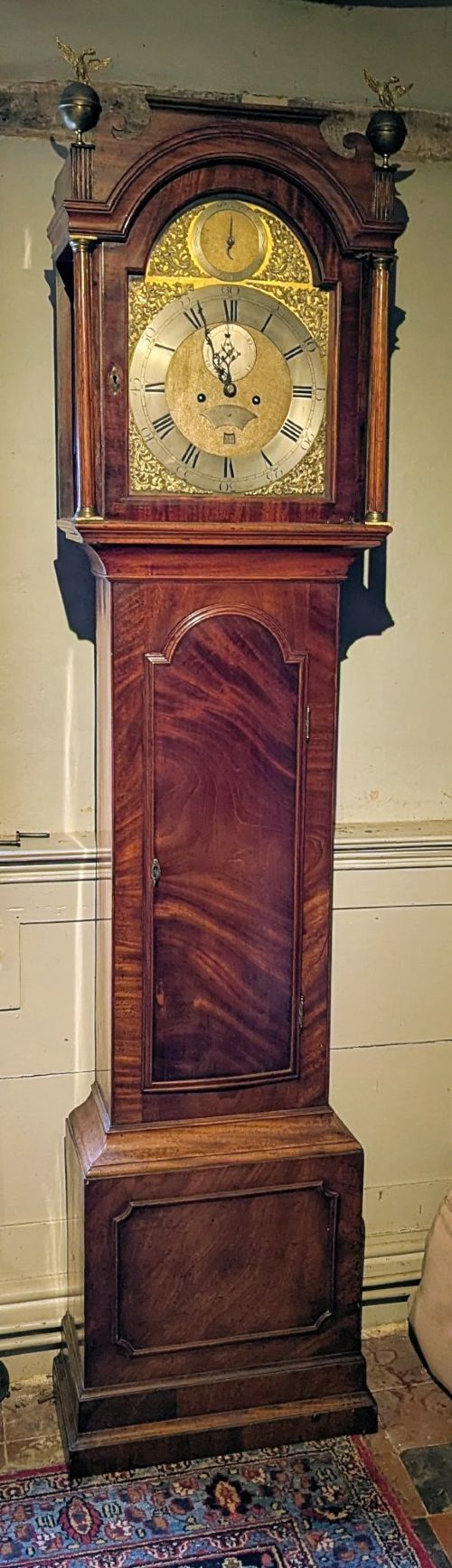
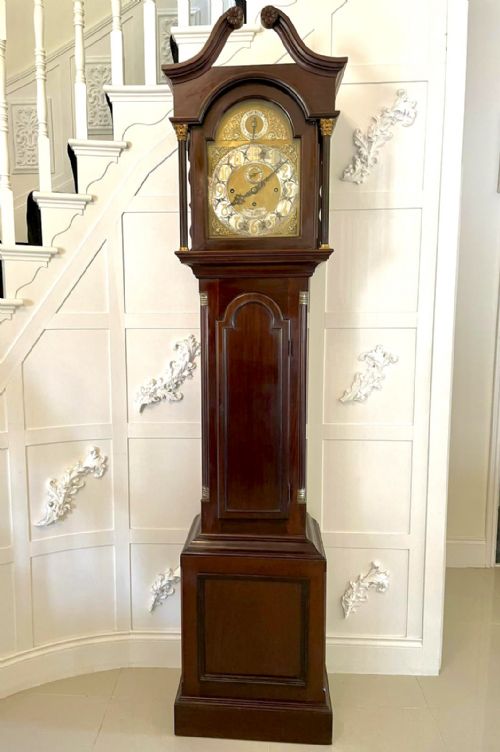
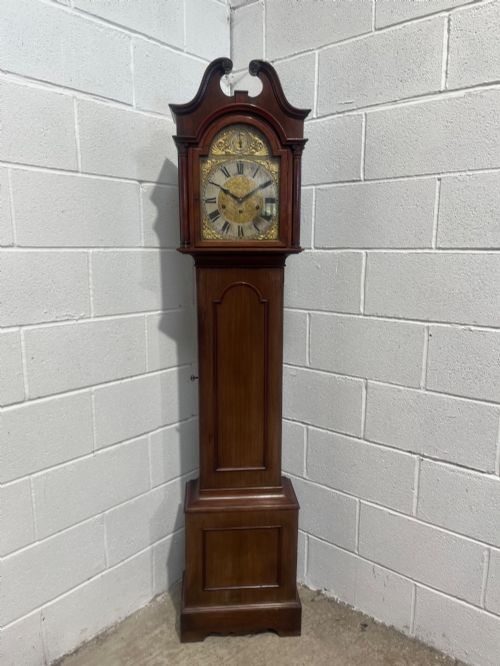
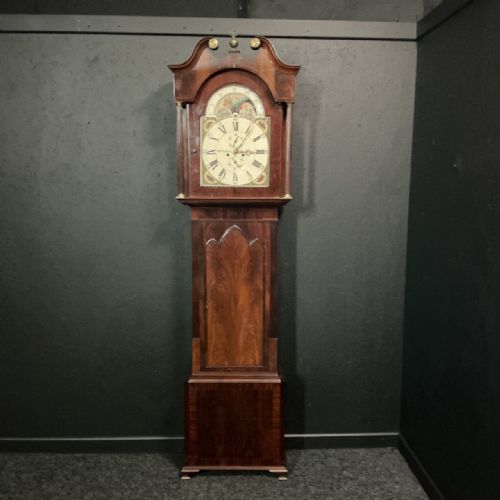
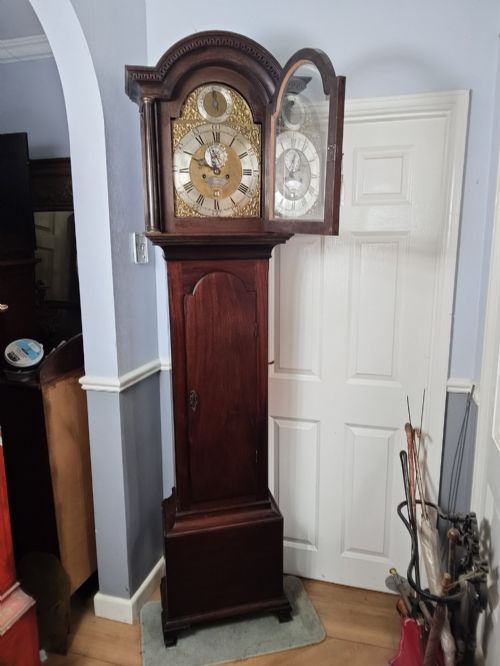
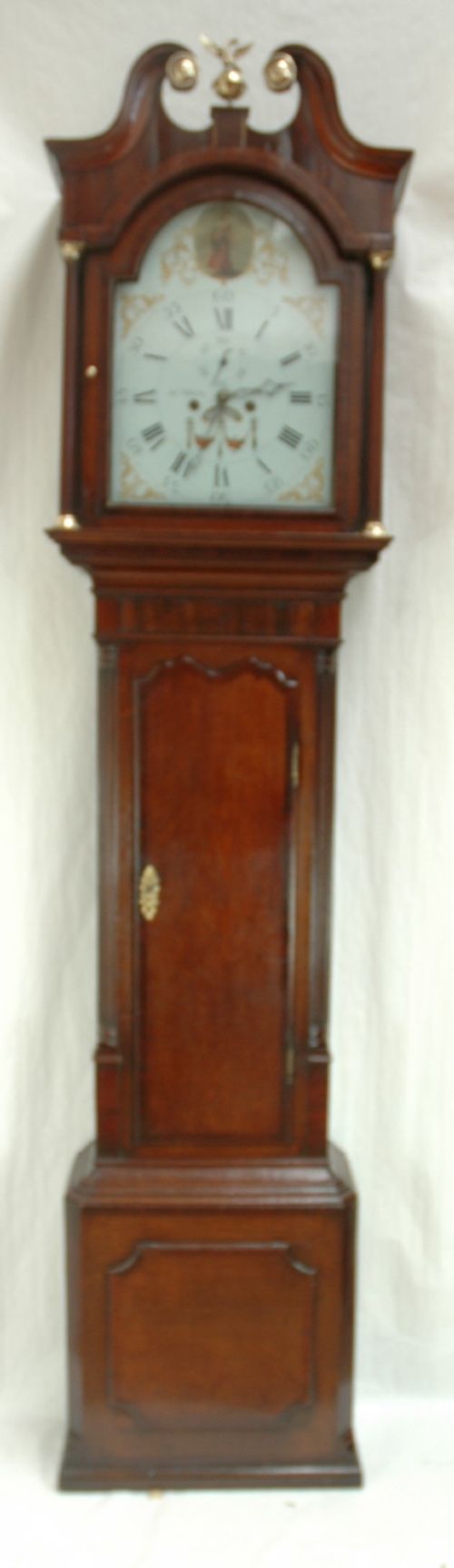
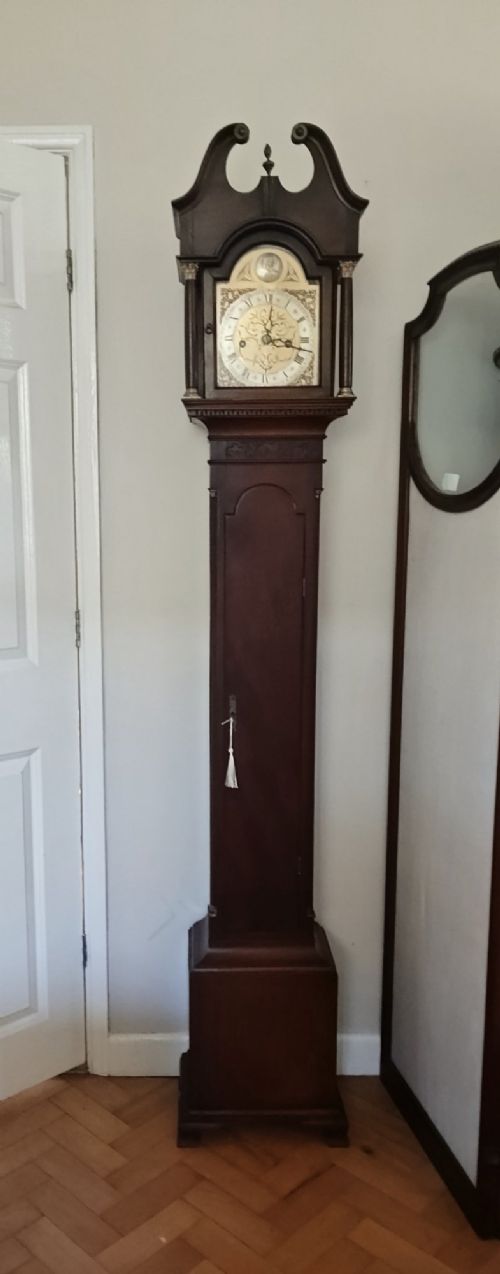
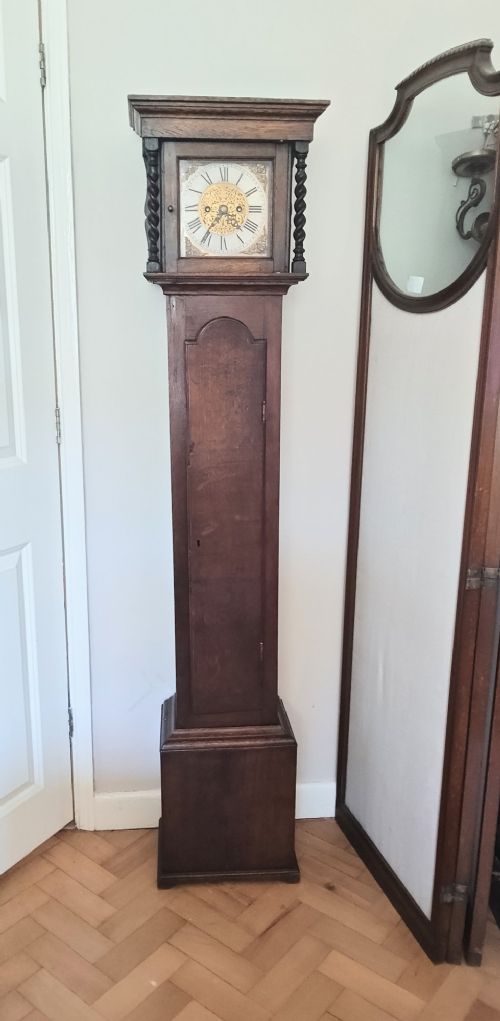
A traditional standing clock appears primarily in tall formats such as longcase, grandfather, grandmother and granddaughter clocks spanning Georgian, Victorian and Edwardian periods. These vertical timepieces occupy floor space, housing weights and pendulums within timber enclosures.
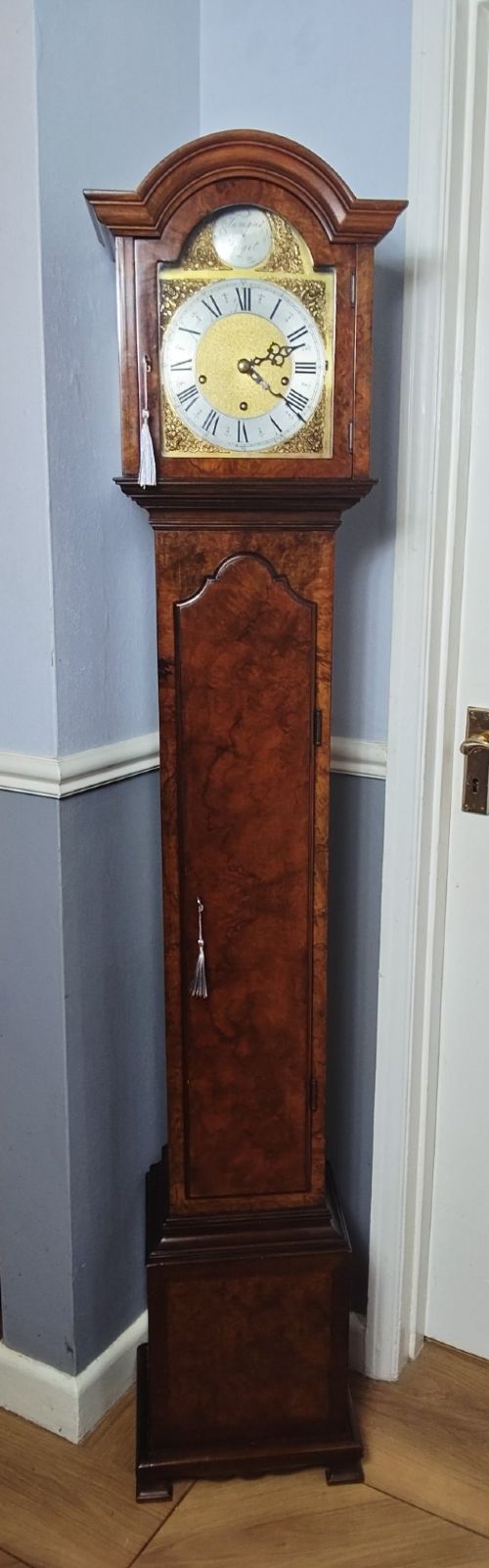
The pieces on this page span the 18th century through to the mid 20th century, encompassing Scottish and English regional workshops alongside London makers. Oak and mahogany dominate the earlier examples, while burr walnut and inlaid veneers emerge in later Edwardian and 1930s variations.
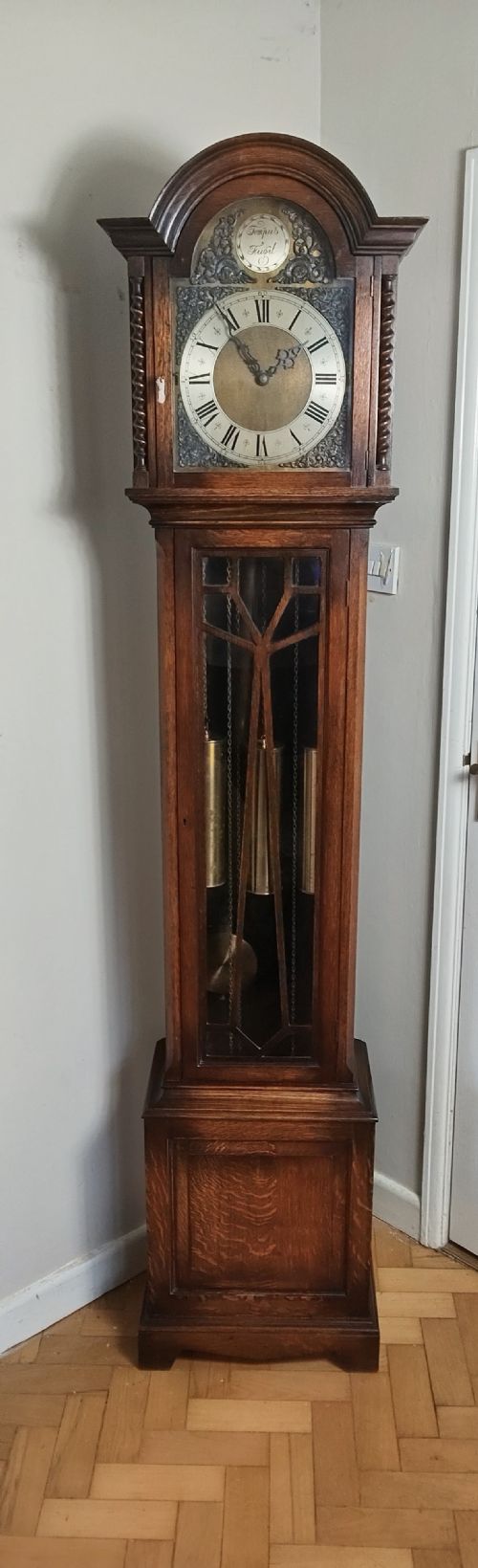
Forms range from grand, musical three-weight longcase clocks down to more compact grandmother and granddaughter clocks suited for lower ceilings. Dials feature subsidiary seconds, moon rollers and strike-silent mechanisms housed beneath glass doors.
What varies in quality
Proportion and scale dictate the visual success of the piece, with narrower proportions and deliberate architectural mouldings marking out better regional or London craftsmanship. The integration of moon rollers and subsidiary dials adds mechanical complexity that distinguishes advanced horology from simpler time-only mechanisms.
Traditional Standing Clock Retail Price Guide 2026
Typical asking prices for traditional standing clock among the pieces listed under this phrase on Sellingantiques today, from the lower quarter to the upper quarter. They describe what is for sale here now, not the wider market.
Listings feature woods spanning oak, mahogany, walnut and burr walnut across Georgian, Victorian and Edwardian eras.
James Hendrie Falkirk·James McCabe·Winsor Bishop Norwich·Henry Weedon London·Thwaites London
The Traditional Standing Clock Glossary
- Longcase clock
- A tall, weight-driven pendulum clock enclosed in a wooden case standing directly on the floor. These pieces are often referred to colloquially as grandfather clocks.
- Grandmother clock
- A smaller, more slender version of the longcase clock, typically produced during the early to mid 20th century. They fit into lower ceiling heights while retaining weight-driven movements.
- Strike-silent
- A mechanism allowing the clock's striking train to be disengaged at night. This stops the hours from sounding without halting the timekeeping movement itself.
- Moon roller
- A secondary dial mechanism that tracks the phases of the lunar cycle behind a painted arched aperture. It rotates once every lunar month.
- Spandrel
- The decorative metal corner piece mounted on the dial surrounding the central chapter ring. They evolved in style from cast brass ornamentation to painted floral spandrels in later periods.
Traditional Standing Clock: Frequently Asked Questions
How do I wind a traditional standing clock?
Winding involves using a matching key or crank inserted into the winding holes on the dial face to draw the weights upward. Care must be taken not to overwind the movement.
Most 8-day movements require weekly attention, while three-weight musical versions demand the same routine across multiple trains for chimes and time.
Where should I place a longcase clock?
Position the piece against a sturdy interior wall away from direct sunlight, heating vents and damp areas. External walls suffer from temperature fluctuations that affect wood movement.
The case must stand on a level surface so the pendulum hangs plumb and keeps an even beat.
What is the difference between a grandfather and grandmother clock?
A grandfather clock is a full-sized longcase timepiece standing typically over six feet tall, housing heavy weights and long pendulums. They date frequently from the 18th and 19th centuries.
Grandmother clocks are significantly shorter and narrower versions, mostly manufactured during the 20th century to suit more modest domestic spaces.
Why does the clock tick unevenly?
An uneven tick indicates the clock is out of beat, meaning the anchor pallet strikes the escape wheel unevenly. Adjusting the crutch rod or leveling the case base corrects this.
Floor shifts caused by settling carpets or timber joists often trigger this minor imbalance in older mechanisms.
How do I date an antique clock?
Dating relies on stylistic clues in the wooden case architecture, dial design, and the engraved signature of the maker on the brass face. Georgian dials differ markedly in lettering and spandrels from Edwardian examples.
Cabinet timbers also provide evidence, as oak predominated in earlier periods before mahogany and walnut gained favour.