
Traditional Pendulum Floor Clock
A traditional pendulum floor clock brings a measured rhythm and substantial presence to a room through centuries-old cabinetwork and mechanical precision.
Traditional Pendulum Floor Clock
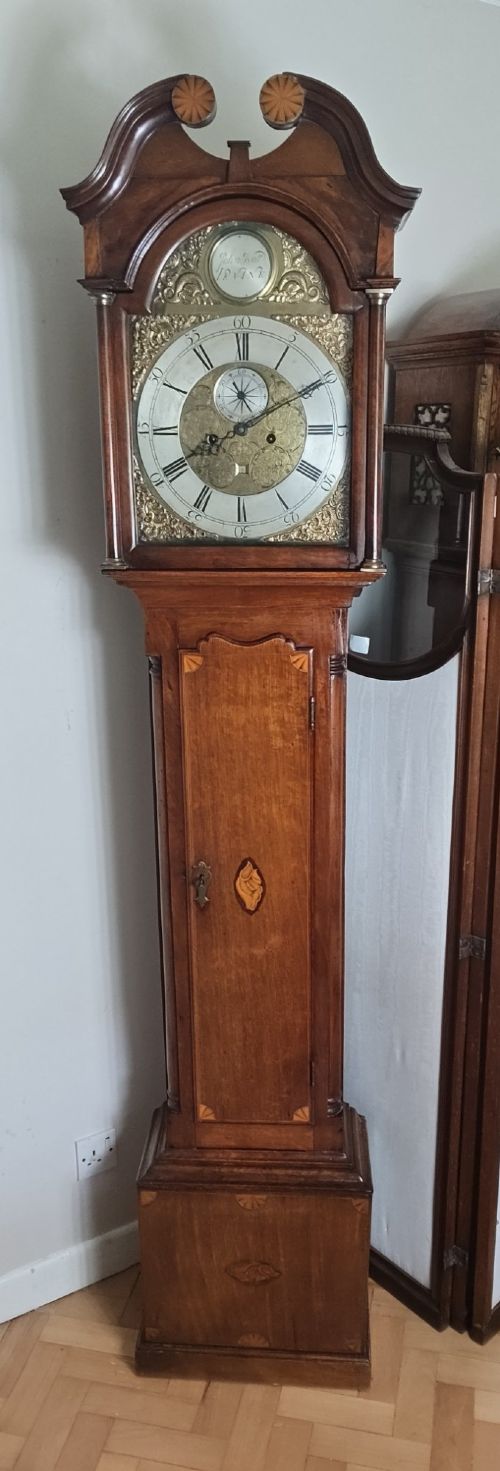
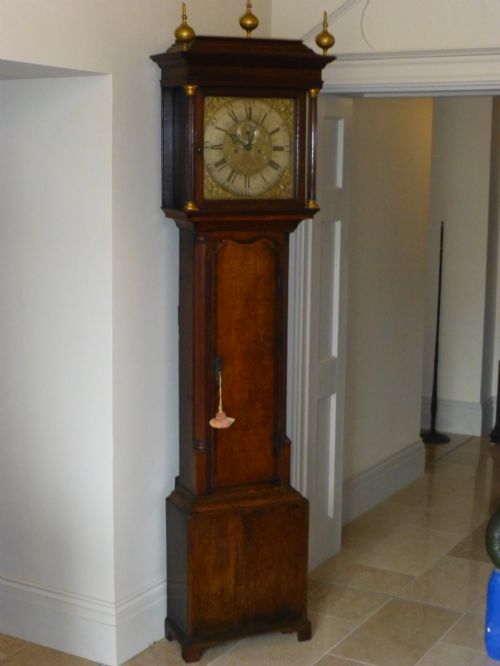
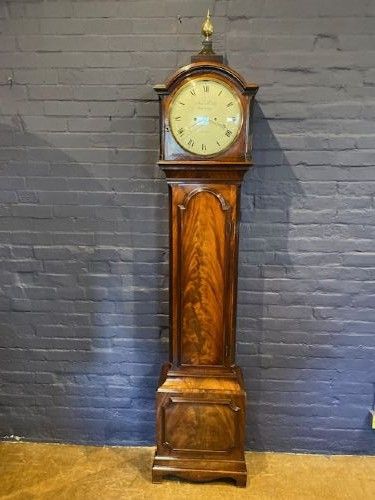
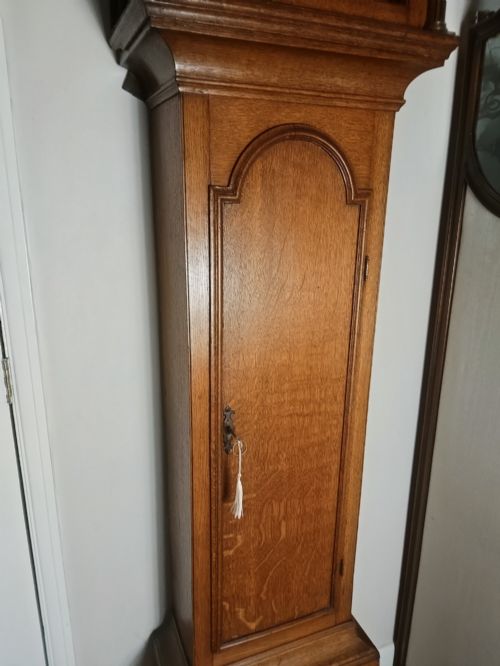
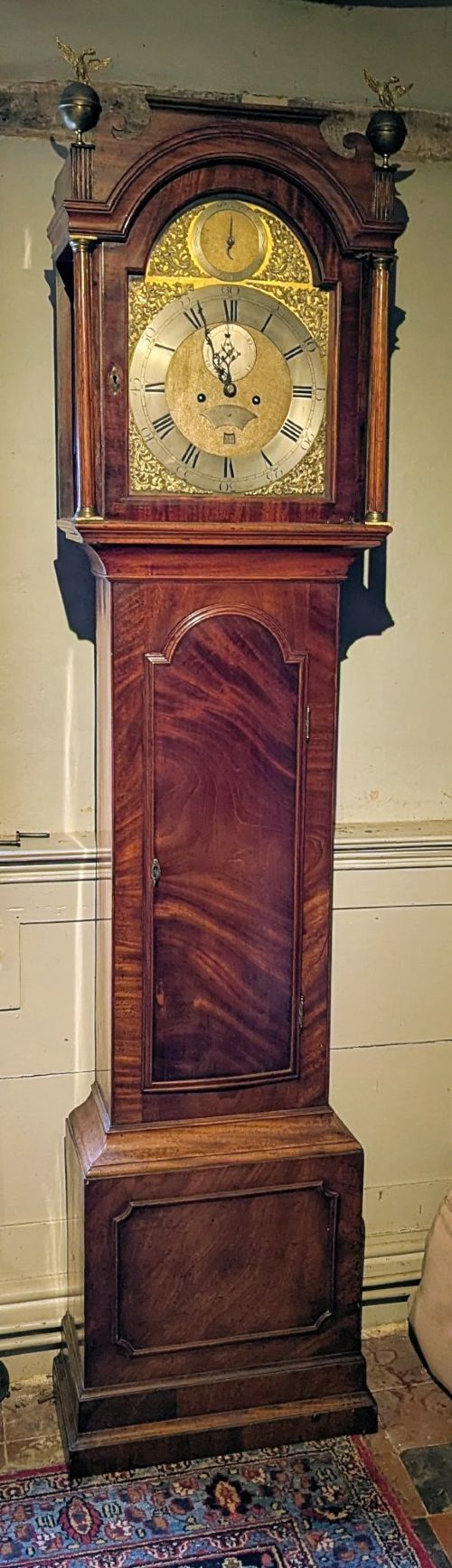
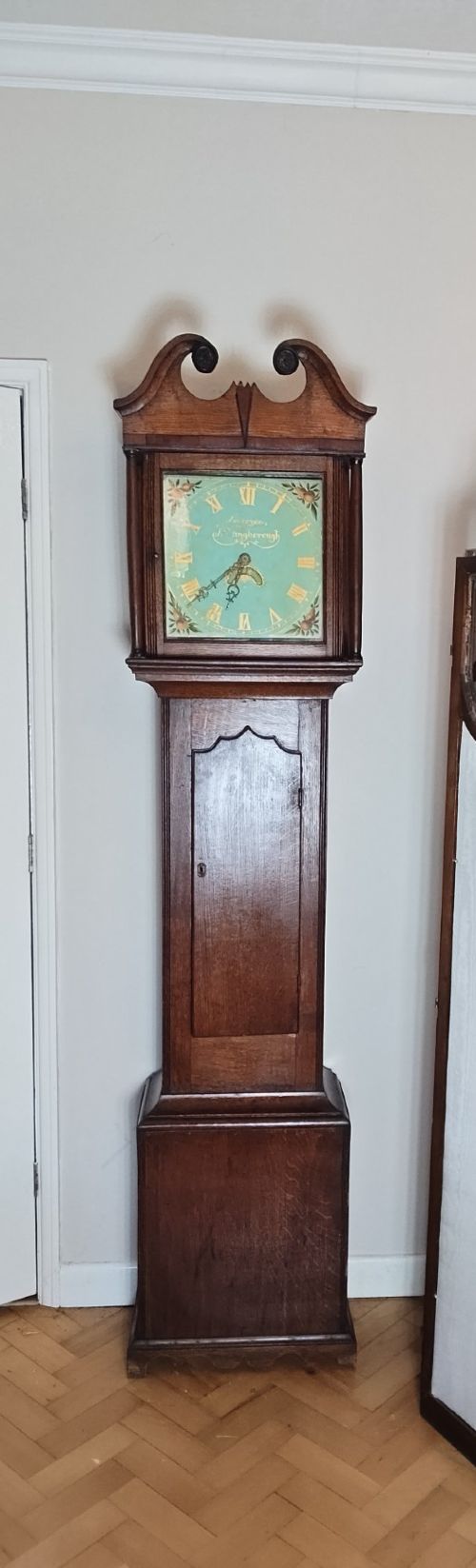
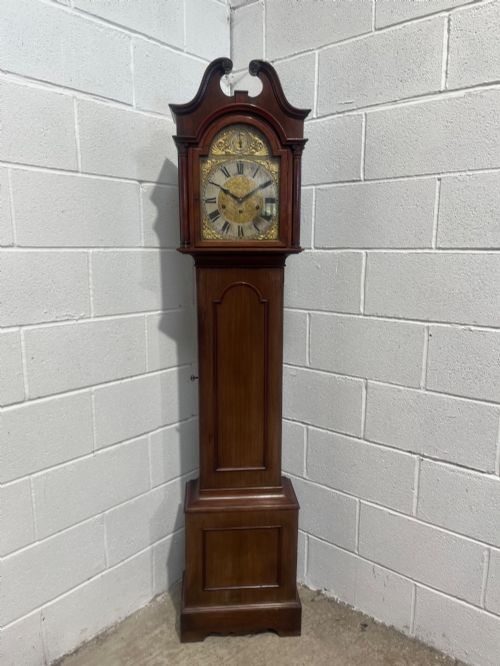
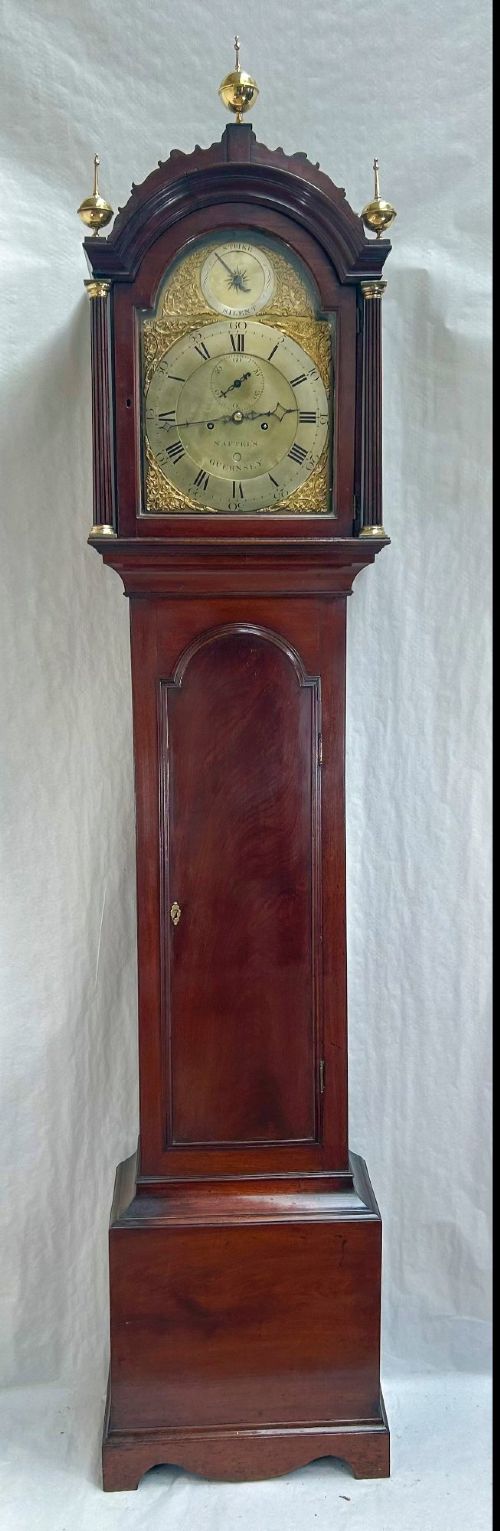
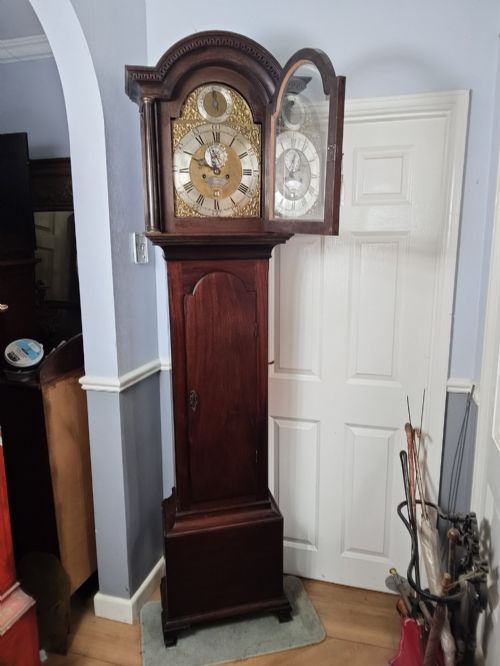
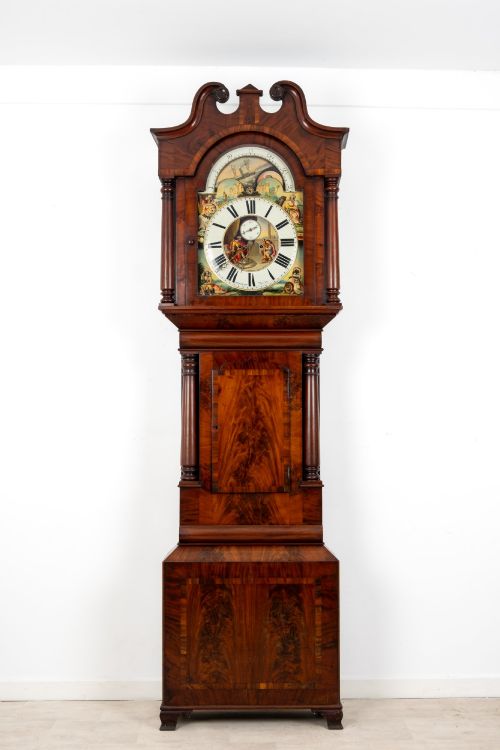
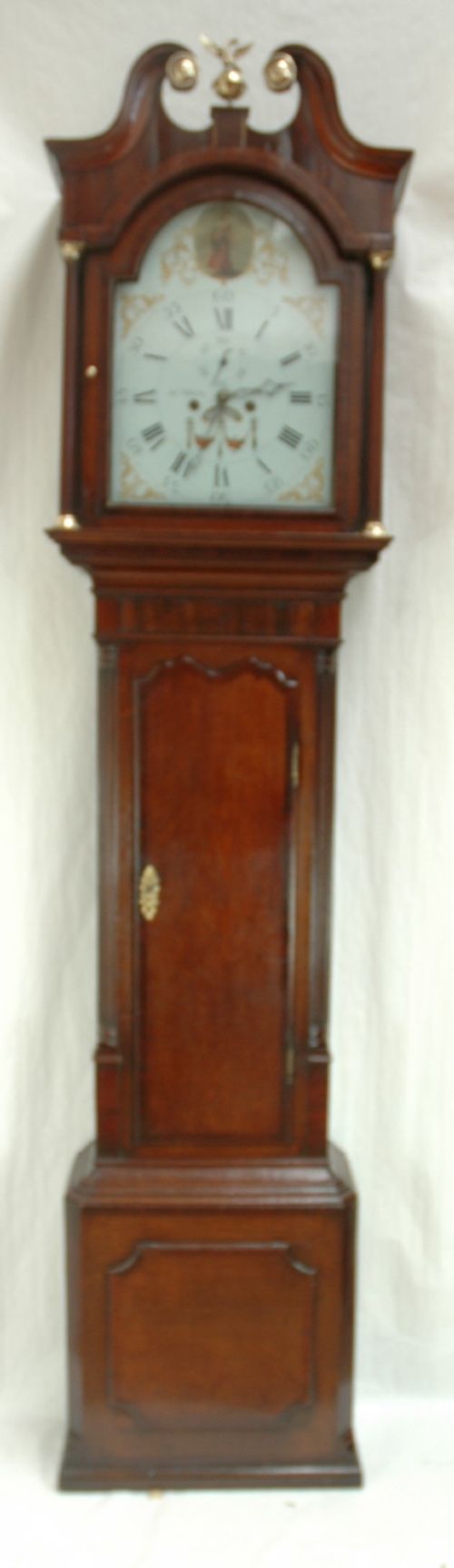
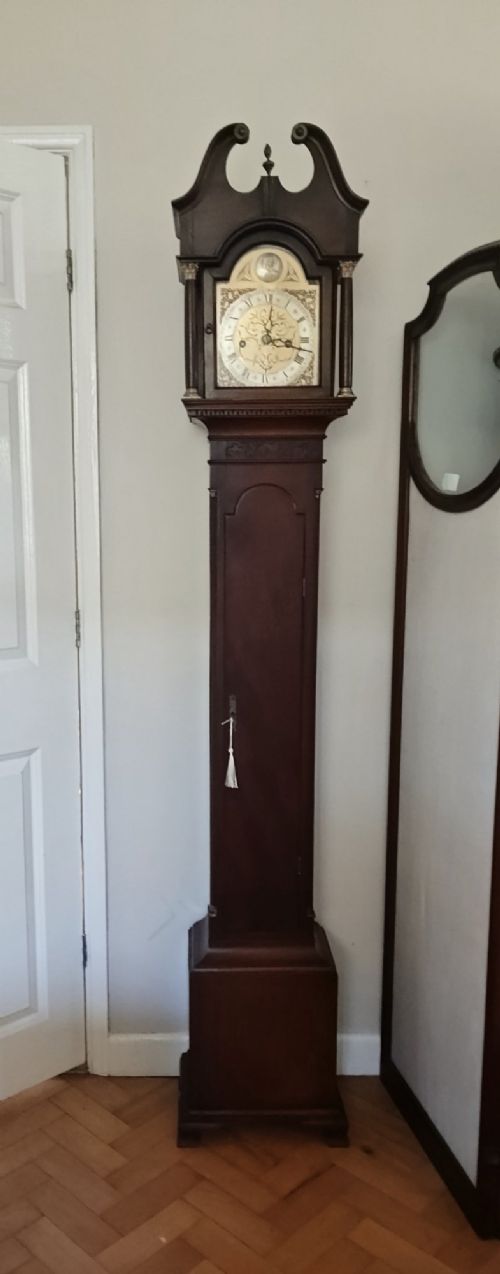
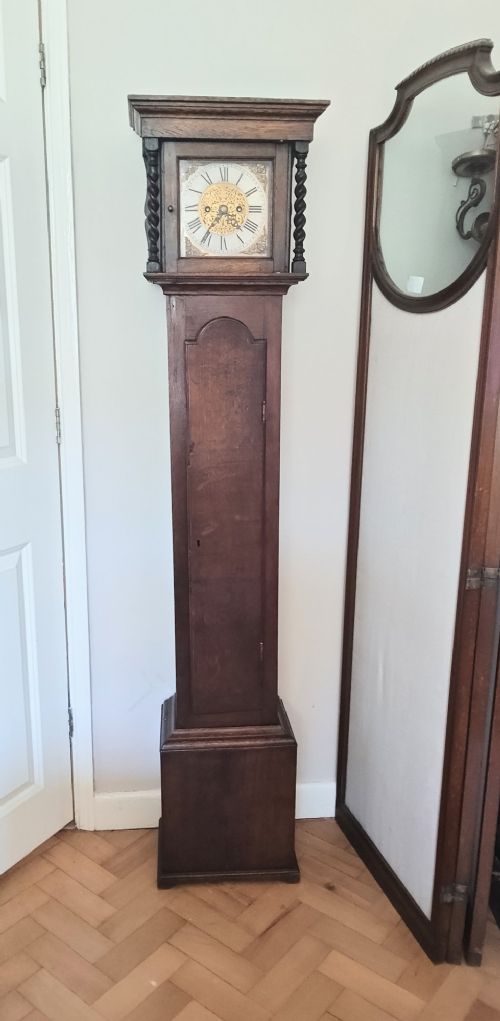
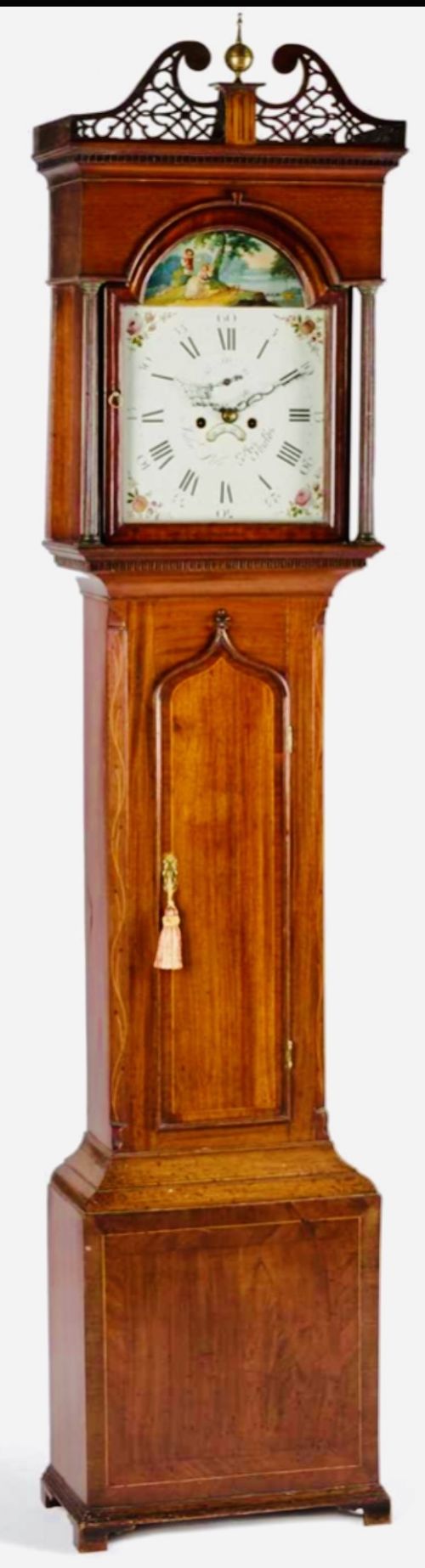
A traditional pendulum floor clock encompasses tall case timepieces commonly known as longcase, grandfather, grandmother, and granddaughter clocks. The selection spans robust oak examples from the Georgian and 18th century periods alongside refined mahogany and walnut forms from the 19th century and Edwardian eras. These upright timekeepers combine towering wooden hoods and trunks with exposed swinging weights and pendulum movements.
Buyers frequently encounter mahogany and oak longcase clocks featuring brass dials, moon phase rollers, and strike-silent mechanisms. Smaller grandmother and granddaughter variants emerge in later Edwardian and 19th-century iterations, offering similar proportions on a reduced scale. Scottish regional examples and London-made pieces populate the selection, displaying distinct regional dial painting and cabinet joinery.
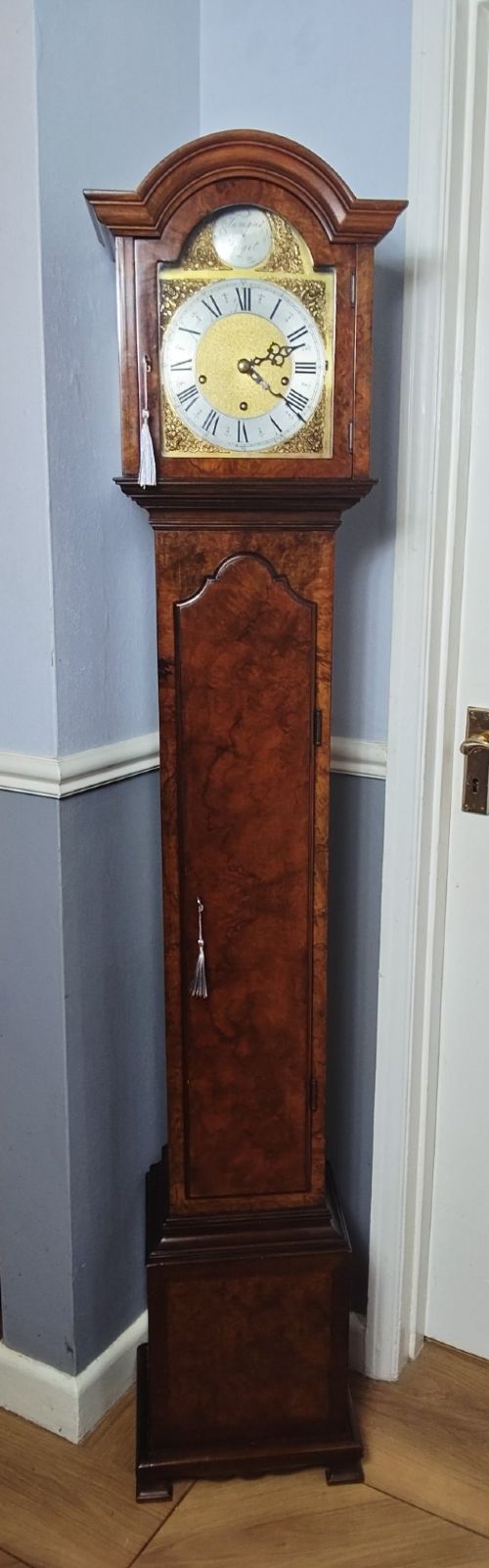
The assortment reaches from early Georgian strike-silent models to 20th-century musical quarter-chiming variants housed in burr walnut. Oak and mahogany predominate across the traditional pendulum floor clock category, housing either eight-day movements or triple-weight mechanisms. Each piece relies on the steady arc of the pendulum to drive its gear train and articulate the hours.
Materials and construction methods
Makers fashioned the clock faces from brass or painted iron, pairing engraved chapter rings with subsidiary seconds and calendar dials. Dial arches frequently accommodate moon roller mechanisms that track lunar cycles alongside the time. Joinery techniques varied from regional country workshops producing sturdy oak cases to metropolitan cabinetmakers executing precise mahogany and walnut cabinetry.
Traditional Pendulum Floor Clock Retail Price Guide 2026
Typical asking prices for traditional pendulum floor clock among the pieces listed under this phrase on Sellingantiques today, from the lower quarter to the upper quarter. They describe what is for sale here now, not the wider market.
Some clocks feature painted horses trotting across the dial arch alongside traditional lunar phases.
Variations in standard and execution
The refinement of the cabinetwork and the sophistication of the clock movement define the upper tier of pieces. Master makers integrated quarter-chiming musical capabilities and strike-silent functions into robust frames, contrasting with simpler single-train timepieces. Finely figured walnut and flame mahogany veneers, combined with crisp brass dial engraving, distinguish superior examples from standard regional production.
Proportion and scale also dictate quality, particularly among smaller grandmother and granddaughter clocks where maintaining traditional architectural balance requires high joinery skill. The integration of moon phase rollers and subsidiary dials points to advanced horological ambition. Preservation of original surfaces, patination on the timber, and intact movement trains elevate the standing of any traditional pendulum floor clock.
Smith of Chester·James McCabe·Parkinson Bros Batley·Rickards Wotton Under Edge·Elliott·Priory of Dundee Scotland·Henry Weedon London·Mclennan London·Thwaites London·David Craig Ford Path head
The Traditional Pendulum Floor Clock Glossary
- Longcase clock
- A tall, weight-driven pendulum clock housed in a wooden case consisting of a base, trunk, and hood. These floor-standing timepieces are frequently referred to as grandfather clocks.
- Grandmother clock
- A smaller, scaled-down version of the traditional longcase clock, typically produced during the 20th century. They offer the mechanical complexity of full-sized clocks in a compact floor-standing format.
- Moon phase
- A mechanical complication on the dial that tracks the phases of the lunar cycle using a rotating disc behind an arched aperture. This feature was popular on 18th-century and 19th-century movements.
- Strike-silent
- A mechanism that allows the user to disengage the striking train so the clock remains quiet during specific hours. It indicates advanced horological execution in traditional movements.
- Spandrel
- The decorative metal corner piece mounted on the dial surrounding the chapter ring. These cast brass ornaments varied in style according to the period and maker.
Traditional Pendulum Floor Clock: Frequently Asked Questions
How do I set up a traditional pendulum floor clock?
Position the case on a level floor against a secure wall, ensuring the trunk stands plumb so the pendulum swings evenly. Suspend the weights from their respective chains or cords and gently start the pendulum swinging from side to side.
Allow the movement to settle into a natural beat before adjusting the hands to the correct time. Avoid moving the minute hand backward past the hour when the strike train is engaging.
What is the difference between a grandfather and grandmother clock?
A grandfather clock is a full-sized traditional pendulum floor clock, typically standing over six feet tall with an eight-day movement. Grandmother clocks are smaller variants, generally measuring under six feet in height.
Grandmother clocks emerged primarily in the 20th century to fit modern ceiling heights while retaining traditional mechanical movements and dial designs.
How do eight-day movements differ from single-weight systems?
An eight-day movement requires winding once a week, utilising two or three weights suspended by cords or chains to power the time, strike, and chime trains. These setups demand taller cases to allow sufficient drop for the heavy weights.
Simpler systems may utilise single weights or daily winding intervals depending on the complexity of the gear train and whether the piece incorporates musical quarter chimes.
How can I identify a Georgian longcase clock?
Georgian longcase clocks exhibit architectural styles characteristic of the reigns of Georges I through IV, predominantly utilising solid oak or mahogany. Cases from this period often feature restrained mouldings, square or arched brass dials, and hand-engraved chapter rings.
Makers from this era frequently signed their work directly on the brass dial plate, and movements were built entirely by hand in regional workshops or London establishments.