

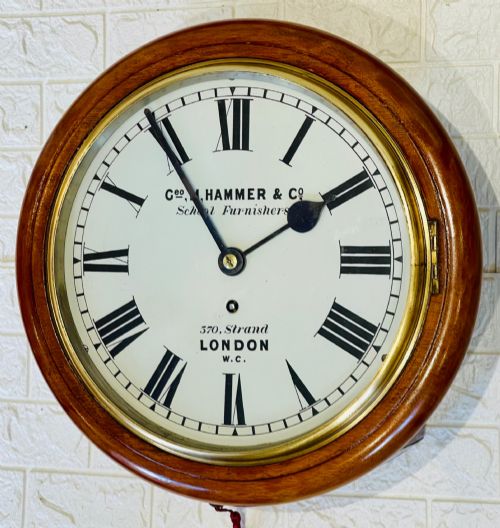
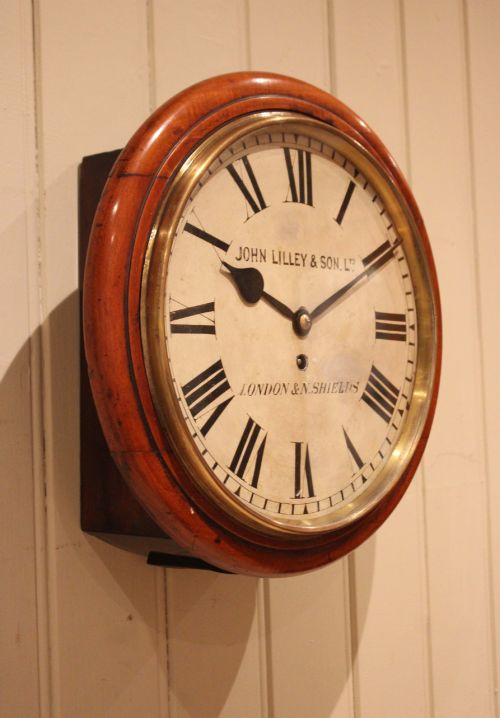
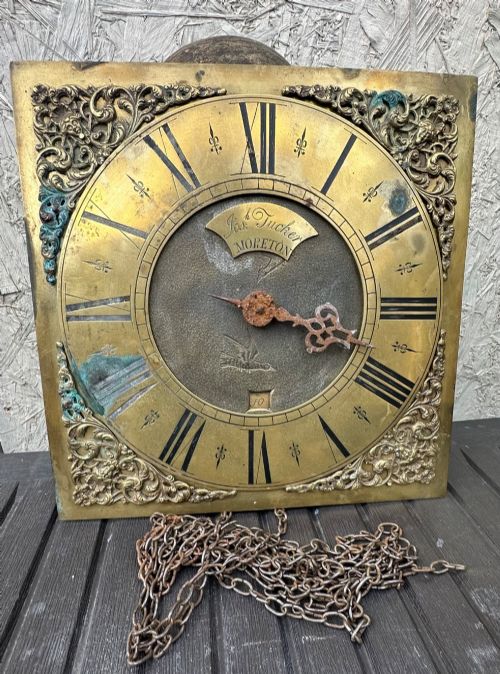
Brass Wall Clock
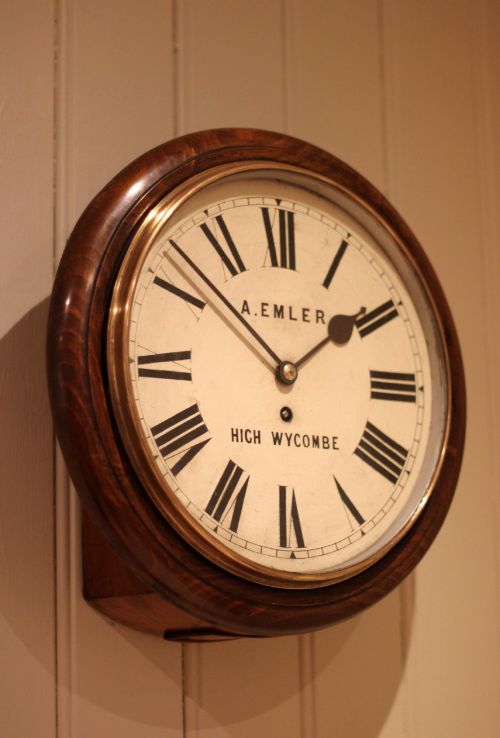
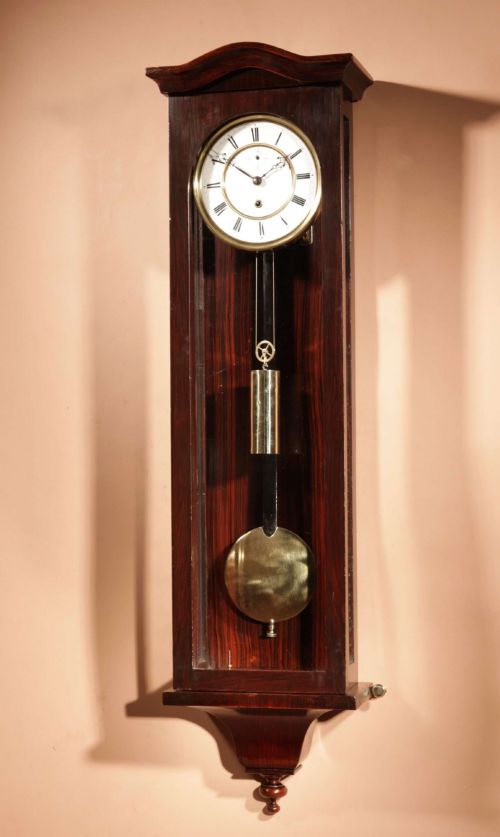
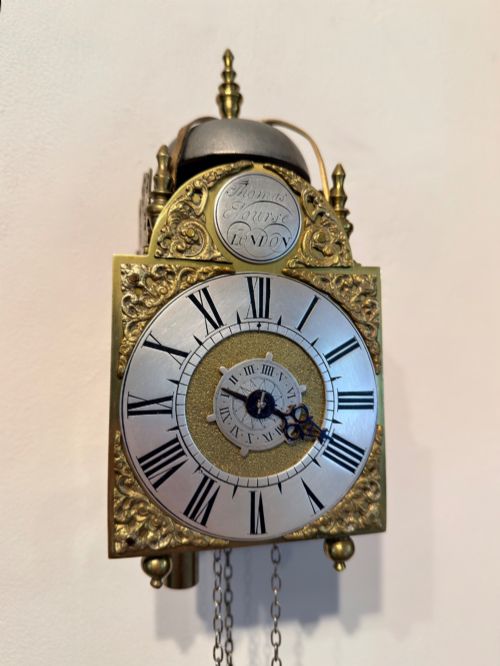
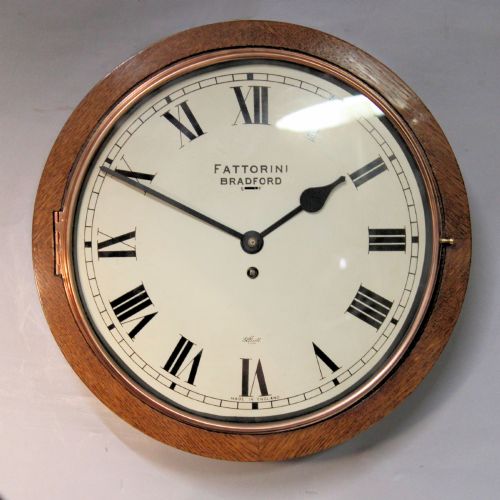
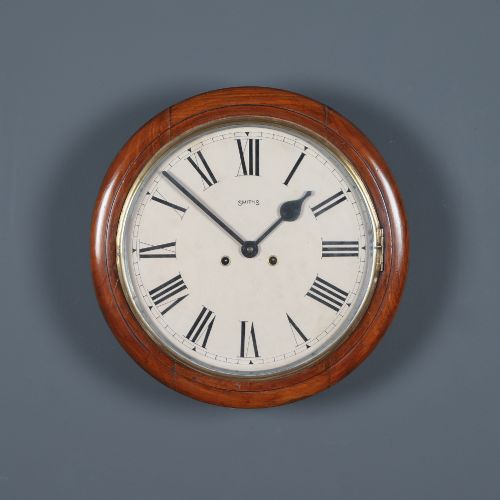
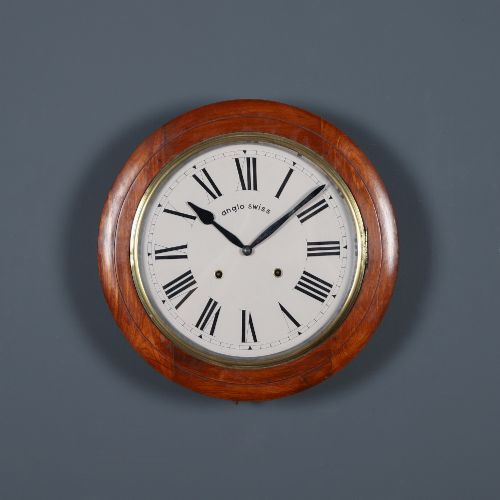
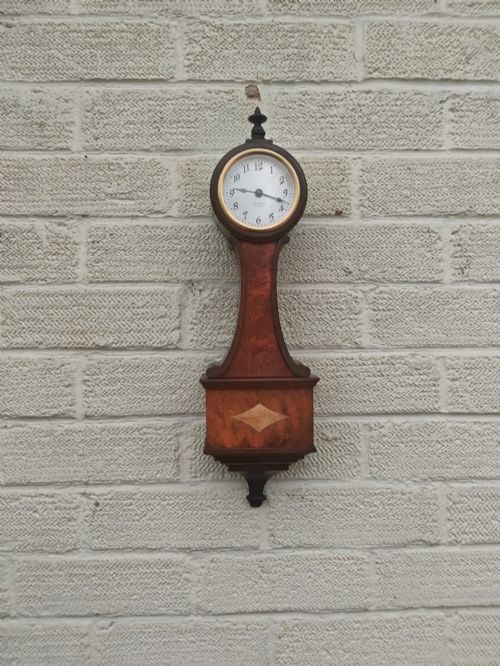
These brass wall clock examples range from maritime bulkheads to inlaid rosewood drops, bringing mechanical character and period weight to any room.
Identifying your brass wall clock
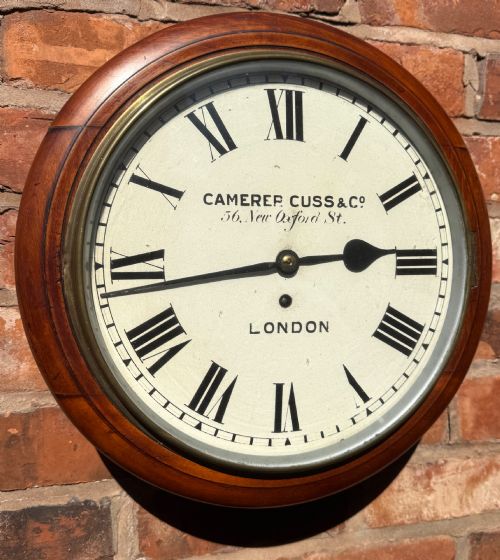
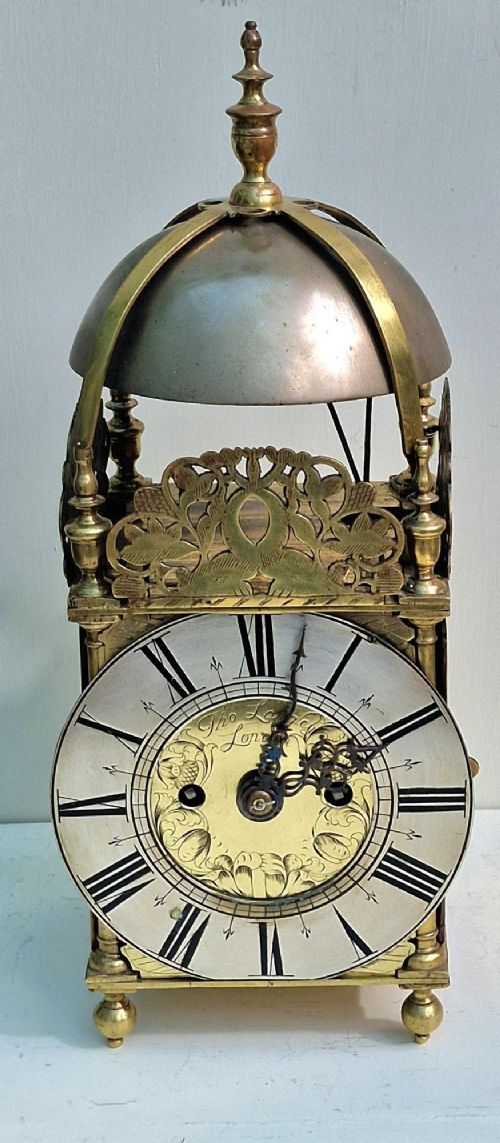
A brass wall clock brings mechanical purpose to domestic and maritime interiors, spanning periods from nineteenth-century fusee movements to twentieth-century art deco designs. When you search for this phrase, you meet pieces defined by heavy metal bezels, glass dials, and timber surrounds in oak, elm, mahogany, rosewood, and walnut.
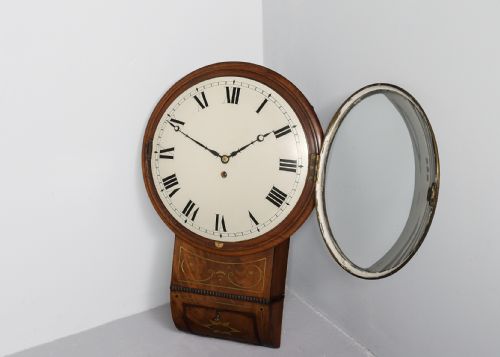
The specimens on this page lean heavily towards marine and bulkhead forms alongside inlaid drop dials and French cartel clocks. Maritime examples often feature robust brass cases designed to withstand shipboard movement, while nineteenth-century library and tavern clocks utilise rich timber cases accented with brass inlay.
Earlier nineteenth-century models frequently house fusee movements designed for accurate timekeeping, whereas later twentieth-century iterations incorporate styles such as art nouveau and art deco. You will encounter variations spanning Georgian, Regency, Victorian, and Edwardian eras, each carrying distinct regional and workshop traits.
Materials and construction
Makers built these pieces using heavy cast and spun brass for bezels, dials, and cartel frames, paired with protective glass faces and occasionally enamel chapter rings. Timber cases combined native and exotic woods including oak, elm, mahogany, rosewood, and occasional satinwood or mother-of-pearl inlay.
Movements relied on traditional brass gear trains, with fusee mechanisms appearing widely in English wall clocks to maintain even tension on the chain as the mainspring unwound. French cartel clocks utilised elaborate gilt brass castings featuring rococo scrollwork, hunting motifs, or mythical creatures like dragons.
Retail Price Guide 2026
Typical UK retail prices for brass wall clock, calculated from the Sellingantiques database of over a million retail prices indexed since 2003. This retail price guide relies exclusively on Sellingantiques data; no external sources or auction records are used, so the figures do not describe the wider market.
Certain French cartel clocks feature roaring dragons guarding the dial, proving that even telling the time required a touch of mythical theatre.
Judging quality in brass wall clocks
The distinction between standard production and top-tier work lies in the crispness of the brass casting, the depth of the case timber, and the refinement of the movement. Superior examples exhibit hand-engraved dials, substantial brass cases with minimal pitting, and finely finished fusee movements bearing maker signatures.
Cabinetwork separates the ordinary from the exceptional, particularly in brass-inlaid rosewood and mahogany drop dials where precise stringing and mother-of-pearl accents must sit flush with the grain. Gilt brass cartel clocks achieve distinction through deeply chased relief work and substantial gauge metal rather than thin pressed sheet.
Thomas Lindey of Bristol·Parkinson and Bouts·Zenith·Philipp Haas·Japy Freres·Samuel Marti
The Brass Wall Clock Glossary
- Fusee
- A conical pulley used in spring-driven clocks to equalise the torque of the mainspring as it runs down. This mechanism ensures consistent timekeeping across the duration of the wind.
- Drop dial
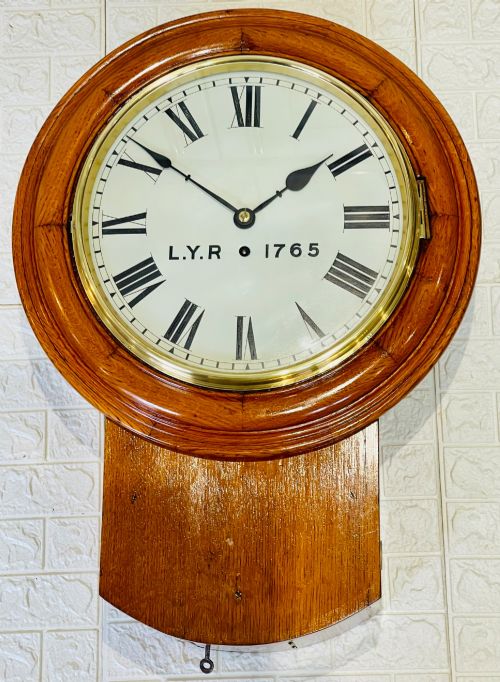
- A wall clock featuring a circular dial above an extended wooden trunk that houses the pendulum. The lower case often incorporates glazed inspection doors and brass inlay.
- Cartel clock
- An ornate wall clock housed in an asymmetrical, scroll-cast metal frame, frequently associated with French rococo design. These pieces rely on wall-mounting brackets rather than flat case backs.
- Bulkhead clock
- A rugged marine timepiece engineered for shipboard use with a heavy brass case and secure screw bezel. They were built to withstand moisture and constant vessel vibration.
- Chapter ring
- The outer circle on a clock dial that bears the numerals for the hours. On brass clocks, these are often silvered, engraved, or formed of separate enamel cartouche plaques.
Frequently Asked Questions
How do fusee wall clocks work?
A fusee movement uses a conical pulley connected to the mainspring via a fine chain or cord. As the spring unwinds, the chain moves to a wider part of the cone, maintaining steady power to the escapement.
This clever engineering compensates for the weakening spring force over time, delivering far more reliable timekeeping than standard spring-driven alternatives.
Where were ships clocks mounted?
Ships clocks found their homes on the bulkheads of navigation rooms, captain's cabins, and wheelhouses across commercial and naval vessels. Their heavy brass construction and secure screw-fit bezels prevented salt air and motion from damaging the delicate internal gears.
Today, these robust marine pieces transition easily into domestic hallways, studies, and kitchens where their utilitarian origins create a striking focal point.
How do I date a brass wall clock?
Dating relies on examining the case timber, dial construction, movement type, and any signature engraving on the backplate. Regency and Victorian examples frequently feature fusee movements in rosewood or mahogany cases with brass inlay, while Edwardian and later pieces shift towards simpler oak or utilitarian marine housings.
Maker signatures and patent marks stamped onto the brass plates or dial faces provide the most precise chronological anchor for your piece.
How do I care for an antique brass clock?
Keep your clock away from direct sunlight, damp walls, and sudden temperature fluctuations that can warp timber cases or dry out movement lubricants. Regular professional servicing ensures the brass gears and pivots avoid excessive wear over decades of operation.
Avoid aggressive metal polishes on the brass case, as preserving the natural patination maintains both the historical integrity and visual depth of the metal.