

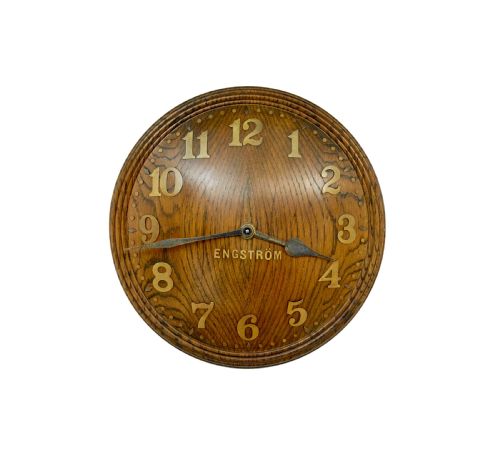


Art Deco Timekeeper
An art deco timekeeper is a precise instrument of the interwar years, offering functional design and striking geometric form for daily use.
Art Deco Timekeeper
An art deco timekeeper spans several distinct domestic and personal formats, originating primarily in the decades of the 1920s and 1930s. Buyers searching for an art deco timekeeper encounter wall clocks, mantel clocks, carriage clocks, and desk clocks alongside wearable pieces like pocket watches and wristwatches.
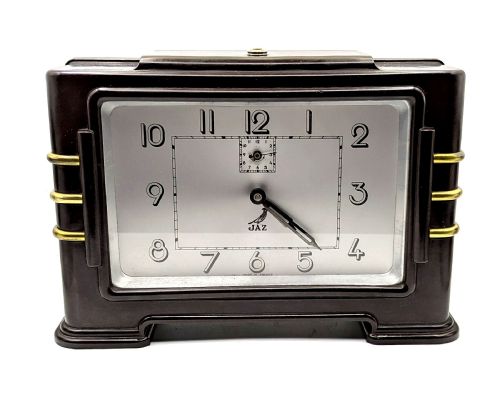
The domestic versions frequently employ architectural silhouettes and streamlined housings. Mantel clocks and wall clocks dominate the larger domestic forms, utilising woods like oak, walnut, and elm alongside metals and glass.
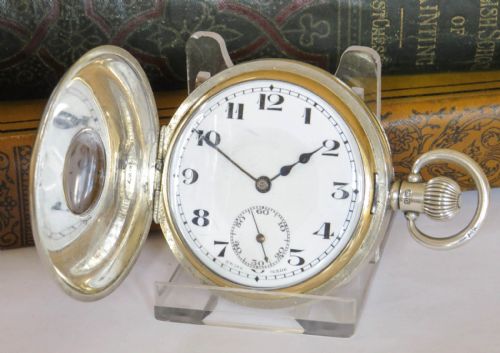
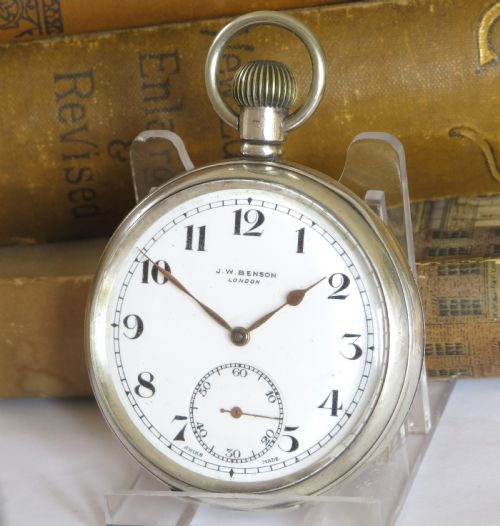
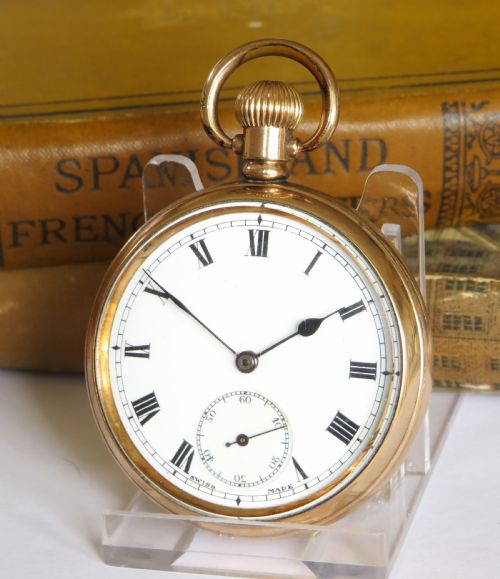
Personal timepieces from this era provide smaller mechanical options for daily carry or wear. Silver and rolled gold pocket watches, silver hunter pocket watches, and square dial wristwatches represent the portable side of the category.
How they were made
Makers of the period combined traditional cabinetmaking timbers with industrial metals and early synthetics. Oak, walnut, and elm form the wooden cases of wall and mantel clocks, while brass, chrome, and silver provide polished bezels and structural mounts.
Bakelite and glass appear alongside leather straps and enamel dials, reflecting the era's embrace of new manufacturing capabilities. Movements inside these cases range from eight-day mechanisms to specialised pocket watch movements signed by makers such as Cyma, Zenith, and Elgin.
Art Deco Timekeeper Retail Price Guide 2026
Typical asking prices for art deco timekeeper among the pieces listed under this phrase on Sellingantiques today, from the lower quarter to the upper quarter. They describe what is for sale here now, not the wider market.
Watches and clocks in the selection range from silver presentation pieces to pivoting eight-day desk instruments.
What varies in quality
The distinction between standard commercial production and finer work rests on the integration of materials and the execution of the movement. Cases finished in figured walnut or utilising specialised pivoting chrome designs demonstrate greater ambition than plain timber boxes.
Signed movements from established houses carry more weight among collectors than unbranded mechanisms. The preservation of original dials, hands, and matching cases determines the integrity of the piece.
J W Benson·Jaz·Zenith·Ferdinand Priess·Elgin
The Art Deco Timekeeper Glossary
- Hunter pocket watch
- A pocket watch featuring a spring-hinged metal cover designed to protect the glass dial crystal. This style was frequently issued for presentations or bravery awards.
- Carriage clock
- A small, portable spring-driven clock originally designed for travelling. These pieces often feature glass panels allowing a view of the internal escapement.
- Bakelite
- An early thermosetting plastic phenol formaldehyde resin used for moulded clock cases. It provides durable housing with a smooth, glossy surface.
- Silver hunter
- A pocket watch encased in solid silver with a protective spring lid. These pieces often bear hallmarks and presentation engravings from the period.
- Escapement
- The internal mechanical linkage that controls the release of gear train power to regulate the movement. It creates the characteristic ticking sound of the clock.
Art Deco Timekeeper: Frequently Asked Questions
How do I wind an eight-day clock?
Eight-day clocks require winding every week using a matching key inserted into the dial arbours. Turn the key gently until resistance indicates the mainspring is fully tensioned.
Avoid overwinding the mechanism, as this can damage the internal spring assembly. Ensure the clock is placed on a level surface to keep the beat even.
Are these clocks suitable for daily use?
Many mechanical clocks and pocket watches from this period remain entirely functional for daily timekeeping. Regular use keeps the lubricants distributed within the gear train.
Mechanical pieces benefit from professional servicing every few years to prevent wear on the pivots and gears. Wall and mantel clocks should be mounted securely away from direct heat sources.
How do I tell a 1920s clock from a 1930s clock?
Clocks from the 1920s often retain heavier traditional wood proportions combined with early modernist details. The 1930s introduced more radical streamline styling, chrome plating, and synthetic materials like Bakelite.
Examining the movement hallmarks, style of numerals, and case construction helps clarify the specific decade of production. Stylistic markers shift from geometric symmetry toward curved, aerodynamic forms.