
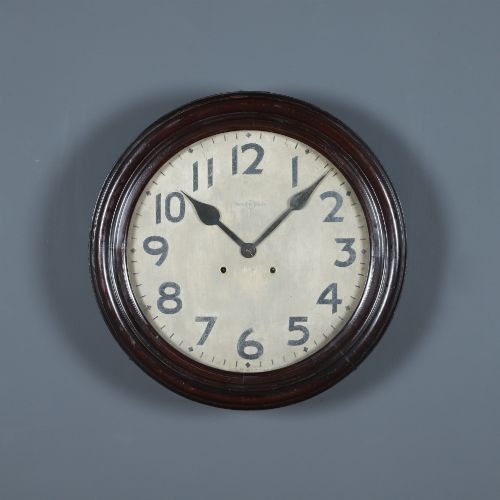


Antique Pub Clock
An antique pub clock delivers bold presence and reliable timekeeping to a room, bringing historical character to domestic and commercial walls alike.
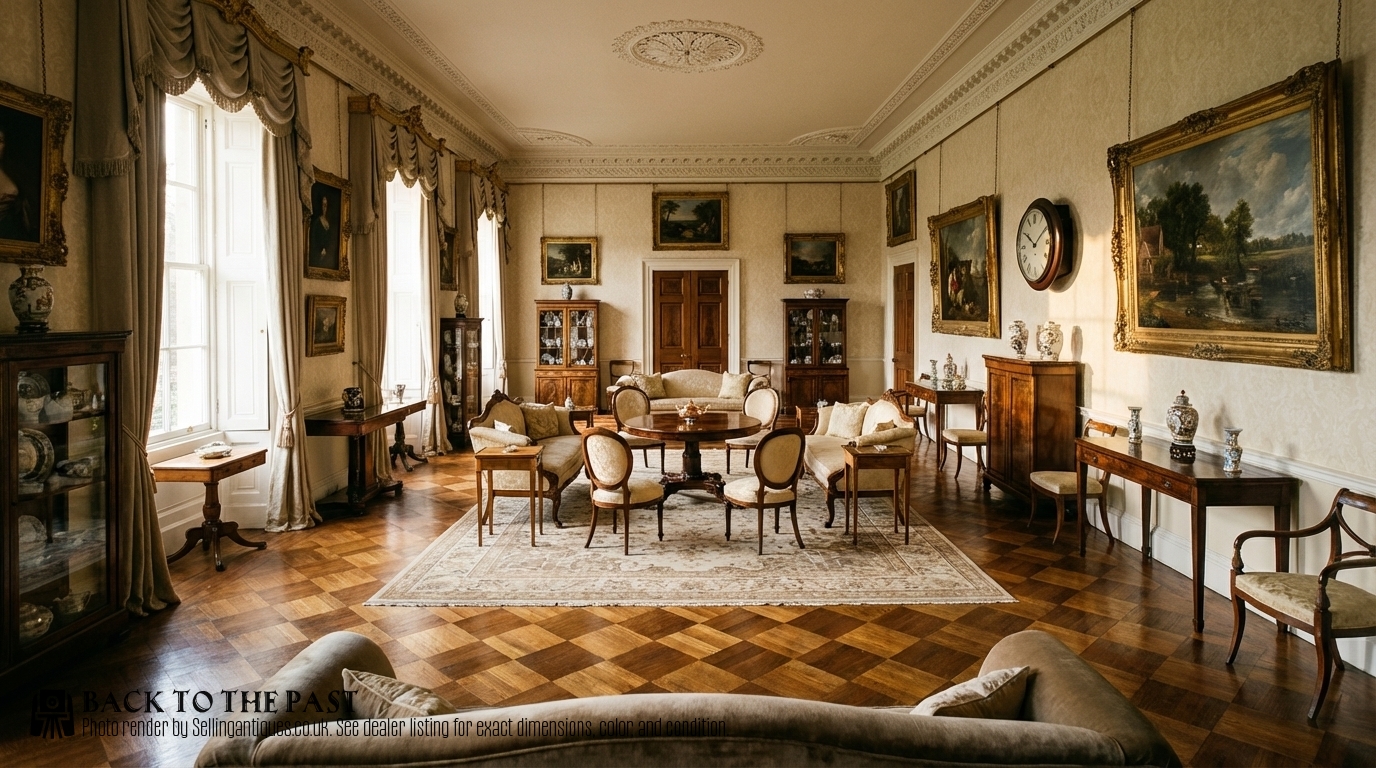
Antique Pub Clock
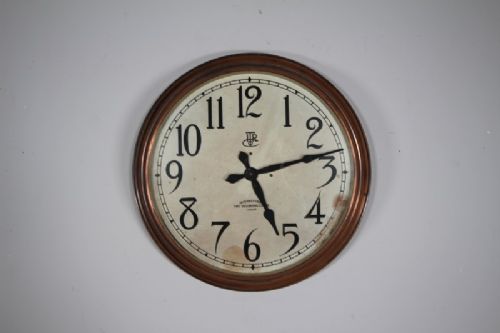
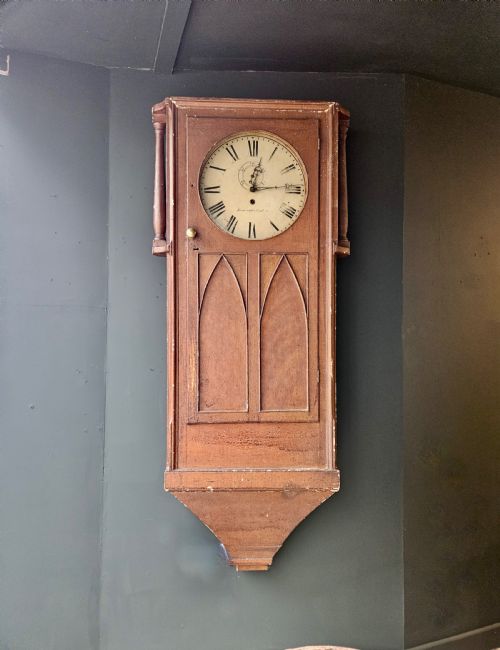
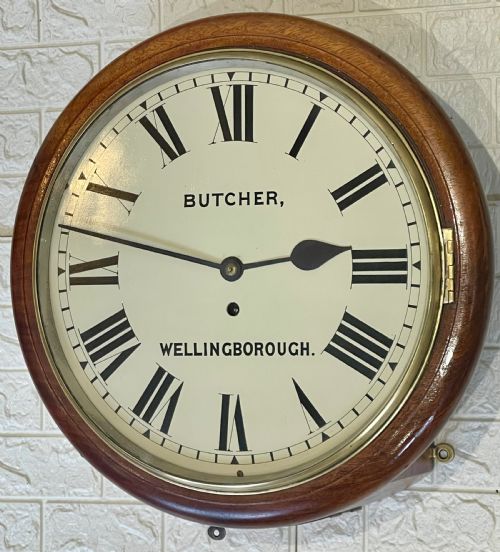
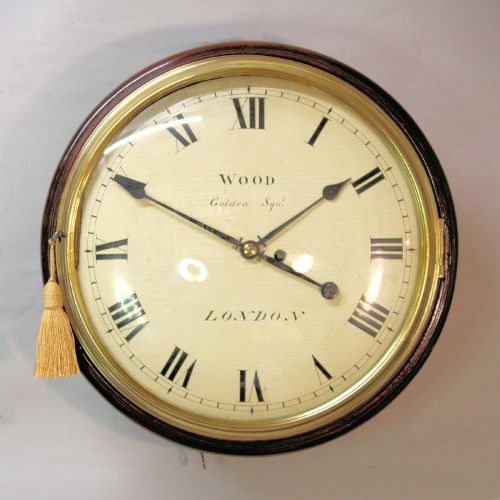
An antique pub clock serves as a striking focal point on a wall, combining practical timekeeping with robust historical character. When you search for an antique pub clock, you encounter large dial wall pieces originating from periods such as the Georgian, Victorian, and Edwardian eras.
The versions most commonly met on this page include mahogany, oak, and pine wall clocks featuring traditional dial faces. These pieces span standard dial clocks, tavern clocks, and related functional timepieces designed for public houses, stations, and factories.
Makers and retailers range from standard workshops to high-end establishments like Harrods, marking a clear trajectory of utility and prestige. Whether house-bound or railway-oriented, each wall clock reflects the functional demands of its period of manufacture.
How they were made
Construction relies heavily on durable timbers like mahogany, oak, pine, and brass, paired with glass dial covers and metal components. Cabinetmakers housed delicate timekeeping mechanisms inside sturdy wooden cases designed to endure busy public environments.
Movements often utilise chain-driven fusee systems to maintain even tension and accurate time as the spring unwinds. Dials feature painted wooden or metal surfaces, sometimes complemented by Sheraton stylebezels or original paint finishes.
Antique Pub Clock Retail Price Guide 2026
Typical asking prices for pub clock among the pieces listed under this phrase on Sellingantiques today, from the lower quarter to the upper quarter. They describe what is for sale here now, not the wider market.
Listings feature items spanning the Georgian, Victorian, and Edwardian periods, constructed from mahogany, oak, pine, brass, and glass.
What varies in quality
Quality rests in the sophistication of the internal movement, particularly the presence of a finely adjusted fusee mechanism versus simpler striking configurations. Cabinet work also distinguishes the range, with select timbers, convex wooden dials, and retained original paint finishes commanding greater attention.
Provenance and retail origin elevate certain pieces, demonstrated by marked dials or documented connections to notable department stores like Harrods. Overall execution balances the robustness required for a public house with the refined detailing expected in domestic settings.
Harrods
The Antique Pub Clock Glossary
- Fusee
- A conical pulley used in clock movements to equalise the torque of the mainspring as it unwinds. This mechanism ensures consistent timekeeping accuracy across the power reserve.
- Drop dial
- A wall clock design featuring an extended lower case beneath the circular dial, often housing a pendulum window. This configuration accommodates a longer drop for the weight or pendulum.
- Sheraton style
- A neoclassical furniture style characterised by straight lines, tapered legs, and refined proportions inspired by designer Thomas Sheraton. Bezels and cases utilising this idiom show restrained elegance.
- Tavern clock
- A large pendulum wall clock traditionally hung in public houses and coaching inns for public visibility. These clocks typically feature bold painted dials and robust wooden frames.
- Bezel
- The ring of brass, wood, or metal that holds the glass cover over the dial face. It often swings open on a hinge to allow hand adjustments.
Antique Pub Clock: Frequently Asked Questions
Where should I hang an antique pub clock?
These large wall pieces demand a prominent position with sufficient wall space to display their dials properly. Dining rooms, kitchens, and hallways offer ideal environments where their bold presence can be fully appreciated.
Ensure the wall is sturdy enough to support the weight of timber cases and mechanical movements. Placement should also account for easy access when winding the clock or adjusting the time.
How do fusee movements work?
A fusee movement uses a conical pulley connected to the mainspring via a chain or cord. As the spring loses tension, the chain moves to a wider part of the cone, maintaining steady power.
This clever mechanical arrangement prevents the loss of accuracy as the power winds down. It represents a hallmark of better quality clockmaking.
How do I identify a Georgian clock?
Georgian pieces generally exhibit classic proportions, rich mahogany timbers, and refined dial work associated with the eighteenth and early nineteenth centuries. Look for traditional cabinet construction and subtle decorative details characteristic of the period.
Documentation or retail signatures can further confirm the era of manufacture. Comparing the case style with dated examples helps verify the timeline.
Are these clocks suitable for daily use?
Most antique wall timepieces function reliably when properly maintained and serviced by a professional horologist. Regular winding keeps the mechanical movement operating smoothly.
Care should be taken to place them away from direct heat sources and damp environments. Gentle handling during routine maintenance preserves the historical integrity of the case and dial.