
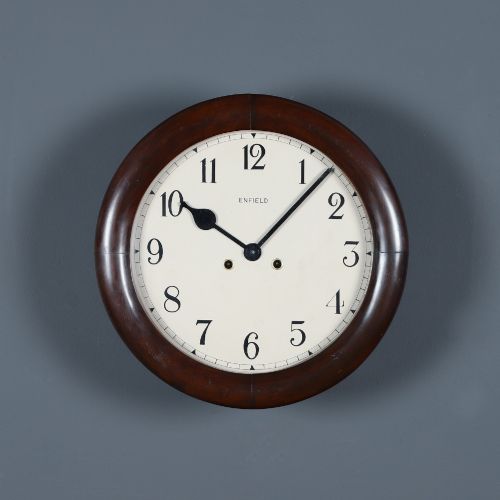
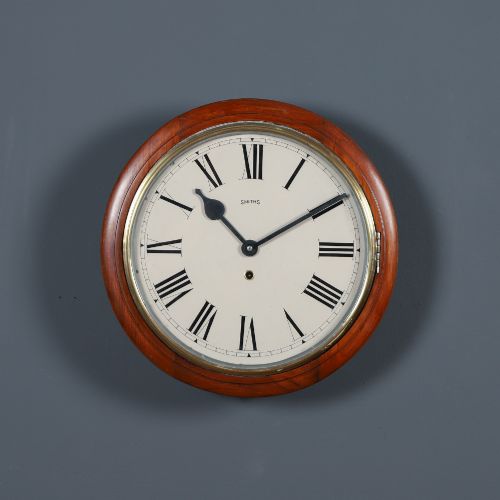
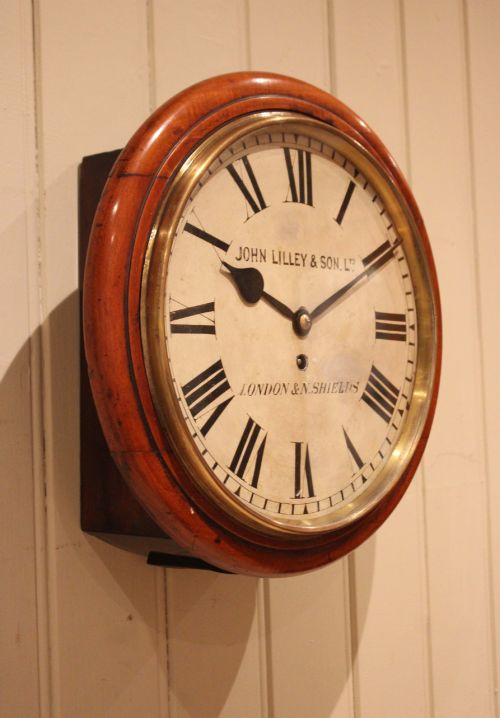
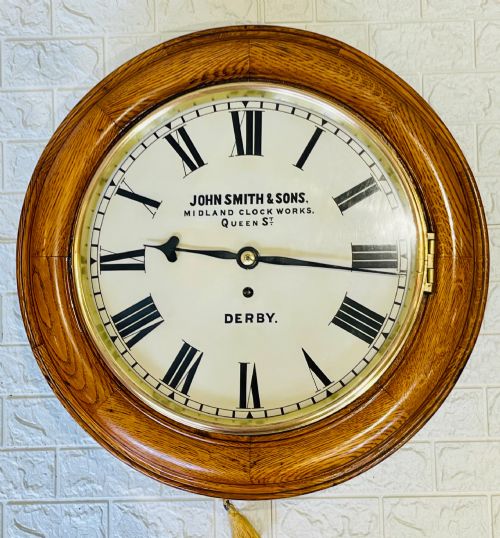


Round Wooden Wall Clock
A round wooden wall clock brings precise mechanical heritage and honest timber into a room, offering a functional centrepiece built to endure.
Understanding the round wooden wall clock
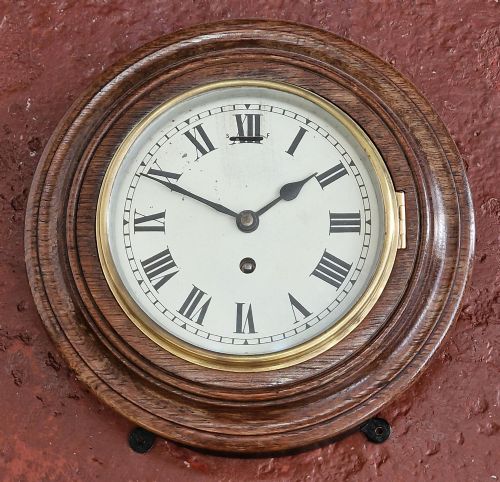
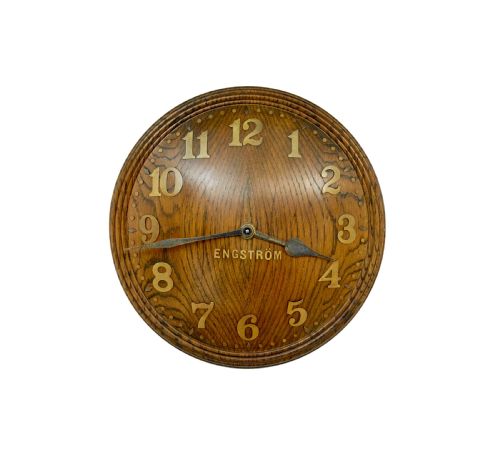
A round wooden wall clock is a timepiece housed in a circular timber surround designed to be hung at eye level. These pieces serve as both practical timekeepers and architectural wall furniture with a distinct historical presence.
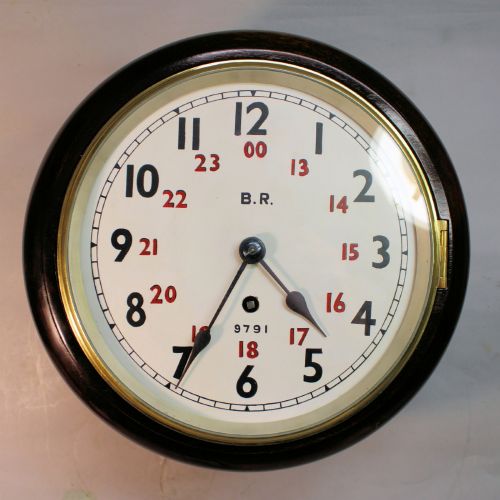
The versions most commonly met across these listings take the form of dial wall clocks and fusee clocks originating from the eighteenth, nineteenth, and early twentieth centuries. They span Victorian, George V, and school or office formats.
Makers such as John Walker, Palmer and Co., and Webster represent the origins found in this inventory. Such pieces combine utility with traditional cabinet-making.
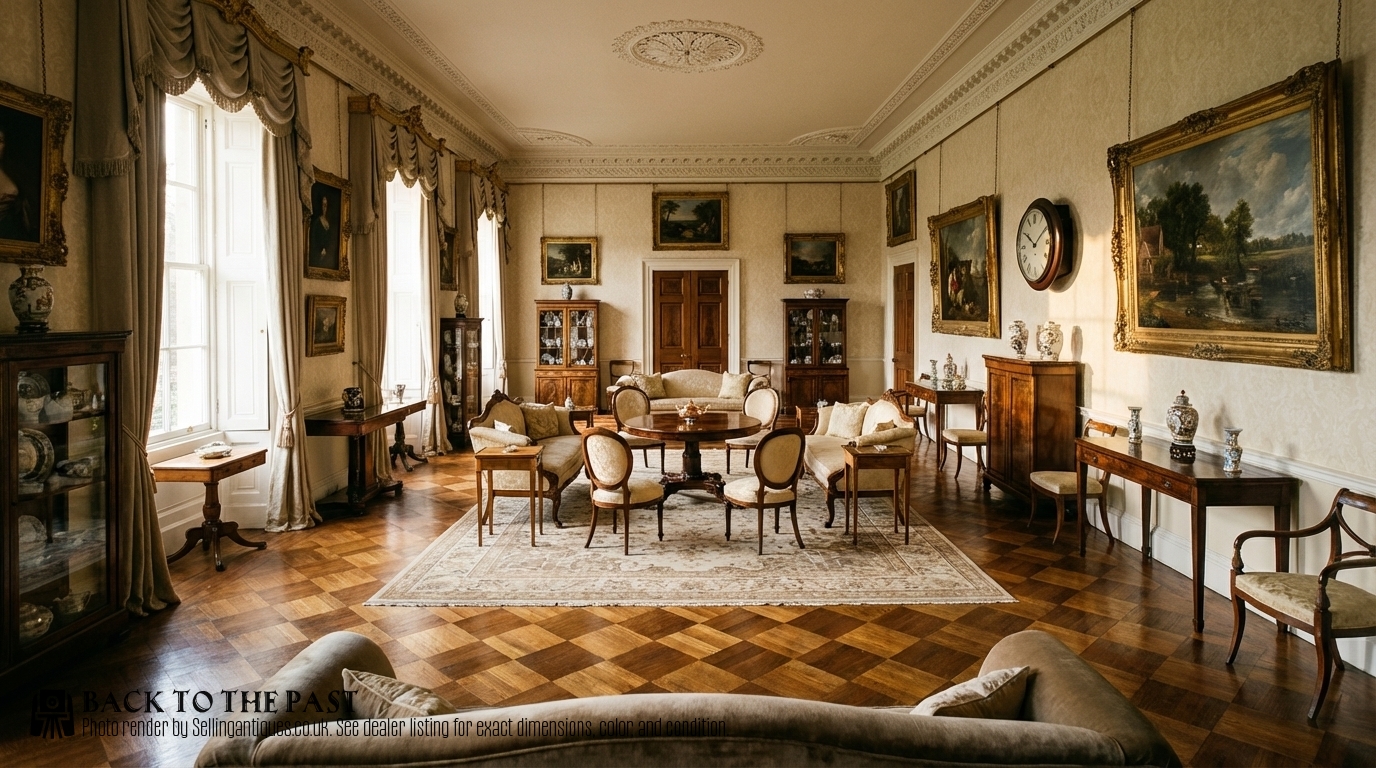
Materials and construction
Cases are constructed from dense timbers such as mahogany and oak, chosen for structural stability and rich grain. These circular housings protect the precision movements housed within.
Dials are protected by glass covers and frequently feature brass bezels and fittings. The integration of iron and brass within the movement ensures the mechanical longevity of each clock.
Retail Price Guide 2026
Typical UK retail prices for round wooden wall clock, calculated from the Sellingantiques database of over a million retail prices indexed since 2003. This retail price guide relies exclusively on Sellingantiques data; no external sources or auction records are used, so the figures do not describe the wider market.
Every single one of these round clocks spent decades watching people rush past while stubbornly refusing to speed up.
Judgements of quality
Quality rests upon the refinement of the timber case and the sophistication of the internal movement, particularly the presence of a fusee mechanism. Superior examples display clean dial typography and harmonious proportions between the timber bezel and the main body.
The distinction between standard office timepieces and finer domestic or station clocks lies in the crispness of the cabinet work and the reputation of the maker inscribed upon the dial.
John Walker·Palmer and Co.·Webster
The Round Wooden Wall Clock Glossary
- Fusee
- A conical pulley used in older clocks to maintain even tension on the chain as the mainspring unwinds. This mechanism ensures consistent timekeeping accuracy.
- Dial clock
- A wall-mounted timepiece featuring a prominent circular face designed for clear legibility from a distance. These were commonly utilised in public spaces, offices, and large domestic rooms.
- Convex dial
- A clock face that curves outward towards the viewer, often set behind a protective glass door. This design reduces glare and improves visibility from multiple angles in a room.
- Mahogany
- A durable, reddish-brown tropical hardwood favoured for its fine grain and resistance to warping. It forms the primary casing material for many traditional wall clocks.
Frequently Asked Questions
How do fusee wall clocks work?
A fusee movement uses a conical drum and a cord or chain to equalise the uneven pull of the mainspring. As the spring runs down, the chain moves to a wider part of the cone, maintaining steady power to the escapement.
This clever engineering was essential for achieving accurate timekeeping in mechanical clocks before the widespread adoption of quartz movements.
Where should I hang a dial clock?
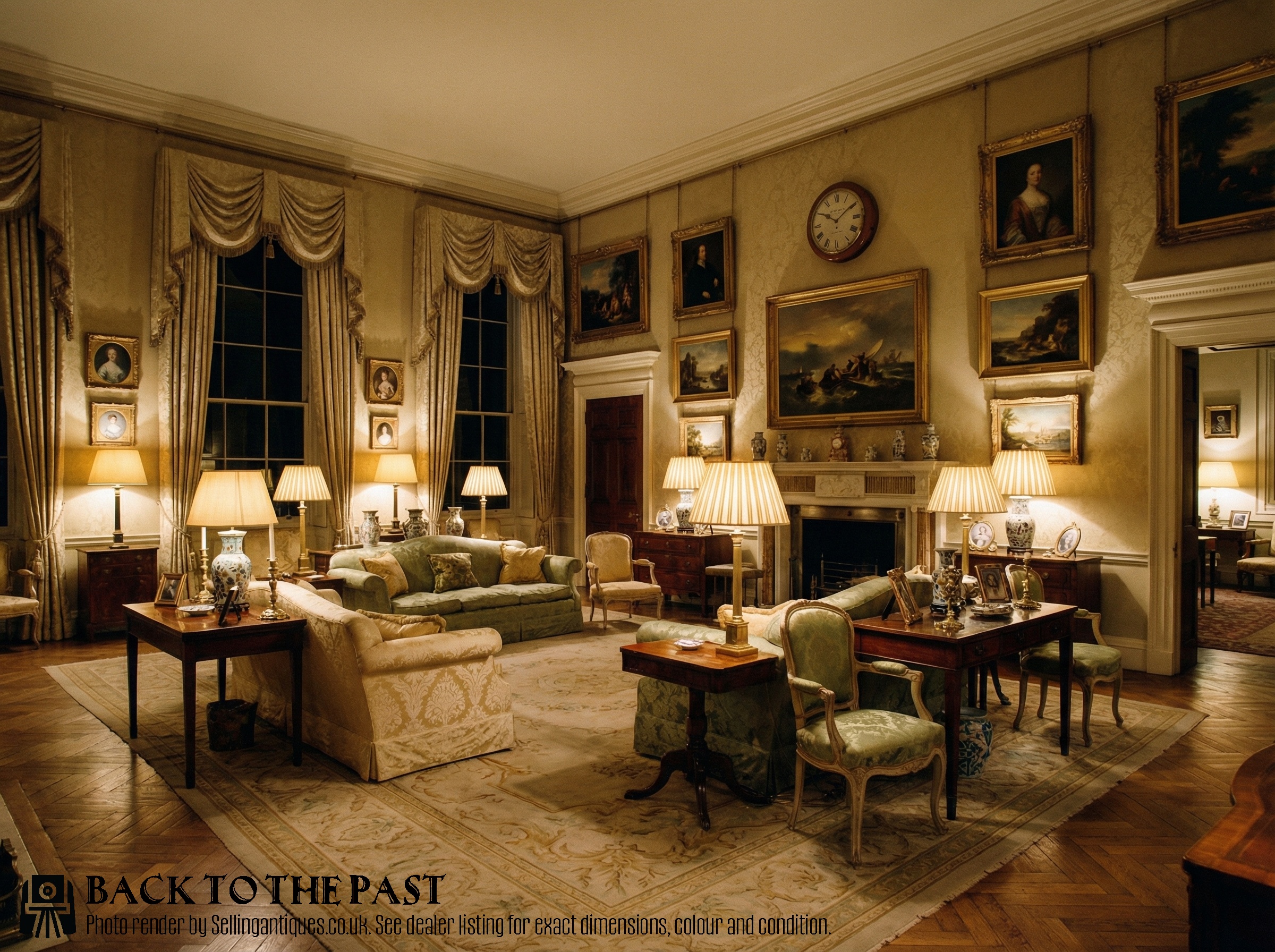
These clocks look best hung at eye level on a sturdy wall where their circular form can act as a natural focal point. Hallways, kitchens, and studies provide ideal environments away from excessive moisture.
Ensure the wall fixing is secure enough to bear the weight of the timber case and internal brass movement.
How do I date an antique wall clock?
Dating relies on examining the timber species, the style of the dial, the shape of the hands, and any maker inscriptions. Nineteenth-century examples often feature mahogany cases and fusee movements, while later pieces adopt simpler school or office configurations.
Comparing construction methods with documented maker timelines helps narrow down the period of origin.
What is a school clock style?
A school clock is a traditional wall timepiece characterised by a simple wooden case and a clear, easy-to-read dial designed for public visibility. These were widely used in classrooms, railway stations, and offices during the Victorian and Edwardian eras.
Their robust construction and unadorned aesthetic made them reliable fixtures in daily civic life.