

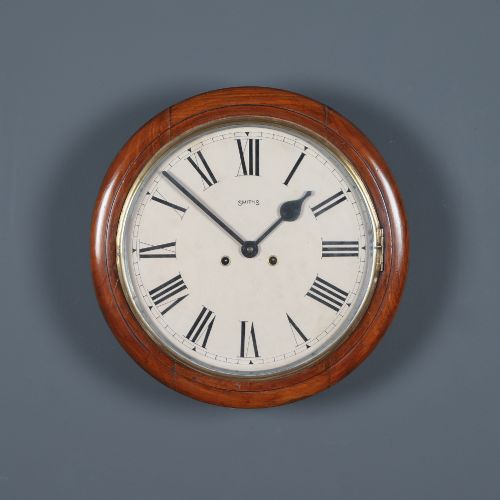
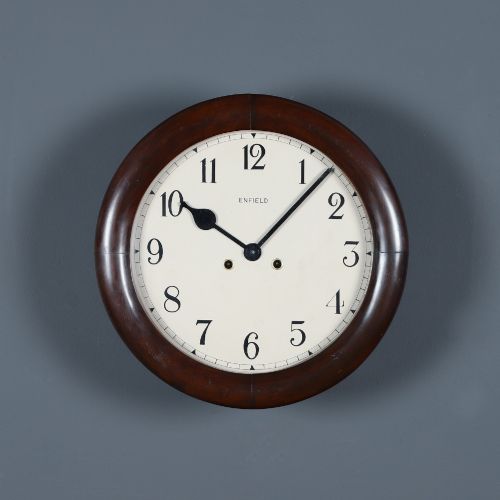
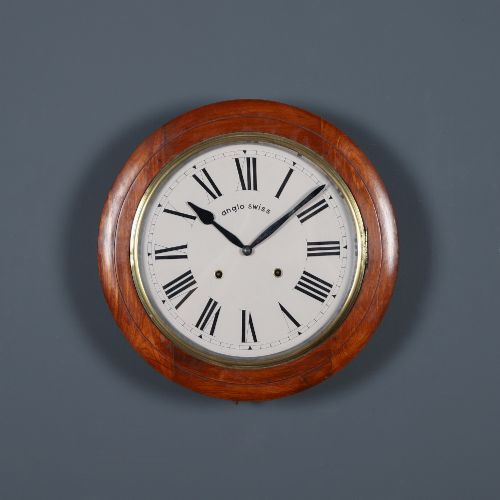
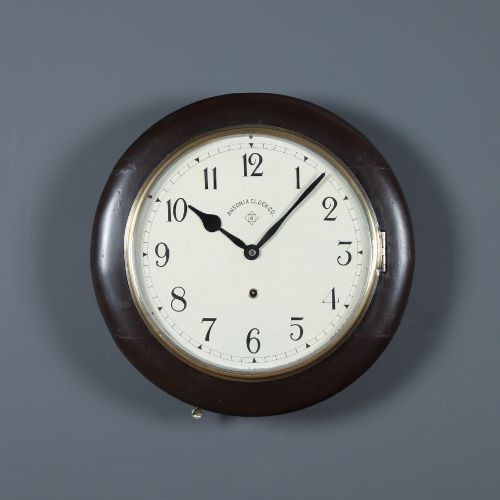
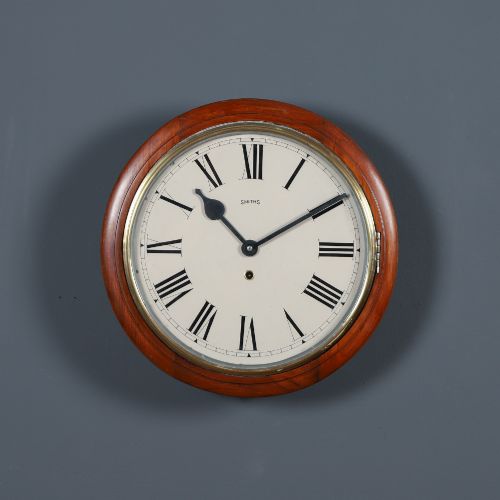
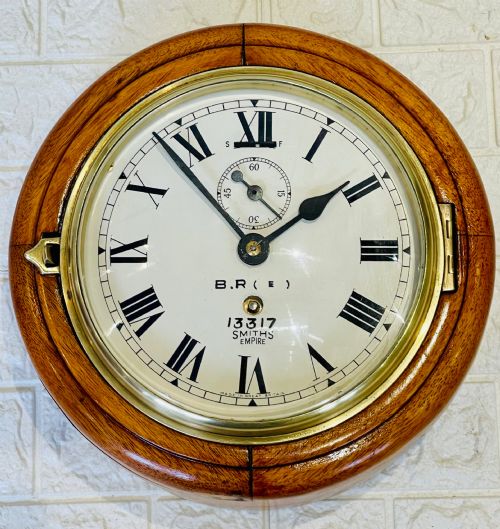
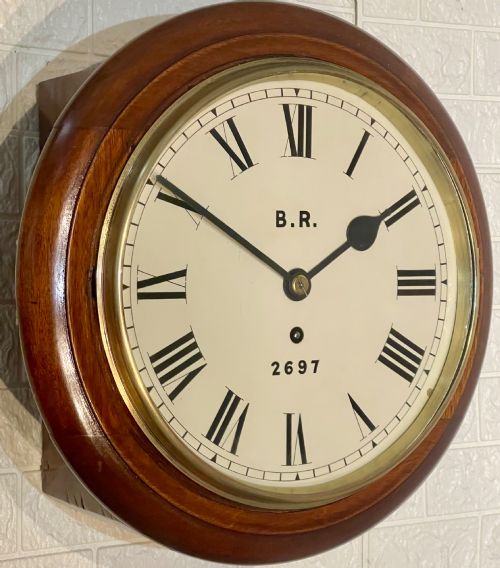
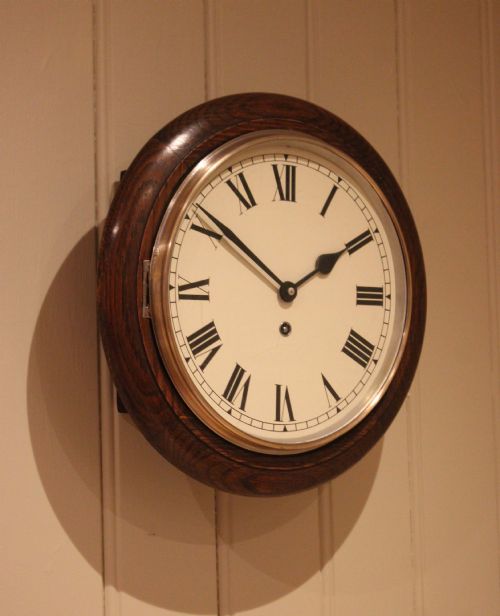
Antique Railway Clock
An antique railway clock brings heavy brass, deep mahogany and dependable timekeeping from the golden age of steam straight to your wall.
Antique Railway Clock
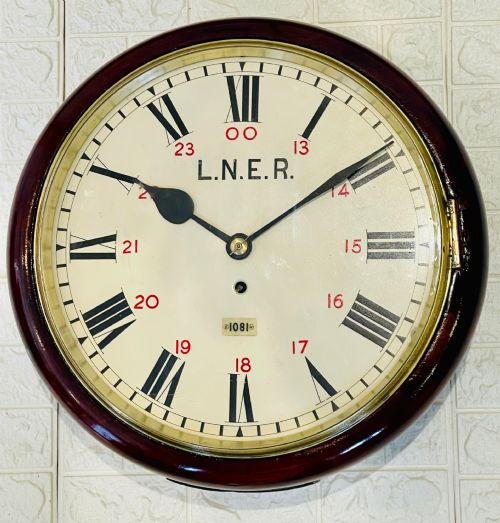
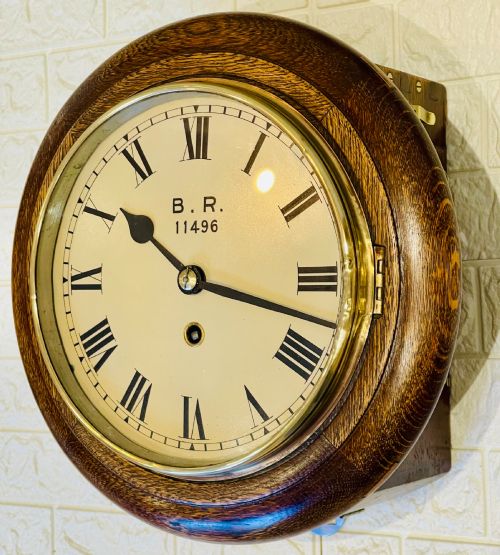
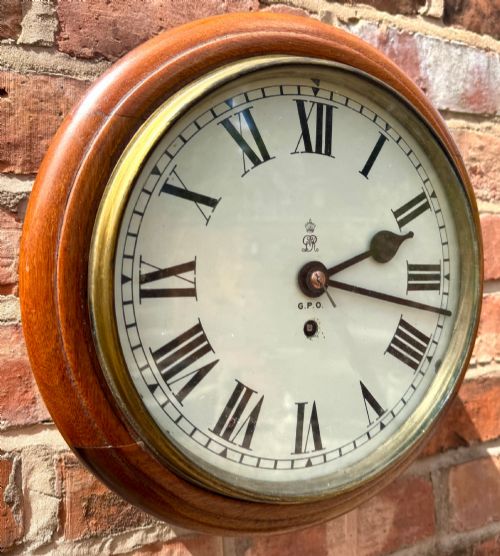
An antique railway clock is a robust timekeeper originally built to regulate train schedules, station platforms and signal boxes across the network. When you search for this phrase, you find sturdy wall-hung pieces marked with the initials of historical transport lines such as the Great Western Railway or the London and North Eastern Railway.
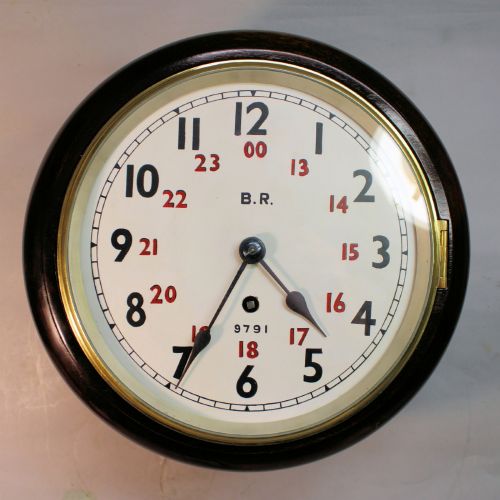
The pieces on this page span the Victorian era through the mid-twentieth century, shifting from traditional wood-cased dial clocks to later industrial models in metal and bakelite. Most examples take the form of round wall clocks designed for high legibility in busy public spaces, retaining their original station or company provenance.
How They Were Made
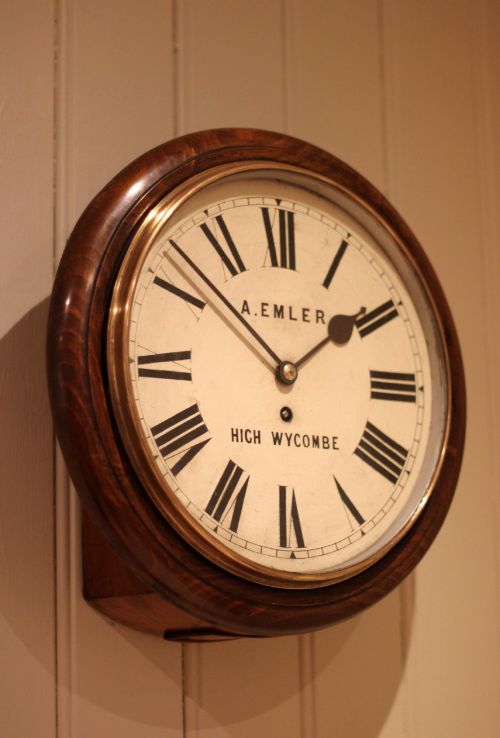
Clockmakers housed these movements in durable timber frames turned from solid mahogany, oak or beech to withstand the vibrations of bustling depots. Heavy brass bezels and protective glass plates secured the painted dial faces against dust and soot.
Reliable single chain fusee movements provided the consistent tension needed for precise timekeeping before the widespread adoption of electrical systems. Later mid-century issues incorporated metals and early plastics like bakelite to meet changing industrial demands.
Antique Railway Clock Retail Price Guide 2026
Typical asking prices for railway clock among the pieces listed under this phrase on Sellingantiques today, from the lower quarter to the upper quarter. They describe what is for sale here now, not the wider market.
Listings feature robust materials including brass, mahogany, oak and bakelite across Victorian, Edwardian and mid-century periods.
What Varies in Quality
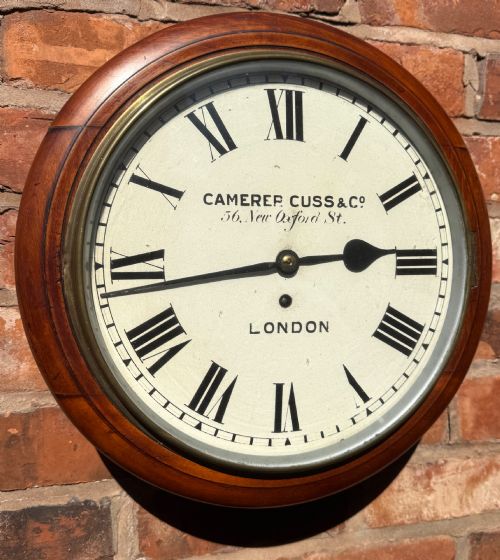
The distinction between ordinary utility clocks and superior examples rests upon the maker's reputation and the original destination of the piece. Signed movements by notable London clockmakers command greater interest than anonymous factory issues.
Original matching numbers stamped on the timber case and dial add historical integrity, while clean, unblemished station lettering increases desirability among collectors of transport memorabilia.
Camerer Cuss And Co·Ansonia·John Walker·Gents of Leicester·Smiths
The Antique Railway Clock Glossary
- Fusee
- A conical pulley used with a chain or cord to maintain even power as the mainspring unwinds. This mechanism is essential for accurate timekeeping in traditional wall clocks.
- Dial
- The visible face of the clock where the numerals and minute markers are painted. Railway dials were designed for maximum legibility from a distance.
- Bezel
- The brass or metal ring that holds the glass protecting the dial face. It often opens on a hinge to allow hand-setting.
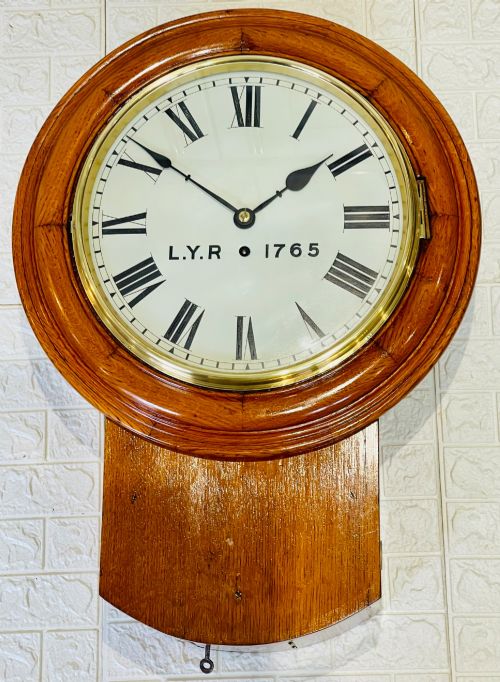
- Drop dial
- A wall clock case featuring an extended lower wooden box to accommodate the length of the pendulum. This form is common in railway offices and stations.
- Timepiece
- A clock that tells the time without incorporating striking or chiming mechanisms. Many working railway clocks were built simply to keep accurate time for staff.
Antique Railway Clock: Frequently Asked Questions
Where were these clocks originally hung?
These clocks hung in prominent locations across the transport network, including station master offices, ticket halls, waiting rooms and signal boxes. Their primary purpose was to keep staff and passengers synchronized with strict railway timetables.
Later models also served administrative buildings, goods yards and engineering depots associated with the major rail companies.
How do I wind a fusee railway clock?
You wind a fusee movement using a specialised key inserted into the dial face, turning it gently until the chain is fully tensioned. Care must be taken not to overwind the mechanism.
Most traditional fusee clocks require winding once a week to maintain accurate time.
What do the railway company initials mean?
Initials painted on the dial or stamped into the wood indicate the specific regional operator that owned the clock, such as GWR for the Great Western Railway or LNER for the London and North Eastern Railway. These markings often help historians trace the exact geographic route or station where the piece was deployed.
Later post-war clocks frequently feature British Railways lettering.
Can I hang a heavy wall clock safely?
These clocks are exceptionally heavy due to their solid timber cases, cast brass bezels and iron weights or movements. They must be secured directly into wall studs or masonry using appropriate fixings rather than plasterboard alone.
Ensuring a firm mount protects the delicate mechanical movement and keeps the pendulum swinging freely.