



Classic Pendulum Clock
A classic pendulum clock brings mechanical timekeeping into a room, offering a reliable focal point for your wall, shelf or floor.

Classic Pendulum Clock
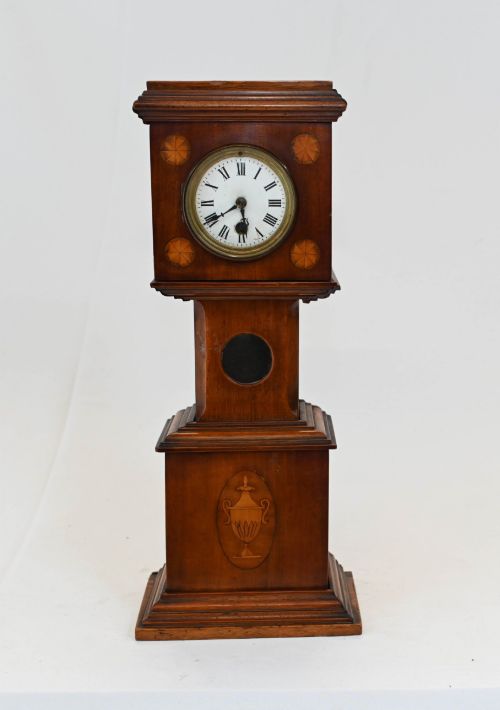
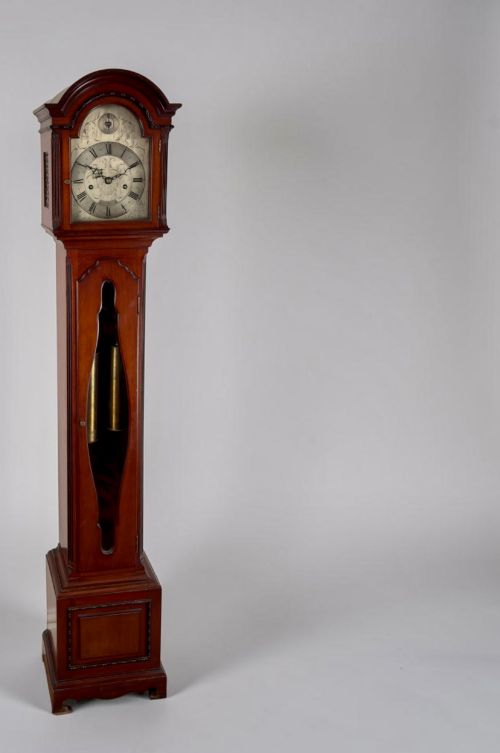
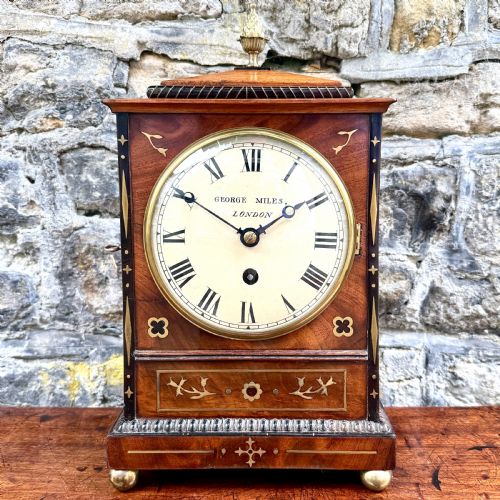
When you search for a classic pendulum clock, you encounter a variety of forms ranging from tall floor-standing longcase examples to compact mantel and wall designs. These timepieces hail from diverse periods including the Georgian, Regency and Victorian eras, alongside mid-century pieces.
The selection on this page leans heavily toward traditional wooden cabinetry and metal movements. You will find wall clocks, mantel clocks and longcase models spanning the eighteenth century through to the twentieth century.
How they were made
Cabinetmakers constructed the wooden housings using timbers such as mahogany and oak, often shaping tall cases and wall surrounds to protect the internal mechanism. Enamel dials and glass covers protected the face while allowing clear visibility of the hands.
Clockmakers utilised brass, steel and gilt bronze or ormolu for the intricate gear trains and decorative mounts. Suspended pendulums regulated the movement, requiring careful mechanical balance to maintain accurate time.
Classic Pendulum Clock Retail Price Guide 2026
Typical asking prices for classic pendulum clock among the pieces listed under this phrase on Sellingantiques today, from the lower quarter to the upper quarter. They describe what is for sale here now, not the wider market.
Listings feature works spanning from the 18th century through to the 1960s, utilising mahogany, oak, brass and gilt bronze.
What varies in quality
The sophistication of the internal movement often dictates the tier of the piece, with complex double fusee mechanisms representing high standards of clockmaking. Materials also play a role, as finely cast gilt bronze or ormolu mounts contrast with simpler wooden finishes.
Cabinetwork execution separates standard pieces from finer examples, evident in the crispness of carved oak or the rich grain of polished mahogany cases.
Gillett & Johnston of Croydon·James Murray London·Jaeger Le Coultre
The Classic Pendulum Clock Glossary
- Fusee
- A conical pulley used in mechanical clocks to maintain an even drive force as the mainspring unwinds. This mechanism ensures more consistent timekeeping.
- Portico clock
- A architectural clock style featuring supporting columns, typically house within a symmetrical wooden frame. French examples often utilised mahogany.
- Mantel clock
- A smaller timepiece designed to sit on a fireplace mantelpiece or shelf. These pieces appeared in various revival and period styles.
- Longcase clock
- A tall freestanding pendulum clock enclosed in a wooden case, frequently referred to as a grandfather clock. Shorter variants are known as grandmother clocks.
Classic Pendulum Clock: Frequently Asked Questions
How do I set up a pendulum clock?
Ensure the clock case stands completely vertical on a stable floor or wall bracket to allow the pendulum to swing evenly. Once positioned, gently start the pendulum swinging from side to side.
Adjust the regulating nut on the pendulum rod up or down if the clock runs too fast or too slow. Regular winding keeps the movement functioning correctly.
How do I identify the period of a clock?
Examine the exterior timber, dial materials and decorative style for clues regarding the date of manufacture. Georgian and Regency pieces show distinct cabinetry traits compared to later Victorian or Edwardian interpretations.
Maker signatures or engraved details on the dial and movement plates also provide reliable historical reference points.
Do these clocks require specialist maintenance?
Mechanical timepieces benefit from periodic professional cleaning and oiling to prevent wear on the brass gears and pivots. Keeping the movement free from dust ensures the pendulum maintains a steady beat.
Handling the delicate glass components and suspension springs with care protects the internal mechanics during any relocation.