
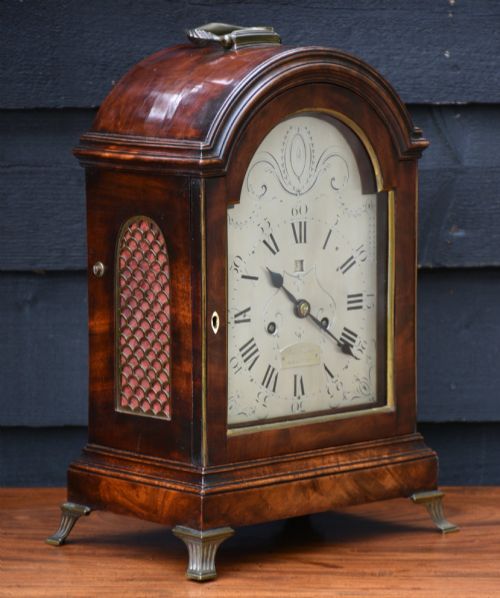
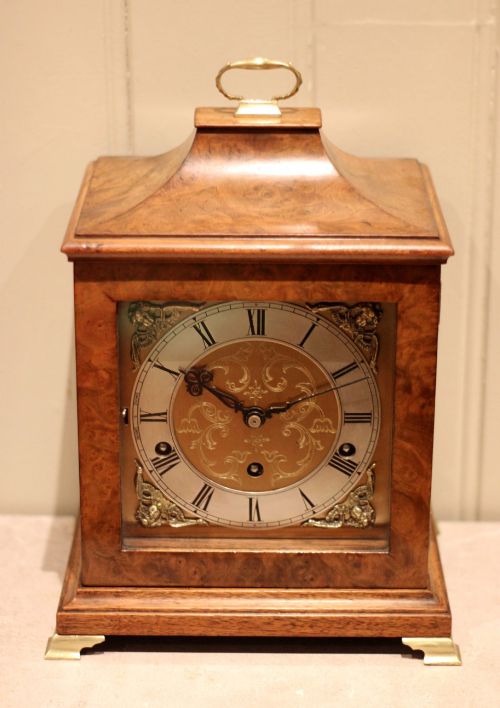
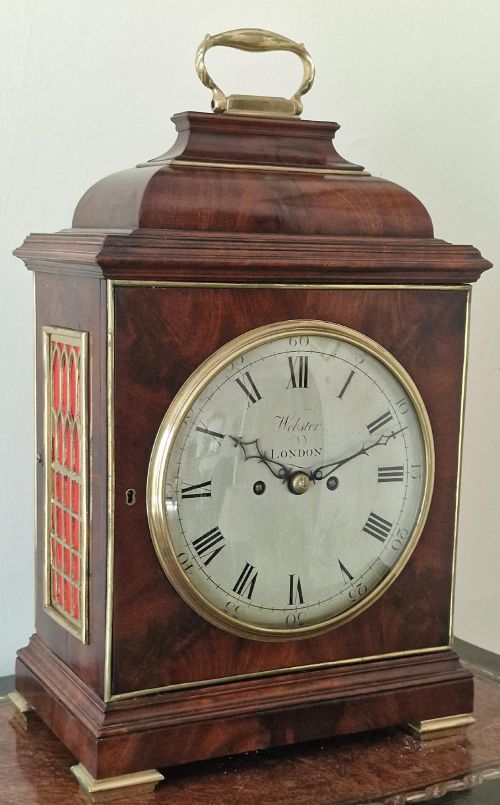
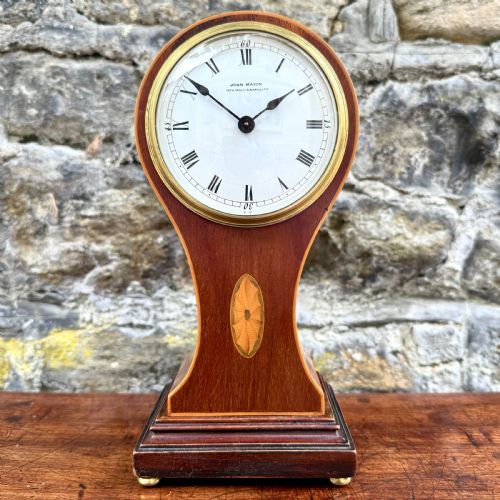
English Mantel Clock
An English mantel clock brings reliable timekeeping into a room, framed in walnut, mahogany, rosewood, brass, or glass.

English Mantel Clocks
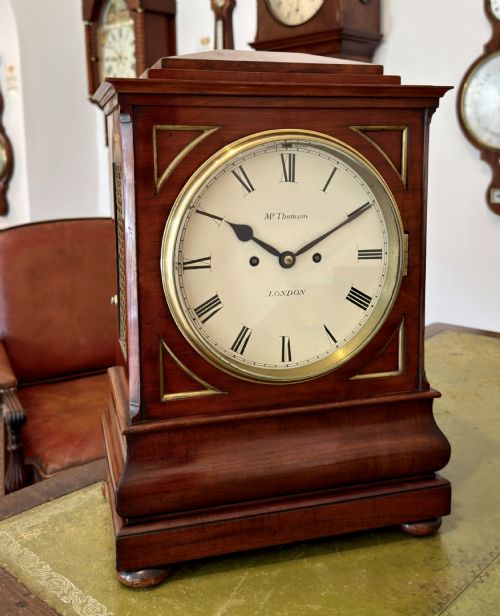
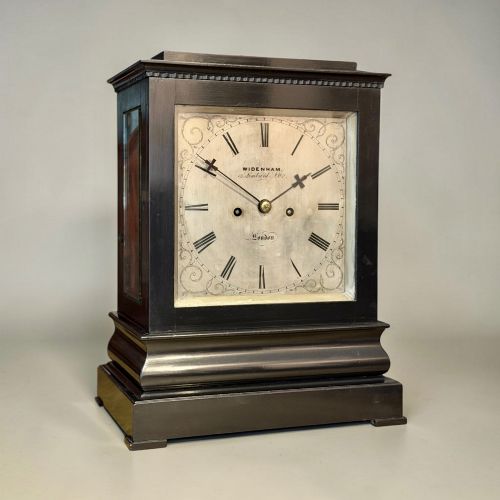
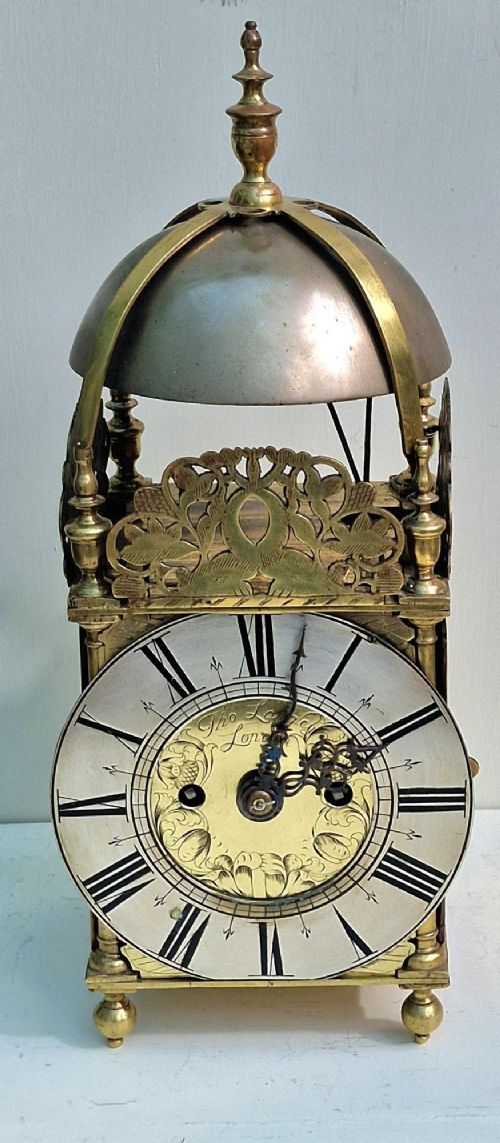
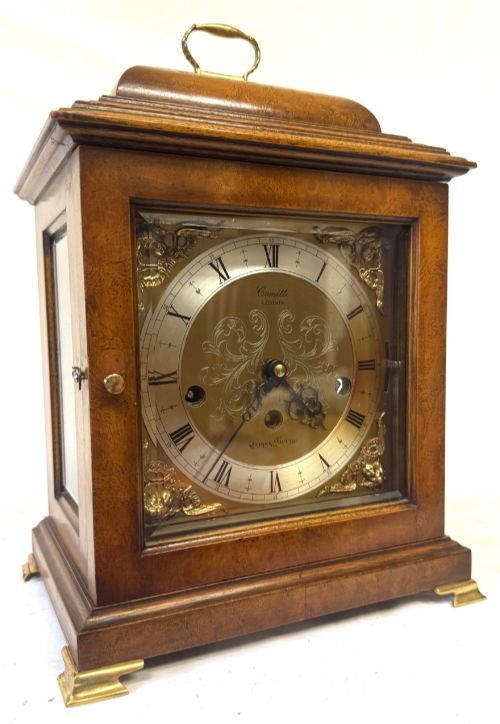
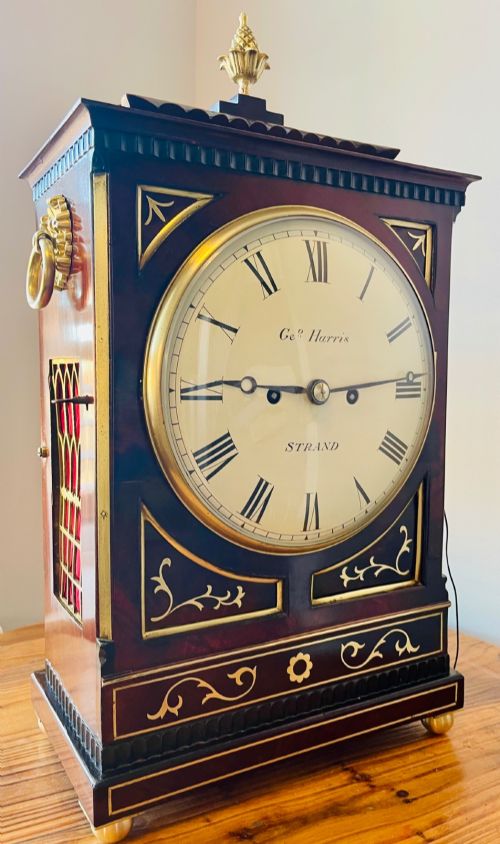
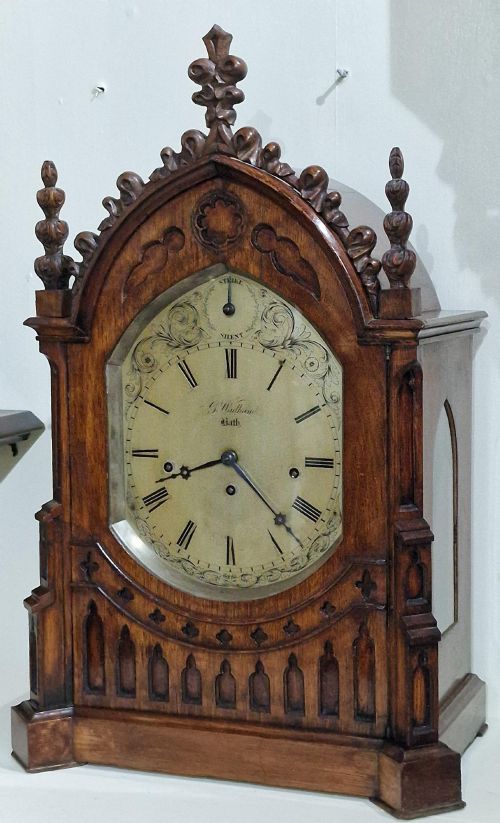
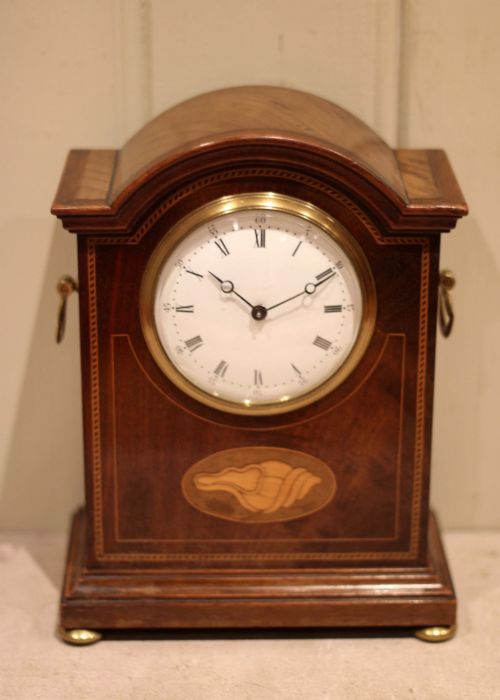
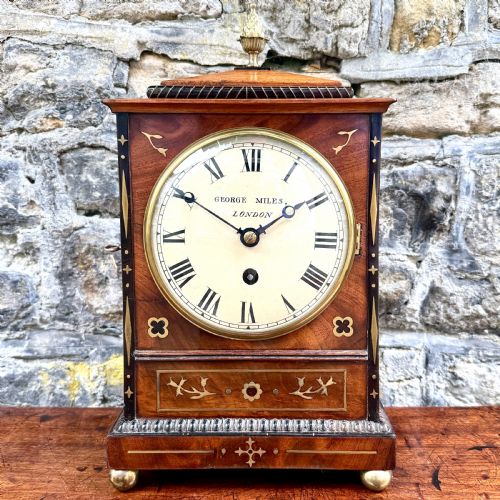
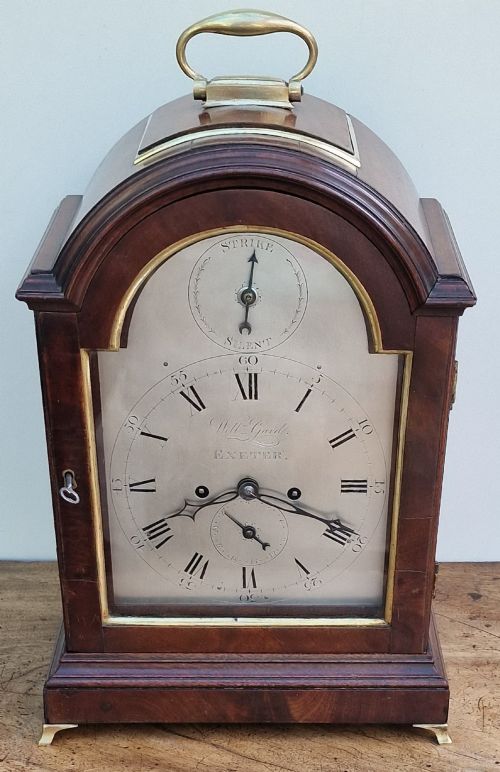
An English mantel clock combines fine cabinetmaking with precision mechanical movement, designed to sit steadily on a shelf or tabletop. When you search for this phrase, you meet forms ranging from Georgian bracket clocks to Victorian fusee skeleton clocks and later Art Deco glass pieces.
The material vocabulary spans traditional timber cases like mahogany and walnut alongside unexpected departures in chrome, brass, and glass. The scale shifts from small, neat library timepieces to substantial striking bracket clocks.
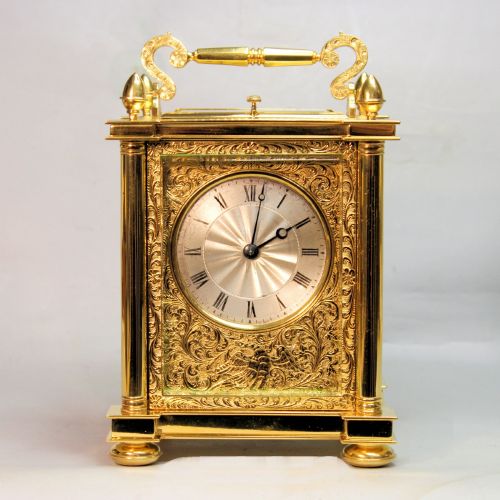
Makers working in London and beyond housed these movements in architectural wooden cases, restrained ormolu mounts, or glass domes that reveal the inner wheel work.
Construction and Materials
Cabinetmakers shaped dense hardwoods including mahogany, rosewood, and walnut into robust cases, often applying veneers and intricate brass inlay. Metalworkers cast brass, bronze, and ormolu mounts to frame dials and support glass panels.
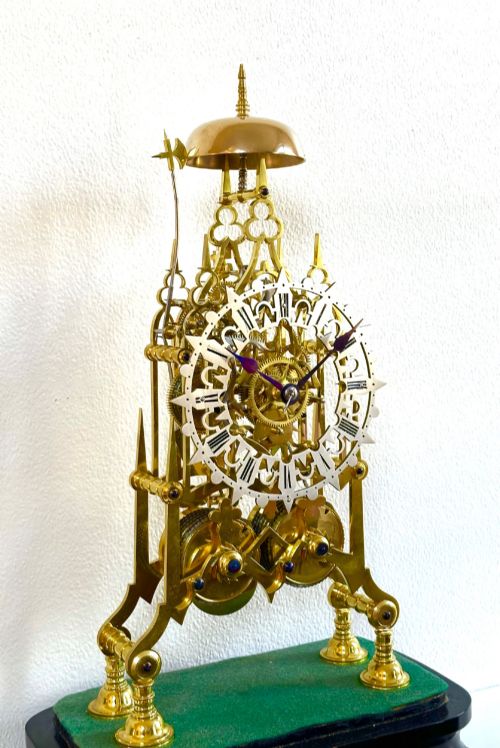
Movements rely on fusee mechanisms, wheel work, and steel components to regulate time accurately. Delicate glass domes protect intricate skeleton movements from dust while exposing the six-spoke wheel work and brass plates.
Listings feature movements driven by fusee mechanisms alongside glass-domed skeleton clocks from the Victorian era and later Art Deco designs.
Assessing Quality
The refinement of the movement distinguishes standard pieces from exceptional examples, particularly in the complexity of fusee gear and striking trains. Finer clocks display hand-engraved backplates signed by the maker.
Case construction separates ordinary items from superior ones, shown through the choice of figured timber veneers, fire-gilded ormolu mounts, and heavy bevelled glass panes that fit securely within the frame.
Benjamin Maud·James McCabe·John Peterkin·Astral·J Walker·Perigal and Duterrau·John Murray·Kilpin·Hanson·Barraud and Lunds·Gibbs London·Smiths
The English Mantel Clock Glossary
- Fusee
- A conical pulley used in mechanical clocks to maintain even force on the gear train as the mainspring unwinds. This mechanism ensures consistent timekeeping accuracy across the power reserve.
- Bracket clock
- A portable spring-driven clock originally designed to sit on a wall bracket to project sound more effectively. These pieces often feature sturdy wooden cases with carrying handles.
- Skeleton clock
- A timepiece with an open metal frame designed to expose the intricate gear train and escapement to view. They are frequently displayed beneath glass domes.
- Four-glass clock
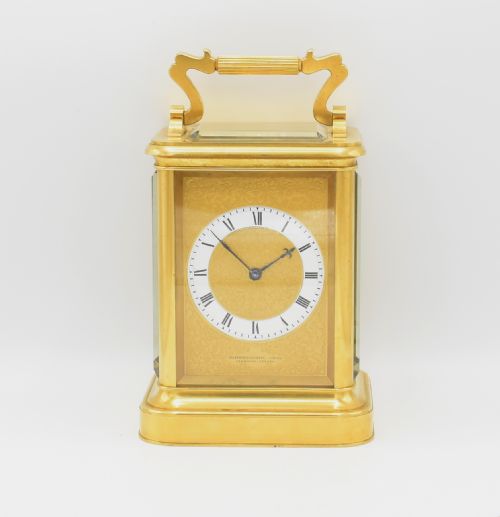
- A timepiece housed in a brass or gilt frame inset with four glass panels that reveal the movement from all sides. They gained popularity during the Victorian period.
- Striking train
- The secondary gear train within a clock that sounds the hours or quarters on a bell or gong. It operates independently from the time-recording mechanism.
Frequently Asked Questions
How do I wind an English mantel clock?
Use the appropriate key on the winding arbors found on the dial face, turning gently until you feel resistance.
Avoid overwinding the mainspring to prevent damage to the internal mechanism.
What is the difference between a timepiece and a striking clock?
A timepiece simply records the hours and minutes without sounding an alarm or chime.
A striking clock includes an additional train of gears to ring bells or gongs at designated intervals.
Why does my fusee clock stop running?
Fusee movements require regular cleaning and professional oiling to prevent hardened lubricants from halting the gear train.
Ensure the clock rests on a completely level surface so the pendulum or escapement maintains an even beat.
How can I identify the period of a wooden case?
Georgian and Regency examples typically feature solid mahogany or rosewood with restrained brass fittings and bracket feet.
Victorian and later Edwardian pieces introduce heavier carving, glass domes, or distinct Art Deco geometric glass panels.