

English Mahogany Clock
An english mahogany clock unites reliable mechanical precision with the rich grain of native timber across wall, mantel, and longcase forms.

English Mahogany Clock
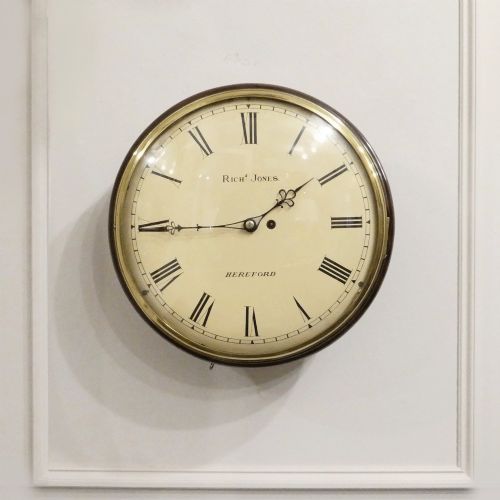
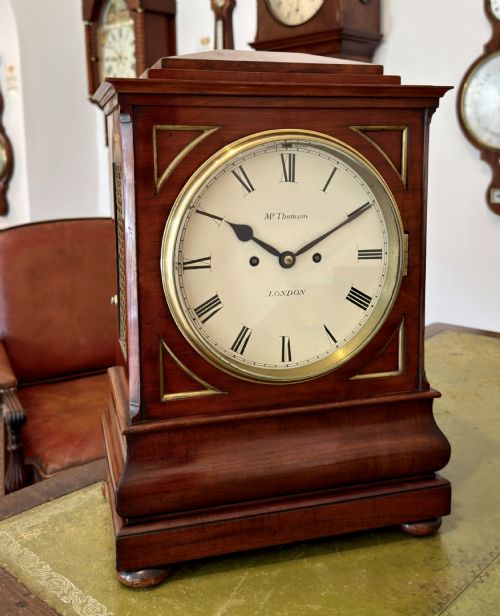
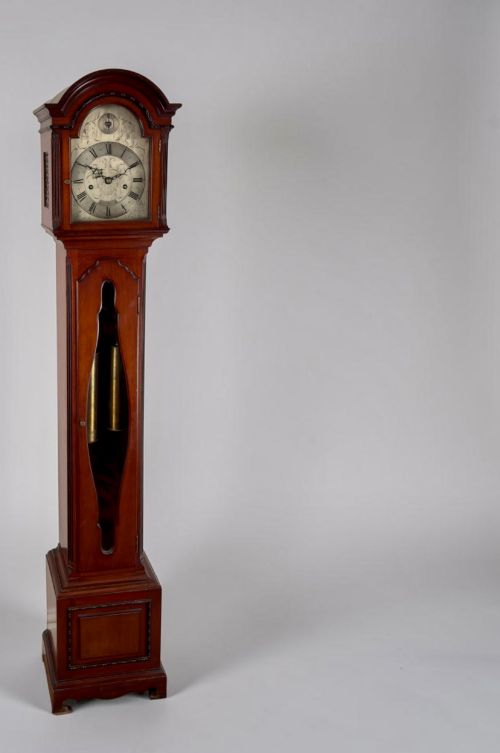
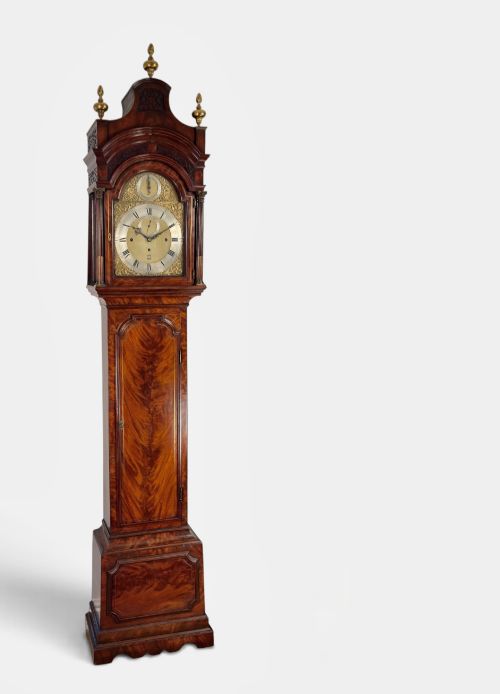
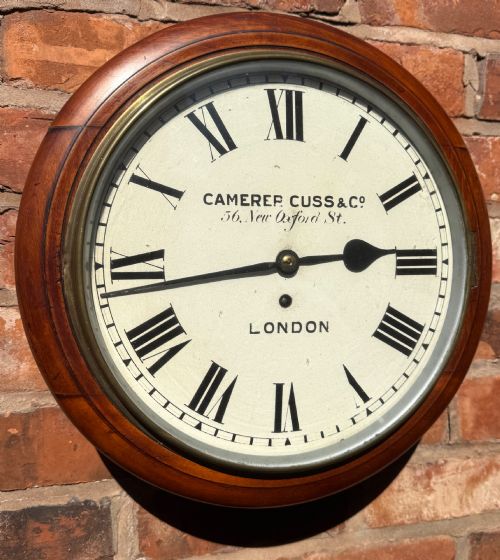
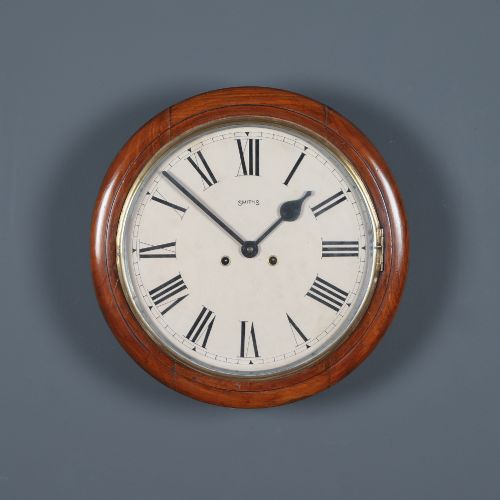
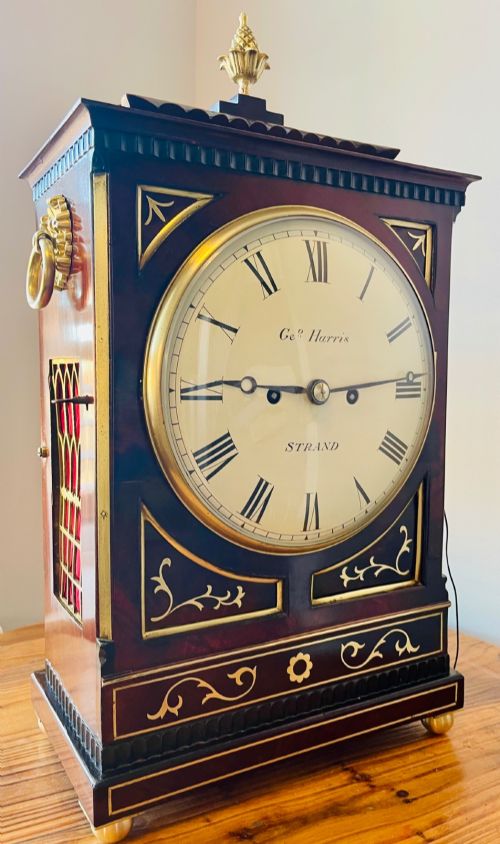
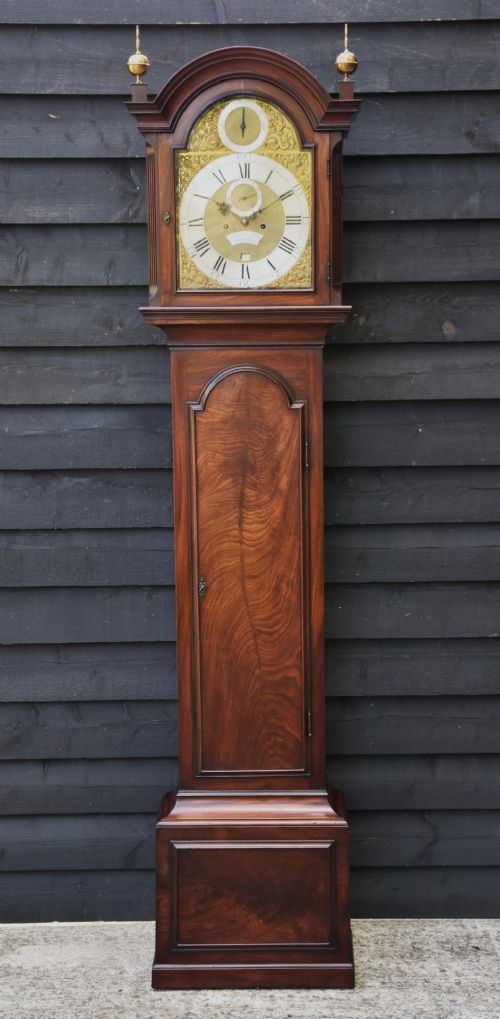
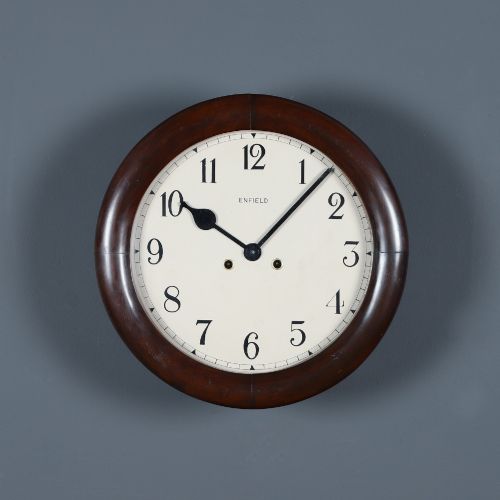
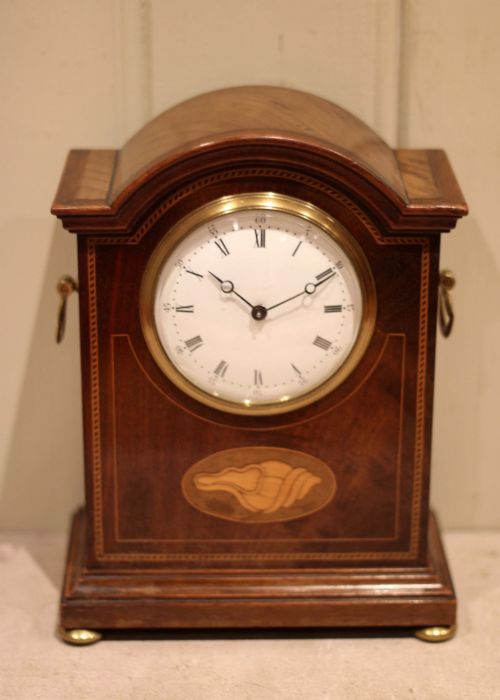
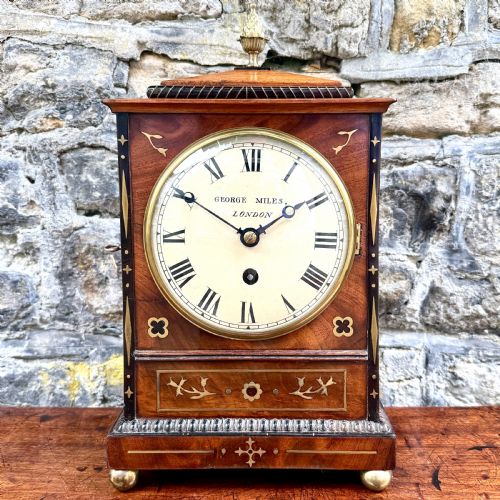
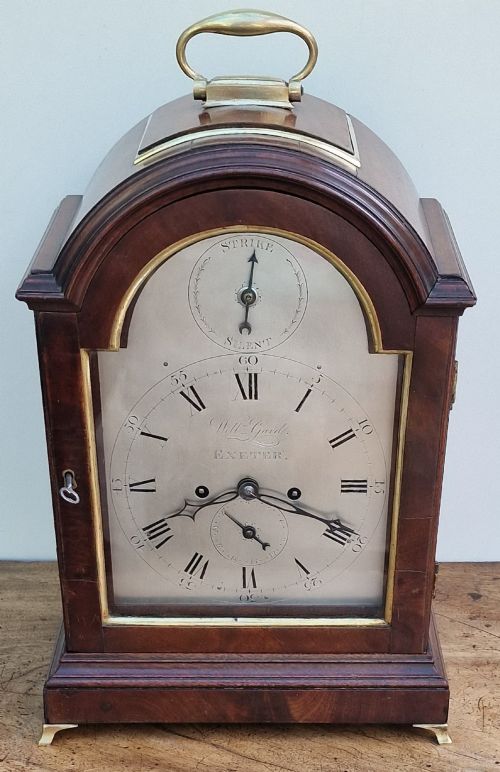
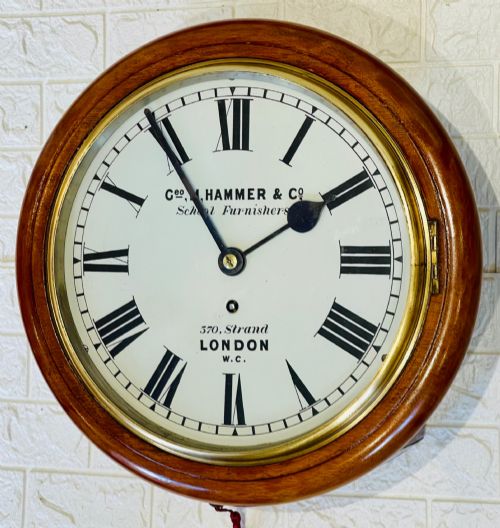
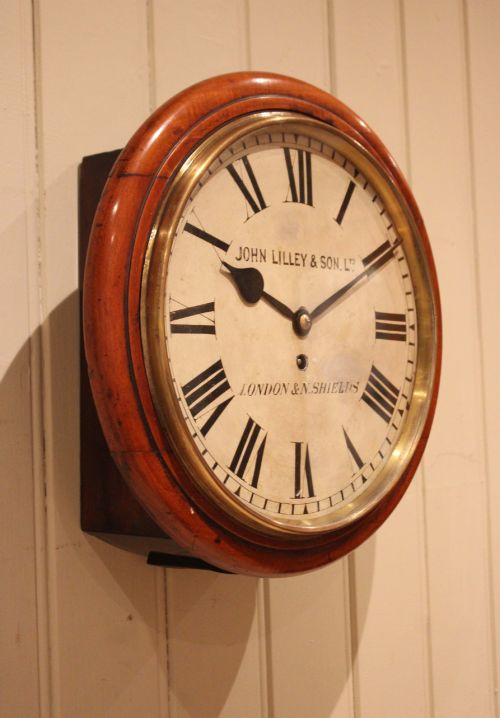
When considering an english mahogany clock, buyers encounter several distinct formats spanning the Georgian, Regency, and Victorian eras. Wall-mounted fusee dial clocks and substantial longcase grandfather clocks appear frequently alongside portable bracket and mantel pieces.
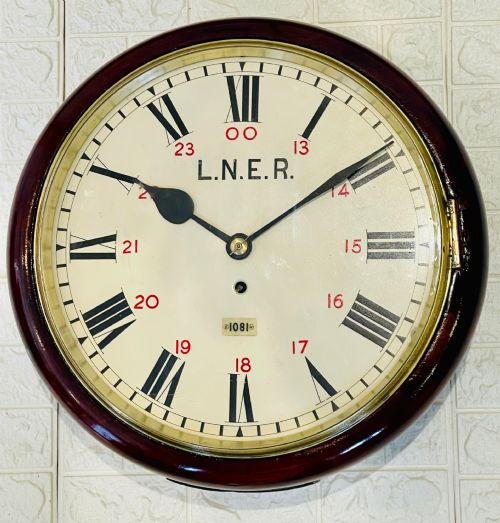
The selection ranges from utilitarian railway station dials to ornate domestic bracket clocks housed in architectural mahogany cases. Regional makers from London to provincial towns contributed diverse movements, from simple timepieces to striking and chiming mechanisms.
Materials and Movements
Makers housed brass and iron movements inside solid or veneered mahogany cases, frequently incorporating glass doors, painted iron dials, and brass bezels or inlay. Rosewood accents and enamel face elements appear on select examples.
Mechanical integrity relied on fusee movements designed to equalise the pull of the mainspring as it wound down, ensuring steady timekeeping across eight-day or shorter durations.
English Mahogany Clock Retail Price Guide 2026
Typical asking prices for english mahogany clock among the pieces listed under this phrase on Sellingantiques today, from the lower quarter to the upper quarter. They describe what is for sale here now, not the wider market.
Listings feature movement types ranging from simple time-only fusee systems to complex quarter-striking and Westminster chiming mechanisms.
Craftsmanship and Proportion
Superior examples display crisp case carving, balanced proportions, and high-grade movement finishing by named makers. Dial legibility, original matching components, and subtle brass or string inlay distinguish better pieces from simpler production models.
The integration of secondary timbers, the preservation of original painted or silvered dials, and the quality of the engraving on the backplate separate standard workshop output from exceptional horological work.
Thomson of London·Gillett & Johnston·John Ellicott·Camerer Cuss & Co·Handley & Moore·Samuel Kellett·George Hallifax·George Orpwood
The English Mahogany Clock Glossary
- Fusee
- A conical pulley used in mechanical clocks to maintain even power delivery from the mainspring as it unwinds. This mechanism improves accuracy across the duration of the wind.
- Bracket Clock
- A portable clock originally designed to sit on a wall bracket or table. These pieces often feature striking mechanisms and carrying handles.
- Longcase Clock
- A tall floor-standing timepiece housed in a wooden case, commonly known as a grandfather clock. They accommodate long pendulums and heavy weights for extended running times.
- Drop Dial
- A wall clock featuring an extended wooden trunk below the circular face. This shape accommodates the swing of a longer pendulum.
- Verge Escapement
- An early type of escapement mechanism controlling the release of the wheel train. It works with a balance wheel or short pendulum.
English Mahogany Clock: Frequently Asked Questions
How do I wind a fusee movement?
Insert the winding key into the dial aperture and turn it gently clockwise until the mechanism resists further movement. Avoid over-winding to protect the chain or cord.
Ensure you support the clock or secure the case properly during maintenance. Regular servicing by a qualified horologist keeps the train running smoothly.
Where should I place a longcase clock?
Position the piece against a sturdy interior wall away from direct sunlight, central heating vents, and damp areas. Stable environmental conditions prevent wood movement and protect the dial.
Ensure the case stands completely vertical on a firm floor so the pendulum swings with an even beat. Adjust the feet if the beats sound irregular.
How can I tell the period of a mahogany case?
Examine the construction methods, handle styles, brass inlay patterns, and dial materials. Georgian pieces tend to feature classic architectural proportions, while Regency and Victorian examples introduce brass inlay and distinct dial shapes.
Look for maker signatures on the dial or movement backplate to cross-reference active dates. Case timber grain and patination also offer clues to age.
Why does a wall clock have a convex dial?
Convex or bowed dials improve visibility from different angles across a room, particularly in public spaces or railway stations. The curved glass protected the painted iron face while reducing glare from windows.
This design feature appears frequently on 19th-century dial clocks and railway timepieces. It combines practical utility with a distinct profile.