
Mechanical Watch
A mechanical watch offers a tangible link to horological history, driven by springs and gears rather than batteries.
Mechanical Watch
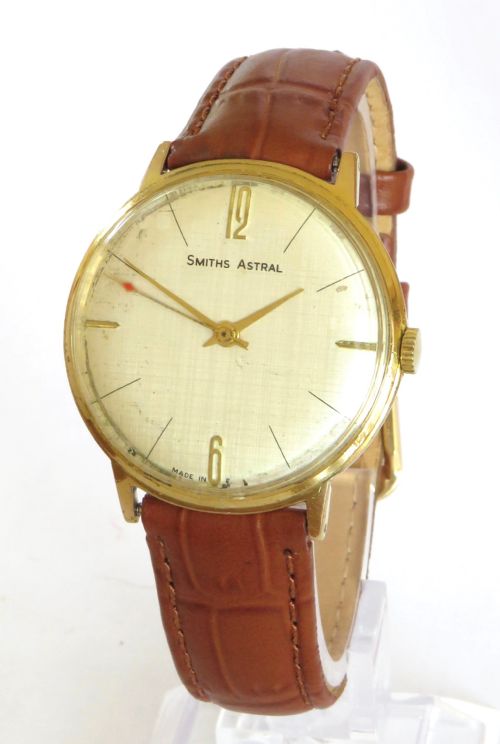
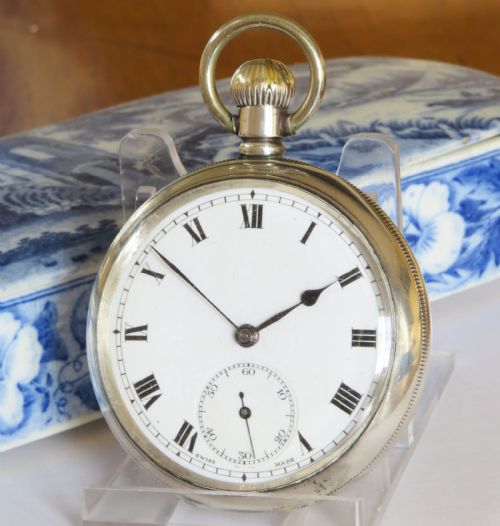
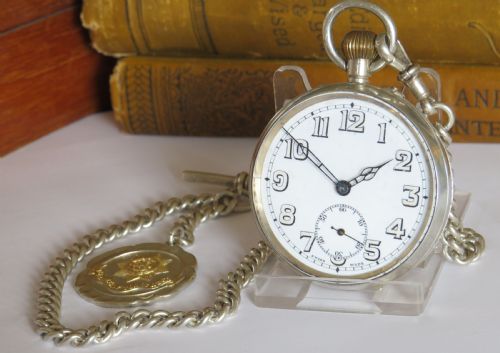
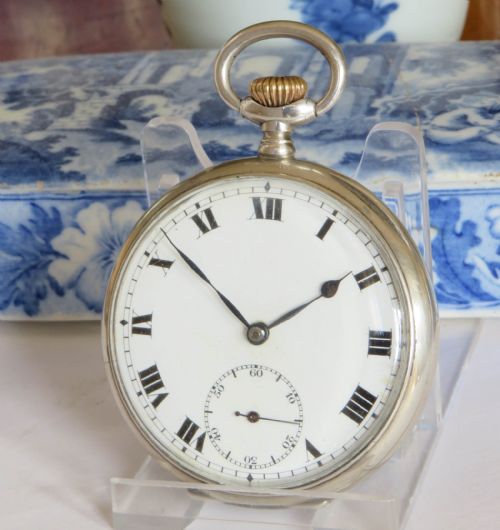
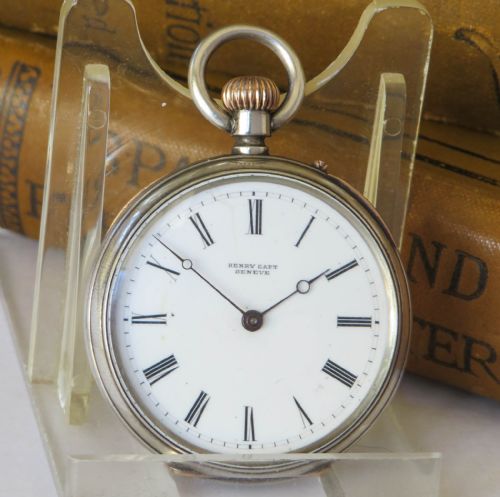
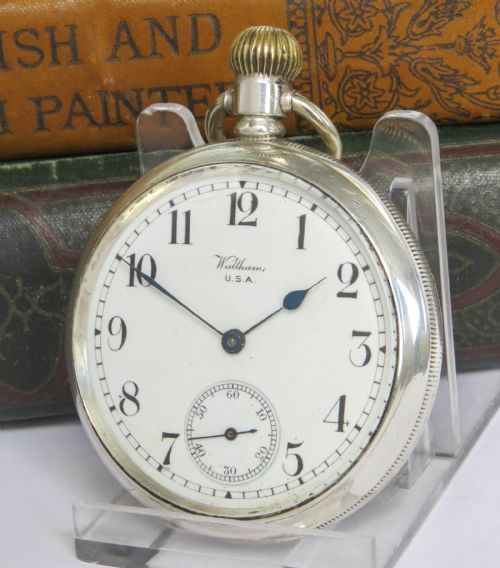
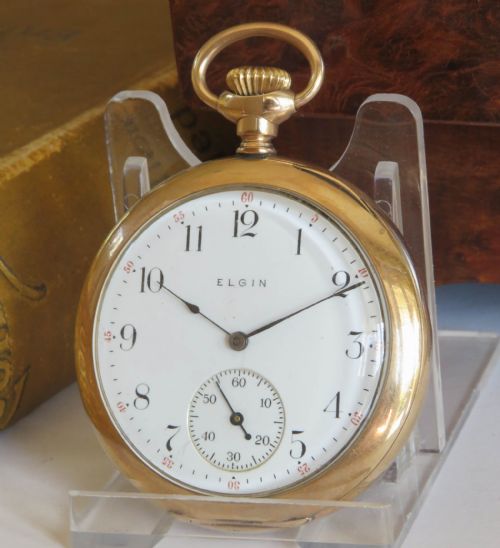
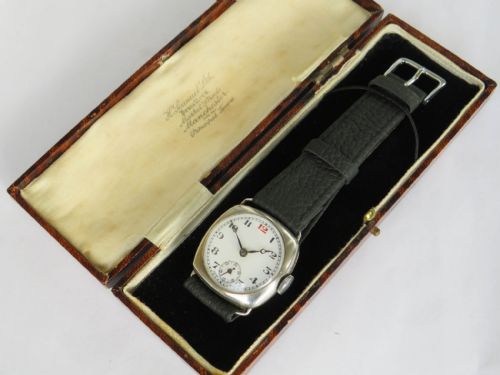
A mechanical watch encompasses portable timepieces powered by mainsprings and regulated by escapements, spanning wristwatches, pocket watches, and stopwatches. When you search for a mechanical watch, you encounter forms ranging from Victorian silver pocket watches and Edwardian designs to mid-century wristwatches and robust military issues.
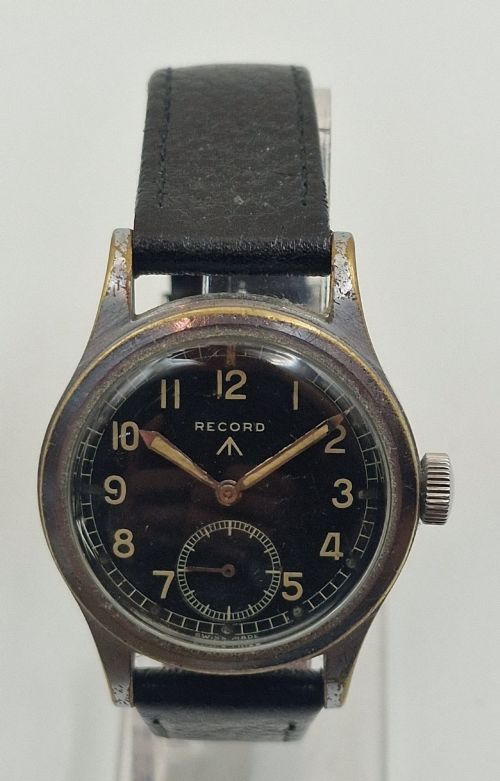
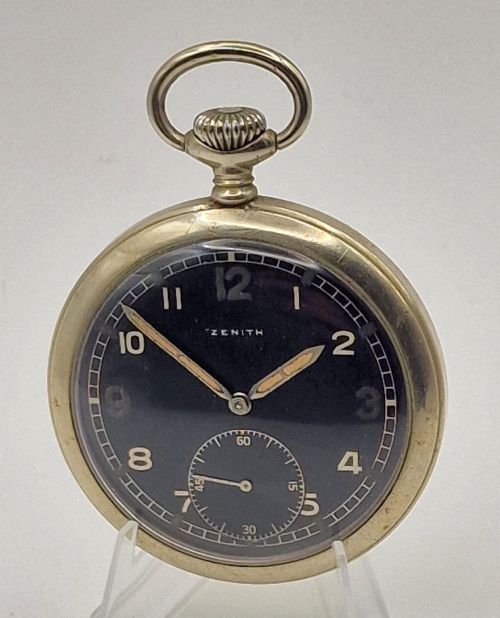
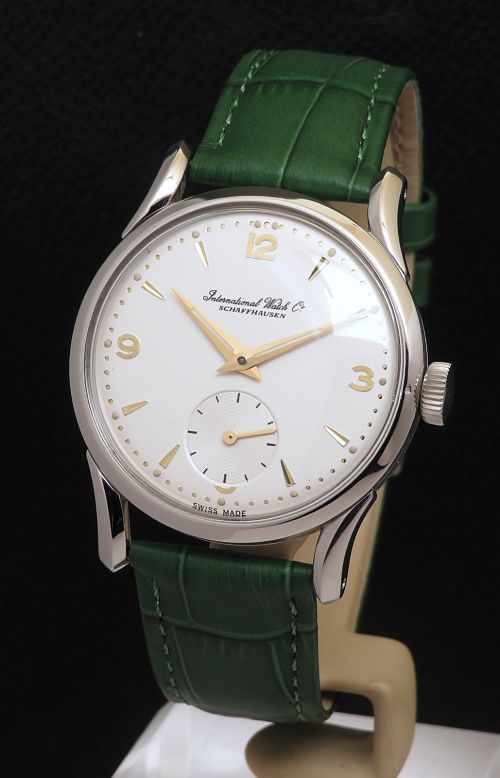
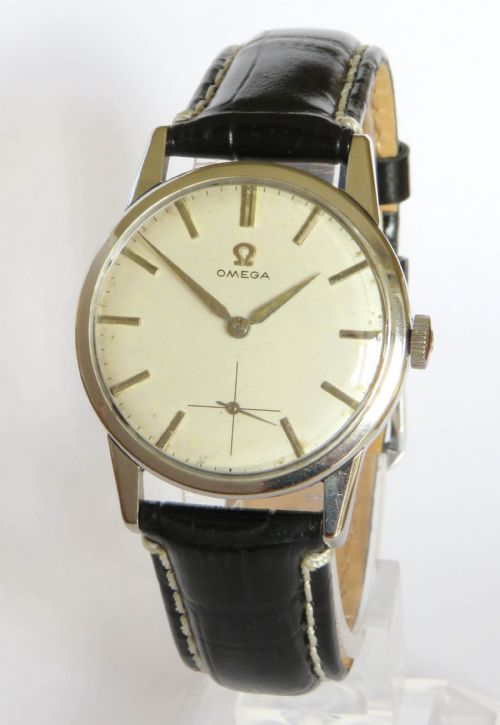
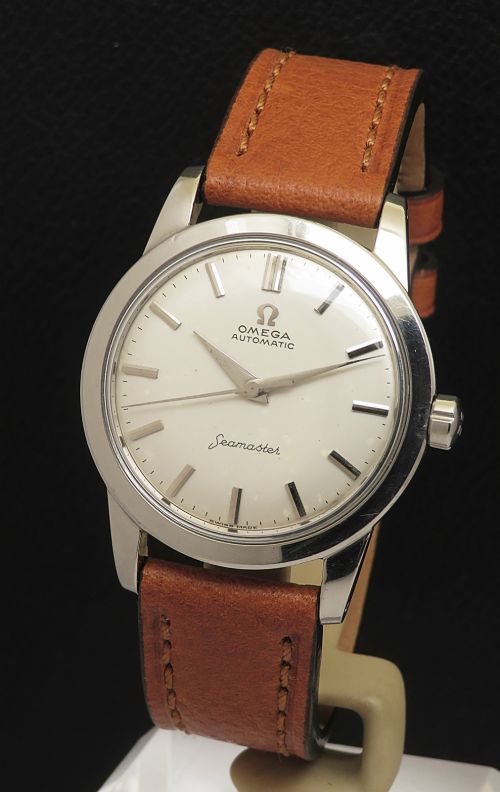
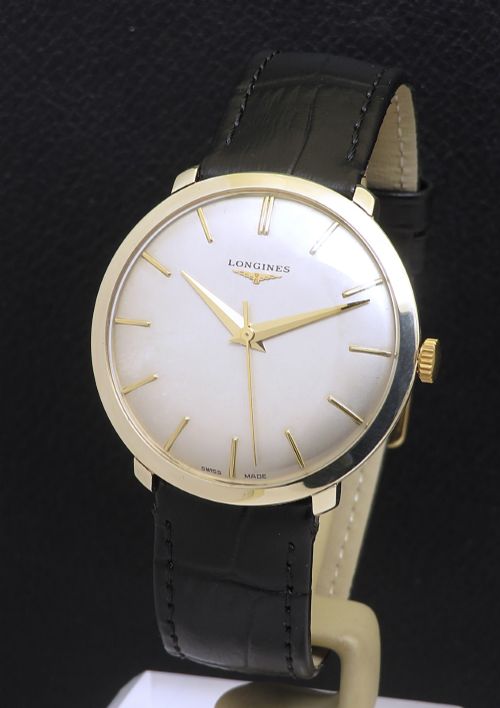
The selection on this page leans heavily toward mid-century wristwatches and pocket watches from the decades between the late Victorian era and the nineteen-sixties. Military pieces from the nineteen-forties sit alongside civilian dress pieces in stainless steel, silver, and gold.
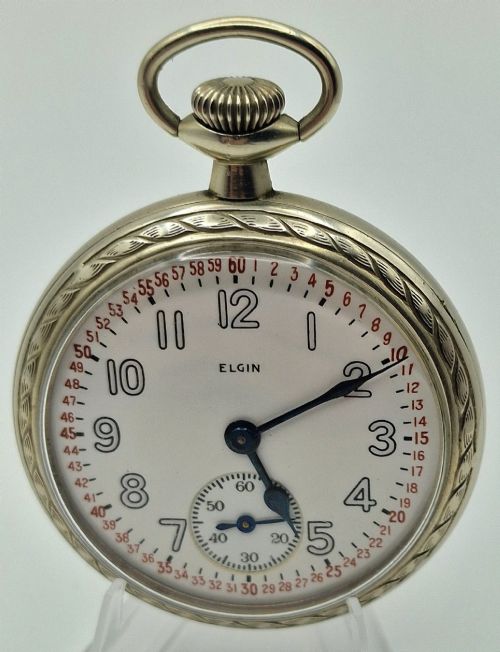
Makers represented across the listings include established Swiss and American houses such as Omega, Longines, Zenith, Elgin, and Waltham. These pieces record shifts in functional design, moving from pocket-bound instruments to wrist-worn accessories.
How they were made
Cases utilise metals such as stainless steel, solid gold, silver, nickel, and sometimes acrylic for crystals, housing intricate brass and steel gear trains within. Dials incorporate glass, enamel work, and applied or printed numerals suited to the functional or decorative intent of the period.
Movements rely on manual winding or automatic self-winding mechanisms, the latter developed through rotor and bumper systems in mid-century examples. Skilled watchmakers assembled these components by hand, fitting escapements and balancing wheels to maintain precise timekeeping.
Listings feature periods spanning from the Victorian era through the nineteen-sixties, utilising materials like silver, gold, stainless steel, enamel, and leather.
What varies in quality
Quality in a mechanical watch rests on the precision of the movement, the integrity of the case metals, and the preservation of original components such as dials and hands. High-end examples utilise adjusted multi-jewel calibres from renowned makers, finished with damaskeening or Geneva stripes.
Condition spans from untouched, unrestored pieces retaining patina to fully restored examples serviced by specialists. The presence of original packaging, matching hallmarks on silver or gold cases, and specialised complications like chronographs or stop-watch functions elevate the calibre of the piece.
International Watch Company IWC·Omega·Longines·Zenith·Elgin·Waltham·Rolex Tudor·Cortebert·Smiths
The Mechanical Watch Glossary
- Calibre
- The specific internal movement design and model created by a watch manufacturer. It designates the layout and technical specifications of the gear train.
- Chronograph
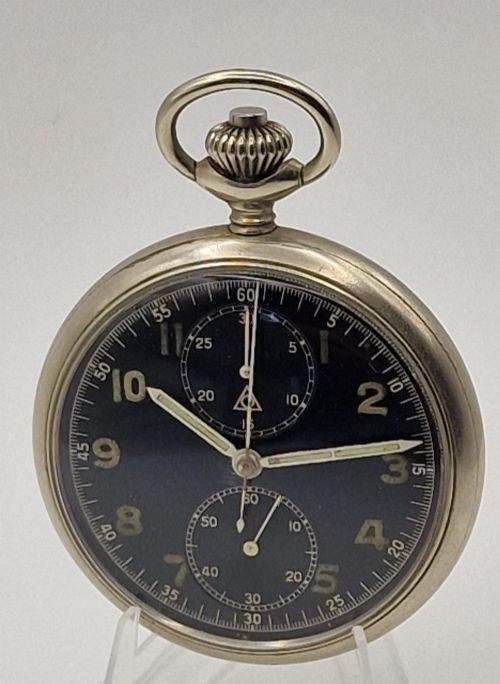
- A timepiece equipped with a secondary independent sweep second hand that can be started, stopped, and returned to zero for timing events. Many historical examples served military or scientific functions.
- Half Hunter
- A pocket watch featuring a case lid with a glass or open centre window, allowing the user to read the hands without opening the outer cover. It protects the dial while maintaining quick legibility.
- Escapement
- The internal mechanism that converts continuous rotational force from the mainspring into discrete impulses to regulate the rotation of the wheels. It produces the characteristic ticking sound of the watch.
Mechanical Watch: Frequently Asked Questions
How do I wind a mechanical watch?
Wind the crown clockwise between your thumb and forefinger until you feel gentle resistance. Stop immediately at that point to avoid over-tensioning or snapping the mainspring.
Most vintage wristwatches require daily winding, while automatic versions rely on wrist movement to keep the mainspring tensioned throughout the day.
Can I wear a vintage watch every day?
Many people wear vintage pieces daily, provided the movement receives regular servicing by a qualified horologist. Care must be taken around water and magnetic fields, as older designs lack modern seals and shielding.
Rotating your watches distributes wear across different pieces and preserves delicate internal components over decades of use.
What does military issue mean on these watches?
Military issue pieces were commissioned by armed forces for personnel, stamped with specific government property marks, serial numbers, or broad arrows on the case backs. These watches met strict utility standards for legibility and durability in active service.
They often feature matte dials, luminous hands, and robust steel or nickel-plated brass cases designed to withstand harsh field conditions.
How do I date a mechanical watch?
Dating relies on serial numbers engraved on the movement or case, matched against manufacturer production ledgers. Stylistic clues such as dial typography, case shapes, and logo variants also narrow down the production decade.
Documents, hallmarks on precious metals, and original sales boxes provide further corroboration for the period of manufacture.