





Antique French Horology
Antique French horology brings together precision brass mechanics and ornate decorative arts from the nineteenth century, offering striking timepieces for the mantel and pocket.
What antique french horology is
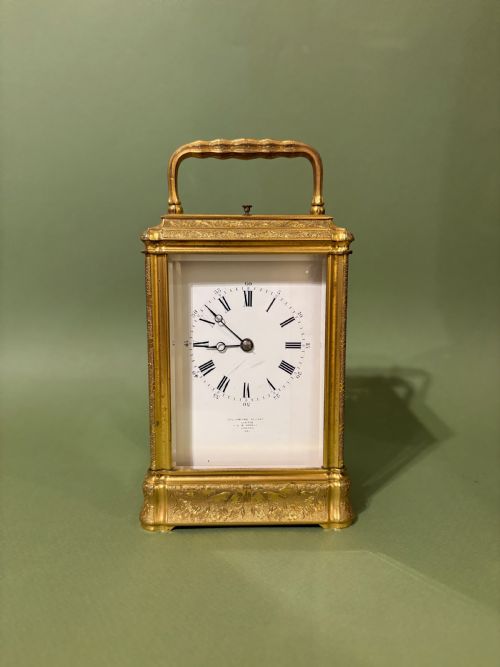
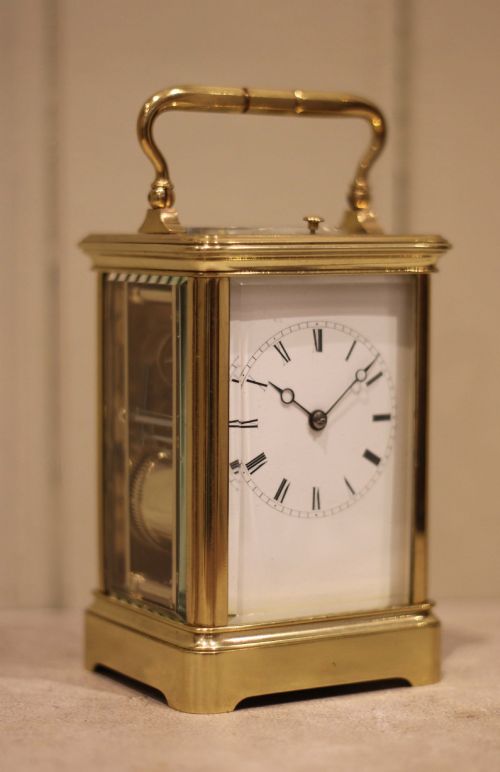
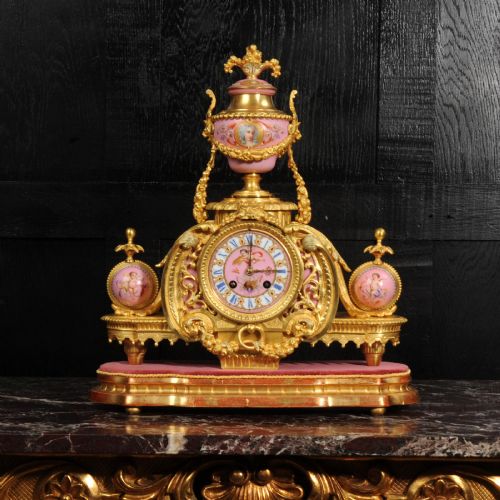
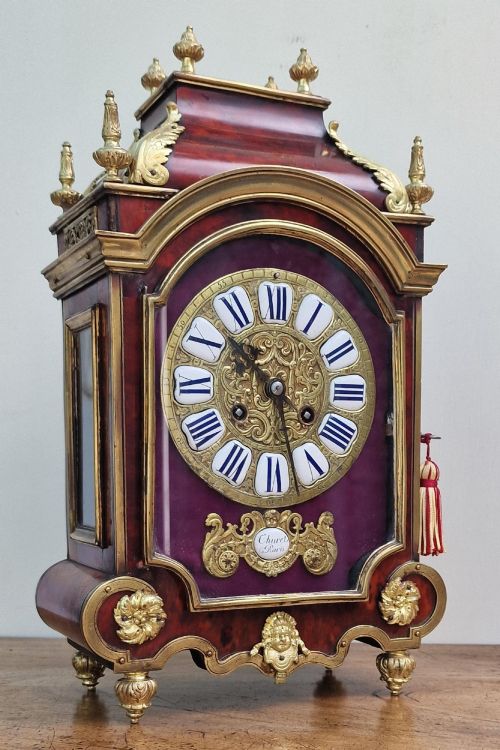
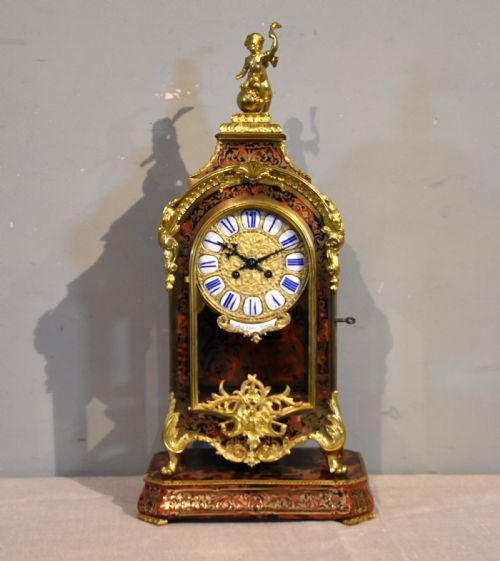
These pieces encompass portable timepieces, mantel clocks, and clock garnitures originating from nineteenth-century France. Buyers encounter diverse decorative objects ranging from gilt bronze mantel pieces to intricate carriage clocks.
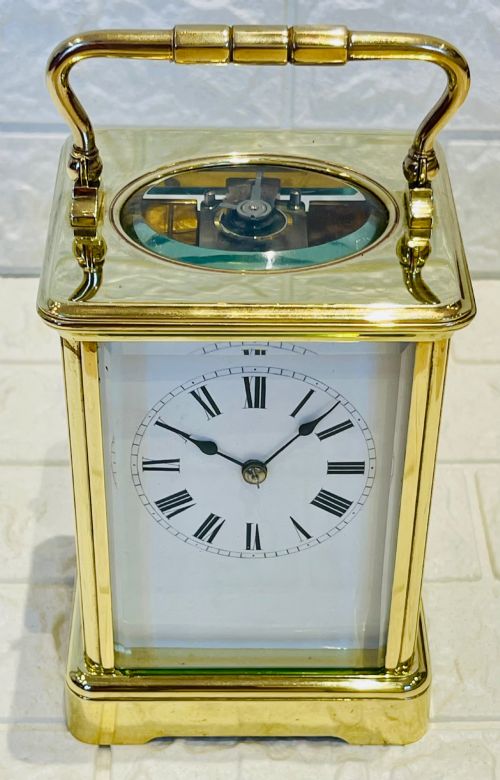
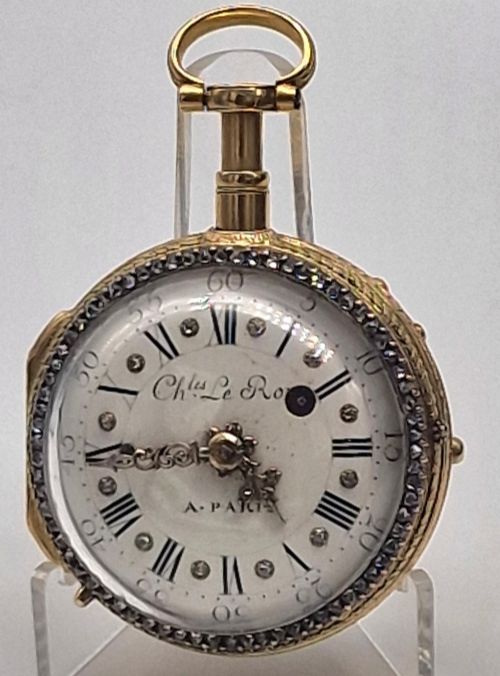
Carriage clocks and pocket watches represent the portable side of antique french horology. Meanwhile, larger mantel clocks serve as architectural centerpieces for interior spaces.
How they were made
Maker workshops utilise cast brass, gilt bronze, and ormolu to construct the structural housings and decorative mounts. Enamel and Sèvres porcelain panels provide vibrant coloured surfaces on dials and bodies.
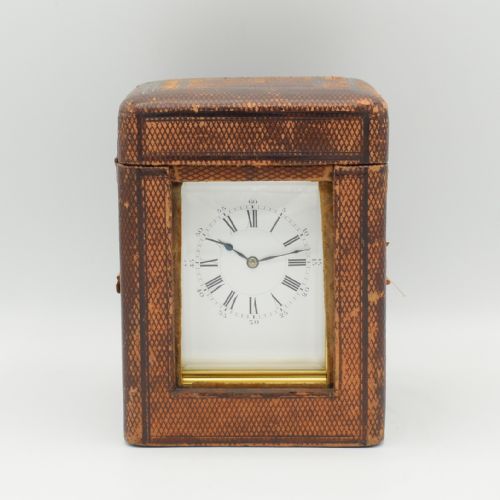
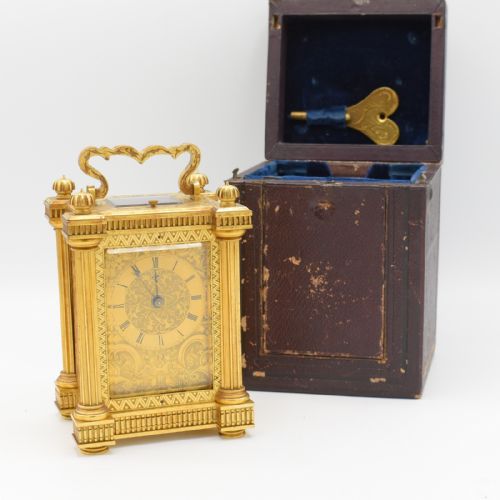
Complex mechanical movements, such as eight-day striking systems, sit within glazed glass cases and protective velvet-lined travelling boxes. Master horologists combine metalcasting, gilding, and miniature enamel painting in a single object.
Retail Price Guide 2026
Typical UK retail prices for french horology, calculated from the Sellingantiques database of over a million retail prices indexed since 2003. This retail price guide relies exclusively on Sellingantiques data; no external sources or auction records are used, so the figures do not describe the wider market.
Travelling carriage clocks often travelled with their own velvet-lined leather cases, ensuring French timekeeping stayed safe on bumpy stagecoach rides.
What varies in quality
Quality rests in the harmony between the precision of the clockwork mechanism and the sculptural finesse of the outer case. Pieces by renowned makers command attention through superior chasing on gilt bronze and immaculate hand-painted enamel dials.
The refinement of the porcelain inserts, such as genuine Sèvres plaques, elevates a standard brass clock into a high-status work of art. Complete sets with matching garnitures demonstrate a higher level of original commissioning.
Achille Brocot·Henri Jacot Paris·Japy Freres
The Antique French Horology Glossary
- Ormolu
- Gilded bronze produced by applying a mercury and gold amalgam to a bronze base. This technique creates a rich golden surface that defines many nineteenth-century decorative pieces.
- Garniture
- A set of three matching decorative objects, typically a central clock flanked by two matching ornaments. These sets create symmetry on a mantelpiece.
- Carriage clock
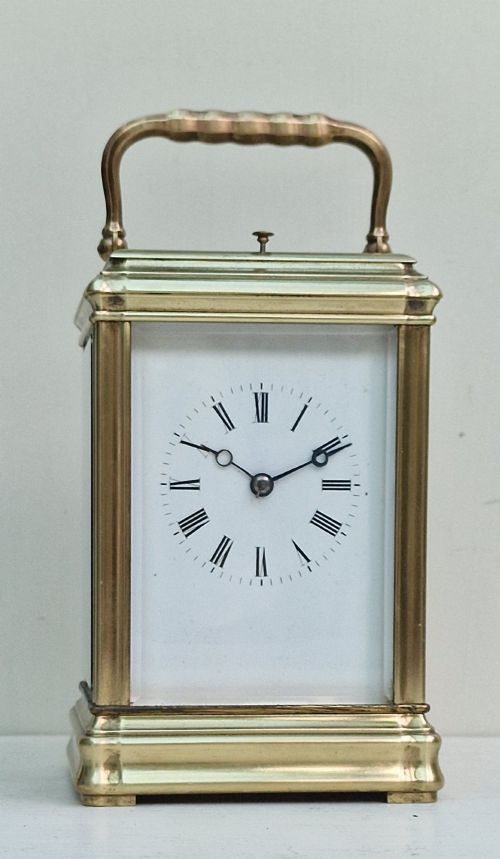
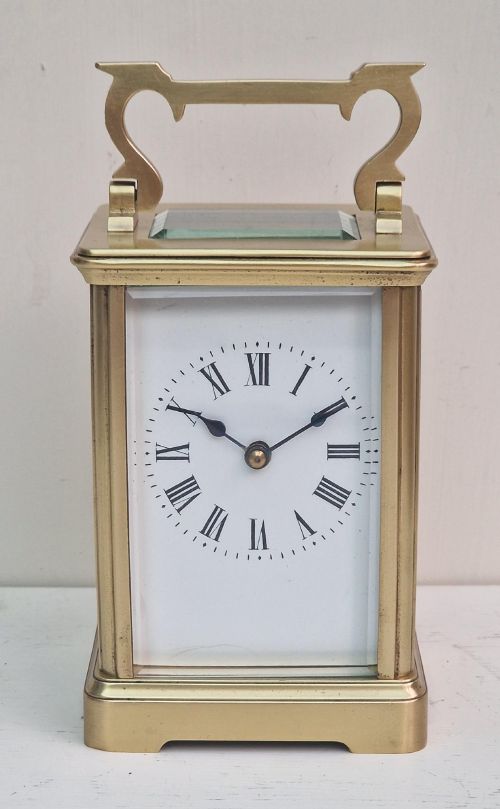
- A small, portable spring-driven timepiece designed for travelling. They usually feature brass frames with glass panels and a folding handle on top.
- Sèvres
- Porcelain produced by the royal French manufactory known for delicate hand-painted scenes and rich coloured grounds. These plaques frequently embellish luxury clock cases.
- Striking clock
- A timepiece that sounds the hours or fractions of hours automatically on a bell or gong. The mechanism relies on separate gear trains for timekeeping and striking.
Frequently Asked Questions
What is an eight-day movement?
An eight-day movement is a clock mechanism designed to run for approximately eight days on a single winding. This convenient interval meant owners only needed to tend to their clocks once a week.
Such movements required precise gear cutting and robust springs to maintain accurate tension over the extended period.
Where should I place a gilt bronze clock?
Position these clocks on stable, level surfaces away from direct sunlight and strong heat sources. Mantelpieces remain traditional locations, provided the surface does not experience excessive vibration from foot traffic.
Keep glass cases clear of moisture to protect both the exterior gilding and the delicate steel internal components.
How do I identify a Louis XVI style clock?
Louis XVI style clocks display neoclassical symmetry, straight architectural lines, and restrained ornamentation. You will often see motifs such as urns, laurel wreaths, and fluted columns.
This aesthetic contrasts sharply with the earlier curved exuberance of the Rococo Revival period.