

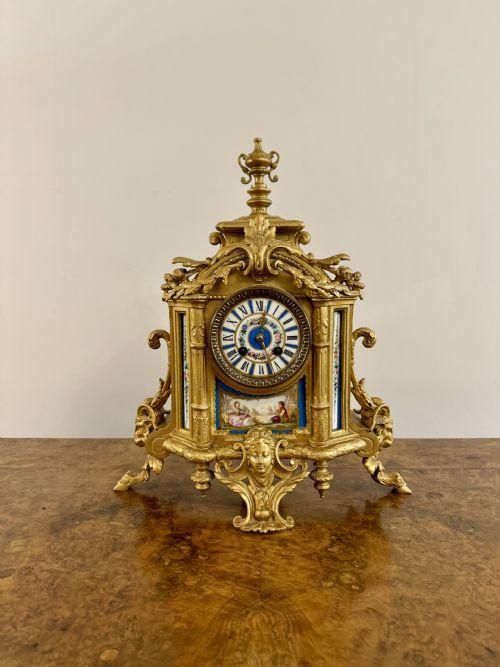


Gilt Brass Mantle Clock
A gilt brass mantle clock brings a warm metallic gleam and precise mechanical rhythm to a room.
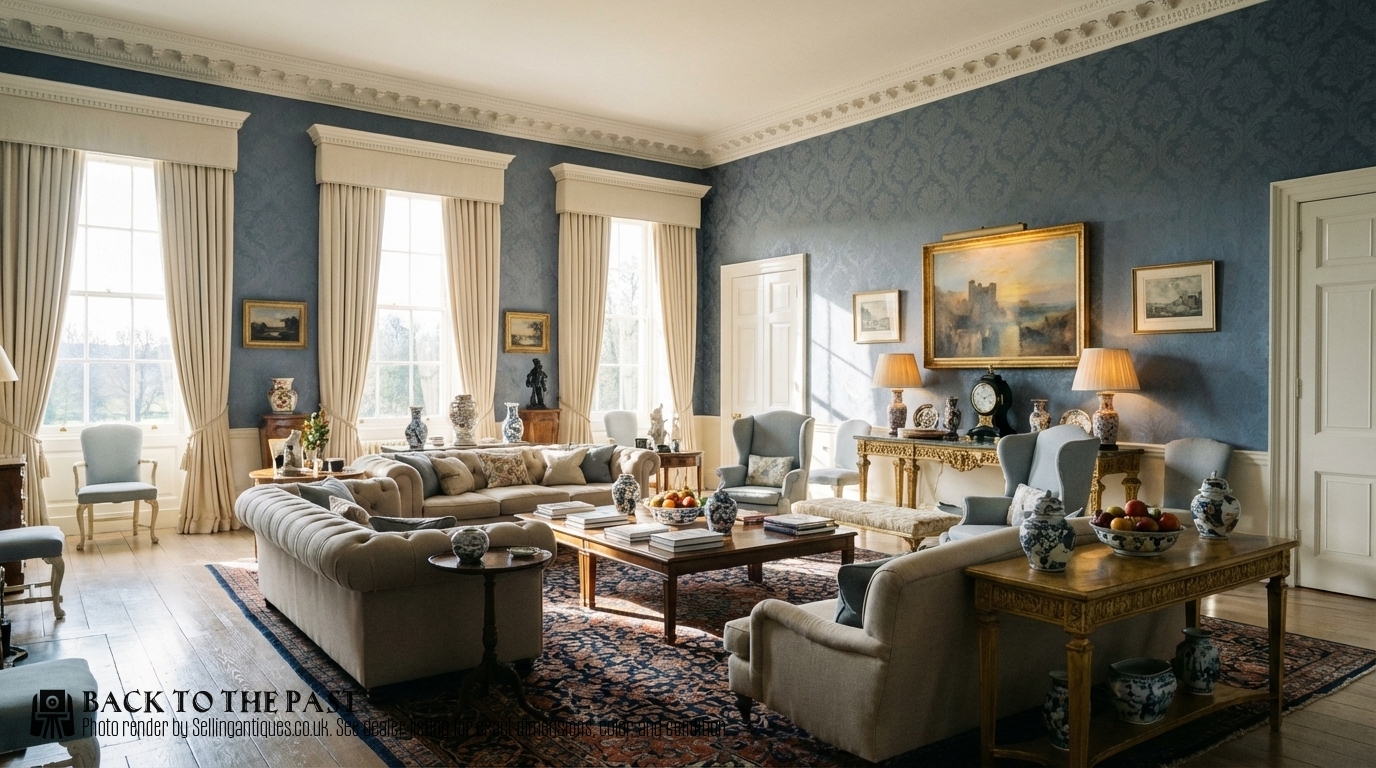
What a gilt brass mantle clock is
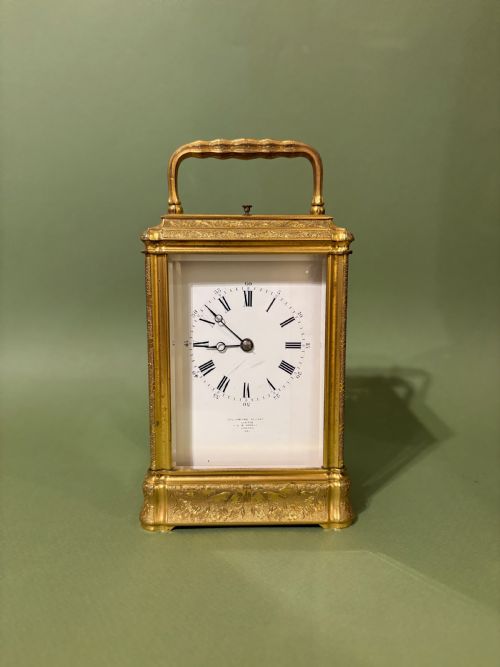
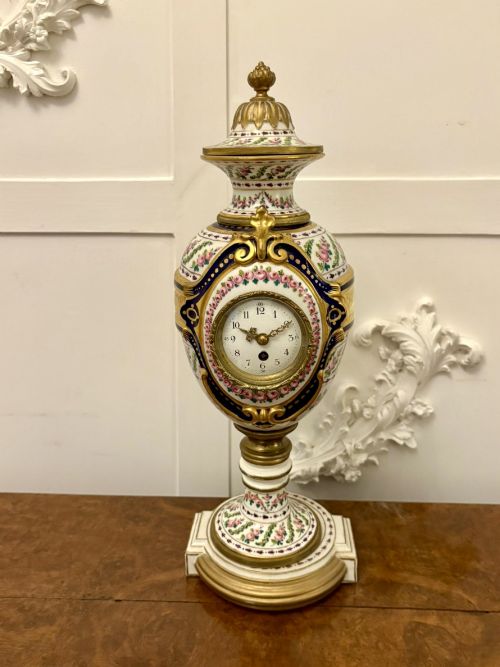
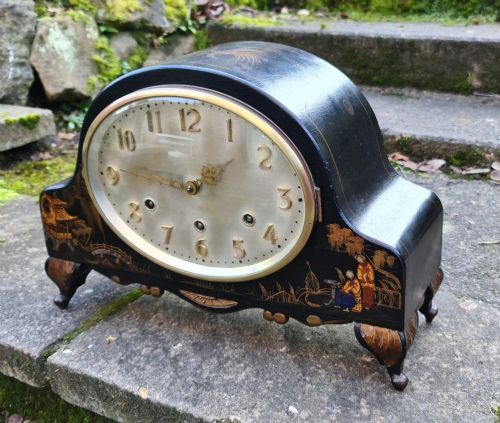
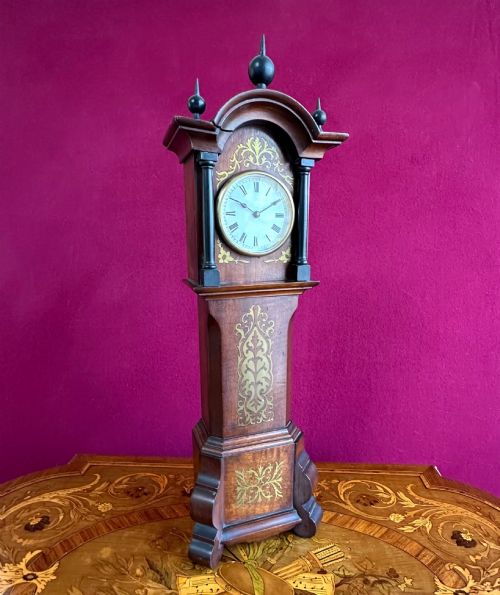
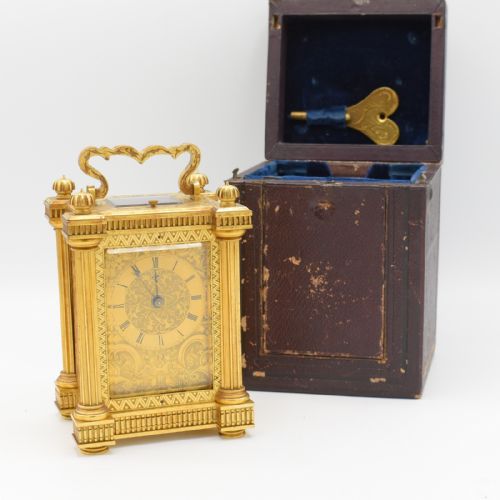
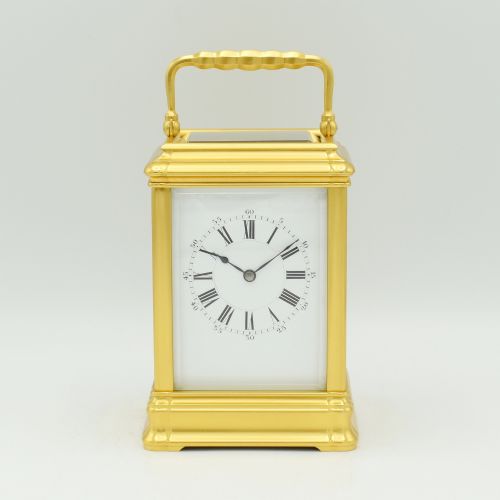
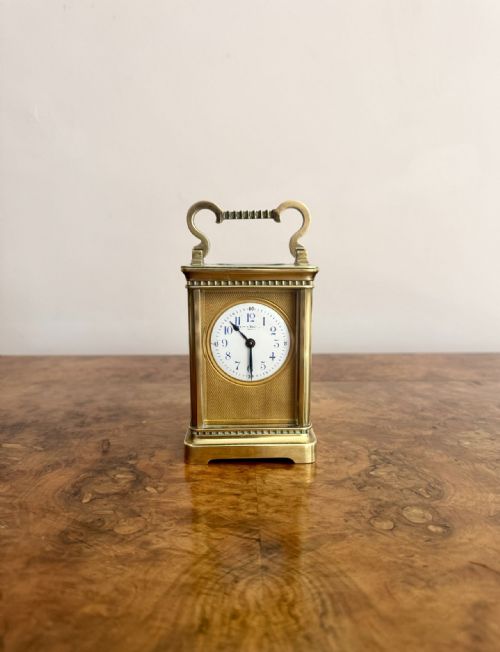
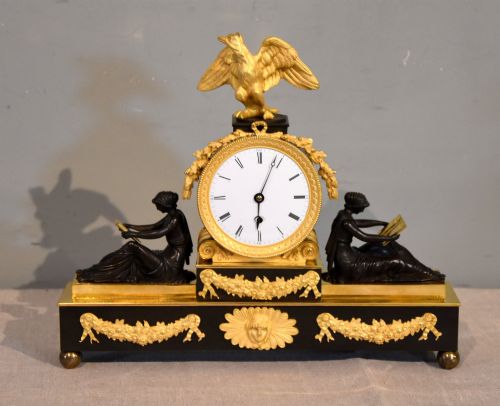
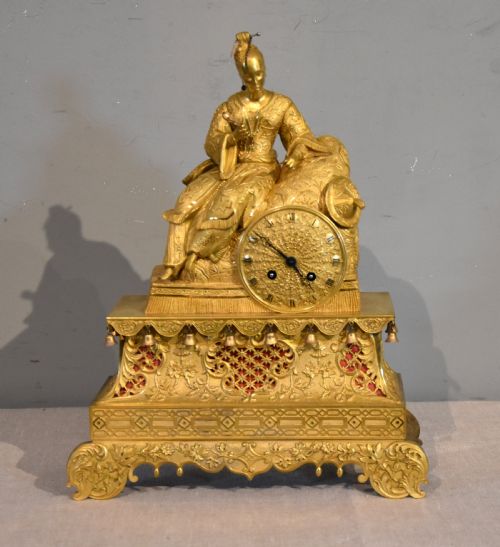
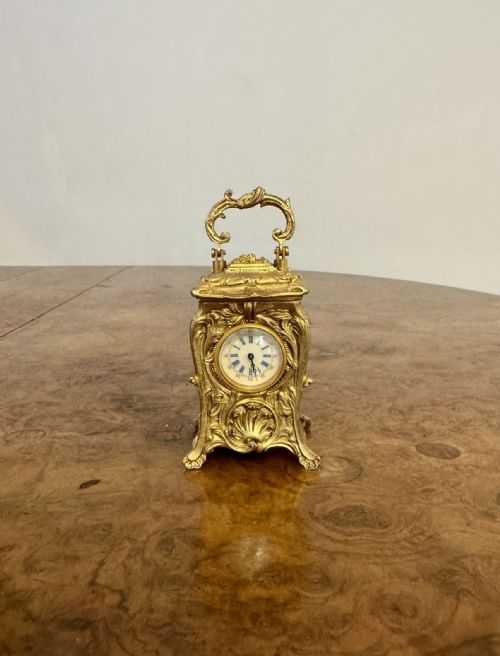
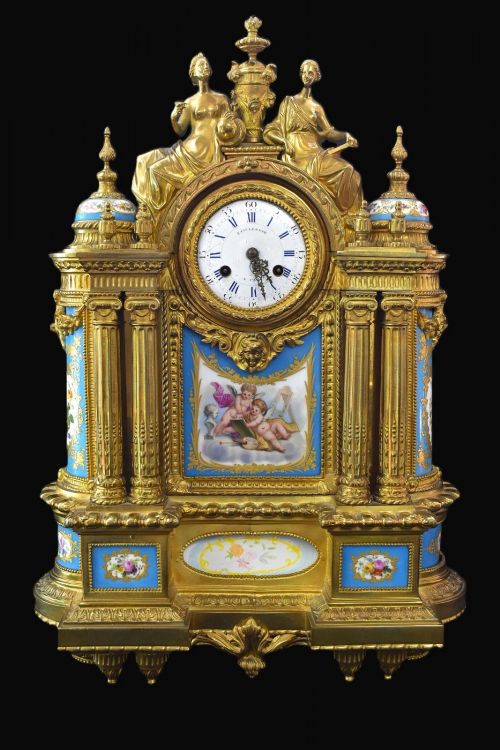
When you search for a gilt brass mantle clock, you encounter timepieces shaped by Victorian, George III, and late 19th century French aesthetics. These objects combine polished metal frames with functional dials to sit upon domestic surfaces.
The versions most frequently met on this page are French carriage clocks and Victorian mantle pieces from the nineteenth century, often paired with glass panels or marble bases.
Makers and workshops across Britain and France produced these items in forms ranging from miniature oval carriage clocks to larger architectural cases with twin fusee movements.
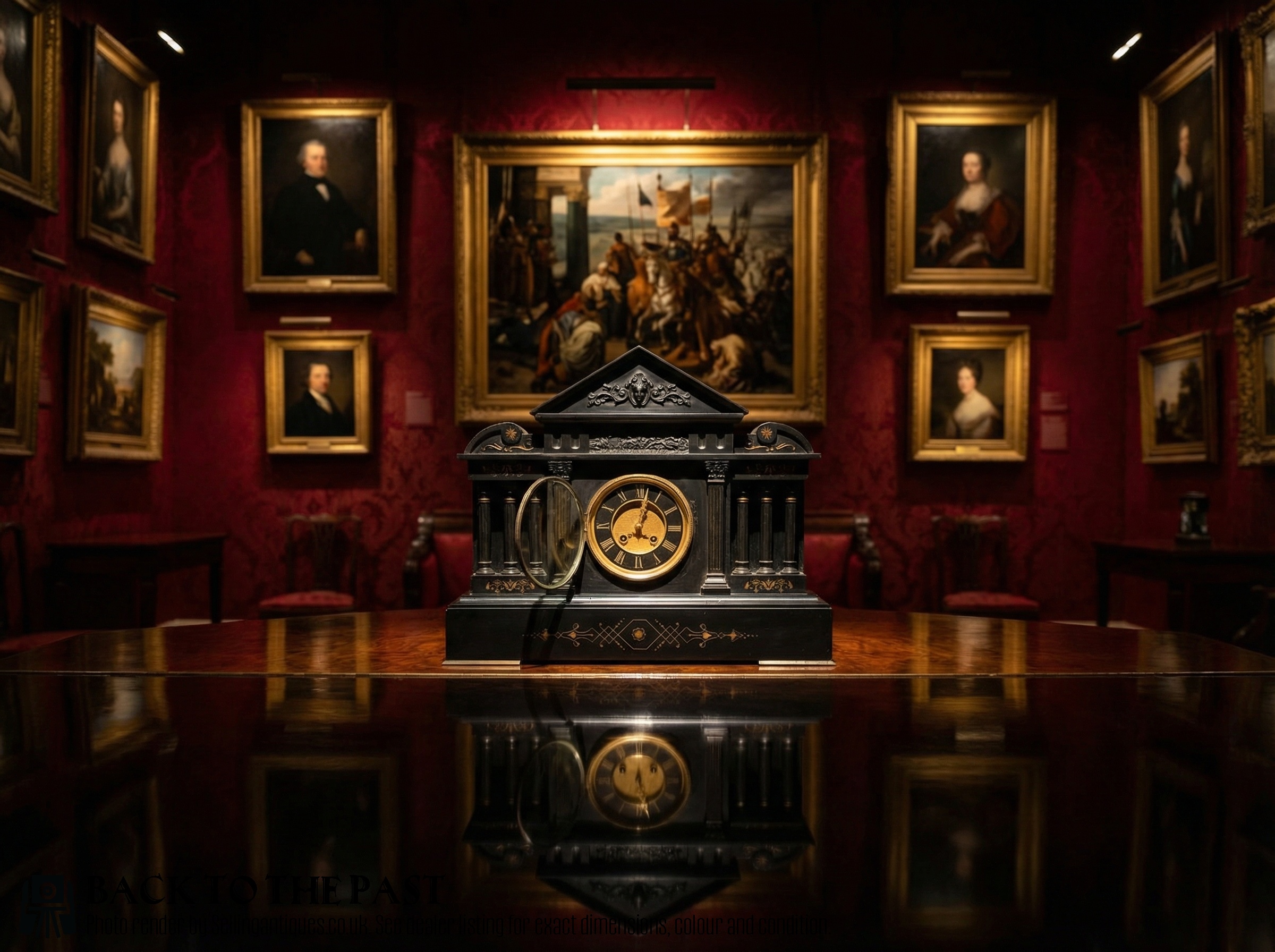
How they were made
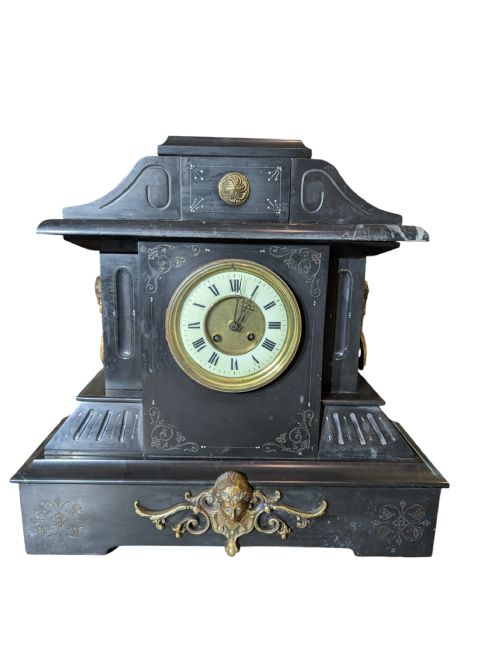
Makers constructed these clocks using brass frames finished with gilt layers, combined with structural elements of black marble, slate, and ebonised wood. Enamel provided a smooth, clean surface for clock face dials.
Glass panels allowed visibility into the internal mechanical movements, while leather often served as an outer protective material for portable carriage cases.
Retail Price Guide 2026
Typical UK retail prices for gilt brass mantle clock, calculated from the Sellingantiques database of over a million retail prices indexed since 2003. This retail price guide relies exclusively on Sellingantiques data; no external sources or auction records are used, so the figures do not describe the wider market.
Materials recorded across the inventory include glass, enamel, brass, gilt brass, leather, ebonised wood, black marble, and slate.
What varies in quality
Quality separates simple production items from complex horological works through the refinement of the movement, such as the inclusion of grande sonnerie striking mechanisms or alarm functions. The precision of the hand-painted enamel dial and the crispness of the gilt brass casting distinguish finer examples.
Material integration also marks the distinction between standard and superior pieces, where solid marble bases and heavy bevelled glass panes replace lighter components.
Henri Jacot·J. F. Bautte Et Cie·John Leroux London
The Gilt Brass Mantle Clock Glossary
- Gilt brass
- Metal treated with a gold wash or thin layer of gold to impart a bright, reflective surface finish. This technique protects the underlying base metal while providing a decorative sheen.
- Carriage clock
- A small, portable spring-driven timepiece designed for travellers during the nineteenth century. These clocks typically feature a carrying handle on top and glass sides.
- Twin fusee
- A mechanical system using a cone-shaped pulley and chain to ensure even tension as the mainspring unwinds. This mechanism improves the timekeeping accuracy of the clock.
- Grande sonnerie
- A complex striking train that chimes the hours and quarters automatically on every quarter hour. It represents an advanced level of horological craftsmanship.
- Limoges enamel
- Glass fused to a metal substrate through firing, originating from the French city of Limoges. It appears on miniature clock dials and decorative case panels.
Frequently Asked Questions
How do I wind a carriage clock?
Wind the clock using a matching key inserted into the winding squares located on the backplate of the movement. Turn the key gently until you feel resistance.
Avoid over-winding the mainspring, as this can damage the internal components. Ensure you support the case securely while operating the key.
What is a fusee movement?
A fusee is a conical pulley connected to the mainspring by a fine chain or cord. As the spring loses power, the chain moves to a wider part of the cone to maintain consistent force.
This clever mechanical device ensures the clock maintains steady timekeeping as the power reserve diminishes.
How should I clean gilt brass?
Clean gilt brass surfaces gently with a soft, dry microfibre cloth to remove dust and fingerprints. Avoid chemical polishes, as abrasive substances can strip away the thin gilt layer.
Keep the metal away from damp environments to prevent oxidation and tarnishing over time.
Where did carriage clocks originate?
Carriage clocks originated in France during the nineteenth century to meet the demand for portable timekeeping among travellers. Makers designed them with sturdy brass cases and protective leather travel boxes.
Over time, they evolved from practical travel items into decorative pieces for domestic mantle shelves.