



Antique Horology Collectable
These antique horology collectable pieces are portable timekeepers and suspension gear shaped by centuries of metalwork.
Understanding antique horology collectable
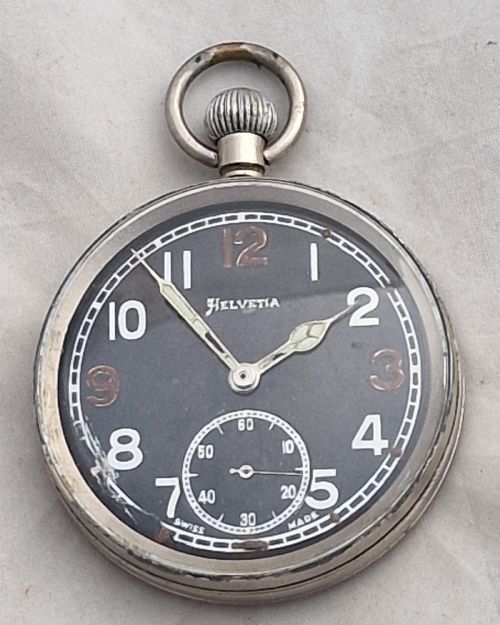
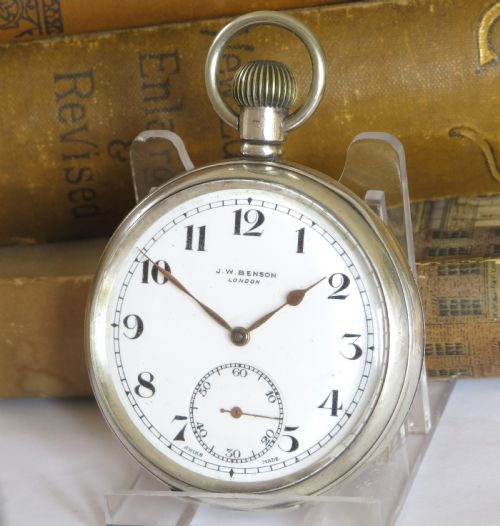
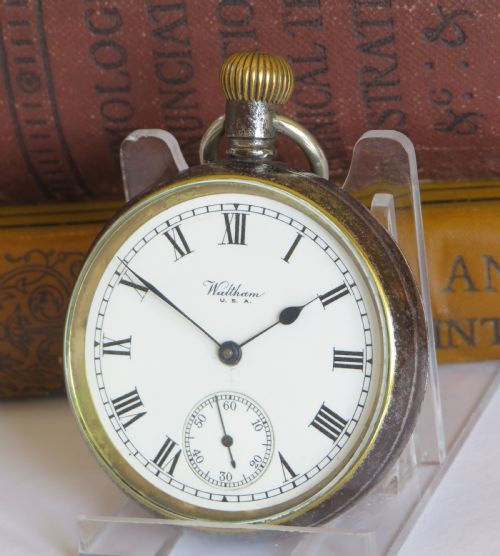
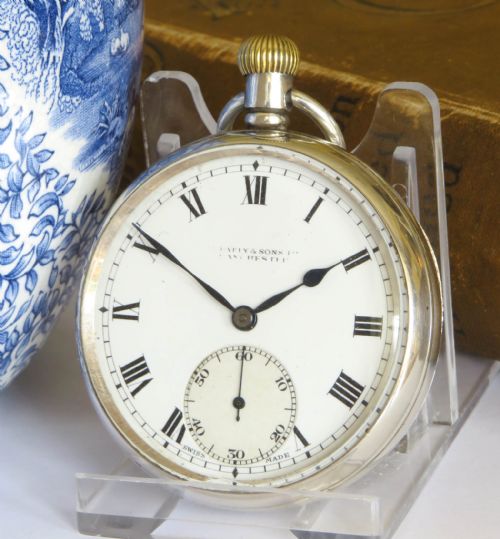
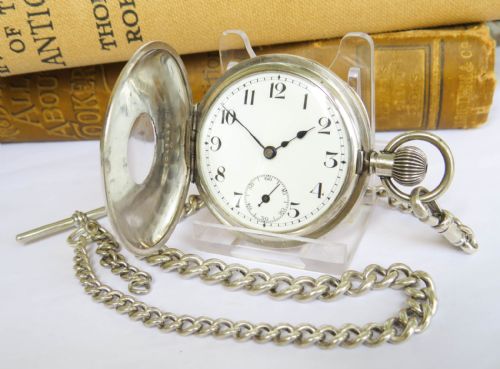
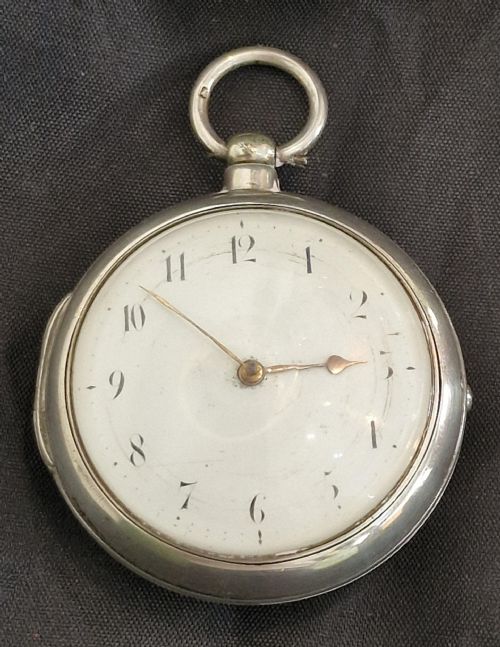
An antique horology collectable brings together portable timekeepers and associated metalwork spanning several eras of craftsmanship. When you explore this group, pocket watches form the core of the selection.
The objects originate from distinct periods including the eighteenth century, the Victorian nineteenth century, the Edwardian era, and the nineteen-thirties. Georgian and Art Deco influences appear across the forms.
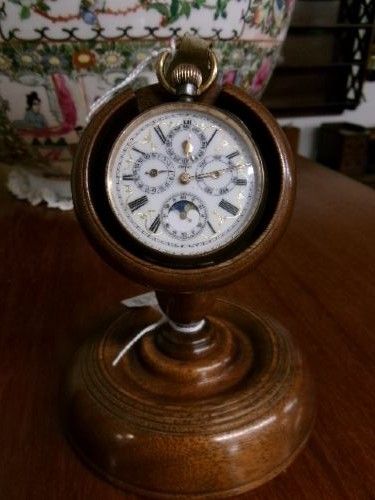
Pocket watches and watch accessories represent the primary object types available in this category. Painted dials and specialised movements define the individual character of these survivals.
Materials and construction
Makers utilised durable metals such as silver and steel alongside fragile glass and enamel components. These substances were worked by hand to create functional casings and protective dial covers.
Dials frequently received detailed hand painting, exemplified by maritime scenes showing vessels leaving port. Metal components underwent careful shaping to serve as watch hooks and protective cases.
Retail Price Guide 2026
Typical UK retail prices for horology collectable, calculated from the Sellingantiques database of over a million retail prices indexed since 2003. This retail price guide relies exclusively on Sellingantiques data; no external sources or auction records are used, so the figures do not describe the wider market.
Current listings feature items spanning the eighteenth century, nineteenth century, Edwardian period, and nineteen-thirties.
Assessing the work
Differentiation in quality stems from the intricacy of the painted dial work and the purity of the metal housing. Pieces featuring detailed maritime artwork sit above plain utility items.
The refinement of the metalwork, particularly in steel suspension hooks and silver cases, distinguishes standard production from superior examples.
The Antique Horology Collectable Glossary
- Pocket watch
- A portable timekeeper designed to fit inside a waistcoat pocket, typically secured with a chain or ribbon. These mechanisms emerged in various sizes and styles across multiple centuries.
- Pendant watch hook
- A specialised metal attachment used to suspend a pocket watch from a garment or display stand. Eighteenth-century examples often utilised shaped steel for strength.
- Painted dial
- A watch face decorated with hand-applied pigments, sometimes featuring elaborate pictorial scenes such as ships leaving port. This artistry required steady miniature brushwork.
- Enamel
- A glassy substance fused to metal surfaces through high-temperature firing to provide smooth, clean markings for numerals and decoration. It protects the underlying dial face from oxidation.
Frequently Asked Questions
What is an antique horology collectable?
An antique horology collectable refers to historic timekeeping devices and related accessories produced before the modern era. These items encompass pocket watches and suspension hooks.
They reflect the domestic and professional habits of past centuries through mechanical and decorative design.
How were pocket watches used historically?
Pocket watches served as personal timekeepers carried by individuals in pockets or secured with specialised hooks. They allowed people to track hours and minutes independently of public clocks.
Owners often paired them with specific accessories to ensure security during daily wear.
How do I identify eighteenth century pieces?
Eighteenth century items often display specific material choices such as shaped steel and hand-finished components. The design priorities of this period differed markedly from later Edwardian or Art Deco manufacturing.
Examining the construction methods provides reliable clues to the age of the item.
What materials are common in these items?
Silver, steel, enamel, and glass appear frequently across the surviving pieces. Makers selected these materials for their durability and visual appeal in personal accessories.
Each substance required distinct working methods by the artisans who shaped them.