

Vintage Stem Wind Timepiece
A vintage stem wind timepiece offers reliable mechanical timekeeping rooted in past eras, making it a practical daily carry.
Vintage Stem Wind Timepiece
A vintage stem wind timepiece represents mechanical pocket watches driven by a mainspring wound through the crown rather than a separate key. These items span from the late Victorian and Edwardian periods through the Art Deco era and into the mid-century, including specific railway and military issues.
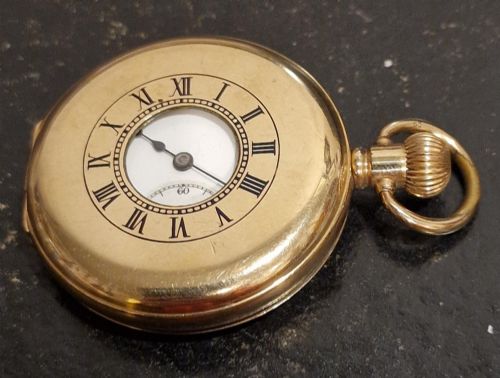
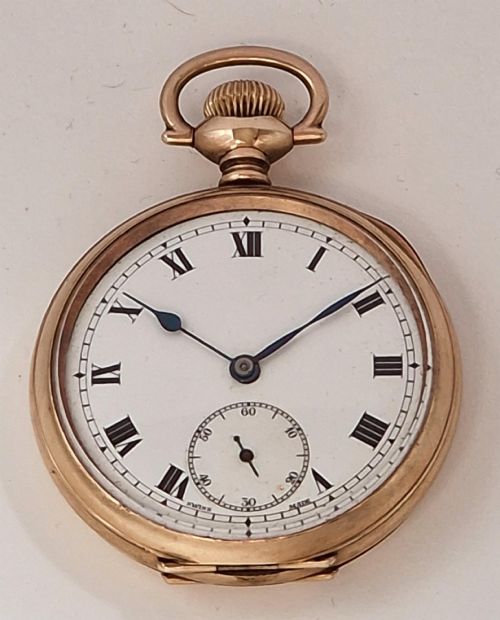
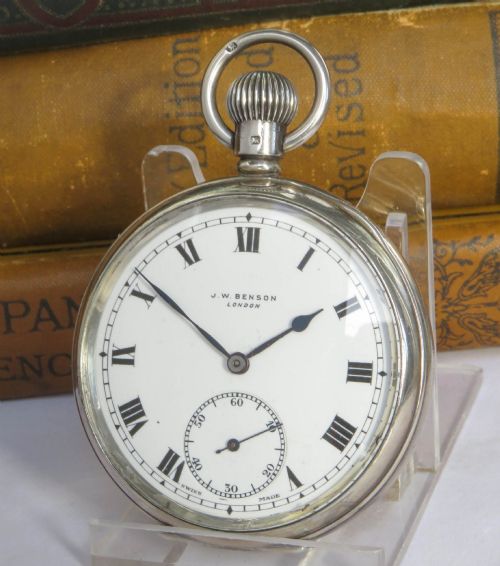
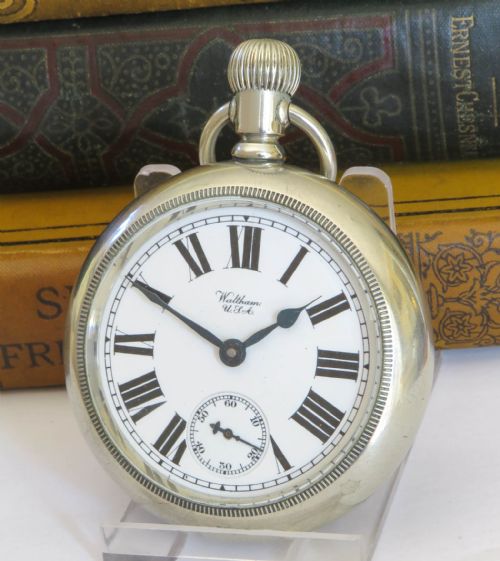
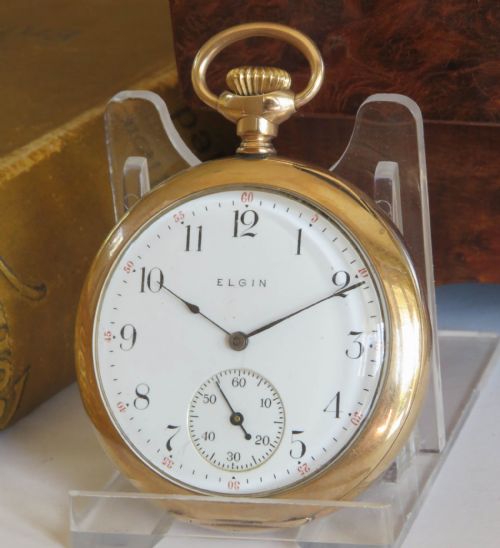
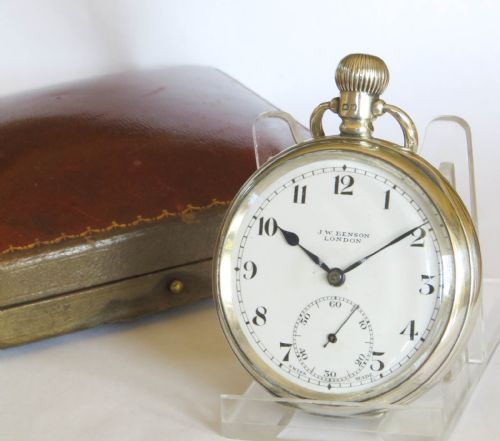
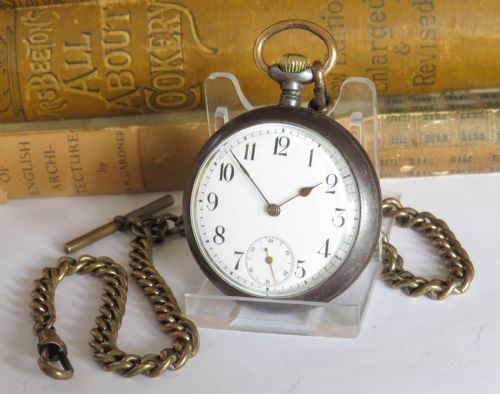
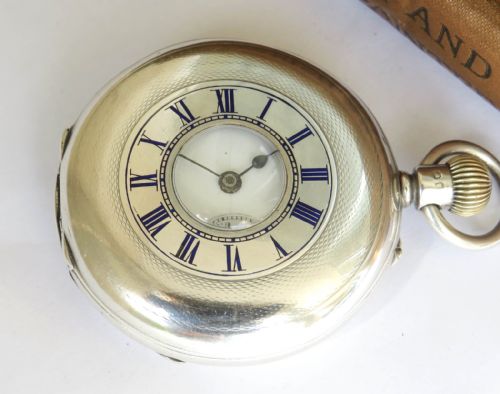
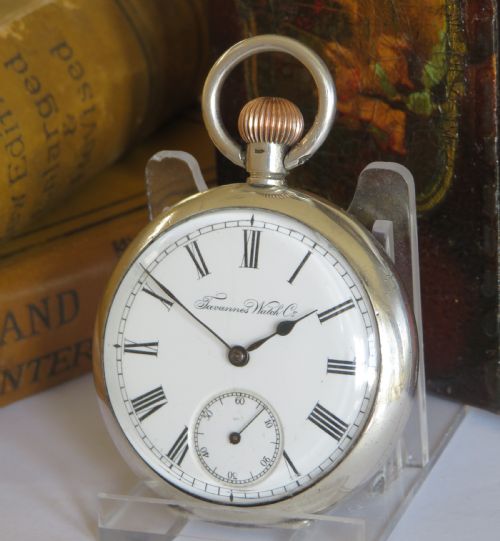
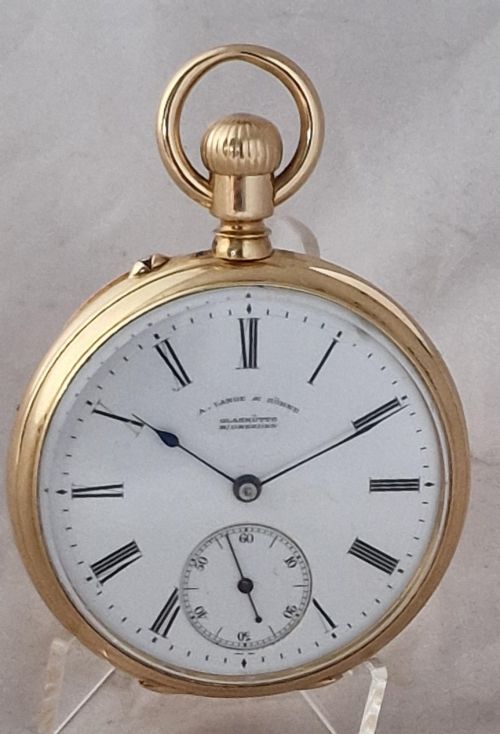
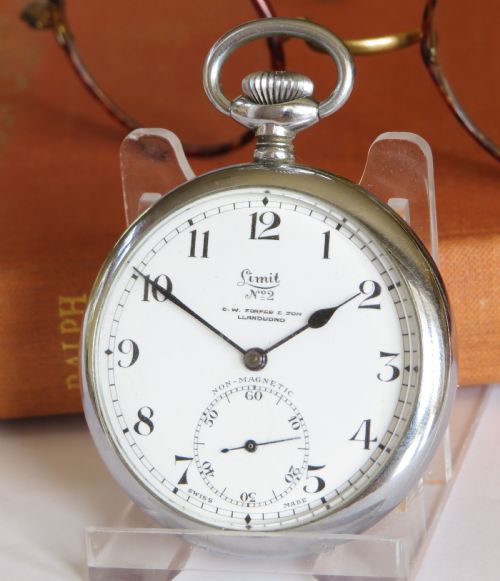
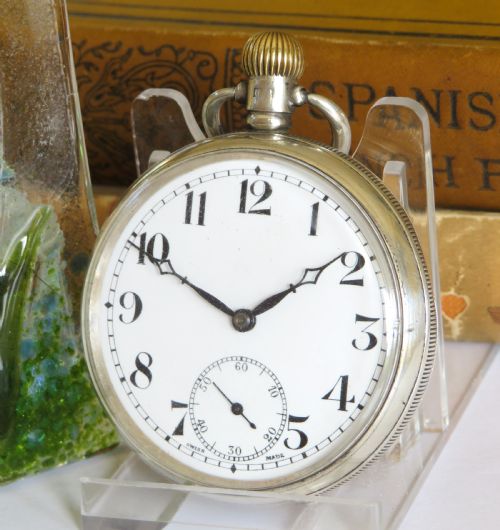
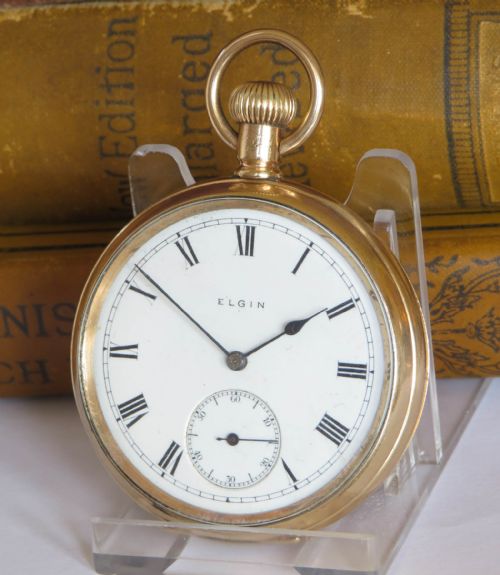
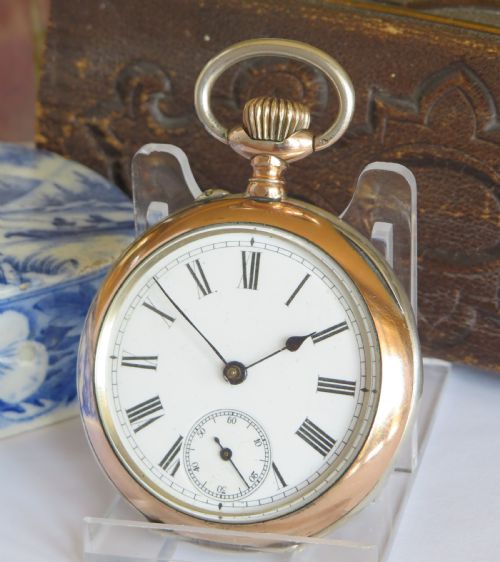
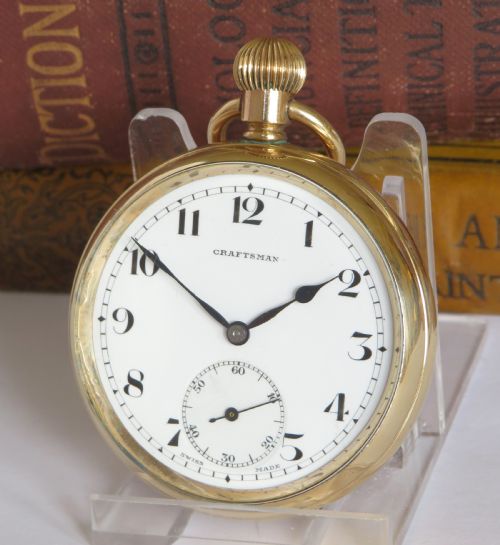
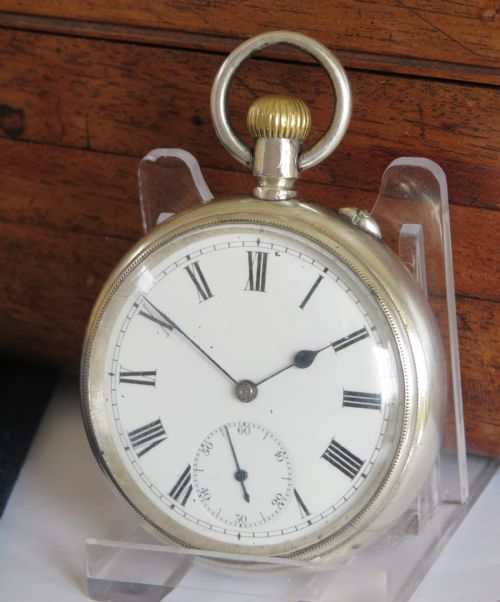
Most examples found here take the form of pocket watches rendered in silver, gold plate, or steel, often featuring open faces or half hunter cases. The selection leans heavily toward early twentieth century productions from British, Swiss, and American makers.
How they were made
These timepieces utilise metal cases fashioned from sterling silver, gold plate, brass, and steel to house intricate mechanical movements. Glass protects the dial face, while vitreous enamel frequently forms the white dial itself, carrying painted numerals and minute tracks.
Movements rely on precision gearing enclosed within metal plating, wound manually via the stem and set by crown manipulation or a specialised pin-set mechanism depending on the period.
Vintage Stem Wind Timepiece Retail Price Guide 2026
Typical asking prices for vintage stem wind timepiece among the pieces listed under this phrase on Sellingantiques today, from the lower quarter to the upper quarter. They describe what is for sale here now, not the wider market.
Railway workers kept these heavy metal timepieces tethered securely in waistcoat pockets to survive the jolts of steam locomotive footplates.
What varies in quality
The degree of craftsmanship distinguishes standard commercial pocket watches from specialised railway or military issues built for exact timekeeping under harsh conditions. Finer pieces display high jewelled movements and precise adjustments designed to maintain accuracy across varied temperatures.
Case materials also alter the character of the object, moving from simple nickel or brass through sterling silver up to solid gold, accompanied by the crispness of the enamel dial lettering and the complexity of the internal mechanism.
Elgin·Buren·J W Benson·Waltham·Limit·Tavannes·Omega·Lange & Sohne·Bravingtons Renown·Craftsman·Record·Cyma·Zenith·Consul·Doxa·Hamilton·Stayte
The Vintage Stem Wind Timepiece Glossary
- Stem wind
- A mechanism where the mainspring is wound by turning the crown at the top of the watch, replacing the earlier key-wind method.
- Half hunter
- A pocket watch case featuring a solid outer cover with a glass or open centre circle, allowing the time to be read without fully opening the case.
- Vitreous enamel
- A glass-like substance fused to a metal substrate under high heat, providing a smooth, durable surface for watch dials.
- Open faced
- A pocket watch style lacking a protective metal front cover, exposing the glass and dial directly to view.
- Railroad grade
- A high-specification timepiece built to strict government or company standards for accuracy and reliability in railway service.
Vintage Stem Wind Timepiece: Frequently Asked Questions
How do I wind a stem wind pocket watch?
Gently rotate the crown at the top of the watch clockwise between your thumb and forefinger until you feel firm resistance. Stop immediately at this point to avoid over-winding and damaging the internal mainspring.
Wind the piece at approximately the same time each day if you plan to wear it regularly. This maintains consistent tension and helps keep the movement running accurately.
Were these watches used on railways?
Several pieces are specifically designated as railway timepieces, such as those marked for Lancashire and Yorkshire or North British railways. These required robust construction and high precision to meet strict operating timetables.
Railway staff relied on these exact timekeepers to coordinate train movements safely across the network. They often feature clear Arabic numerals on white enamel dials for maximum legibility.
How can I tell the period of a timepiece?
The style of the typography on the dial, the shape of the hands, and the case decoration offer strong clues to the decade of manufacture. Victorian and Edwardian pieces often feature ornate floral engraving, while 1920s and 1930s examples lean towards geometric Art Deco lines.
Hallmarks stamped inside silver and gold cases provide exact assay office dates for British items. Serial numbers found on the internal movement plates of American and Swiss watches can also be checked against production records.