
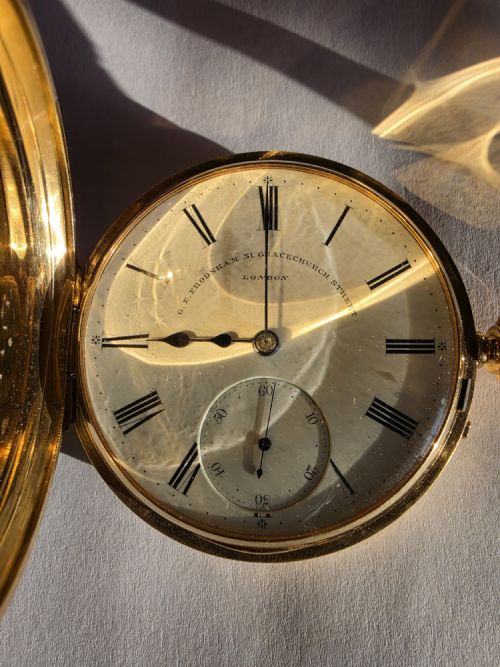
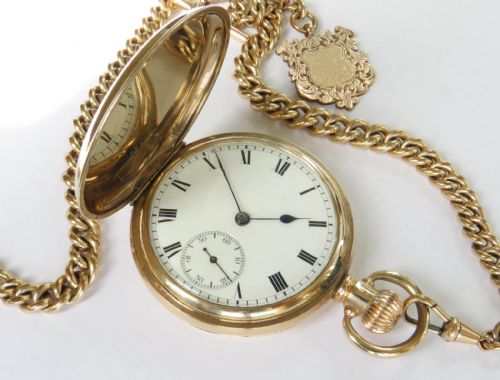
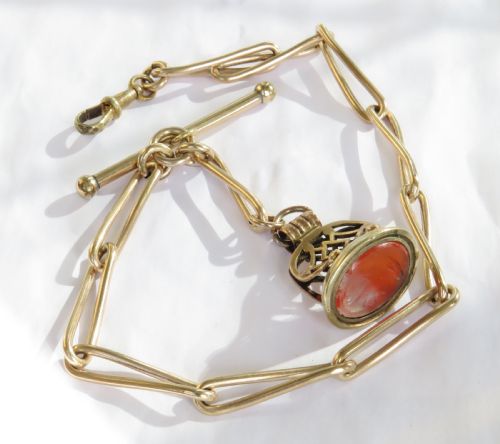
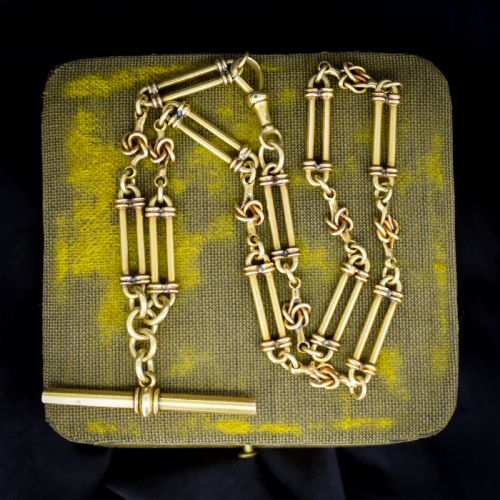


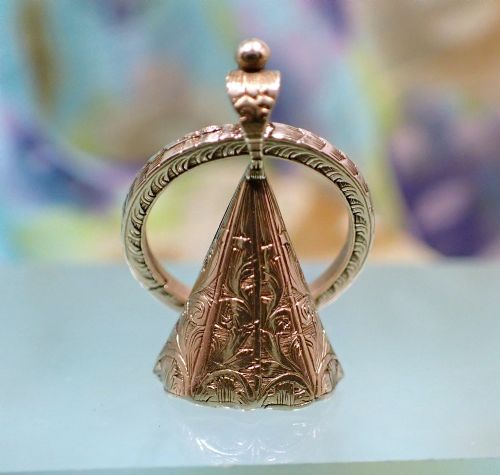
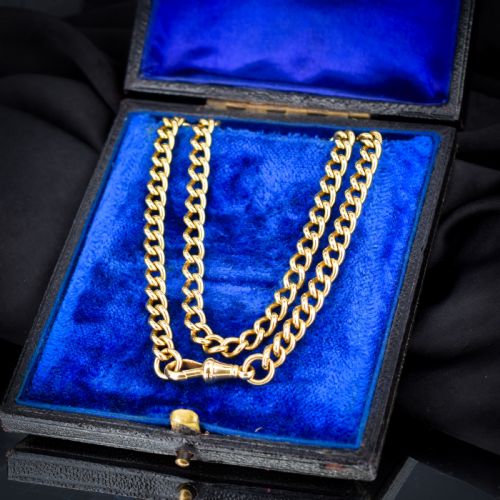
Victorian Gold Fob
These Victorian gold fobs are pocket watch pendants and seals designed to dangle from chains, offering miniature carved artistry and reliable precious metal construction.
Victorian Gold Fob
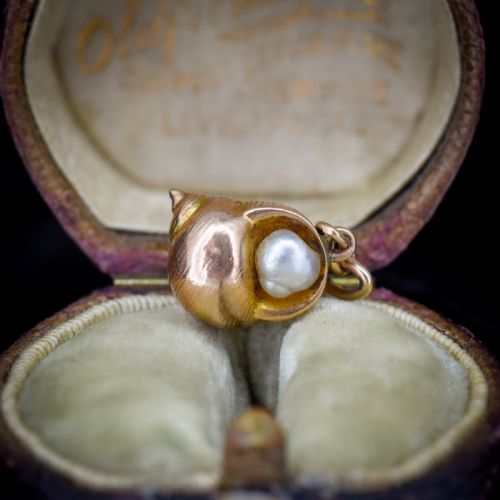
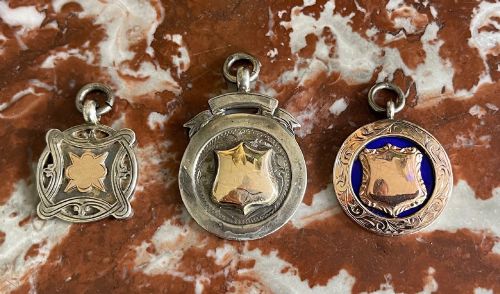
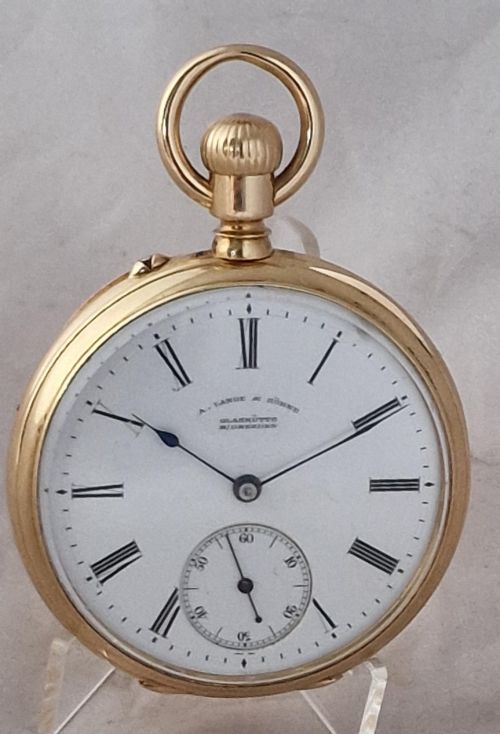
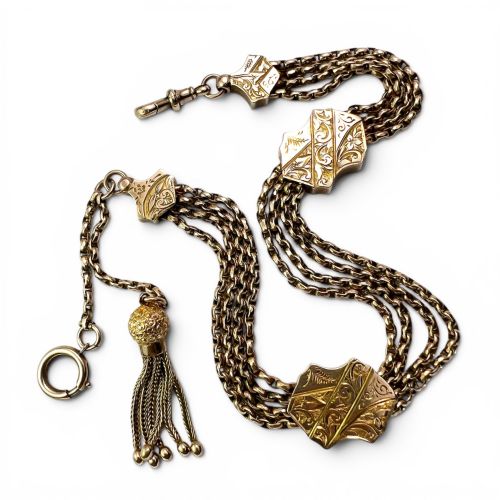
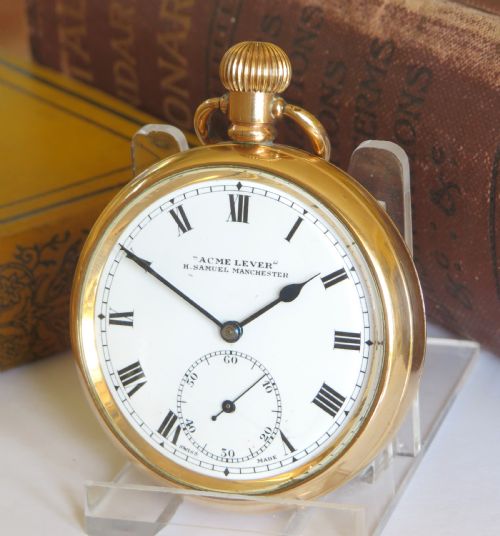
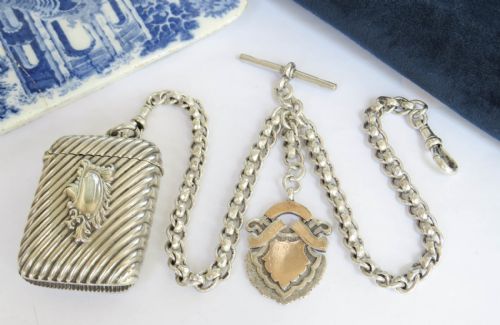
A victorian gold fob typically appears as a seal, watch key, swivel piece, or T-bar pendant meant for attachment to pocket watch chains. The pieces meeting this search phrase range from Georgian precursors through the Victorian era into later periods, reflecting enduring forms used to stamp wax or wind timepieces.
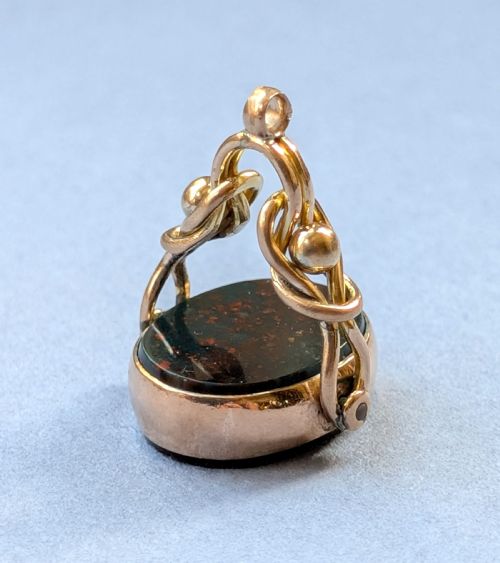
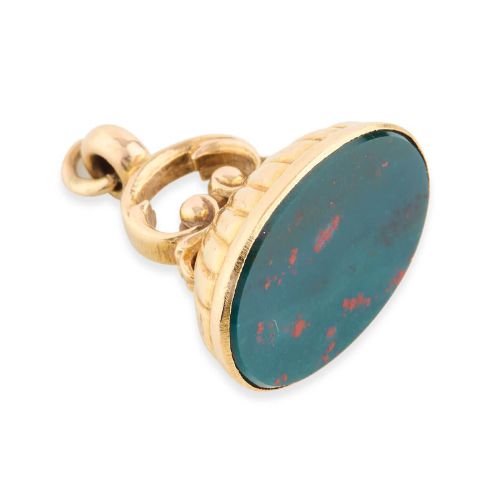
You encounter seals mounted with hardstones such as carnelian, bloodstone, chalcedony, citrine, and sardonyx alongside solid gold or gold cased bodies. Many feature engraved matrices, crests, or intaglios like Roman emperor motifs, whilst others combine lockets, horse shoes, stirrups, and crops into singular hanging charms.
Materials and construction
Craftsmen built these items using 9ct, 10ct, 15ct, and 18ct gold, alongside rolled gold and base metal variants, shaping them into fancy links, swivel mounts, and solid frames. Hardstones like carnelian and bloodstone were cut, polished, and set tightly into bezels or mounted on pivots to allow dual-sided display.
Engraving and casting defined the metalwork, with matrices hand-carved with monograms, crests, and classical figures like Roman emperors. Components such as split rings, Albert chains, and hinged lockets were soldered and assembled to withstand daily handling attached to pocket watches.
Victorian Gold Fob Retail Price Guide 2026
Typical asking prices for victorian gold fob among the pieces listed under this phrase on Sellingantiques today, from the lower quarter to the upper quarter. They describe what is for sale here now, not the wider market.
The archive records span Georgian, Victorian, and 1900 periods, encompassing pocket watch keys, seal fobs, and Albert T-bar chains.
Markers of distinction
The distinction between tiers rests upon the grade of gold employed, ranging from lower carat or gold cased metals up to substantial 15ct and 18ct solid gold. Weight, complexity of the link work, and the presence of hallmarks or specific assay towns dictate how an example is regarded.
Execution of the stone carving elevates certain pieces, particularly where intaglios depict detailed subjects like Roman emperors or equestrian motifs rather than blank or simply polished surfaces. Ornate cast details such as buckled straps, horseshoes, and intricate floral scrolling further separate standard production from superior work.
The Victorian Gold Fob Glossary
- Fob seal
- A small pendant featuring an engraved stone or metal matrix designed to press into sealing wax. These items hung from watch chains and doubled as personal signatures.
- Carnelian
- A brownish-red variety of chalcedony quartz frequently used for intaglio seals. Its warm orange-red tone provided a strong contrast against yellow and rose gold mounts.
- Bloodstone
- A dark green jasper flecked with red spots of iron oxide, commonly set into swivel fobs. This opaque stone was a favourite choice for masculine Victorian signet seals.
- Watch key
- A small mechanical tool shaped like a pendant, used for winding pocket watches. Many were fashioned with decorative stone terminals to serve a dual ornamental purpose.
- T-bar
- A horizontal metal bar attached to the end of a pocket watch chain, designed to slip through a waistcoat buttonhole. It remains a defining component of many Victorian fob assemblies.
Victorian Gold Fob: Frequently Asked Questions
What is a Victorian gold fob used for?
These pieces served practical functions as writing seals for letters or winding keys for pocket watches, suspended from long chains across waistcoats.
Over time they evolved into purely decorative pendants and charms, worn to display personal crests, initials, or associations with sports like horse riding.
How do I wear a fob pendant today?
Modern wearers typically suspend a fob from a sturdy chain around the neck or attach it to a traditional watch chain worn across a jacket or belt loop.
The substantial weight of solid gold and stone swivel designs makes them well-suited for daily wear as standalone statement pendants.
Are all Victorian fobs solid gold?
Materials varied significantly according to cost and maker, with items produced in solid 9ct, 10ct, 15ct, and 18ct yellow and rose gold.
Other examples utilised rolled gold, gold cased techniques, or base metals over a core, providing the appearance of solid precious metal at a different price point.
What stones are common in these seals?
Carnelian and bloodstone dominate the surviving examples, often mounted on swivel mechanisms that allowed the wearer to flip between two different stones.
Other instances feature chalcedony, citrine, paste, sardonyx, and agate, sometimes carved with crests, monograms, or classical figures.
How can I tell the period?
Georgian pieces often display distinct neoclassical motifs and heavier Georgian gold work, whereas Victorian examples frequently incorporate 9ct or 15ct gold marks and varied charm subjects.
Assay office marks, style transitions like Georgian into early Victorian, and specific design elements such as Albert T-bars help narrow down the date of manufacture.