


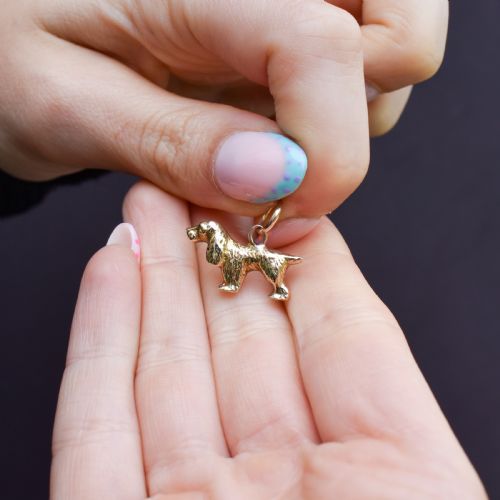

Antique Fob Pendant
An antique fob pendant brings the tactile history of Georgian, Victorian, and Edwardian timekeeping into modern personal wear.
Antique Fob Pendant
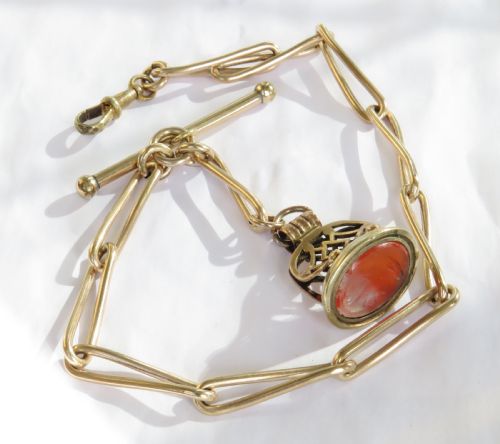
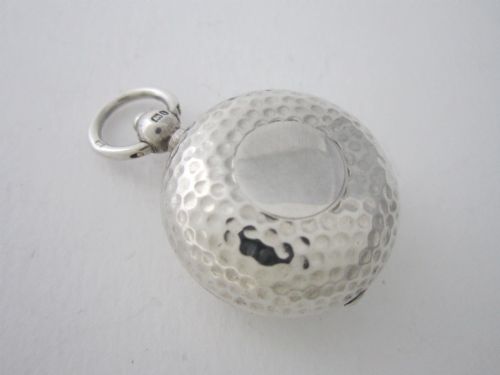
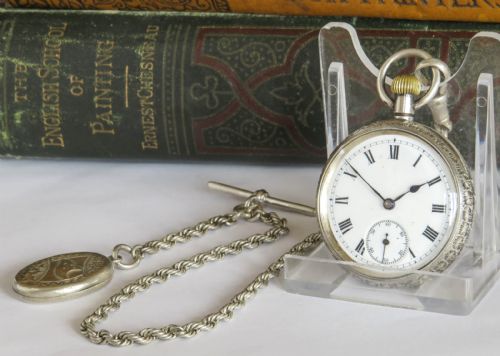
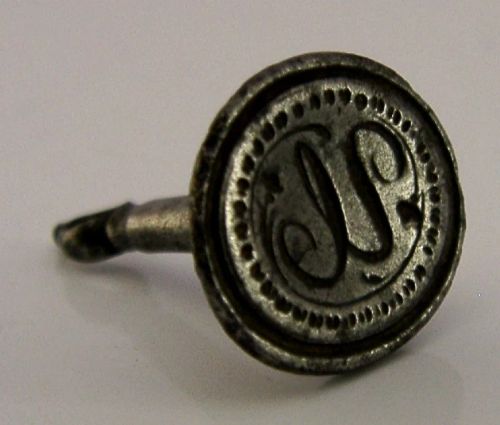
An antique fob pendant originates from the functional appendages once attached to pocket watch chains, such as sovereign cases, wax seals, watch keys, and spinning bloodstone or carnelian stones. These items transitioned from utilitarian pocket accessories to wearable pendants, retaining their mechanical pivots, swivel mounts, and intricate metalwork.
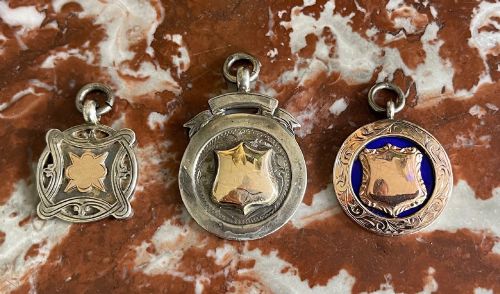
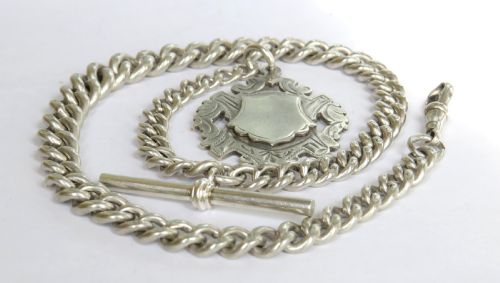
The pieces encountered on this page span the Georgian, Victorian, Edwardian, and Art Deco eras, alongside the 1920s. Collectors will find solid silver watch chains, gold spinning fobs, novelty animal charms, and engraved intaglio seals designed to be suspended from chains or split rings.
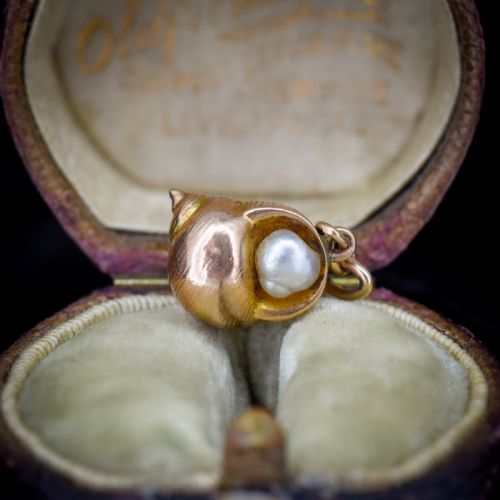
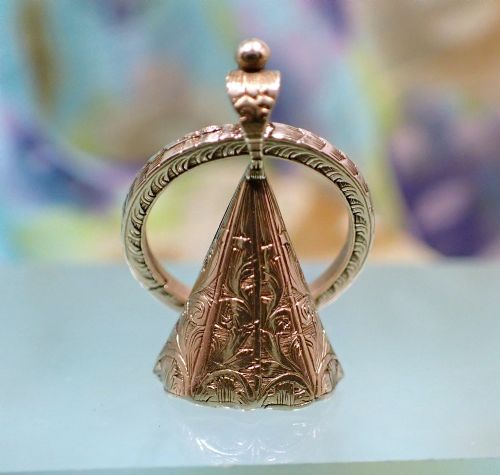
Forms range from simple gold-cased compasses and pearl shell charms to elaborate equestrian motifs, sovereign holders, and miniature books. Each variant reflects the domestic habits, personal ciphers, and daily utility of past centuries adapted for contemporary display.
Materials and construction methods
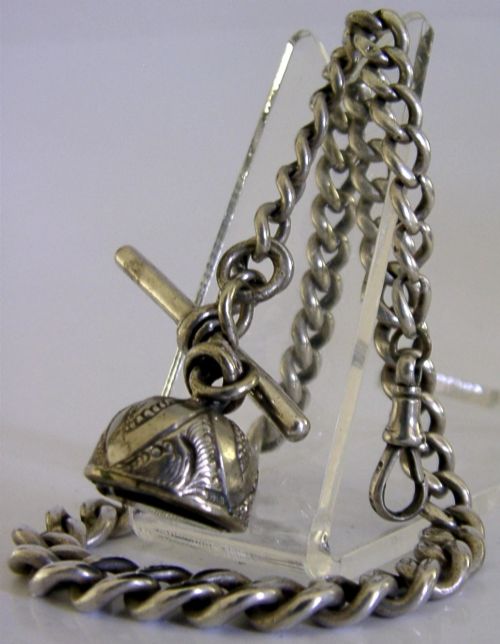
Metals span sterling silver, rolled rose gold, 9ct gold, 15ct gold, and gilt metal, shaped through casting, stamping, and hand-engraving. Goldsmiths and silversmiths utilised hollow stamp cases, solid watch chains with T-bars, and multi-jointed spinning mounts to house hardstones securely.
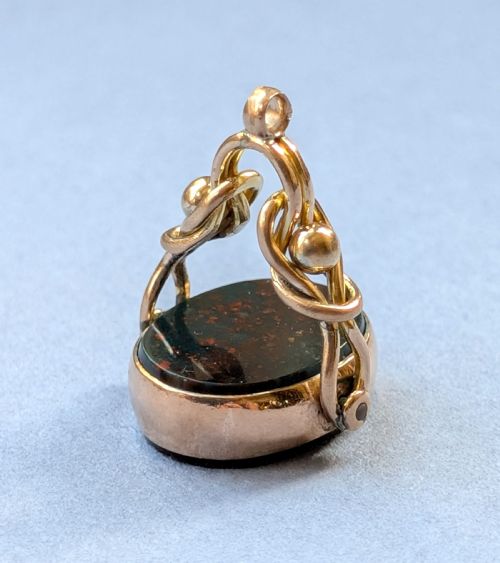
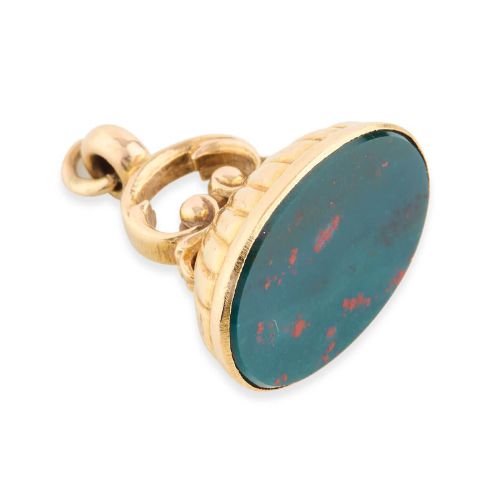
Hardstones such as carnelian, bloodstone, sardonyx, citrine, and chalcedony form the rotating faces of swivel fobs, often cut flat or shaped into intaglio seals. Craftsmen polished these stones by hand before setting them into pivoting metal bezels that allowed the wearer to display either face.
Enamel work, cut steel, and glass components add colour and texture to specific pieces, while specialised items incorporate functioning compasses, mechanical pencils, or tiny secret compartments. Hallmarks stamped into silver and gold pieces record assay office towns and dates of manufacture.
Antique Fob Pendant Retail Price Guide 2026
Typical asking prices for fob pendant among the pieces listed under this phrase on Sellingantiques today, from the lower quarter to the upper quarter. They describe what is for sale here now, not the wider market.
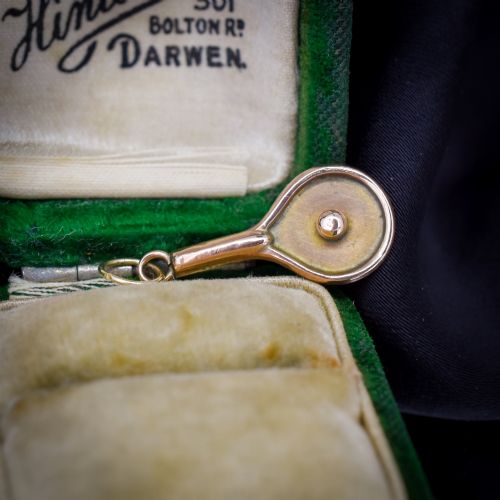
Functional novelty pieces on record include working compasses, propelling pencils, sliding Mr Punch figures, and miniature stamp cases.
Factors that define quality
Quality rests upon the crispness of the hand-carved intaglio or engraving upon the stone and metal surface. Sharply defined armorial bearings, legible ciphers, and deeply sculpted animal motifs demonstrate superior workshop execution.
The mechanical integrity of the piece dictates its structural standard. Smoothly rotating swivel mounts, tightly sprung sovereign case clasps, and intact split rings show careful original construction that survives heavy use.
The choice of materials elevates the piece, distinguishing solid 9ct or 15ct gold and substantial sterling silver from gilt base metals, while unblemished hardstones without fractures represent the upper tier of surviving examples.
Crisford & Norris·W & G Neal·Hamilton & Co·Henry Charles Freeman
The Antique Fob Pendant Glossary
- Fob seal
- A small pendant featuring an engraved matrix at the base, used historically for pressing into hot sealing wax to secure correspondence. The matrix often displayed a family crest, initials, or a personal motto.
- Spinning fob
- A pendant mounted on a central axis within a U-shaped frame, allowing the stone or seal to rotate freely. This design typically presented two distinct faces, such as carnelian on one side and bloodstone on the other.
- Sovereign case
- A small, hinged container engineered to hold British sovereign gold coins securely. These cases often incorporate spring mechanisms and suspension loops for attachment to a watch chain.
- Intaglio
- A design carved into the flat face of a hardstone or metal so that it produces a raised impression when pressed into wax. This technique requires meticulous hand-cutting under magnification.
Antique Fob Pendant: Frequently Asked Questions
What is an antique fob pendant?
An antique fob pendant is a decorative item originally created to hang from a pocket watch chain, including spinning hardstone seals, sovereign holders, and miniature charms.
Over time, these functional accessories have become popular as standalone pendants worn on modern neck chains.
How do spinning fobs work?
Spinning fobs are mounted on a central swivel axis held within a metal frame, allowing the wearer to flip the stone over.
This mechanism typically presented two different engraving surfaces, such as a bloodstone face and a carnelian face.
How can I date my fob pendant?
Dating relies on hallmark stamps indicating assay offices and years, stylistic markers like Edwardian filigree or Victorian mourning motifs, and mechanical construction methods.
Comparing the design against documented archive pieces from specific decades provides further confirmation.
What were watch keys used for?
Watch keys were necessary to wind mechanical pocket watches before keyless stem-wind movements became standard in the late nineteenth century.
As decorative pendants, they were often paired with hardstone seals on watch chains.
Can I wear these pendants daily?
Most solid gold and silver fob pendants are robust enough for everyday wear when suspended securely from an appropriate chain.
Care should be taken with softer stones like carnelian and bloodstone to avoid impact against hard surfaces.