



Georgian Fob Seal
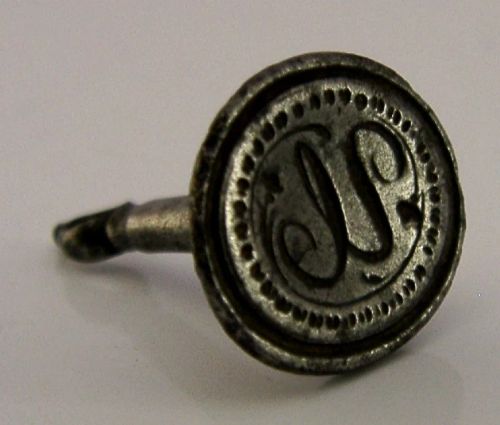
When you handle a georgian fob seal, you hold a miniature carved stone designed to stamp sealing wax with personal ciphers or crests.
Georgian Fob Seal
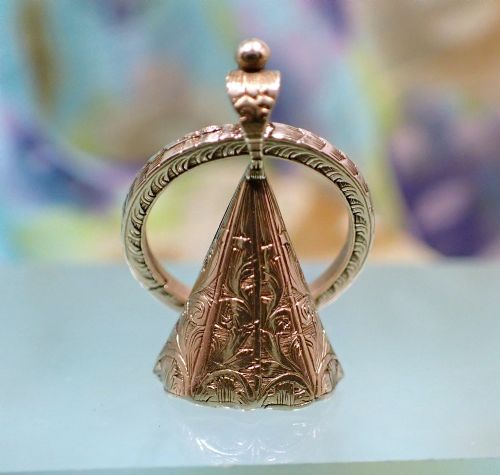
A georgian fob seal is a small pendant or desk accessory once suspended from a pocket watch chain, worn by men and women to authenticate letters and documents.
The objects span periods from the eighteenth century into the Victorian era, combining functional utility with portable sculpture.
Materials and construction
Goldsmiths worked in nine-carat, fifteen-carat, and eighteen-carat gold, alongside silver, cut steel, and gilt metal casings.
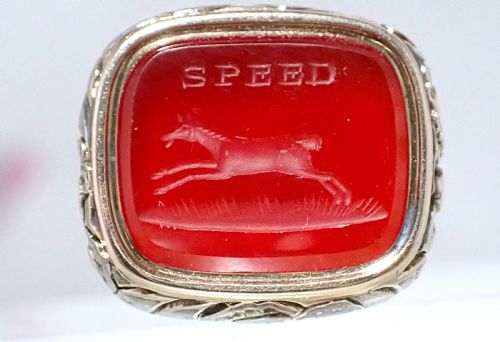
Hardstones such as carnelian, bloodstone, chalcedony, sardonyx, and rock crystal were carved or intaglio-engraved with names, initials, figures, or crests.
Some seals conceal a tiny propelling pencil within the handle, ready for sudden notes.
Assessing quality
Quality rests upon the crispness of the intaglio carving in the stone and the intricacy of the metalwork mount.
Pieces featuring deep heraldic engraving or detailed chased gold work stand apart from simpler utilitarian seals.
The Georgian Fob Seal Glossary
- Intaglio
- A design carved into a gemstone so that the impression left in wax appears in relief. This technique is fundamental to personal seals.
- Carnelian
- A brownish-red variety of chalcedony quartz frequently utilised for the matrix of a seal. It offers a smooth surface that releases cleanly from warm wax.
- Swivel
- A central pivot that allows the head of the seal to rotate. This mechanism often presents two or three different stones or faces.
- Watch key
- A winding mechanism incorporated into the terminal of a fob or seal. Many examples combine the twin functions of timekeeping maintenance and correspondence.
Georgian Fob Seal: Frequently Asked Questions
How were fob seals worn?
These pieces hung from ribbons or chains attached to pocket watches carried in waistcoat pockets or waistbands.
Owners displayed them openly as accessories of status and utility.
What is intaglio engraving?
Intaglio is the method of sinking a design beneath the flat surface of a stone.
When pressed into hot wax, the sunken lines create a raised image.
What stones appear most often?
Carnelian and bloodstone dominate the surviving examples, alongside chalcedony, sardonyx, and rock crystal.
Softer materials like paste or turquoise also occur in specific mounts.
Can these seals still stamp wax?
Most seals retain their carved matrices in clean condition and function properly for stamping.
Modern users test them with traditional sealing wax and taper flames.