


Antique Intaglio Ring
An antique intaglio ring carries carved miniature imagery in stone or metal, offering a wearable piece of history that collectors prize.
What They Are
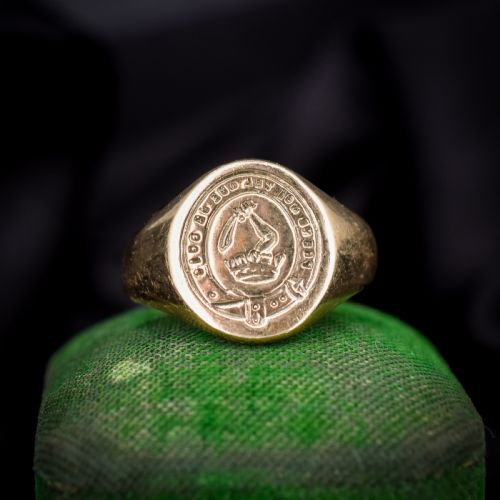
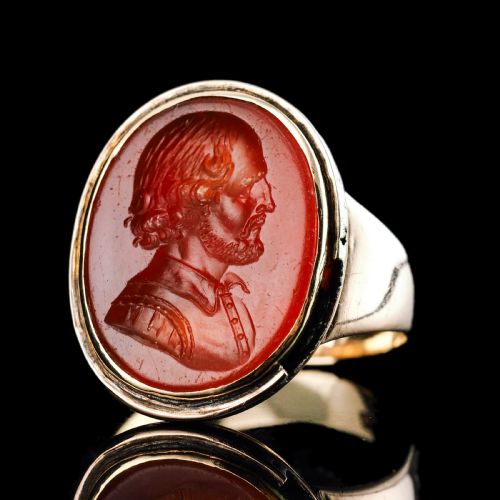
When you search for an antique intaglio ring, you encounter pieces that function as miniature works of art and historical documents alike. The selection on this page spans periods from the late medieval era through the Georgian and Victorian epochs, alongside early twentieth-century interpretations. These rings incorporate carved stones such as carnelian, rock crystal, hardstone and coral, as well as cast metal signets.
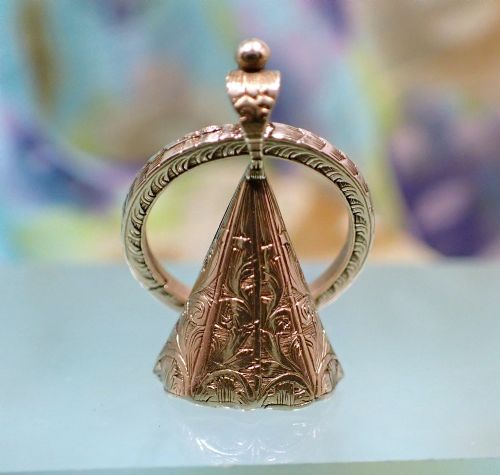
The forms vary between traditional bezel settings on gold bands and pendant-style fob seals adapted for finger wear. Subjects range from classical female portraits and allegorical figures to historical profiles like William Shakespeare and nautical ship designs. Most examples date from the eighteenth and nineteenth centuries, reflecting the enduring popularity of classical revival motifs during those periods.
How They Were Made
The materials recorded in these listings rely on precious metals including yellow gold and eighteen-carat gold, paired with durable minerals and organic substances like carnelian, rock crystal, hardstone, coral and bronze. Gemstone intaglios are carved using rotary drills and abrasive powders to sink the design beneath the surface, creating a negative relief intended originally for sealing documents in hot wax.
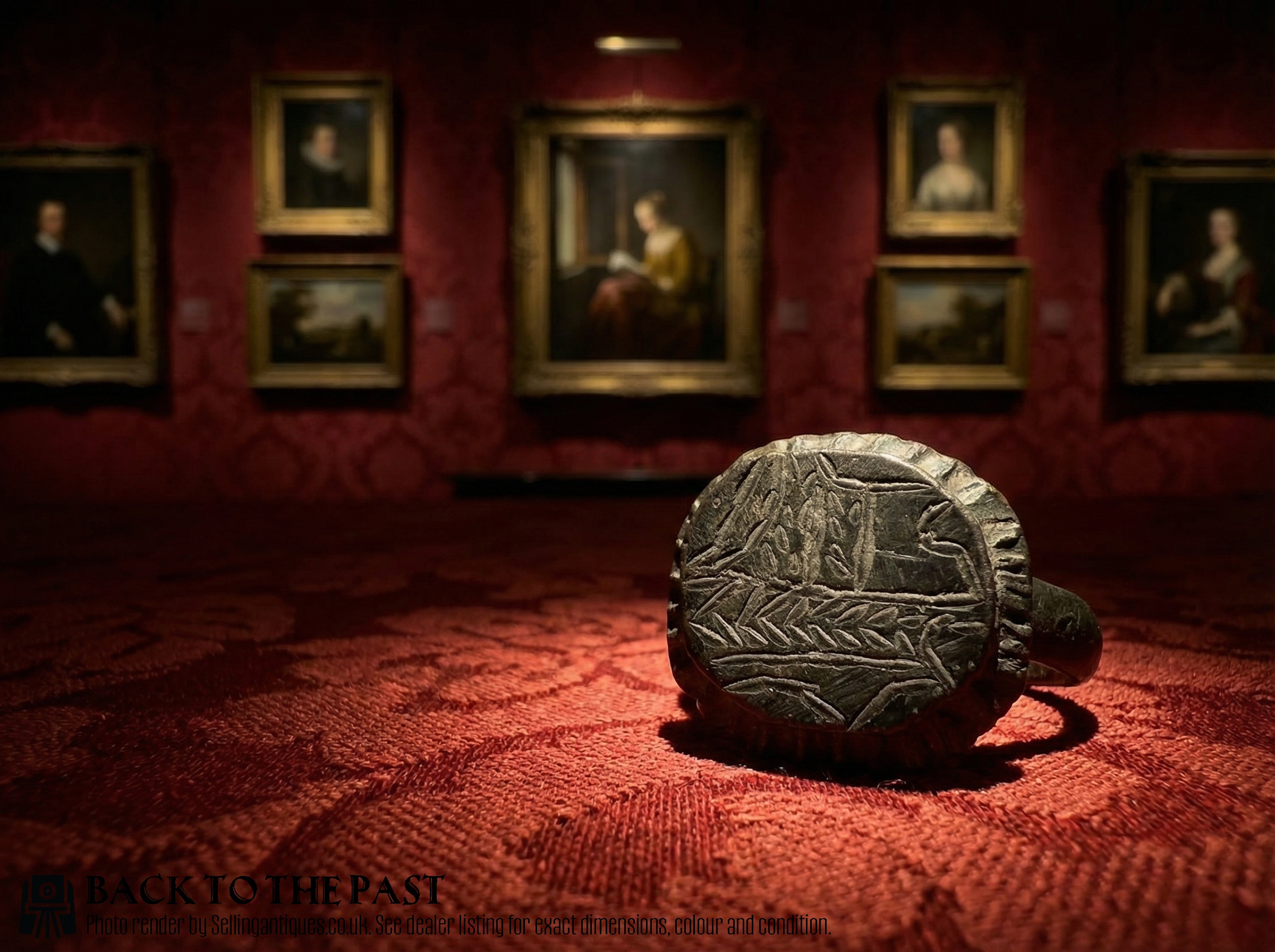
Metal signet rings are produced through casting techniques, where molten bronze or gold takes the shape of a carved mould, often featuring incised details such as a ship design. Stone intaglios are then securely mounted into gold bezels by skilled jewellers, using collet settings or robust claws to hold the hardstone firmly in place.
Retail Price Guide 2026
Typical UK retail prices for intaglio ring, calculated from the Sellingantiques database of over a million retail prices indexed since 2003. This retail price guide relies exclusively on Sellingantiques data; no external sources or auction records are used, so the figures do not describe the wider market.
What Varies in Quality
The choice and purity of the setting metal also influence the standing of a ring, moving from standard gold and eighteen-carat gold down to base metals like bronze. Furthermore, the integrity of the mounted stone - free from fractures or modern replacement - anchors the historical authenticity of the object.
The Antique Intaglio Ring Glossary
- Intaglio
- A gem or stone carved in incuse so that the design dips below the surface. This technique produces a raised impression when pressed into sealing wax.
- Carnelian
- A reddish-orange variety of quartz mineral utilised frequently for intaglio carvings due to its fine grain and pleasing colour.
- Rock Crystal
- A colourless, transparent variety of quartz. It provides a clear medium for detailed miniature portraits and intaglios.
- Fob Seal
- A small pendant device bearing a carved matrix, historically carried on a pocket watch chain and occasionally adapted into a ring.
- Hardstone
- A general term for semi-precious stones harder than ordinary window glass, including agate, jasper and carnelian, chosen for durable engraving.
- Bezel
- The grooved collar or rim of metal that holds a gemstone securely in place on the ring hoop.
Frequently Asked Questions
What is an antique intaglio ring?
An antique intaglio ring is a piece of finger jewellery featuring a gemstone, glass or metal surface carved with a sunken design. These carvings often depict classical figures, portraits or heraldic symbols.
Historically, many of these engraved stones served as personal signets for stamping wax seals on correspondence and legal documents. Today, they are worn as decorative items that connect the wearer to centuries of lapidary craftsmanship.
How do I know the period of a ring?
Dating relies on stylistic clues within the carving, the cut of the stone and the construction methods of the metal mount. Georgian and Victorian pieces often show specific design revivals, such as neoclassical portraits or allegorical scenes.
Examining the gold purity marks, band thickness and setting style helps narrow down the era of manufacture. Comparing the piece against documented examples from the eighteenth and nineteenth centuries provides further context.
Were these rings actually used for sealing wax?
Yes, the primary function of an intaglio before the modern era was practical rather than purely decorative. The sunken carving acts as a matrix, leaving a raised impression when pressed into molten wax.
Because the design is reversed on the stone, the resulting stamped impression reads correctly from left to right. Many surviving rings show signs of practical use in their period wear patterns.
How should I care for an antique stone ring?
Caring for an antique intaglio ring requires gentle handling to protect both the metal setting and the carved stone. Hardstones like carnelian and rock crystal are durable, but organic materials such as coral demand extra caution against harsh chemicals and knocks.
Store the ring in a padded box away from other jewellery to prevent scratching. Professional cleaning by a specialist familiar with antique settings ensures the structural integrity remains undisturbed.