
Antique Jewellery Ring
An antique jewellery ring carries the weight of past craftsmanship, offering a tangible connection to Victorian, Edwardian, and Art Deco eras that modern pieces simply cannot replicate.
Antique Jewellery Ring
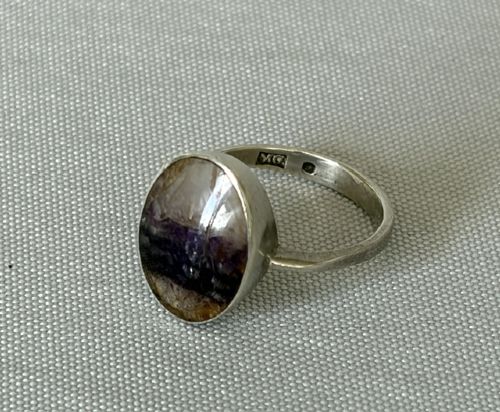
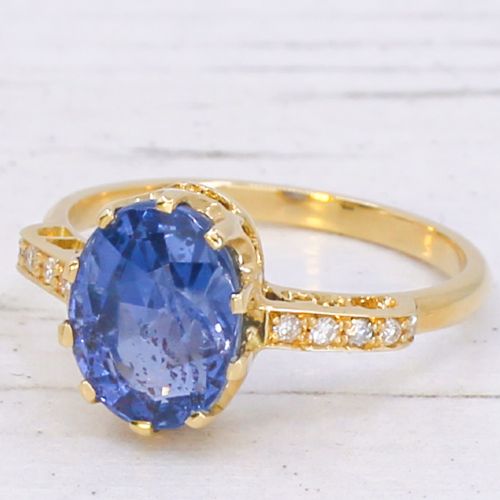
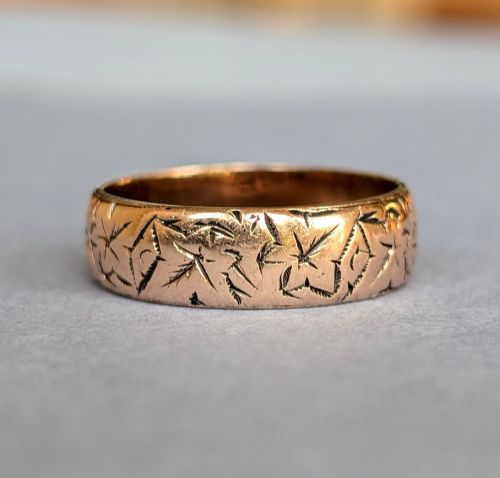
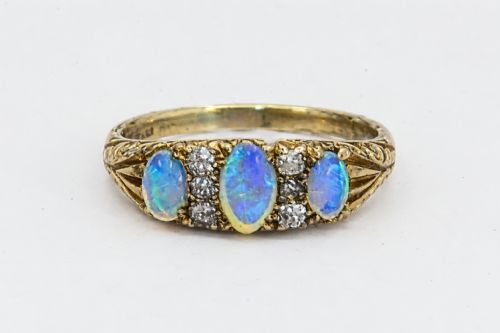
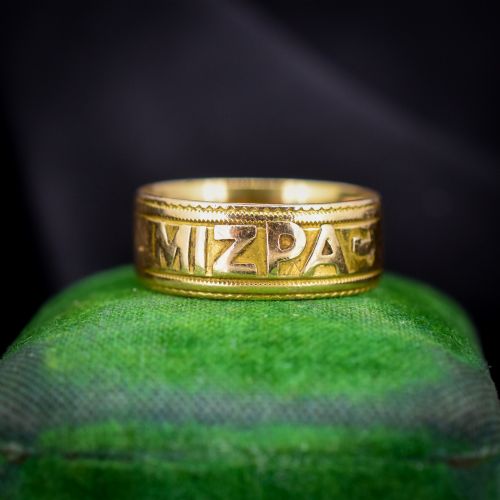
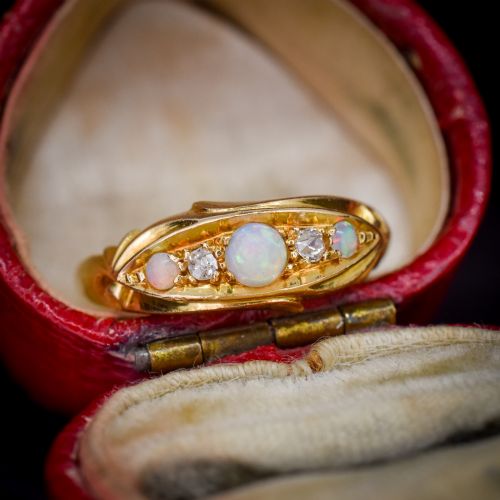
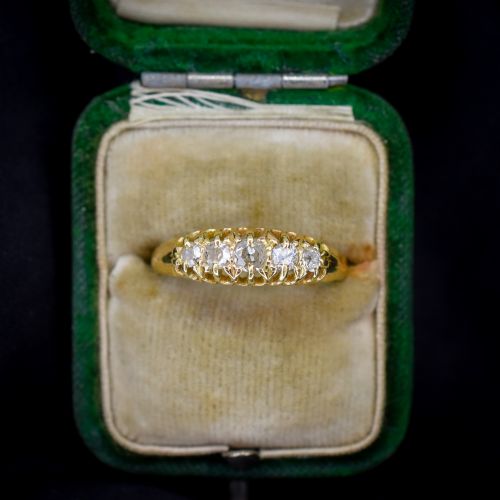
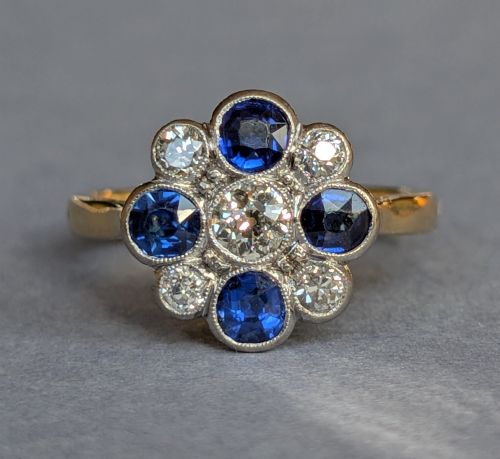
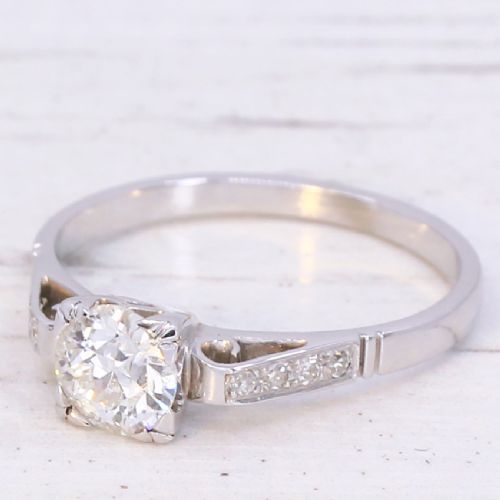
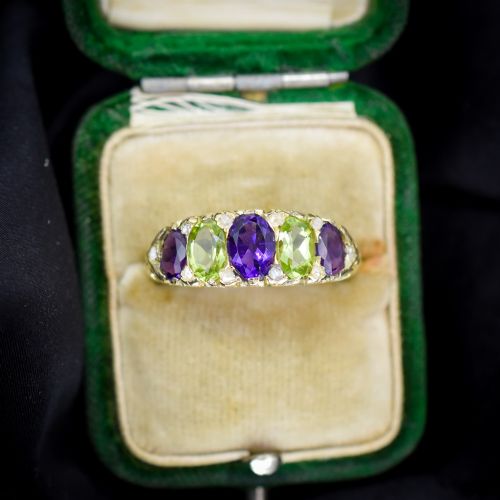
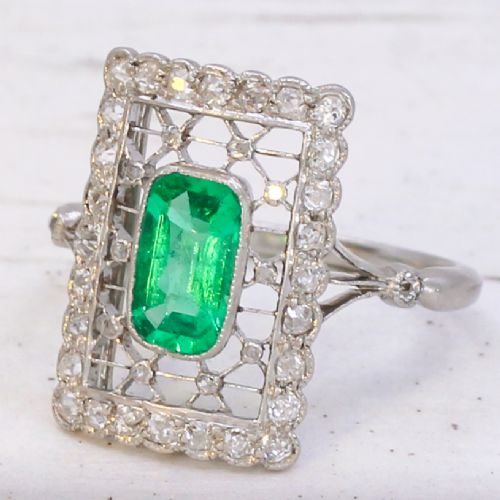
The most common versions met on this page are eighteenth and nineteenth-century gold bands, Edwardian diamond boat rings, and geometric Art Deco platinum pieces. These items frequently incorporate precious gemstones such as rubies, sapphires, opals, and old-cut diamonds.
Beyond standard finger rings, the broader category occasionally intersects with related silver and tortoiseshell dressing table boxes designed specifically for safekeeping. Each specimen reflects the aesthetic preferences and social customs of its specific decade of origin.
Materials and Construction Techniques
Jewellery of these eras relies heavily upon yellow gold, rose gold, platinum, and sterling silver as foundational structural elements. Metals are worked manually or cast to securely house stones using techniques characteristic of British assay offices.
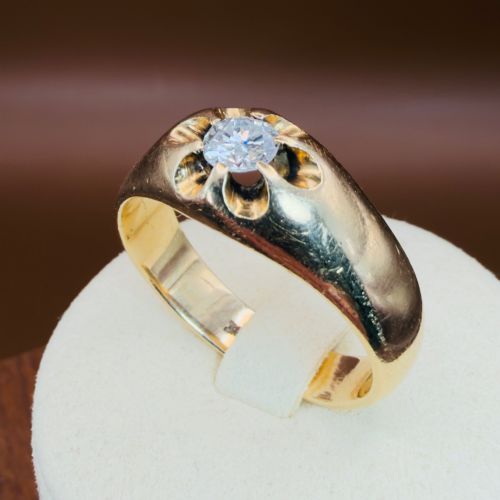
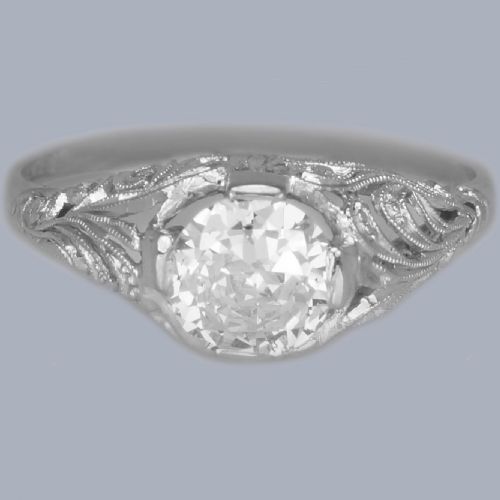
Gemstones such as diamonds feature old mine, cushion, or brilliant cuts shaped by hand rather than precise modern machinery. Setting methods like grain setting, bezel work, and starburst engravings anchor these stones firmly within the precious metal.
Antique Jewellery Ring Retail Price Guide 2026
Typical asking prices for jewellery ring among the pieces listed under this phrase on Sellingantiques today, from the lower quarter to the upper quarter. They describe what is for sale here now, not the wider market.
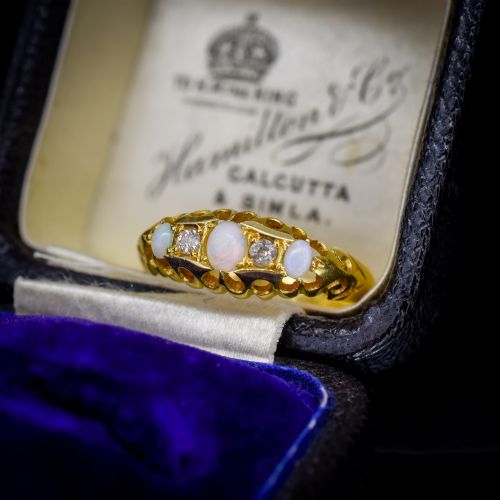
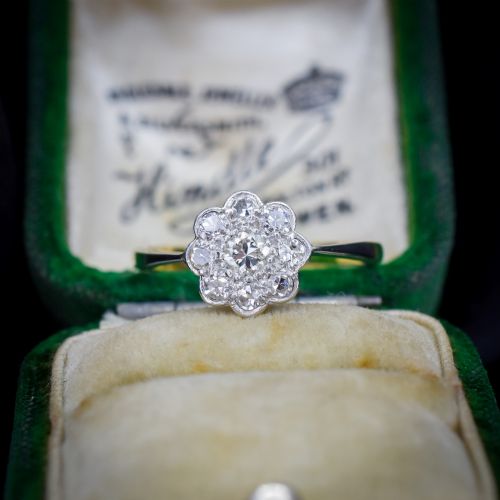
Some past ring boxes still carry the faded gold lettering of their original Victorian department store proprietors.
Factors Distinguishing Quality Tiers
Superior quality in these items depends upon the precision of the metalwork and the integrity of the original stone settings. Master jewellers achieved superior symmetry and delicate piercing that elevated simple bands into sophisticated works of art.
The grading and matching of natural gemstones, particularly old-cut diamonds and unheated sapphires, heavily influence the overall standard. Preservation of original hallmarks and minimal previous structural alterations further separate exceptional survivals from routine examples.
Ollivant and Botsford·Waring and Gillow·Bravingtons
The Antique Jewellery Ring Glossary
- Old-cut diamond
- A diamond cut by hand before modern optical machinery standardised facet proportions, typically exhibiting smaller tables and higher crowns. These stones display a softer, warmer candlelit sparkle compared to brilliant modern cuts.
- Boat ring
- A ring setting shaped like a traditional boat hull, curving gently along the finger to house a row of graduated gemstones. This configuration was particularly popular during the Georgian and Edwardian periods.
- Toi et Moi
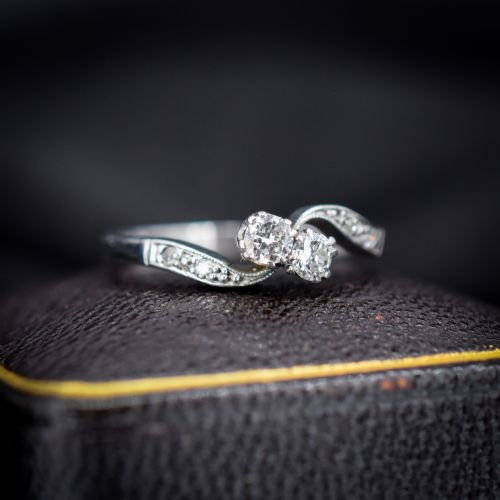
- A two-stone ring style translating to you and me, featuring dual gems entwined in a twist setting. The design traditionally symbolizes two souls united.
- Gypsy ring
- A band style where gemstones are flush-set directly into the thick metal hoop, sloping smoothly towards the finger. This secure mounting was favoured for daily wear.
- Navette
- A pointed, boat-shaped ring silhouette derived from the French word for little ship. It creates an elongated visual presence across the knuckle.
Antique Jewellery Ring: Frequently Asked Questions
How do I care for an antique ring?
Clean these delicate pieces gently using warm soapy water and a soft brush, avoiding harsh ultrasonic cleaners that might dislodge old stones. Store them individually in lined boxes to prevent metal scratching.
Inspect the claw settings periodically with a loupe to ensure the gemstones remain secure within their historical mountings.
Can I resize an antique gold ring?
Most gold and platinum bands can be altered by a skilled jeweller who understands historical construction methods. However, intricate gallery work or full-eternity gem settings limit potential adjustments.
Consult a specialist to preserve any legible British hallmarks stamped inside the inner hoop during the sizing process.
How do I identify the date of a ring?
Examine the inner band for official British assay office hallmarks, which often include letter stamps denoting specific calendar years. Chester, Birmingham, and London marks provide reliable chronological reference points.
Stylistic cues such as platinum use, transitional cuts, and geometric motifs further narrow down the era of production.