

Edwardian Carved Gold Ring
An edwardian carved gold ring combines the refined craftsmanship of the early twentieth century with lasting precious metals and distinctive gem settings.
Edwardian Carved Gold Ring
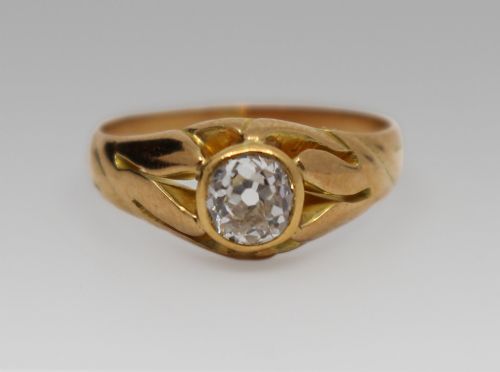
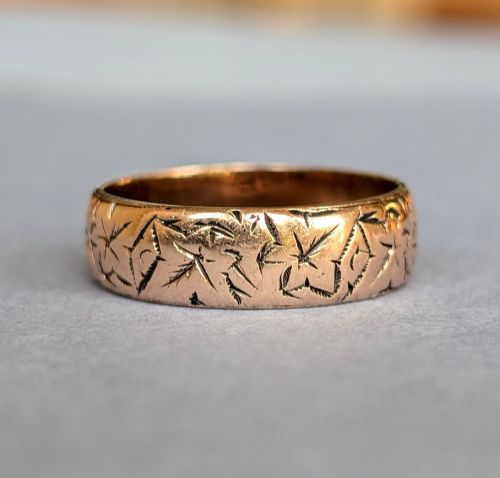
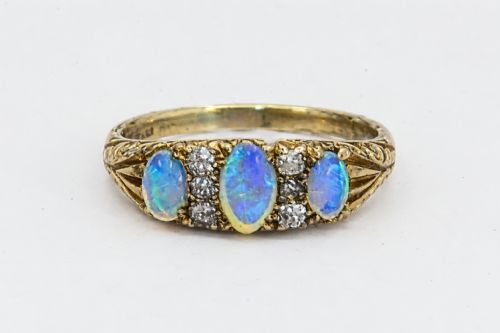
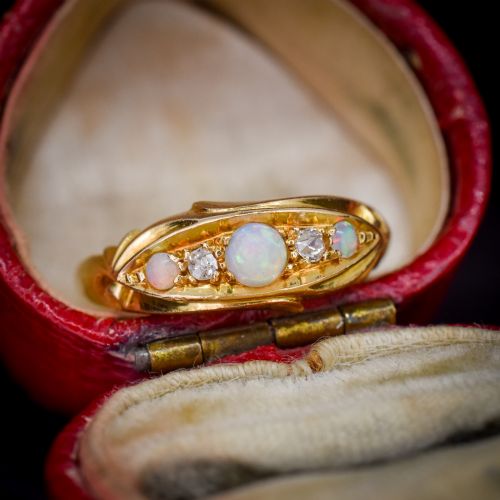
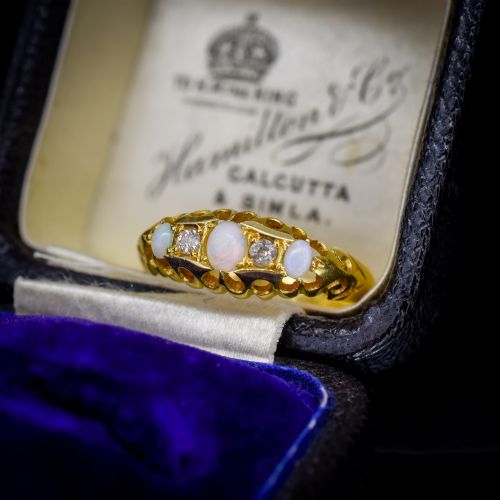
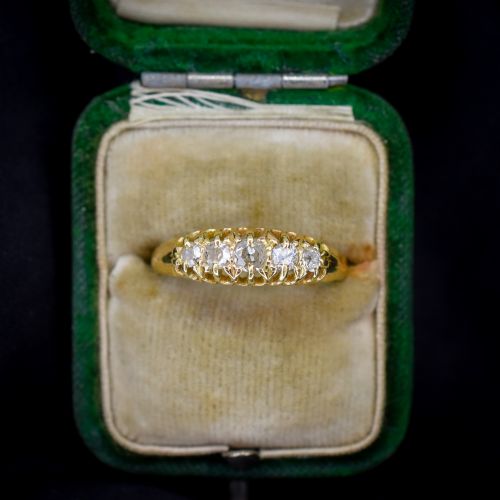
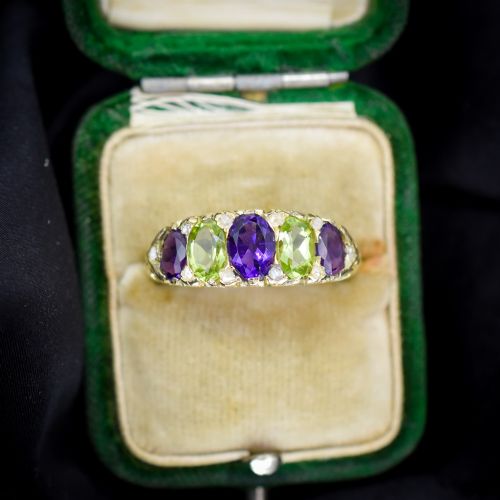
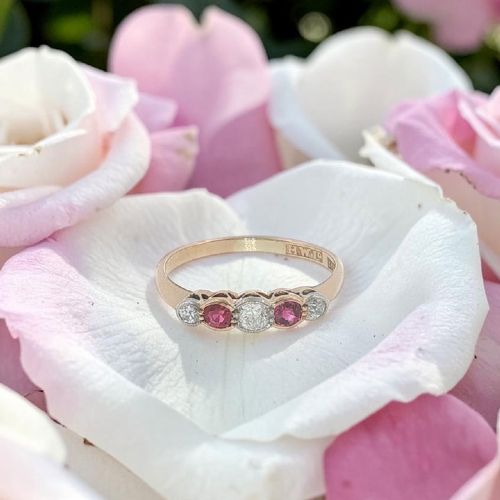
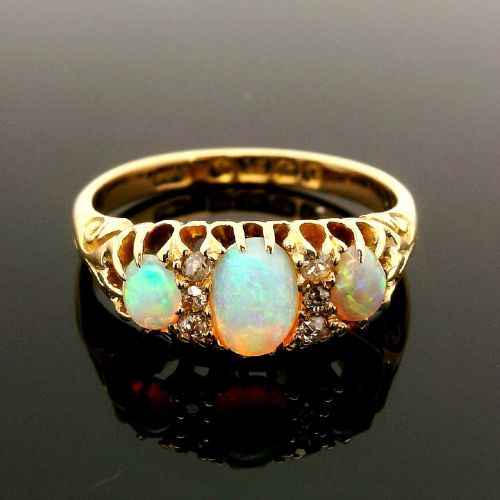
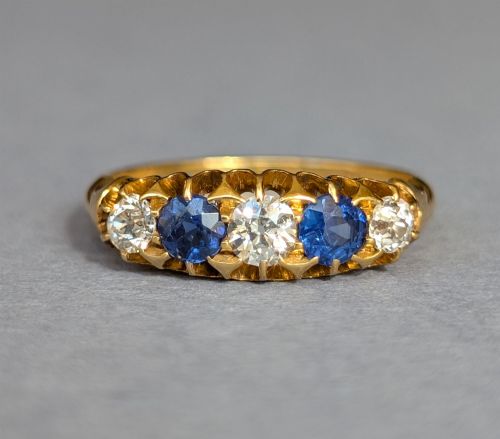
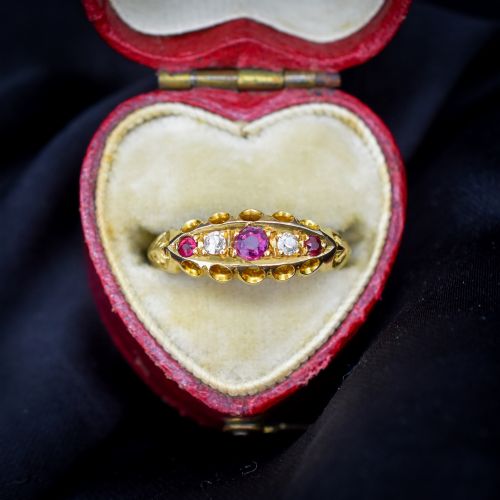
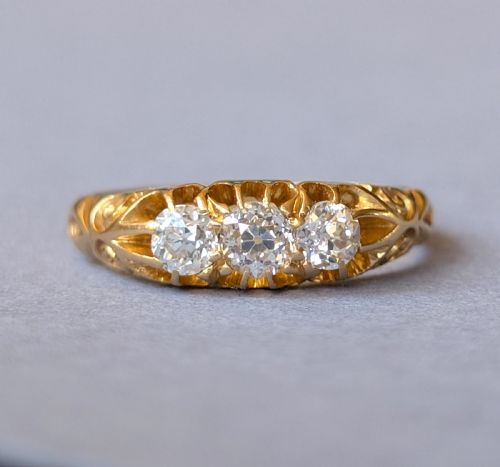
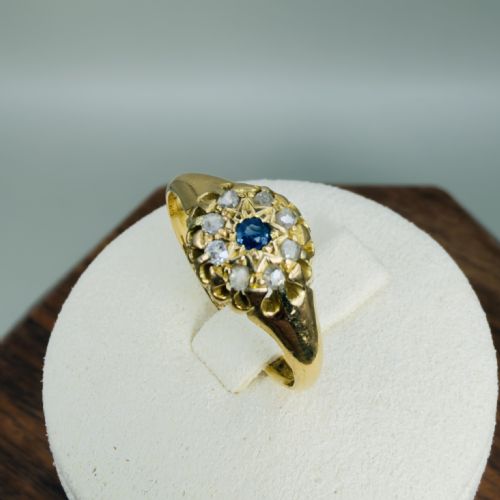
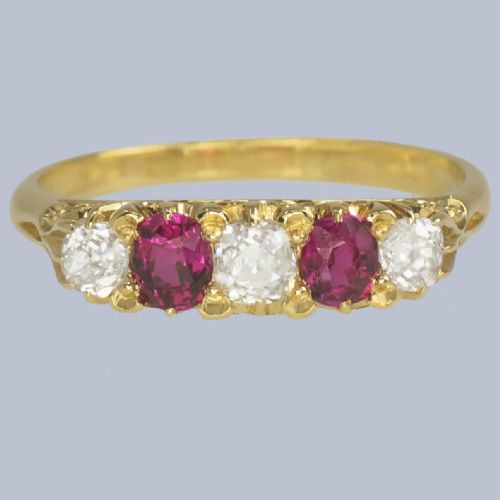
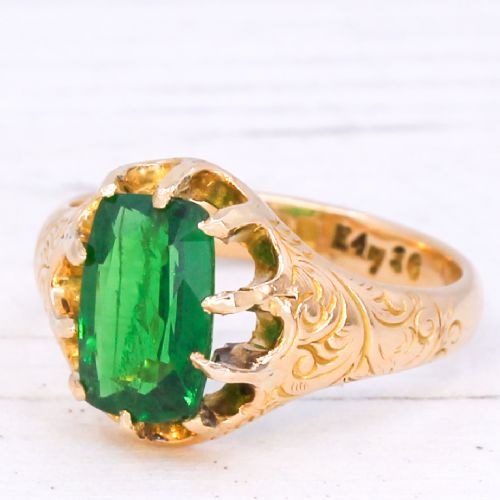
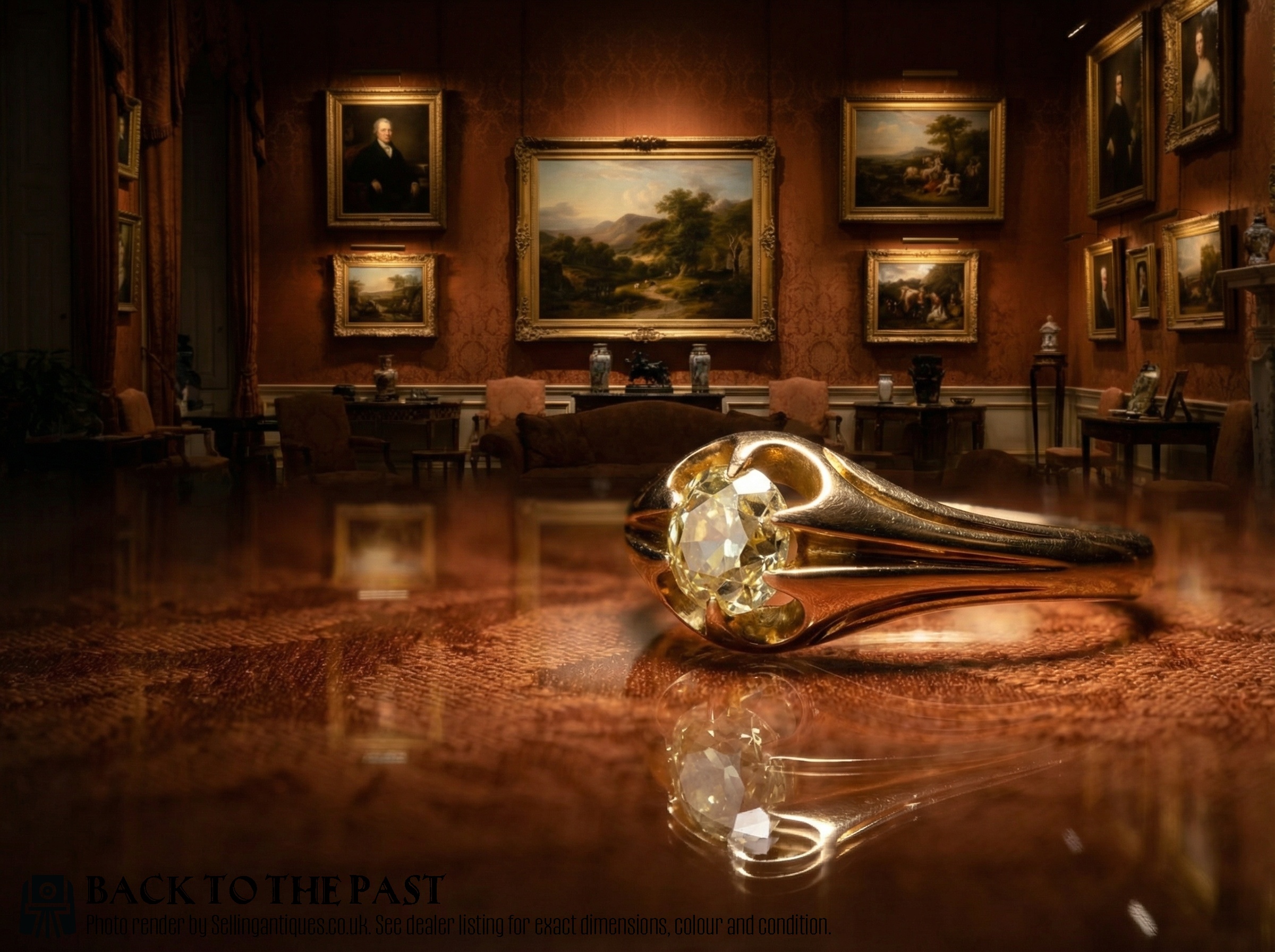
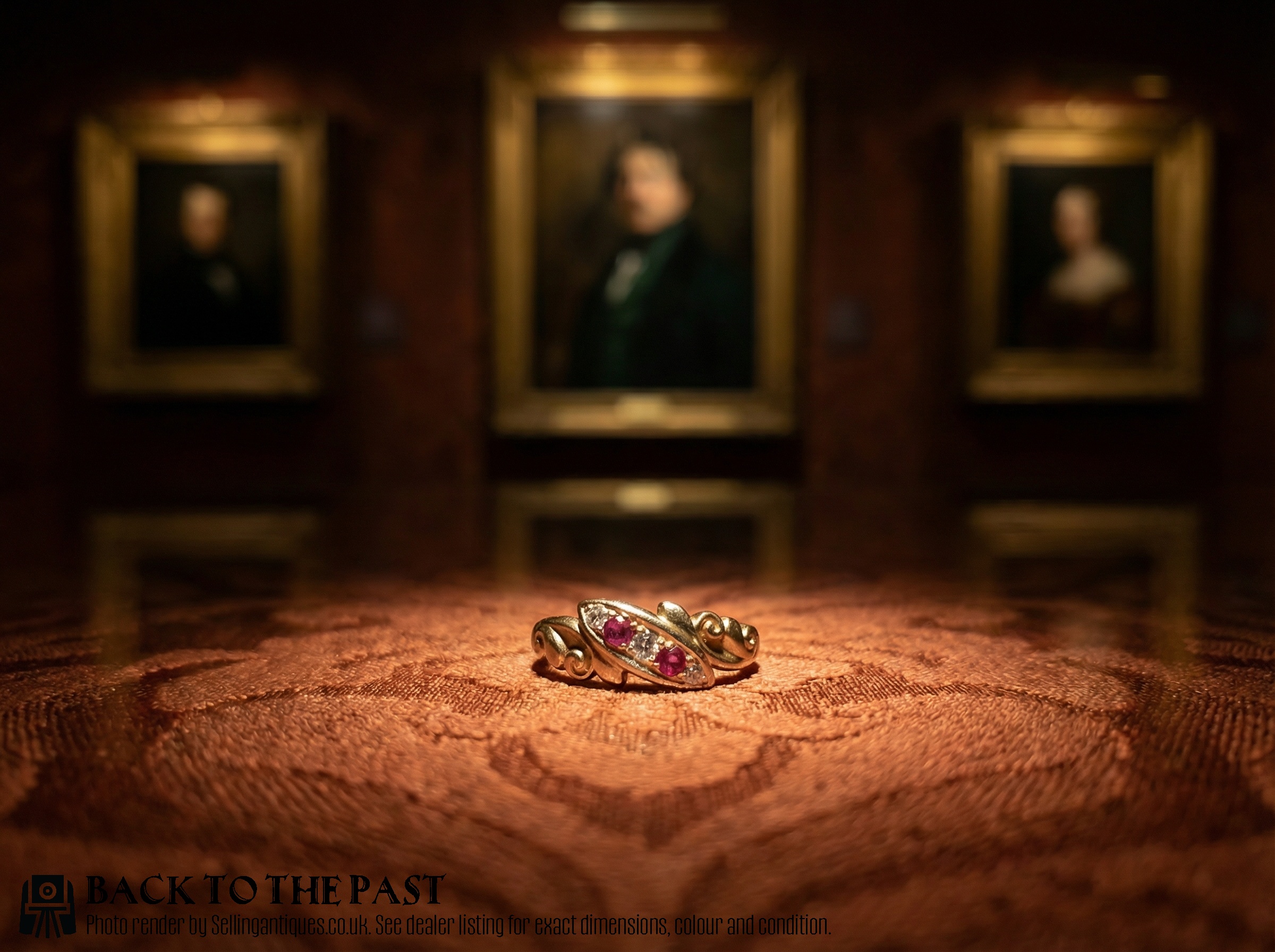
An edwardian carved gold ring typically presents as a boat shape, cluster, or multi-stone band, incorporating periods spanning the late nineteenth century through to the Edwardian era. These pieces frequently feature mounting in 18ct yellow or rose gold, often hallmarked from assay offices such as Birmingham and Chester. The selection encompasses traditional multi-stone arrangements alongside distinct floral and scroll motifs.
Makers and jewellers of this period utilised durable precious metals to house vibrant gemstones including natural opals, rubies, sapphires, and old cut diamonds. Alongside dedicated Edwardian designs, the selection includes late Victorian and early twentieth-century examples that share similar aesthetic priorities. Buyers encounter variations ranging from delicate five-stone configurations to more robust gypsy and band styles.
Materials and Technique
Jewellers constructed these rings primarily using 18ct yellow and rose gold, providing a warm foundation for secure claw and bezel settings. Gems like old cut diamonds, sapphires, rubies, and opals were hand-set into the precious metal, often accompanied by intricate gallery work or engraved shoulders.
Assay office hallmarks stamped directly into the gold bands provide precise documentary evidence of origin and date of creation, confirming regional British craftsmanship from cities like Birmingham and Chester.
Edwardian Carved Gold Ring Retail Price Guide 2026
Typical asking prices for edwardian carved gold ring among the pieces listed under this phrase on Sellingantiques today, from the lower quarter to the upper quarter. They describe what is for sale here now, not the wider market.
Current site listings feature 18ct gold rings incorporating diamonds, opals, rubies, and sapphires across the Victorian and Edwardian periods.
Assessing Quality
The distinction between tiers rests upon the precision of the gem setting and the integrity of the carved gold mount. Superior examples exhibit crisp, well-defined shoulders and secure flush mountings that protect the enclosed stones without excessive metal wear.
The optical vitality of the central gems, whether an old mine cut diamond or a natural opal displaying strong play-of-colour, dictates the overall standing of the ring. Additionally, crispness in assay marks and minimal past resizing preserve the original character of the piece.
The Edwardian Carved Gold Ring Glossary
- Boat ring
- A ring mounting shaped like a navette or boat silhouette, featuring a gently curved profile that tapers towards the finger band.
- Old cut diamond
- A hand-faceted diamond cut popular before modern machinery, characterised by a smaller table, higher crown, and open culet.
- Hallmark
- Official stamps pressed into precious metal indicating the purity standard, the assay office of origin, and the year of testing.
- Gypsy ring
- A style where gemstones are flush-set directly into a thick, tapered gold band so the top sits level with the metal surface.
Edwardian Carved Gold Ring: Frequently Asked Questions
What stones are common in these rings?
Old cut diamonds, natural opals, rubies, and sapphires appear frequently in these antique pieces, often arranged in multi-stone or cluster formations.
Coloured gemstones were frequently paired with diamonds to create vibrant visual contrasts characteristic of the period.
How should I care for antique gold rings?
Clean these delicate gold and gemstone pieces using warm soapy water and a soft brush, avoiding harsh chemical dips that might damage softer stones like opal.
Store them individually in lined boxes to prevent the gold mounts and older diamond facets from scratching adjacent items.
Can these rings be resized easily?
Most solid 18ct gold bands can be altered by a skilled jeweller, though care must be taken to preserve nearby hallmarks and delicate carved shoulders.
Consult an experienced antique specialist before any adjustment to ensure the structural integrity of the setting remains intact.