
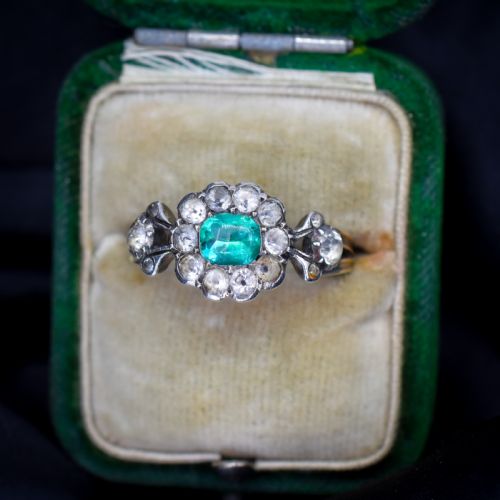
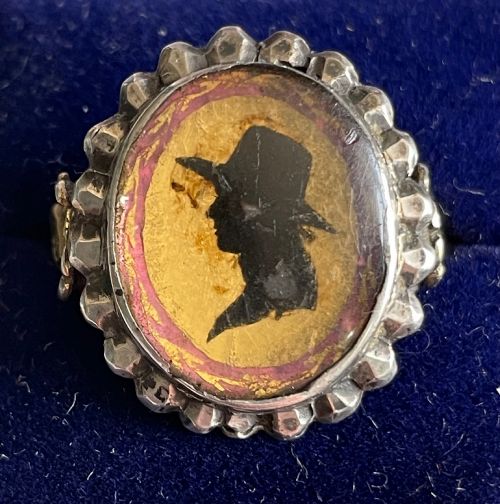
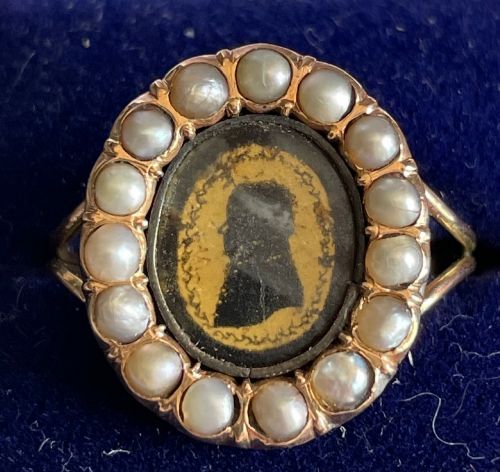
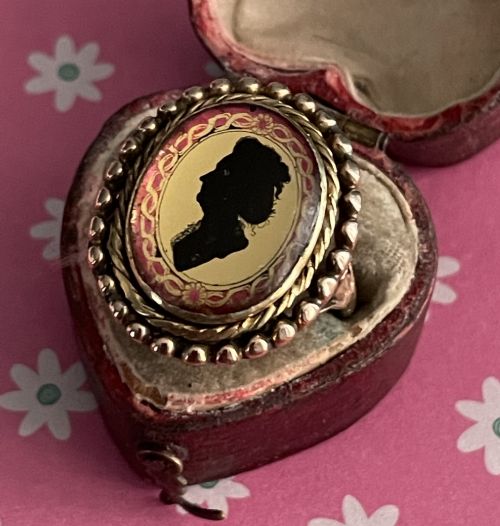
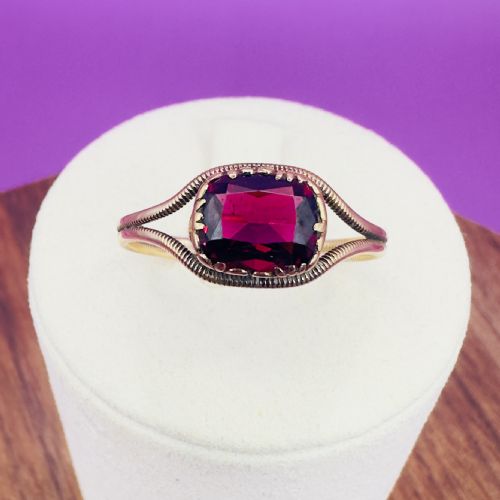


18th Century Gold Ring
An 18th century gold ring brings the intimate sentiment and rich materials of the Georgian era directly to the hand.
Understanding an 18th Century Gold Ring
Solitaire rings featuring garnets or red carnelian dominate the selection, often dated securely to the latter half of the century. Intaglio rings set with allegorical figures and mourning rings incorporating white paste and enamel also appear.
Posy rings inscribed with modest sentiments extend the chronological scope toward the turn of the nineteenth century. Every piece reflects the hand-wrought sensibilities of early goldsmithing traditions.
Materials and Construction
Goldsmiths worked with yellow gold across varying fineness, utilising distinct carat weights like 9ct, 15ct, and 18ct alongside unmarked gold. Settings incorporated closed-back foils to enhance the deep red hues of garnets and carnelian.
Stones were shaped as old mine cuts or carved with allegorical intaglio motifs. Enamel and white paste added contrasting detail, particularly in mourning pieces designed to commemorate the deceased.
Retail Price Guide 2026
Typical UK retail prices for 18th century gold ring, calculated from the Sellingantiques database of over a million retail prices indexed since 2003. This retail price guide relies exclusively on Sellingantiques data; no external sources or auction records are used, so the figures do not describe the wider market.
The Measure of Quality
Superior examples reveal themselves through the crispness of hand-carved intaglio work and the preservation of delicate enamel and white paste details. The integration of the gold setting with the gemstone indicates the maker's mastery.
Wear and tear across the gold band and the security of stone bezels distinguish finer survivals from heavily altered pieces. Legibility of interior posy inscriptions and the integrity of early foil backs elevate the desirability of individual rings.
The 18th Century Gold Ring Glossary
- Intaglio
- A gemstone carved with a sunken design so that an impression can be embossed. These figures often depict allegorical scenes popular in the Georgian period.
- Old mine cut
- An early diamond or gemstone cut featuring a square shape with rounded corners, a high crown, and a small table. This cut predates modern brilliant faceting.
- Posy ring
- A small gold ring inscribed with a motto or rhyme on the inner band. These served as tokens of friendship or betrothal during the seventeenth and eighteenth centuries.
- Paste
- Hand-cut lead glass used to imitate gemstones in antique jewellery. White paste was frequently utilised in mourning rings to symbolise purity.
Frequently Asked Questions
How do I care for an 18th century gold ring?
Remove the ring before washing hands, swimming, or undertaking manual tasks to protect the soft gold and delicate enamel.
Clean the piece gently with a soft dry cloth and avoid harsh chemical dips that damage historical foil backs.
Can I wear an 18th century gold ring daily?
Daily wear requires caution due to the delicate closed-back settings and softer stones typical of the seventeen hundreds.
Reserve the ring for careful occasions to preserve the original goldwork and fragile paste or enamel details.
What is a mourning ring?
A mourning ring commemorates a deceased person through sombre materials like black or white enamel and inscribed names or dates.
These pieces served as tangible reminders of mortality and deep personal loss during the Georgian era.
How do I identify a Georgian ring?
Look for characteristic hand-fabricated gold settings, closed-back gemstone mounts, and old mine cut stones rather than uniform modern faceting.
Inscriptions, allegorical carnelian intaglios, and early hallmarks further anchor a piece in the 18th century.