


Georgian Memorial Jewellery
Georgian memorial jewellery survives to commemorate the departed with intricate goldwork, enamel, paste stones, and preserved hair.
What Georgian memorial jewellery is
Georgian memorial jewellery comprises rings and brooches created during the Georgian era, specifically represented here by pieces from 1700 and the broader Georgian period. These items were fashioned to honour deceased loved ones, serving as deeply personal tokens of remembrance.
The objects available in this category appear primarily as rings and brooches. A buyer browsing this selection encounters mourning rings set with paste, enamel, and gold, alongside gold mourning brooch pins featuring ruby paste and pearl.
How they were made
Craftsmen utilised precious metals like 18ct yellow gold and standard gold to form the structural mounts for rings and brooches. These metal bases provided sturdy settings for decorative elements and delicate internal compartments.
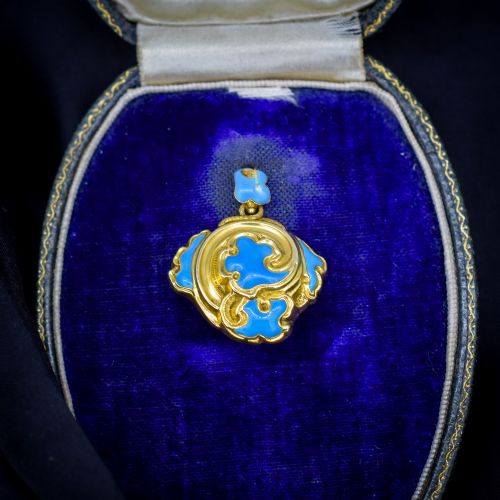
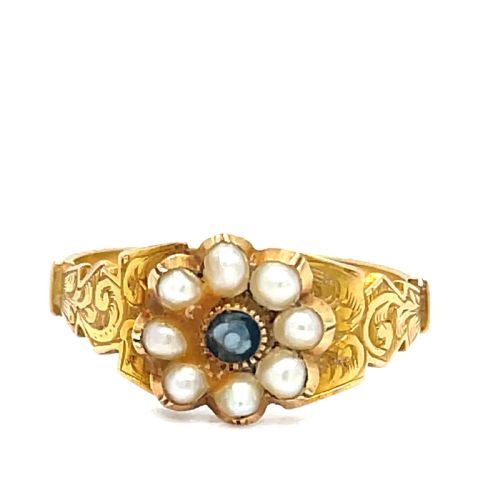
Makers integrated white paste, ruby paste, seed pearl, and glass into the designs to mimic precious gemstones or create intricate floral and geometric motifs. Enamel work added smooth, coloured decoration to the metal surfaces, while actual human hair was incorporated beneath glass or crystal panels to serve as the central memorial tribute.
Wearing someone else's hair used to be the height of sentimental fashion.
What varies in quality
Quality in these pieces rests upon the precision of the goldsmithing and the complexity of the miniature components. Finer examples display meticulous enamel work and securely mounted paste or pearl elements that remain intact over centuries.
The artistry involved in arranging delicate materials like human hair and seed pearls distinguishes superior examples. Pieces that demonstrate greater refinement in their metal settings and preservation of delicate enamel represent the upper end of what is available.
The Georgian Memorial Jewellery Glossary
- Paste
- A type of heavy, high-refractive-index glass cut and polished by hand to imitate gemstones. In Georgian pieces, white and ruby paste serve as brilliant alternatives to natural diamonds and rubies.
- Mourning ring
- A finger ring commissioned to memorialise a deceased person, frequently bearing inscriptions, enamel work, and hairwork. These items were often distributed to friends and family members following a funeral.
- Seed pearl
- Very small natural pearls, often unperforated or half-drilled, used to create delicate floral or border patterns in Georgian jewellery. Their soft lustre contrasts with the rich tones of enamel and gold.
- Enamel
- A durable glassy substance fused to metal through firing at high temperatures, used to add permanent colour and glossy decoration. Black and white enamel frequently denote mourning in Georgian pieces.
Frequently Asked Questions
What is Georgian memorial jewellery?
Georgian memorial jewellery consists of rings and brooches made during the eighteenth century to commemorate the dead. These items incorporate symbolic materials such as hair, enamel, and paste stones.
They function as personal portable monuments, maintaining a tangible connection to people who lived during the Georgian period.
How was hair used in these pieces?
Human hair was carefully braided or woven into intricate patterns and placed beneath transparent glass or crystal panels. This served as a direct physical relic of the deceased.
Sometimes the hair was finely ground and painted with pigment to create landscape scenes or decorative urns within the jewellery.
What metals are typically found?
The pieces utilise 18ct yellow gold and standard gold for their structural rings and brooch settings. Gold provided both the necessary durability and a rich warm tone to frame the dark hairwork and enamel.
These precious metals ensure the structural survival of the mourning items across hundreds of years.
What are paste stones?
Paste stones are specially formulated lead glass variants cut by hand like genuine gemstones. White paste and ruby paste supplied sparkle and colour without using costly mined stones.
Craftsmen valued paste for its ability to take precise facets and fit into intricate Georgian metalwork.