

Antique Statement Ring
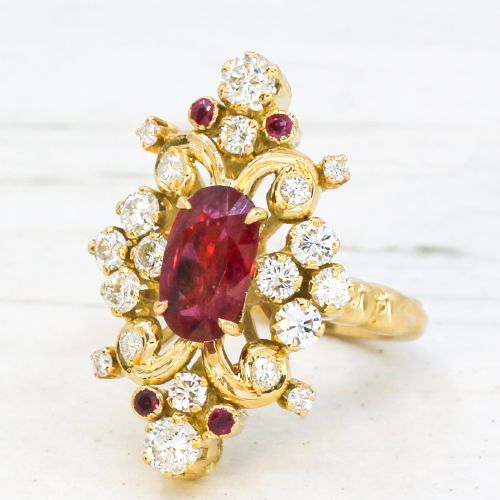
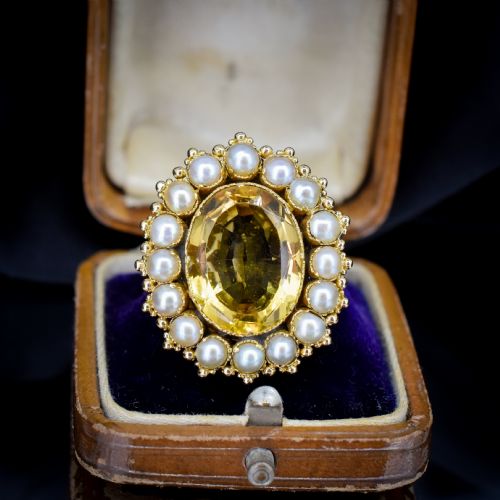
An antique statement ring commands the hand with sizeable gemstones, sculptural platinum settings and unmistakable period character.
Antique Statement Ring
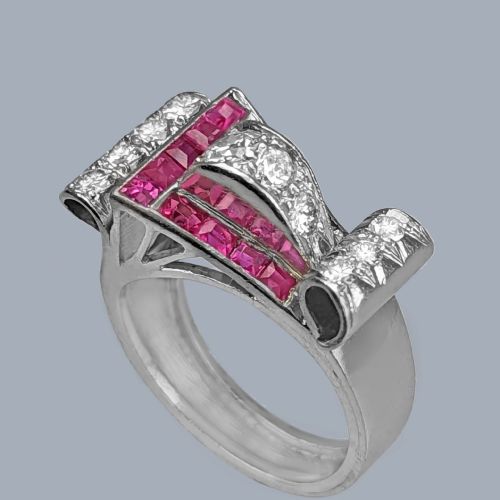
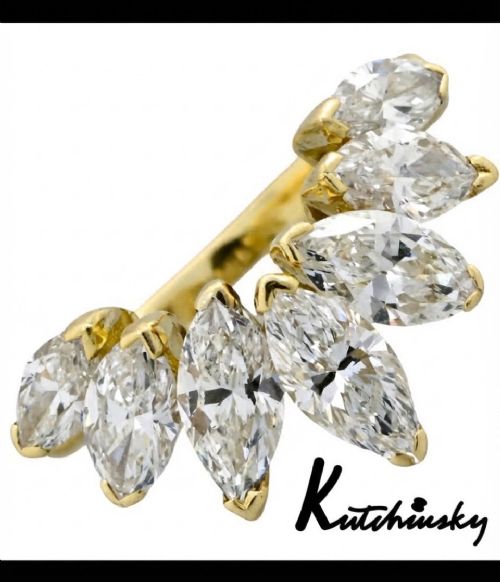
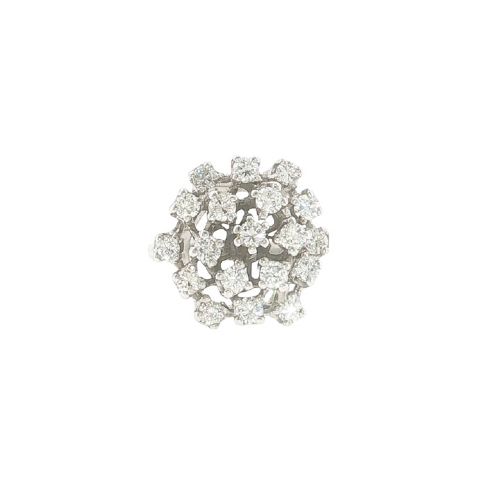
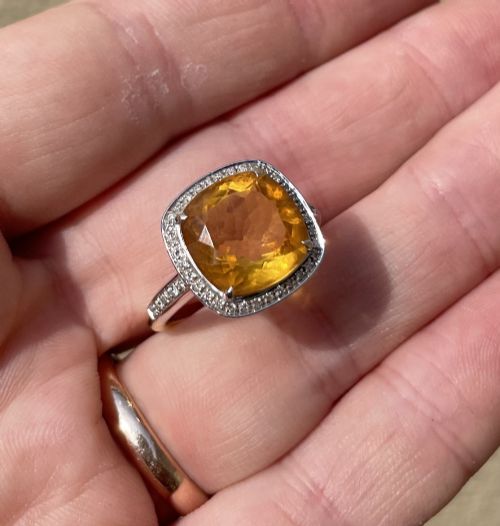
When searching for an antique statement ring, buyers encounter bold cocktail pieces, large cluster designs and substantial dress rings designed to draw the eye. The selection spans the geometric lines of the Art Deco era, the organic curves of the Victorian period and the robust proportions of mid-century modernism.
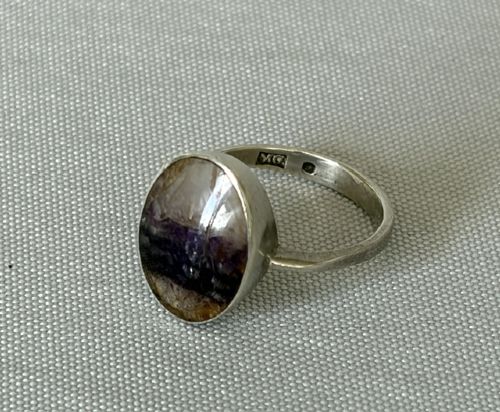
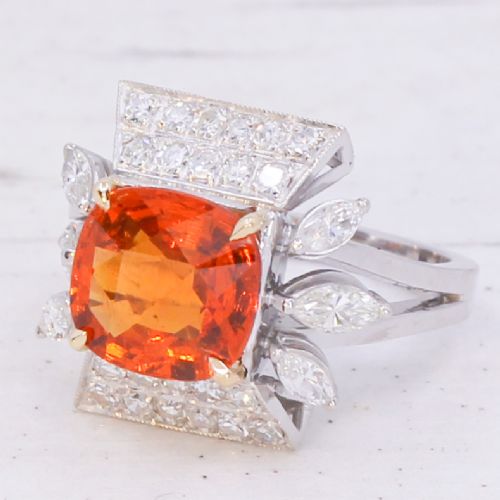
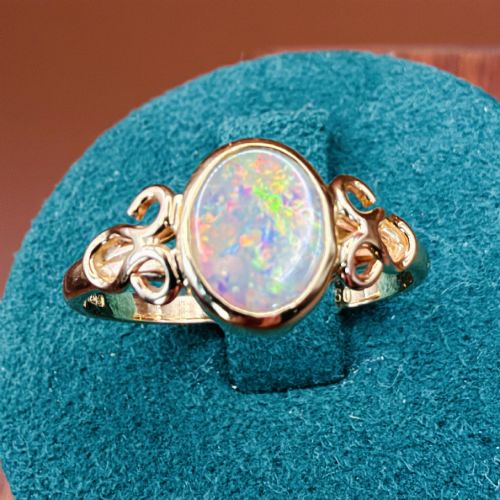
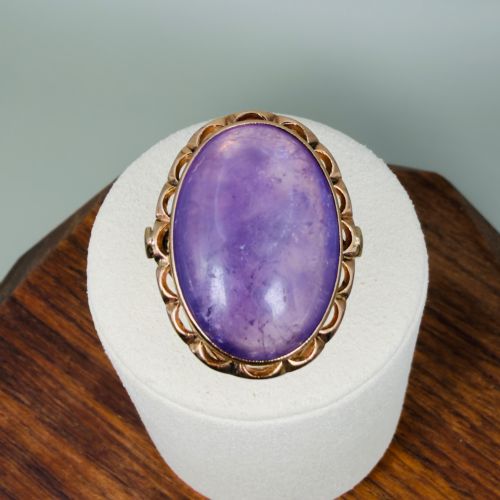
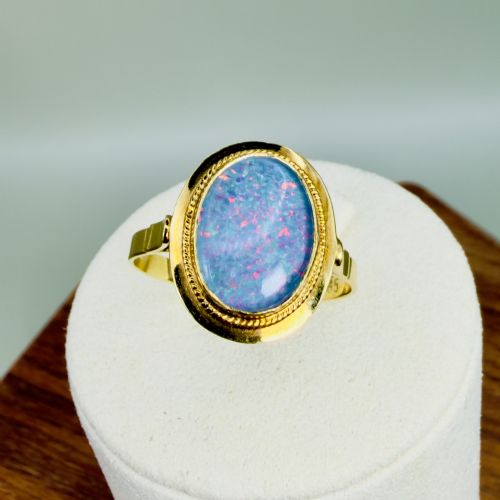
The most common examples on this page feature prominent central gems such as opals, amethysts, rubies and sapphires held in gold or platinum mountings. These pieces served historically for evening wear and social gatherings where jewellery needed to make an impression across a room.
Makers utilised high-carat yellow and white gold alongside platinum to support heavy stones like massive zircons, black boulder opals and grand aquamarines. The forms range from symmetrical cluster rings and elongated navette shapes to sculptural tank rings and fluid serpent motifs.
Materials and construction methods
Goldsmiths and platinumsmiths fabricated these mountings using hand-pierced metals, complex bezel settings and tight pavé arrangements to secure large centre stones. Platinum provided the structural strength needed for intricate Art Deco pierced work while keeping the claws delicate.
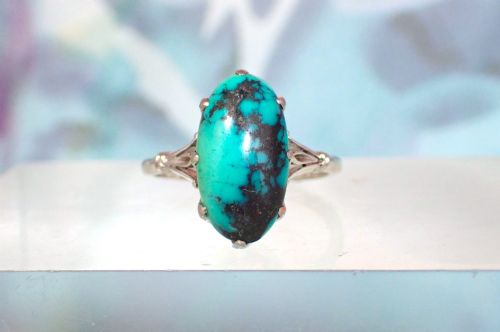
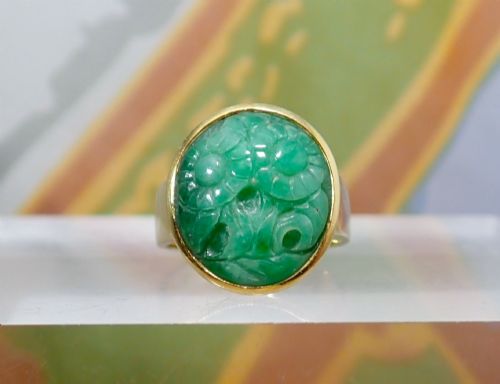
Coloured gemstones including jade, chalcedony, turquoise and multi-gem arrangements were cut as high cabochons or step-cut facets to maximise light play within heavy gold bezels. Enamel accents and calibre-cut onyx frequently bordered the central stones to create sharp visual contrast.
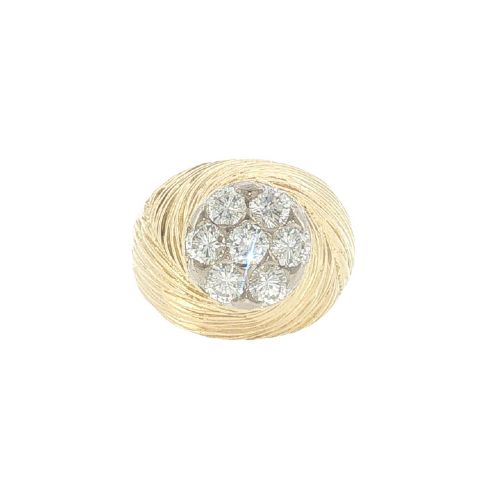
Cast components joined hand-carved elements, particularly in mid-century retro designs that emphasised bold three-dimensional volume and heavy precious metal weight.
Listings feature pieces spanning the Victorian era through the 1960s, utilising platinum, sterling silver and gold alongside diamonds, opals and jade.
Factors separating tiers of quality
Quality rests in the harmony between the scale of the central gemstone and the architectural integrity of the metalwork supporting it. Superior examples demonstrate precise stone matching in multi-gem clusters and secure, even bezel or claw work that protects the girdle of high-carat stones.
The artistry of the hand-pierced gallery and the depth of carved details on shoulders separate standard production from masterwork pieces. Original stone integrity, such as unheated rubies or natural untreated opals with strong play of colour, elevates a piece significantly.
Substantial gram weight in the shank and mounting ensures the ring maintains its structural rigidity when supporting oversized gems over decades of wear.
The Antique Statement Ring Glossary
- Cabochon
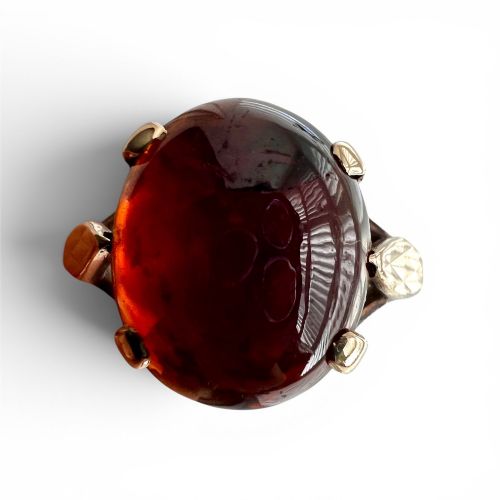
- A gemstone shaped and polished with a smooth convex surface rather than faceted facets. This style highlights the internal colour and optical phenomena of stones like opal, moonstone and jade.
- Cluster ring
- A ring featuring a prominent central stone surrounded by a tighter formation of smaller gems, typically diamonds or pearls. This arrangement maximises overall finger coverage.
- Cocktail ring
- A large, oversized ring designed for evening wear during the twentieth century, particularly associated with the 1930s and 1950s. They incorporate high-carat coloured stones to catch candlelight.
- Old cut diamond
- A hand-faceted diamond cut before modern machine precision, characterised by a smaller table, higher crown and open culet. These stones catch ambient light with a softer, warmer glow.
- Bezel set
- A method of securing a gemstone where a thin metal collar wraps entirely around the stone's girdle. This technique offers robust protection and a clean silhouette.
Antique Statement Ring: Frequently Asked Questions
How do I clean an antique statement ring?
Soft-set stones like opals, pearls and turquoise require gentle wiping with a dry or barely damp microfiber cloth rather than soaking in liquid cleaners. Harder gems like diamonds, rubies and sapphires tolerate warm water with mild dish soap and a soft brush.
Ultrasonic cleaners should be avoided entirely, as vibrations can dislodge fragile antique settings or fracture stones with natural internal inclusions.
Can antique statement rings be resized?
Most gold and platinum rings allow for resizing by a skilled bench jeweller who understands period construction. The feasibility depends on the band's thickness, the presence of shoulder stones and whether the metal is platinum or high-carat gold.
Intricate gallery work or continuous gemstone channels around the band complicate adjustments, so professional assessment is essential before purchase.
Were these rings worn daily in the past?
Historical cocktail and dress rings were primarily reserved for evening events, social calls and special occasions rather than everyday manual tasks. Their elevated stone heights and large carat weights made them vulnerable to knocks during routine chores.
Modern owners often choose to wear them daily with mindful care, reserving heavy-duty tasks for simpler bands.
How do I identify the period of a ring?
Stylistic cues provide the first indication, such as geometric platinum filigree for Art Deco pieces or heavy yellow gold curves for mid-century retro designs. Hallmark stamps, metal purity marks and fastener types offer further clues to the exact decade of manufacture.
Comparing stone cuts and mounting techniques against known historical examples confirms the era.