
Antique Gold Cluster Ring
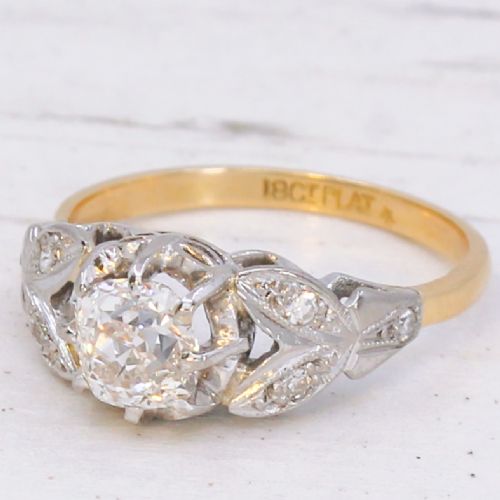
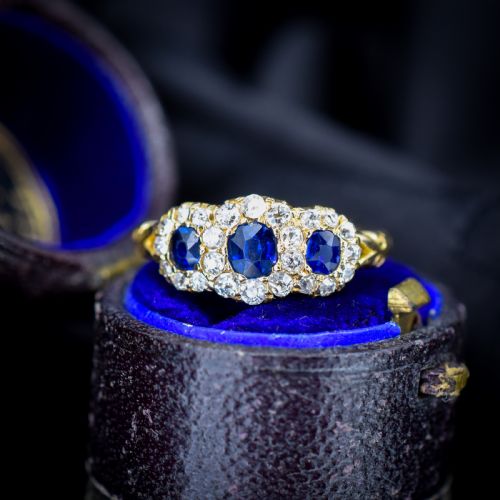
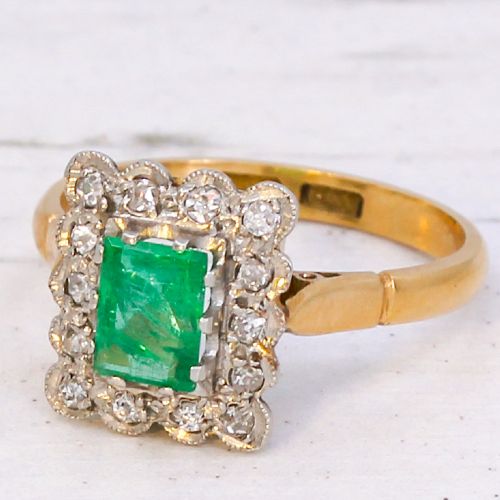
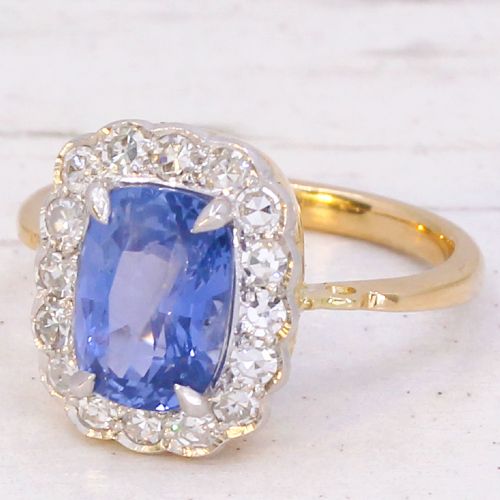
An antique gold cluster ring gathers diamonds or coloured gemstones into a tight floral arrangement, offering remarkable finger presence and historical charm.
Antique Gold Cluster Ring
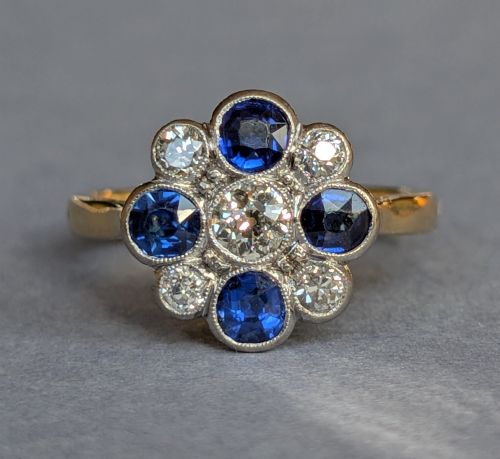
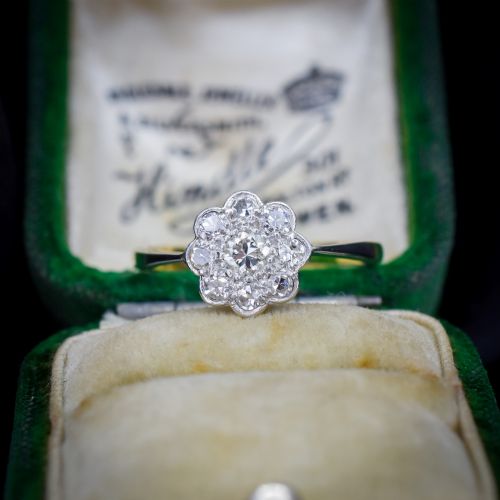
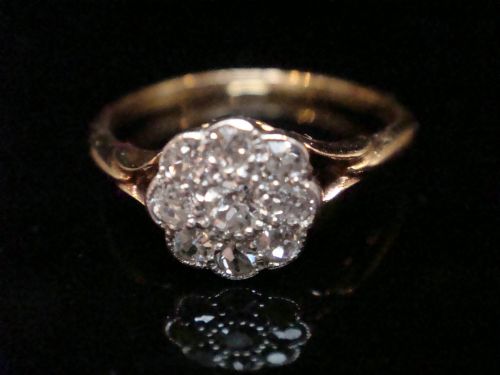
When you search for an antique gold cluster ring, you encounter pieces designed to showcase a central stone surrounded by smaller gems, often configured in a daisy or floral pattern. The selections available span from the Georgian and Victorian eras through the Edwardian period and into Art Deco designs.
The prevalent examples on this page are Edwardian and Victorian creations, alongside Georgian and Art Deco pieces. Makers during these eras favoured yellow gold, rose gold, and occasionally white gold or platinum settings to enhance the brilliance of the stones.
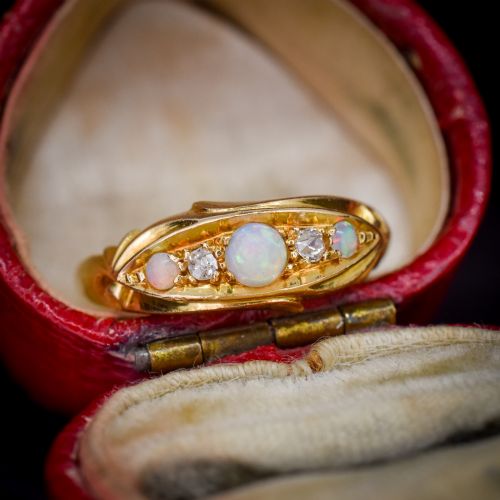
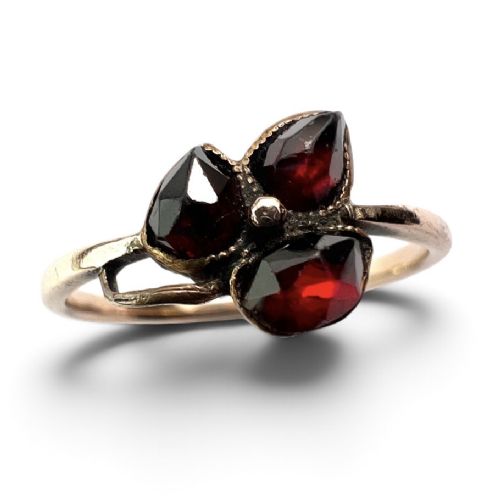
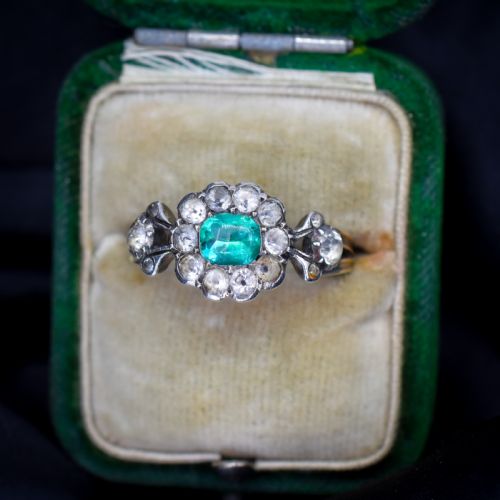
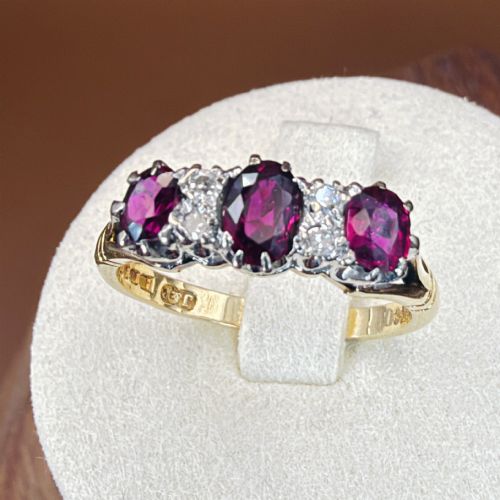
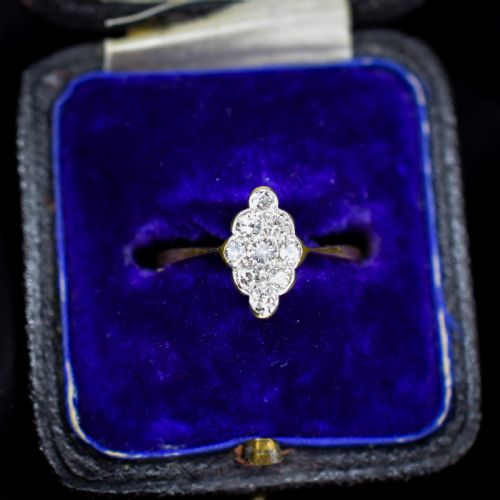
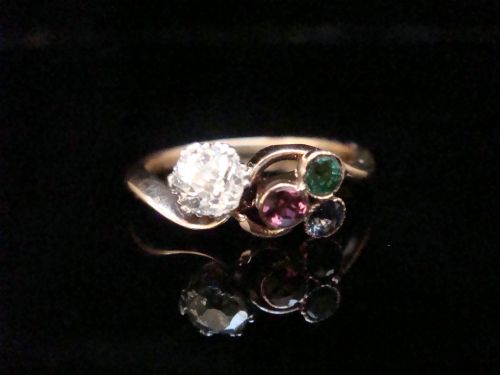
Beyond standard round flowerheads, the evidence reveals elongated navette shapes, boat-shaped settings, and double clusters. These configurations utilise garnets, sapphires, rubies, opals, and emeralds alongside diamonds to create distinct visual profiles.
Materials and Construction
Jewellers typically constructed these pieces using 18ct yellow gold, 15ct gold, 9ct gold, or platinum, frequently combining gold shanks with silver settings on the face to brighten white diamonds. This dual-metal technique is especially common in Georgian and Victorian workshops.
Stones are secured with claw settings, collet settings, or low-profile bezels tailored to old-cut diamonds, seed pearls, and vibrant coloured stones like sapphires, rubies, and opals. Hand-cut facets on older diamonds reflect light differently than modern brilliant cuts, contributing to their distinct aesthetic.
Antique Gold Cluster Ring Retail Price Guide 2026
Typical asking prices for gold cluster ring among the pieces listed under this phrase on Sellingantiques today, from the lower quarter to the upper quarter. They describe what is for sale here now, not the wider market.
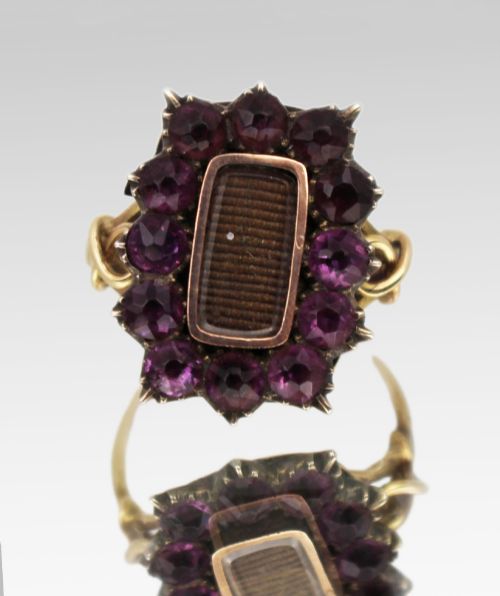
Some Victorian mourning rings concealed woven human hair beneath their purple glass stones, keeping departed loved ones literally close to hand.
Defining Quality in Period Clusters
The standard of an antique gold cluster ring depends heavily on the match, saturation, and cut of the surrounding stones relative to the centre gem. Uniformity in old-cut diamonds or matched coloured gems elevates the piece significantly.
Execution of the metalwork also dictates worth, separating standard production from finer artisan output. Delicate millegrain edges, secure claw work, and balanced proportions across navette or daisy motifs demonstrate superior craftsmanship.
The Antique Gold Cluster Ring Glossary
- Daisy cluster
- A central gemstone encircled by a ring of uniform smaller stones resembling a flowerhead.
- Navette
- An elongated, boat-shaped cluster design that stretches lengthwise along the finger.
- Old cut
- A hand-faceted diamond cut characteristic of the 19th and early 20th centuries, featuring smaller tables and high crowns.
- Millegrain
- A decorative technique featuring tiny, raised metal beads along the edges of a setting.
- Paste
- Hand-cut glass utilised in Georgian and later jewellery to imitate gemstones.
Antique Gold Cluster Ring: Frequently Asked Questions
What periods do these rings come from?
The pieces span multiple historical eras, starting from Georgian examples through Victorian and Edwardian iterations up to Art Deco and mid-century designs. Each period brought distinct preferences in stone pairing and metal combinations.
Victorian and Edwardian pieces frequently highlight natural opals, garnets, and old-cut diamonds in yellow gold, while Art Deco items introduce geometric platinum settings and calibre-cut sapphires.
How were cluster rings worn historically?
These items served as fashionable everyday adornments, engagement tokens, and sentimental pieces. Their prominent face made them suitable for marking significant personal milestones.
Many Victorian and Edwardian examples functioned specifically as engagement rings or token gifts, offering a larger visual impact on the hand than a single solitaire stone.
Are the diamonds modern?
The diamonds found in these listings are period-appropriate old cuts, such as old mine cuts and early European cuts, rather than modern brilliant cuts. These stones were hand-shaped by earlier lapidaries.
Because they were cut by hand under candlelight or early gaslight, old-cut diamonds exhibit smaller tables and deeper pavilions, producing a softer, warmer scintillation than contemporary stones.
What gemstones besides diamonds appear in clusters?
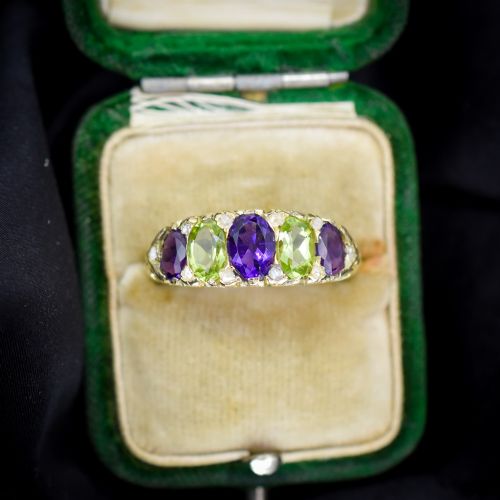
A wide variety of precious and semi-precious stones form the focal points and borders of these rings. Sapphires, rubies, emeralds, garnets, amethysts, tourmalines, and opals are regularly recorded.
Additionally, seed pearls, turquoise, green paste, and purple glass stones appear frequently, reflecting the diverse material palette utilised by jewellers across the 19th and early 20th centuries.