



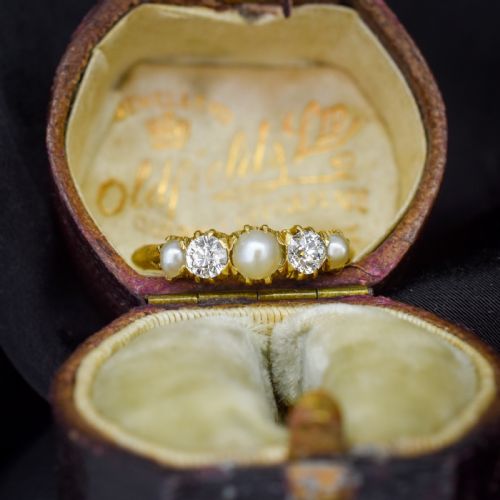
Victorian Diamond Engagement Ring
A victorian diamond engagement ring brings together the distinctive character of nineteenth-century hand-cut stones and durable precious metals.
Victorian Diamond Engagement Ring
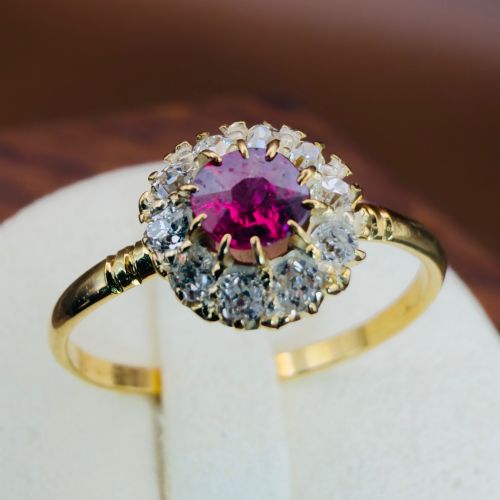
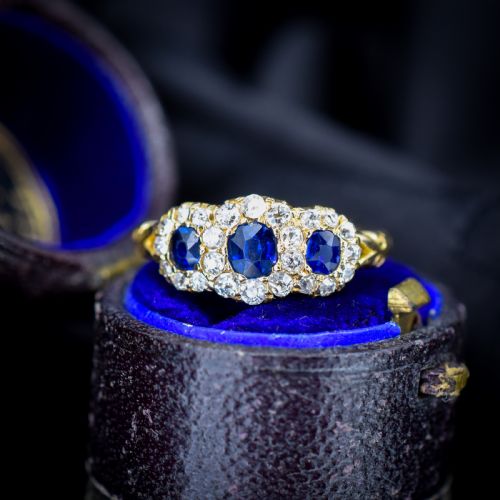
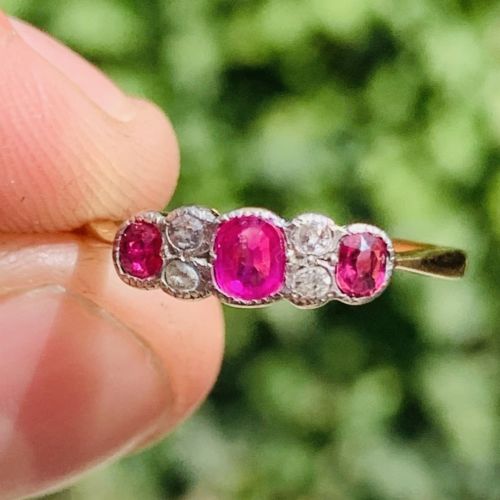
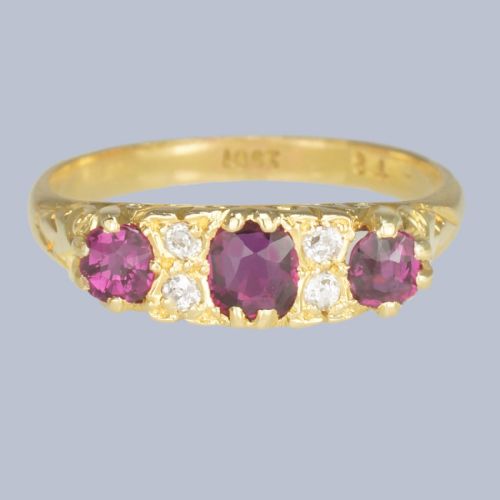
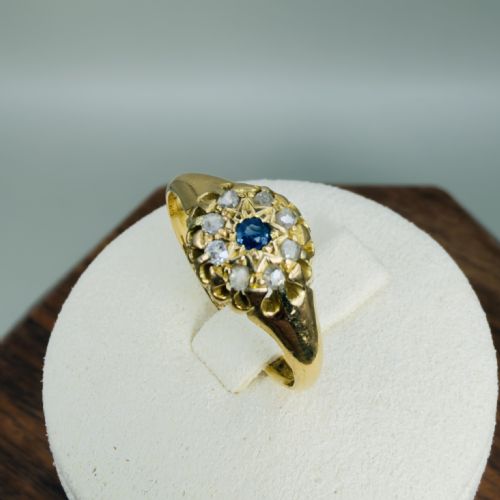
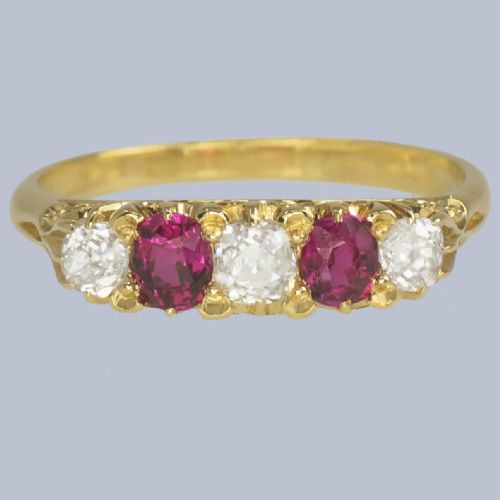
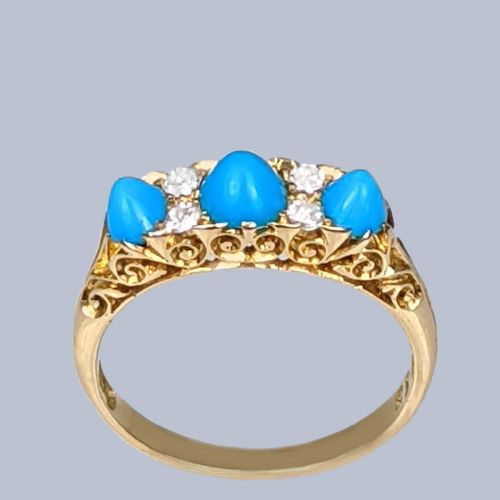
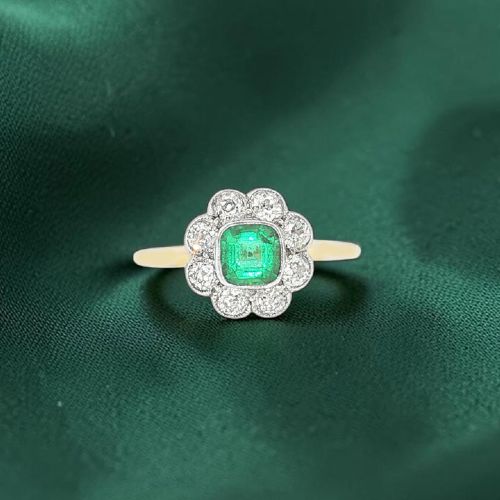
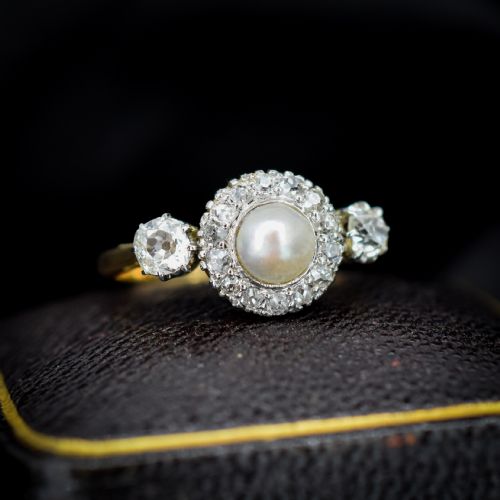
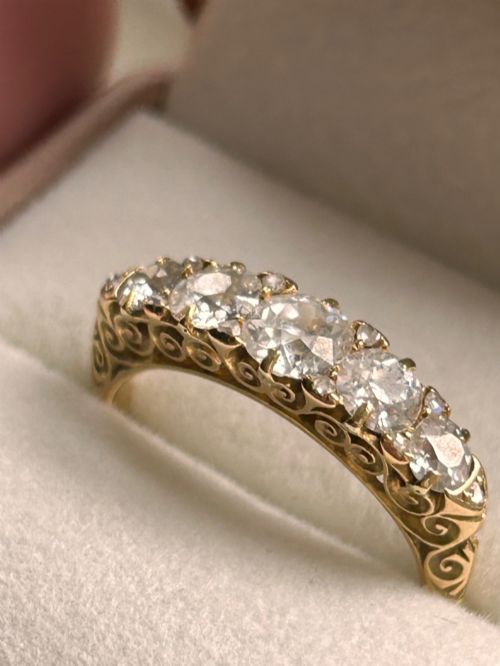
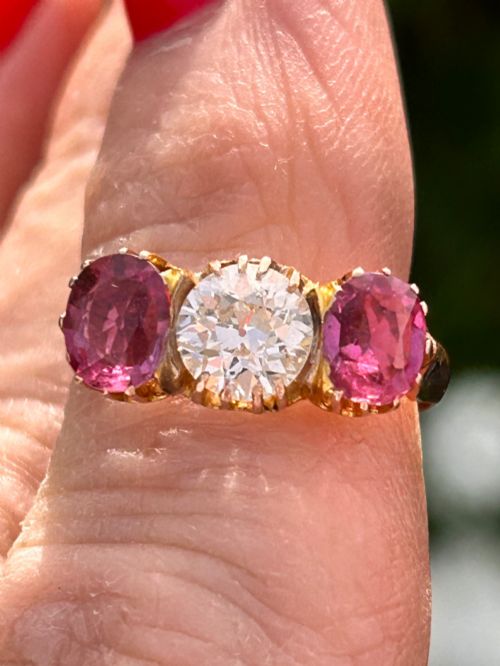
When you search for a victorian diamond engagement ring, you encounter a selection of finger rings produced during the nineteenth century and the early decades that followed. The listings on this page show multi-stone clusters, five-stone half hoops, and single-stone solitaires alongside designs incorporating rubies, sapphires, emeralds, pearls, and opals.
The version you are most likely to meet on this page is an eighteen-carat yellow gold mounting set with old cut diamonds, frequently arranged in cluster or multi-stone configurations. These pieces span early, mid, and late Victorian periods, alongside Edwardian and turn-of-the-century variations.
How they were made
Jewellers of the period utilised eighteen-carat yellow gold and occasionally platinum or rose gold to construct the band and setting. Stones were hand-set into the metal, relying on collet, flush, illusion, or cluster settings to secure the gems without the aid of modern mass-production techniques.
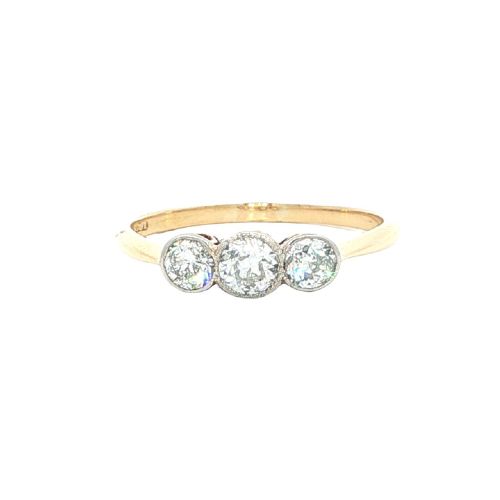
Diamonds encountered in these pieces display hand-cut facets, predominantly old mine cuts and old European cuts shaped by hand rather than precise machinery. These stones were paired with natural gems including rubies, sapphires, and emeralds, often integrated into trilogy or cluster arrangements.
Several rings utilise gypsy settings, allowing the wearer to type or sew without the claws catching on fabric.
What varies in quality
The standard of a piece is determined by the integration of the stones within the metal mount and the preservation of the original hand-cut facets. Examples that retain their original setting integrity and possess well-matched coloured stones alongside bright diamonds represent the upper tier of the range.
Construction weight and the subtlety of the metalwork distinguish finer examples from standard production. A heavier gold band and delicate, secure prong or cluster work indicate higher workshop standards during the manufacturing process.
The Victorian Diamond Engagement Ring Glossary
- Old cut diamond
- A diamond cut by hand before modern machinery, typically featuring a smaller table, higher crown, and a noticeable open culet at the base.
- Gypsy set
- A setting style where the stone is flush-embedded directly into the metal band, creating a smooth, continuous surface around the gem.
- Trilogy ring
- A ring featuring three primary stones set in a row, traditionally representing the past, present, and future.
- Cluster ring
- A design comprising a central stone encircled by a group of smaller surrounding stones, often forming a floral or geometric pattern.
- Half hoop
- A ring style featuring a row of stones set across the upper portion of the band, resembling half of a full hoop.
Victorian Diamond Engagement Ring: Frequently Asked Questions
How do I care for a Victorian ring?
Clean these pieces gently using warm water and a soft brush, avoiding harsh chemical dips that can damage softer coloured stones and pearls.
Store the ring in a dedicated box to prevent the old gold mount and diamond facets from scratching against other items of jewellery.
Can these rings be resized?
Most gold and platinum bands from this period can be adjusted by a skilled jeweller, though care must be taken with detailed shoulders and multi-stone settings.
Consult a specialist who understands antique mounting techniques to ensure the structural integrity of the band remains intact.
What is an old mine cut?
An old mine cut is a hand-faceted diamond shape common in nineteenth-century jewellery, characterised by a cushion outline and deep proportions.
These stones were shaped under candlelight to maximise sparkle in low lighting conditions, giving them a distinct visual warmth compared to modern cuts.
How do I identify the period?
Period identification relies on stylistic clues such as setting types, gold colours, gemstone combinations, and occasional hallmarks stamped inside the band.
Late Victorian and Edwardian examples often incorporate platinum tops and intricate cluster arrangements, whereas earlier pieces feature robust yellow gold and rose gold mountings.