

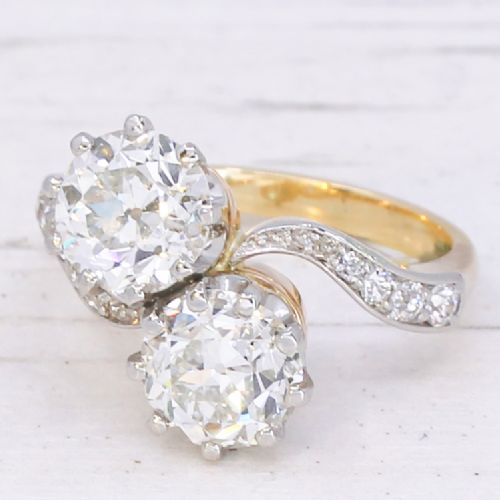


Vintage Bypass Ring
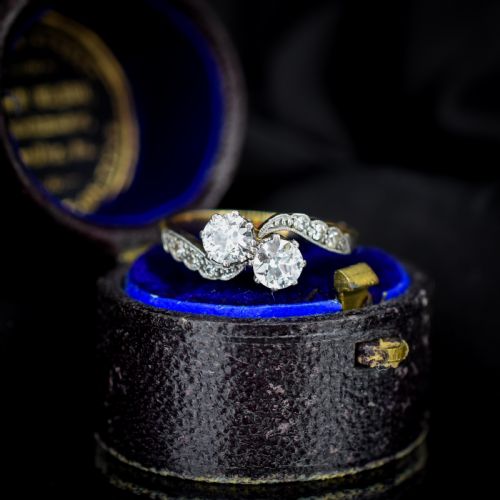
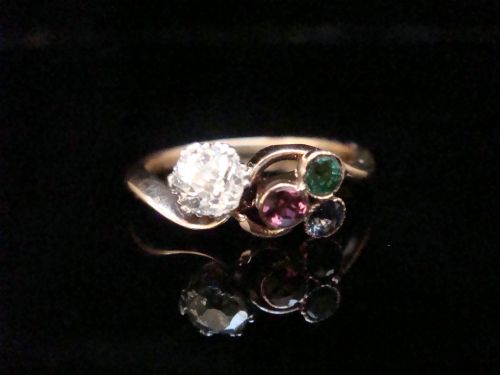
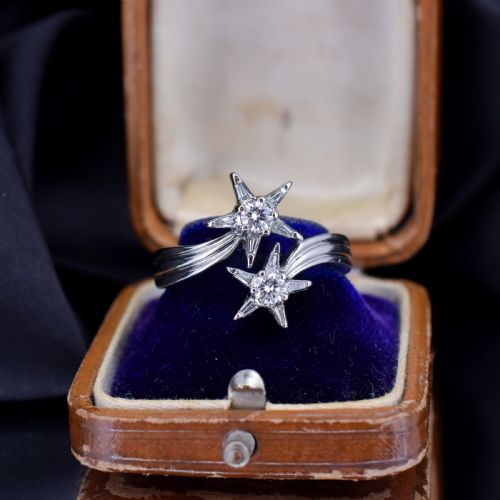
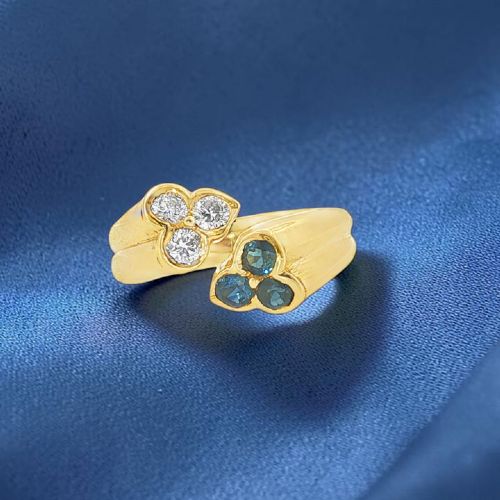
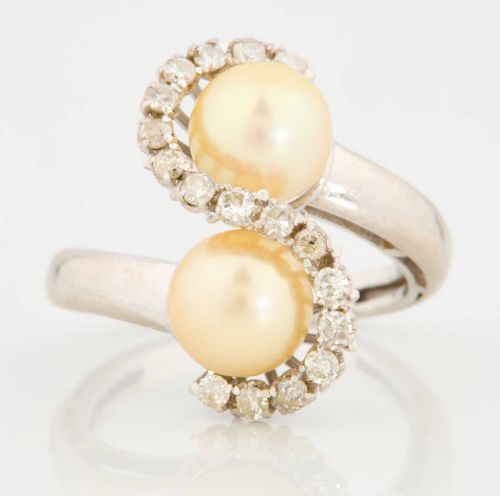
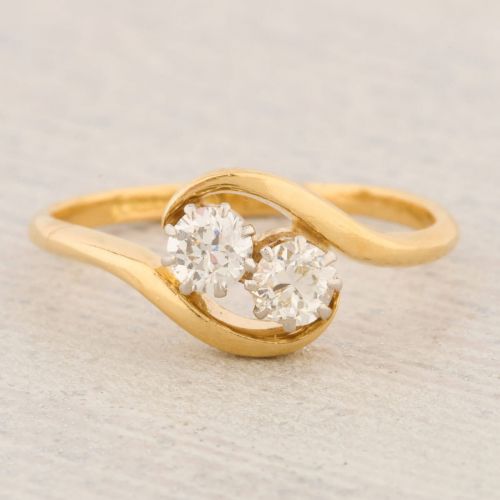
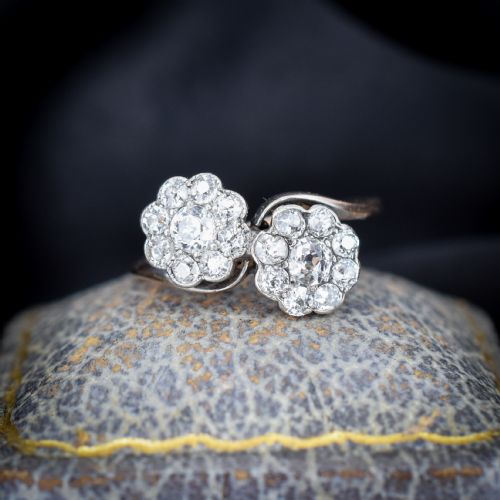
A vintage bypass ring brings two opposing gems together in a sweeping embrace that symbolises two lives meeting as one.
Vintage Bypass Ring
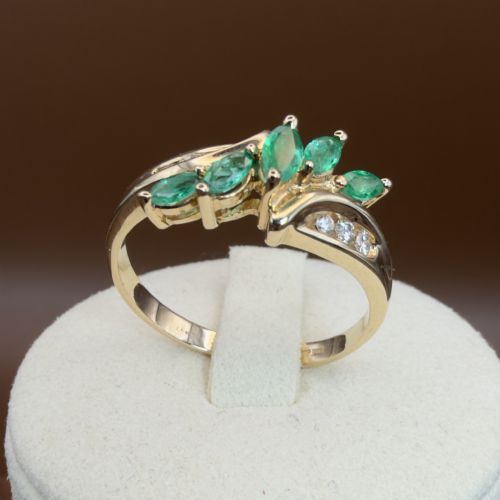
The form appears in varied iterations, ranging from classic two-stone diamond twists to colourful combinations of sapphire, ruby, emerald, and pearl set in 18ct yellow gold, white gold, or platinum.
Materials and construction
Goldsmiths utilised 18ct gold, 9ct gold, and durable platinum to forge the undulating bands that support the central stones. Stones such as old cut diamonds, sapphires, rubies, and cultured pearls are secured in claw or cluster settings that follow the curve of the crossover shank.
Techniques evolved from delicate Edwardian millegrain wirework to the geometric lines of Art Deco platinum work and the bolder curving mounts of the mid-century decades.
The listings span multiple decades, incorporating Edwardian, Art Nouveau, Art Deco, and mid-century eras in gold and platinum.
Assessing quality and craftsmanship
Quality rests upon the matching of the primary stones and the integrity of the shank where the metal crosses over the finger. Superior examples display harmonious stone sizing, crisp proportions in the twist, and minimal wear to the underlying precious metal.
The hand-finished details, such as precise claw work and delicate edge engraving on platinum or gold, distinguish master craftsmanship from standard commercial production of the period.
Kutchinsky
The Vintage Bypass Ring Glossary
- Bypass ring
- A ring design where the two ends of the shank cross past each other rather than meeting symmetrically. This style allows for dynamic curving lines across the hand.
- Toi et moi
- French for you and me, describing a ring featuring two prominent gemstones placed side by side or wrapping past one another. It represents a romantic coupling.
- Old cut diamond
- A hand-faceted diamond cut before modern machine standards were established, typically featuring a smaller table and a higher crown. These stones exhibit a softer, warm candlelit scintillation.
- Millegrain
- A decorative technique involving a row of tiny metal beads along the edges of a setting. It provides a refined textural border popular in Edwardian and Art Deco jewellery.
- Crossover
- A style where the shoulders of the ring sweep together and cross over the top of the finger. It is synonymous with the bypass and twist configurations seen here.
Vintage Bypass Ring: Frequently Asked Questions
What is a bypass ring?
A bypass ring is a style where the shank curves around the finger and the two ends pass each other rather than meeting directly.
This configuration frequently showcases two main stones, creating a continuous flowing movement across the hand.
How do I style a twist ring?
These rings pair easily with plain bands or sit independently as a statement piece on the hand.
Their curving silhouette complements both stacked modern rings and historical jewellery collections.
How can I tell an Edwardian bypass ring from an Art Deco one?
Edwardian pieces often feature softer floral motifs, platinum-topped gold, and delicate millegrain wirework.
Art Deco examples lean towards geometric lines, stark platinum settings, and bolder symmetrical stone arrangements.