



Gold Cabochon Cluster Ring
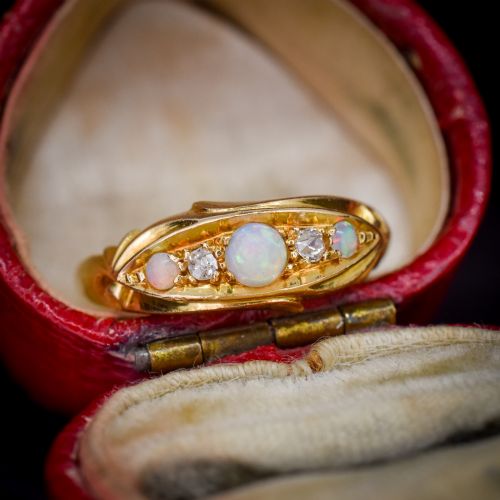
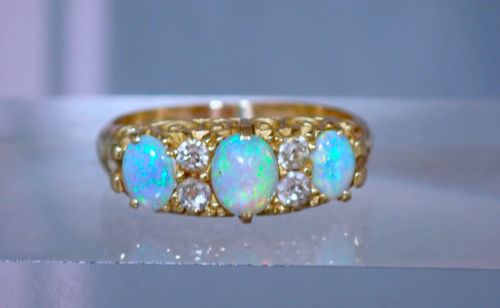
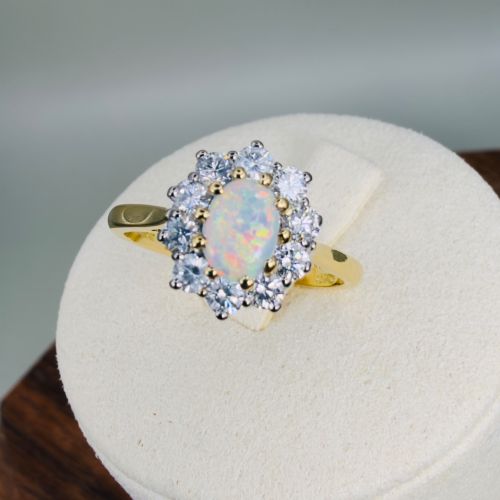
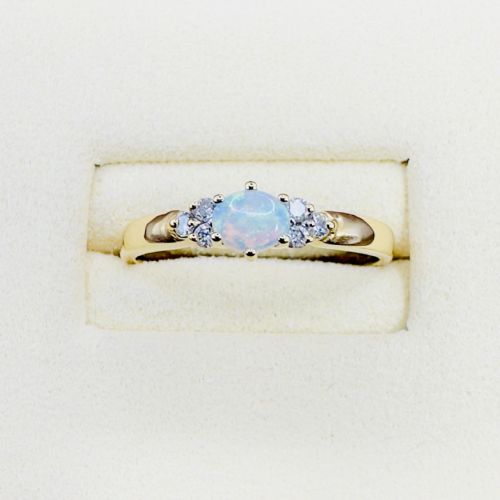
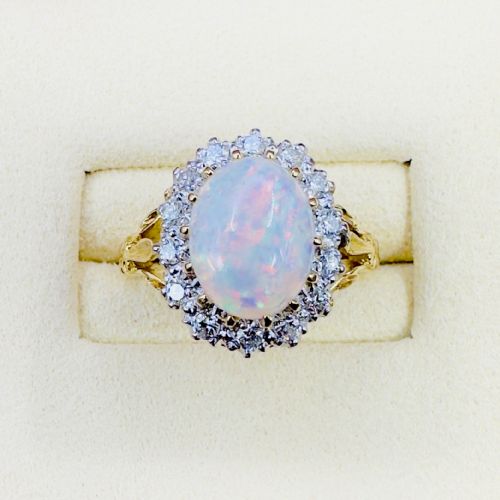
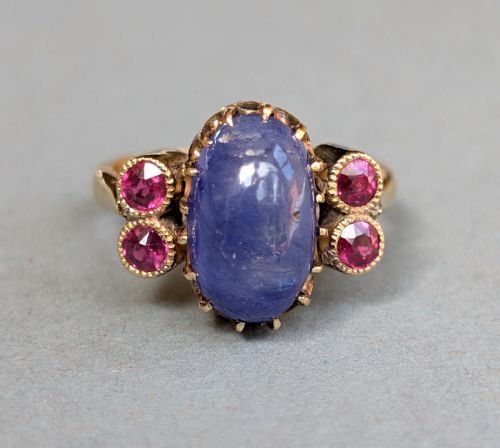
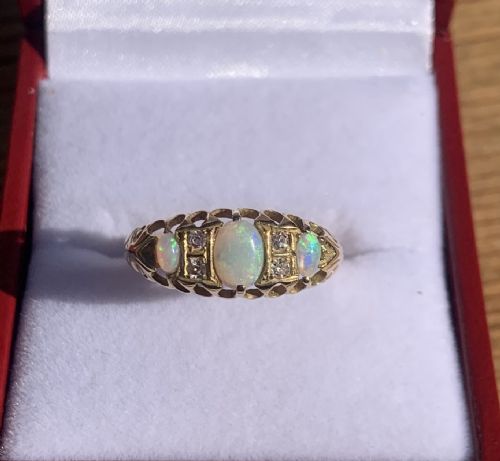
A gold cabochon cluster ring centres a polished, rounded gemstone within a bright border of diamonds or smaller stones.
Gold Cabochon Cluster Ring
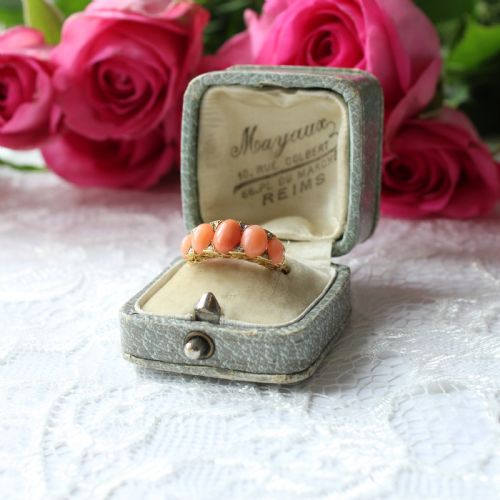
A gold cabochon cluster ring presents a smooth, rounded gemstone at its focal point, surrounded by a tight border of accent stones. This arrangement showcases the polished domed shape of gems such as opal, turquoise, sapphire, and ruby without the traditional faceted top.
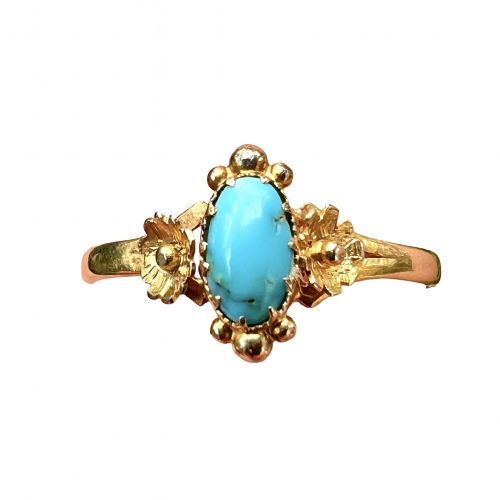
The gold cabochon cluster ring appears across multiple eras in this collection, stretching from the Victorian and Edwardian periods through the Art Deco years and into mid-century designs. Pieces from the late nineteenth century frequently pair turquoise or opal with rose cut diamonds in yellow gold settings.
Later mid-century examples often utilise white gold or platinum settings to lift bright opals, sapphires, and rubies into raised formations. Buyers frequently encounter nineteenth-century floral motifs alongside cleaner geometric lines from the nineteen-thirties and nineteen-fifties.
Materials and construction
Goldsmiths constructed these rings primarily using nine carat, fourteen carat, and eighteen carat gold, occasionally incorporating platinum for specific stone settings. Yellow gold dominates the Victorian and Edwardian pieces, while white gold becomes prevalent in twentieth-century mid-century designs.
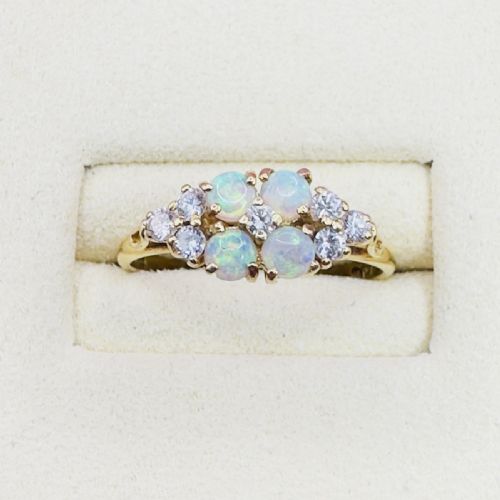
The central cabochon stones are shaped and polished into smooth domes rather than faceted edges, then secured by claw settings or bezels. Artisans arranged surrounding diamonds and smaller gems in close clusters, daisy patterns, or boat shapes to frame the main stone.
The documented periods span from Victorian and Edwardian eras through the nineteen-thirties, nineteen-fifties, and nineteen-sixties.
Quality and execution
Quality rests upon the visual harmony of the cluster and the optical play of the central cabochon stone. Superior examples display balanced proportions between the central dome and the surrounding border of diamonds.
The depth of colour and internal light play within opals, sapphires, or rubies distinguish finer pieces from standard production. Master goldsmiths achieved precise claw work and robust shank construction that endures across generations.
The Gold Cabochon Cluster Ring Glossary
- Cabochon
- A gemstone shaped and polished with a smooth, rounded dome rather than faceted surfaces. This style highlights the natural colour and internal patterns of stones like opal and turquoise.
- Cluster ring
- A ring design featuring a central prominent gemstone encircled by a border of smaller stones. This arrangement maximises visual impact and light reflection.
- Rose cut
- An antique diamond cut featuring a flat base and a domed crown composed of triangular facets. It produces a soft, subtle glow rather than modern brilliance.
- Hallmark
- Official stamps struck into precious metal indicating the purity of the gold, the assay office, and the date of manufacture. These marks provide definitive historical context for antique jewellery.
- Boat ring
- A horizontally stretched ring setting resembling the hull of a boat. This style accommodates multiple stones arranged in a graceful, elongated curve across the finger.
Gold Cabochon Cluster Ring: Frequently Asked Questions
How do I care for a cabochon opal ring?
Opals contain natural water content and require gentle handling to preserve their structural integrity. Avoid harsh chemical cleaners, ultrasonic baths, and prolonged exposure to extreme heat or dryness.
Remove the ring before undertaking manual work or swimming. Clean the surface gently with a soft, damp cloth and store it separately from harder gemstones to prevent scratching.
What periods do these rings come from?
The selections span from the Victorian and Edwardian eras through the Art Deco period and into nineteen-fifties and nineteen-sixties designs. Victorian examples often feature turquoise, garnet, and rose cut diamonds set in yellow gold.
Later mid-century pieces frequently showcase prominent opals and sapphires mounted in white gold or platinum settings. Each era brings distinct metalwork techniques and stone combinations to the cluster format.
Are these rings suitable for daily wear?
Many of these pieces were built for regular use, but softer stones like opal and turquoise demand extra caution. Harder gems like sapphire and ruby withstand daily wear more robustly.
Consider the height of the cluster and the security of the settings when planning frequent use. Periodic inspection by a jeweller ensures the claws remain tight and secure.
How can I tell a Victorian ring from a mid-century one?
Victorian and Edwardian rings often utilise yellow or rose gold with handmade details, botanical motifs, and rose cut diamonds. The gold alloys and hand-stamped hallmarks provide immediate clues to nineteenth-century origins.
Mid-century rings frequently employ white gold or platinum, clean geometric lines, and brilliant cut diamonds alongside high-dome cabochon sapphires. The overall weight, finishing techniques, and design symmetry reflect the aesthetic priorities of the nineteen-fifties and sixties.