




Late Victorian Dress Ring
A late victorian dress ring combines vibrant gemstones with intricate gold settings to capture the distinctive decorative charm of the late nineteenth century.
Late Victorian Dress Ring
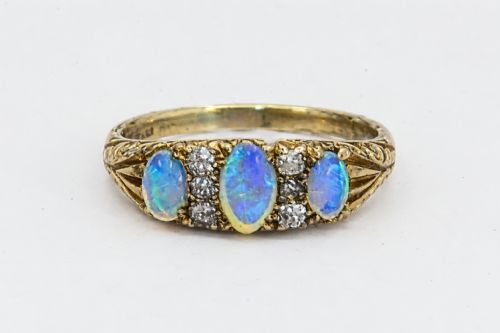
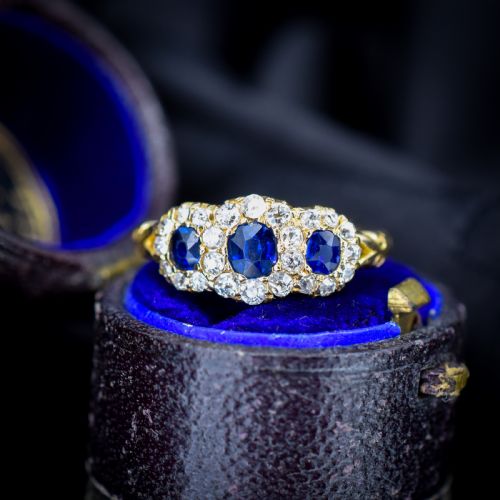
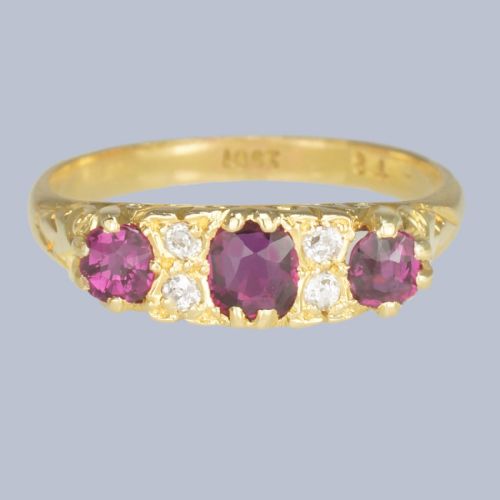
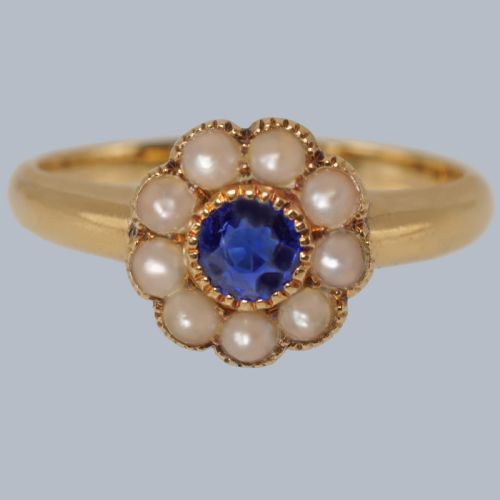
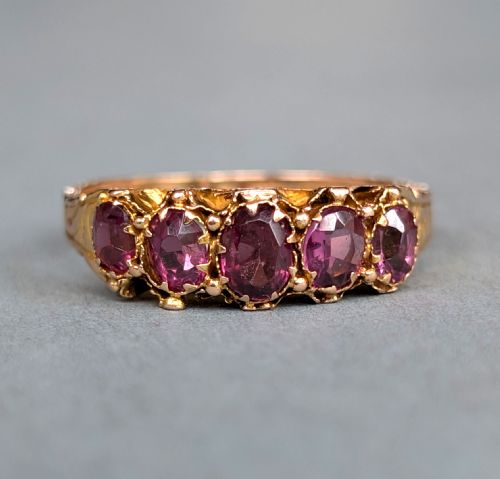
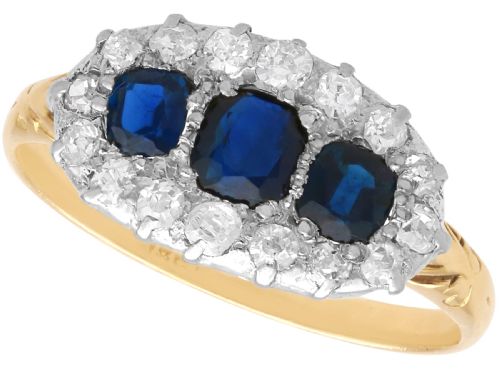
A late victorian dress ring is an ornamental jewel designed for personal adornment during the closing decades of the nineteenth century. These pieces encompass cluster configurations, twist forms, and trilogy arrangements originating around eighteen ninety.
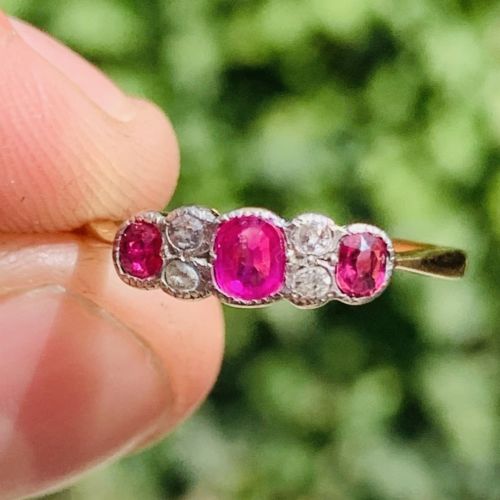
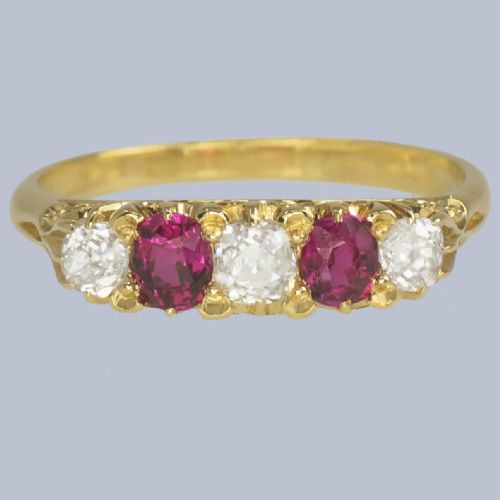
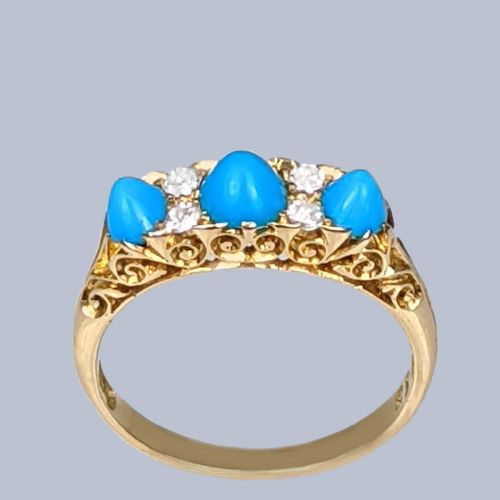
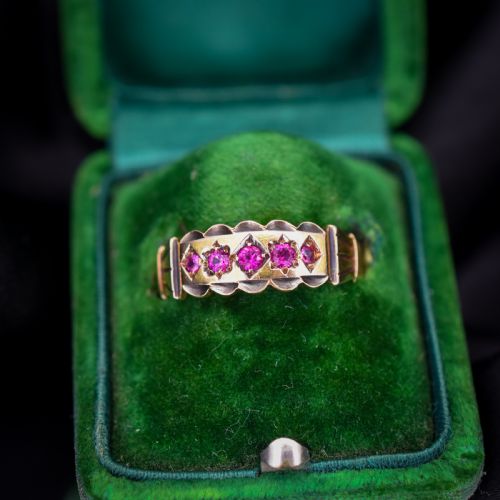
The most common variants encountered on this page feature central sapphires or amethysts surrounded by sparkling diamond accents. Jewelers of the period also utilised turquoise, pearls, and rubies set within yellow gold, rose gold, or silver.
Makers of this era favoured expressive cluster and marquise silhouettes that maximised the visual impact of coloured gemstones. Each ring reflects the transition from high Victorian aesthetics towards the lighter motifs of the Edwardian era.
Materials and Construction
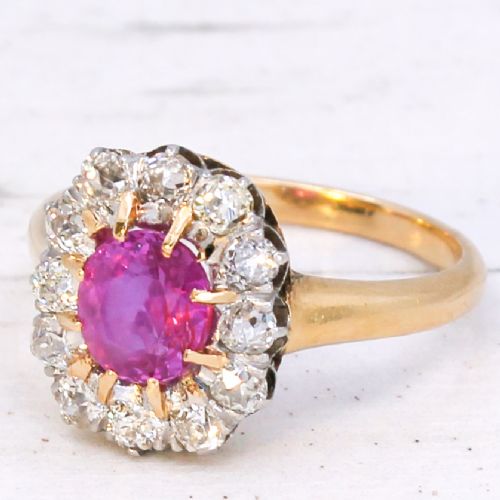
Goldsmiths constructed these rings primarily using eighteen carat yellow gold and eighteen carat rose gold alongside silver and platinum elements. Precious stones including old cut diamonds, unheated Burmese pink sapphires, and amethysts were secured by hand.
Craftsmen shaped gold into twisting bands and detailed cluster heads designed to hold central gems firmly in place. Traditional hand-cutting techniques created old cut diamonds and rose cut diamonds with distinctive facet patterns.
Late Victorian Dress Ring Retail Price Guide 2026
Typical asking prices for late victorian dress ring among the pieces listed under this phrase on Sellingantiques today, from the lower quarter to the upper quarter. They describe what is for sale here now, not the wider market.
Judging Quality and Distinction
Superior examples of a late victorian dress ring exhibit exceptional gemstone selection, such as unheated Burmese pink sapphires paired with substantial diamond weights. The precision of the hand-cutting on old cut stones significantly influences the brilliance of the piece.
Finely wrought metalwork, including well-balanced twist designs and secure claw or bezel settings, separates masterwork jewels from standard production. The integrity of the original gold and the harmonious proportion of cluster arrangements define the upper tier of the range.
The Late Victorian Dress Ring Glossary
- Old Cut Diamond
- A hand-faceted diamond shape typical of the nineteenth century featuring a small table and high crown designed to catch candlelight. These stones possess a softer, more rounded brilliance than modern brilliant cuts.
- Cluster Ring
- A ring style featuring a prominent central gemstone encircled by a group of smaller flanking stones. This configuration maximises overall sparkle and presence on the finger.
- Trilogy Ring
- A setting comprising three distinct gemstones arranged in a row to represent the past, present, and future. They frequently combine sapphires with flanking diamonds in yellow gold.
- Twist Ring
- A band configuration where two distinct metal shanks or gemstone rows entwine around one another. This romantic design creates dynamic movement across the finger.
- Rose Cut
- An antique gemstone cut featuring a flat base and a dome-shaped crown composed of triangular facets. It resembles an unopened rosebud and produces a gentle, translucent shimmer.
Late Victorian Dress Ring: Frequently Asked Questions
How do I care for my ring?
Caring for an antique ring requires gentle handling to preserve delicate metalwork and soft gemstones like pearls or turquoise. Avoid exposing the jewellery to harsh household chemicals or ultrasonic cleaners.
Store each ring individually in a fabric-lined box to prevent scratching between pieces. Periodic professional inspection ensures the old cut diamonds and coloured stones remain secure in their original settings.
Are these rings suitable for daily wear?
While these rings were made for regular social use, their antique nature requires mindful wear during vigorous physical tasks. Gold and silver from the nineteenth century benefit from thoughtful protection against heavy impacts.
Removing the jewellery before gardening, exercising, or swimming preserves the structural integrity of the delicate settings. With sensible precautions, these pieces continue to grace the hand reliably.
How can I tell the period?
Dating these pieces involves examining the characteristic gemstone cuts, metal types, and manufacturing techniques unique to the late nineteenth century. Old cut diamonds and specific cluster proportions point directly to the Victorian era.
Stylistic shifts towards Edwardian lightness also appear in pieces created near the turn of the twentieth century. Hallmarks, where present, provide further chronological markers for verification.