


Antique Turquoise Cluster Ring
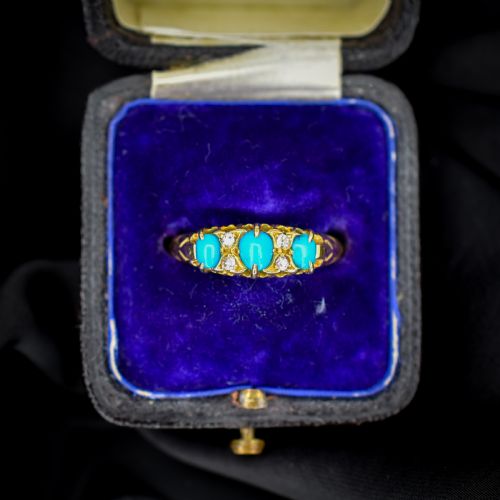
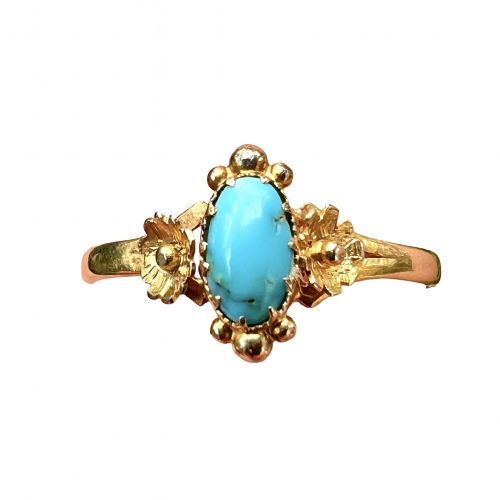
An antique turquoise cluster ring brings together vibrant sky-blue stones and warm gold in a compact, eye-catching head.
Antique Turquoise Cluster Ring
An antique turquoise cluster ring brings together vibrant blue stones arranged centrally, most often encountered in Victorian, Edwardian, and Georgian examples on this page. These pieces feature distinct forms such as floral arrangements, star motifs, navette designs, and scroll boats.
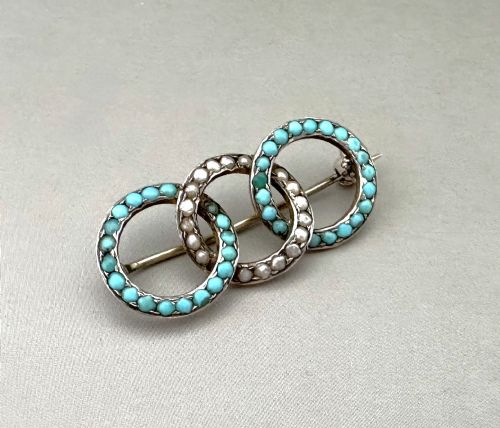
The materials paired with the central turquoise stones include 18ct gold, 15ct gold, 9ct gold, and occasionally silver gilt, frequently accented with diamonds, seed pearls, or split pearls. Buyers frequently find these cluster rings originating from periods spanning the nineteenth and early twentieth centuries, alongside mid-century suites.
Materials and construction methods
Goldsmiths constructed these rings using higher karat gold alloys like 15ct and 18ct alongside 9ct gold, shaping the mountings to hold the turquoise and supplementary stones securely. Gemstones including rose-cut diamonds and seed pearls are integrated directly into the cluster designs alongside the turquoise.
Techniques visible across the pieces include detailed scrollwork, heart and bow shapes, and navette outlines. Hallmarks and assay marks from locations like Chester and Birmingham occasionally anchor the provenance of these rings.
Listings feature items primarily from the Victorian and Edwardian periods, utilising 18ct gold, 15ct gold, and turquoise.
Assessing quality and craftsmanship
The distinction between tiers of quality rests on the precision of the stone setting and the depth of the gold work. Finer examples display tightly packed turquoise clusters complemented by well-matched diamonds or pearls, with crisp detailing in motifs like stars, flowers, and navette designs.
Subtleties in proportion and the preservation of the original gold alloys differentiate standard production from finer work. The integration of supporting stones such as rose-cut diamonds elevates the overall composition of the cluster.
The Antique Turquoise Cluster Ring Glossary
- Cluster ring
- A ring featuring a central stone or group of stones surrounded by a border of smaller gems. This configuration maximises visual presence on the hand.
- Navette
- A boat-shaped or marquise gemstone setting with pointed ends. This elongated silhouette is characteristic of late nineteenth-century cluster designs.
- Seed pearl
- A very small, natural or cultured pearl used as an accent. These delicate spheres frequently border turquoise clusters in Victorian pieces.
- Silver gilt
- Sterling silver covered with a thin layer of gold. This material combination provides the appearance of gold while utilising a silver base.
- Rose-cut diamond
- A traditional diamond cut with a flat base and a faceted dome resembling an unopened rosebud. These stones appear frequently alongside turquoise in period rings.
Antique Turquoise Cluster Ring: Frequently Asked Questions
How do I wear a turquoise ring safely?
Turquoise is a softer gemstone, so it benefits from being removed before heavy manual tasks or hand washing. Storing it away from harder jewels prevents scratching.
Regular cleaning requires only a soft, dry cloth rather than harsh chemical dips or ultrasonic cleaners. Protecting the stones from moisture and cosmetics preserves their distinctive colour over time.
What periods do these rings come from?
The pieces span several eras, including Georgian, Victorian, Edwardian, and mid-century periods. Each era brought distinct design preferences, from romantic heart and bow motifs to structured floral and star clusters.
Examining the gold karat and mounting style helps identify the manufacturing period. Hallmarks, where present, offer further clues regarding the exact year and assay office of origin.
Are pearls fragile in old rings?
Seed pearls used in antique clusters are secured in settings designed to protect them from direct impact. However, exposure to moisture and perfumes can affect their lustre over decades.
Checking that each pearl sits firmly in its original position ensures longevity. Gentle care keeps these delicate accents intact alongside the turquoise stones.
What defines a cluster design?
A cluster arrangement groups multiple stones closely together to create a bolder visual impact than a single solitaire. In these rings, turquoise forms the primary focal point, often encircled by diamonds or pearls.
This geometry allows makers to combine different colours and textures within a compact space. The resulting pattern dictates the overall character of the ring, whether floral, geometric, or elongated.