
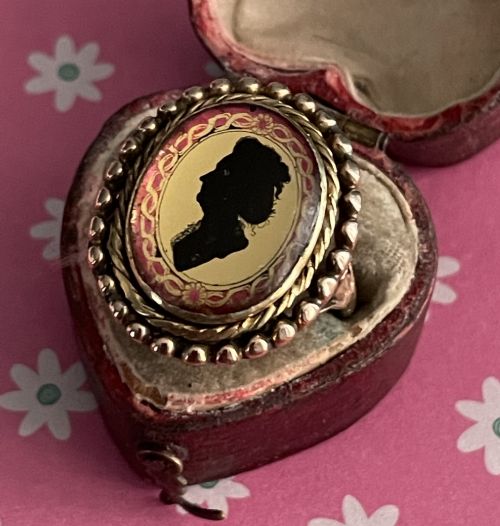


Antique Cameo Ring
An antique cameo ring is a carved miniature relief set into precious metal, offering collectors a wearable piece of classical history from the Georgian, Victorian, and Edwardian eras.
What an antique cameo ring is
An antique cameo ring displays a carved portrait or classical scene raised against a contrasting background, mounted on a precious metal band. These pieces span the Georgian, Victorian, and Edwardian eras, reflecting changing tastes in miniature sculpture from the early nineteenth century onward. You encounter examples featuring classical female portraits, Roman soldiers, and mythological figures mounted securely in gold.
The materials used for the carved elements include carnelian, black opal, coral, agate, sardonyx, pearl, tiger's eye, shell, and Whitby jet. Mounts range from 9ct gold and 10K gold to 18ct yellow gold and rose gold, often shaped to suit the stone or shell beneath. These rings function as both personal ornaments and miniature artworks from the nineteenth and early twentieth centuries.
How they were made
Carvers cut directly into layered hardstones such as carnelian, agate, and sardonyx, or into organic materials like shell, coral, and Whitby jet, exploiting natural colour variations to create a distinct relief. The artisan used small hand tools to shape the profile against a darker backing layer, demanding immense precision on a miniature scale.
Goldsmiths then fabricated mountings in 9ct, 10K, or 18ct gold, securing the carved tablets with bezels or claws. The integration of the setting to the stone shows manual assembly techniques typical of nineteenth-century workshops.
Retail Price Guide 2026
Typical UK retail prices for cameo ring, calculated from the Sellingantiques database of over a million retail prices indexed since 2003. This retail price guide relies exclusively on Sellingantiques data; no external sources or auction records are used, so the figures do not describe the wider market.
What varies in quality
The weight and purity of the gold mount, alongside the natural quality and uniformity of the gemstone or shell, dictate the overall calibre of the ring. A well-matched stone with distinct colour layering enhances the contrast of the relief.
The Antique Cameo Ring Glossary
- Cameo
- A method of carving where the subject is raised above the background. This technique relies on contrasting layers of stone or shell to make the miniature relief stand out.
- Intaglio
- A design carved into the surface of a stone rather than raised above it. Such pieces act as seals when pressed into hot wax.
- Hardstone
- A semi-precious gemstone used for carving, including agate, carnelian, and sardonyx. These materials offer durability and fine grain for detailed work.
- Bezel setting
- A method of holding a stone in place by a narrow strip of metal pushed gently over the edge of the gem. This technique keeps the carved tablet secure within the gold band.
Frequently Asked Questions
How do I date an antique cameo ring?
Dating relies on the style of the carving, the mount construction, and the specific gold karat markings used during different periods like the Georgian and Victorian eras.
Examining the back of the setting and the character of the portrait helps connect the piece to early nineteenth-century or later manufacturing techniques.
Are cameo rings fragile?
Shell and coral cameos require more care than hardstone examples like agate or carnelian, which resist scratching much better.
Wearing any antique ring with mindfulness prevents accidental impacts from damaging the raised relief.
What is the difference between shell and hardstone?
Shell cameos display translucent peach or white tones against an orange-brown background, whereas hardstone pieces utilise layered stones like sardonyx for sharper contrast.
Both materials were popular in the nineteenth century but offer distinct visual textures under magnification.
Can I wear an antique cameo ring every day?
Daily wear is possible with robust hardstone rings set in heavier gold mounts, provided they receive regular checks by a jeweler.
Softer materials such as shell or pearl benefit from occasional rest to preserve the delicate carved details over time.