



Georgian Wax Seal Pendant
A georgian wax seal pendant brings centuries of private correspondence into modern wear, offering engraved stones and metalwork designed to leave a mark.
Georgian Wax Seal Pendant
A georgian wax seal pendant transforms desk accessories into personal adornments, most often taking the form of fob seals converted into pendants. These pieces combine hardstone intaglios with precious metals to create miniature sculptures worn around the neck.
The selections on this page span the Georgian and Victorian eras, alongside related pieces from the early twentieth century. Buyers encounter everything from simple gilt metal mounts to substantial gold pieces set with carnelian, bloodstone, and chalcedony.
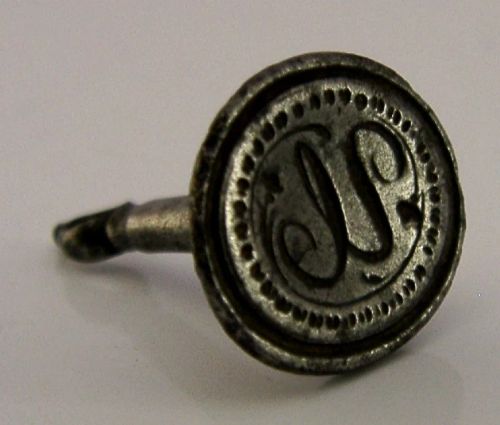
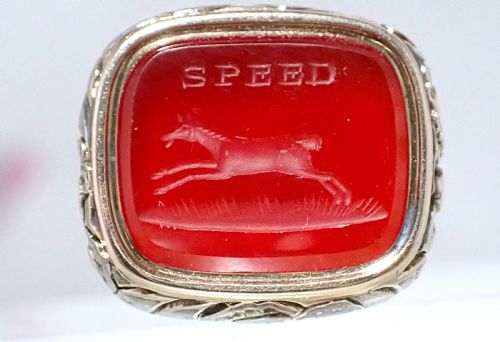
Many examples retain their original engraved matrices, featuring initials such as Ann or Jane, classical figures, animals, or literary references like William Shakespeare. The shift from pocket use to pendant wear demonstrates the enduring appeal of these small historical objects.
Factors of quality
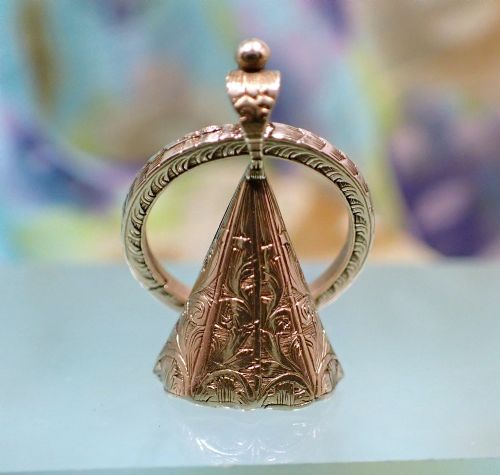
Metalwork complexity also distinguishes the range, from plain bezels to elaborate foliate mounts and swivel mechanisms. Heavier gold gauges and intact enamel work contribute to the longevity and desirability of a piece.
A swift press into hot wax reveals that an eighteenth-century merchant's desk toy doubles as an eighteenth-century miniature portrait gallery.
The Georgian Wax Seal Pendant Glossary
- Intaglio
- A design carved into the surface of a gemstone so that the impression made in wax appears in relief. This technique was essential for creating personal signets.
- Fob seal
- A small pendant originally hung from a pocket watch ribbon, used to press into molten sealing wax. Many survivors have later loops added for neck chains.
- Carnelian
- A brownish-red variety of chalcedony quartz widely used for signet rings and seals. Its uniform colour made it popular for crisp intaglio carving.
- Bloodstone
- A dark green chalcedony flecked with red jasper spots, traditionally chosen for heraldic and personal seals. The stone offers a striking visual contrast when engraved.
- Cut steel
- Faceted small steel studs riveted to a backing plate to simulate diamonds and provide sparkle. This material was favoured in Georgian and Victorian decorative hardware.
Georgian Wax Seal Pendant: Frequently Asked Questions
Can I still use my seal with wax?
Many of these pieces retain their original engraved matrices and remain capable of pressing into sealing wax. However, regular use puts historic stones and mounts under stress.
Collectors generally choose to wear them as pendants to preserve the antique carving and metalwork from accidental chips or wear.
How do I date a gold seal?
Dating relies on the stylistic cues of the metal mount, the form of the swivel or ring, and the type of stone used. Georgian mounts often feature heavy hand-chiselled details and closed-back settings.
Later Victorian interpretations tend to incorporate machine stamping or different alloy standards, while the presence of hallmarks helps narrow down the decade of production.
What is the difference between a fob and a pendant?
A fob was originally designed to hang from a pocket watch chain or ribbon, sitting near the waistcoat. A pendant is adapted specifically to hang from a neck chain.
Many seals found today began life as fobs and have been fitted with replacement suspension loops to suit modern jewellery wear.
Are the intaglio initials someone specific?
The initials carved into seals typically represent the original owner or functioned as a generic stock monogram for letter writing. Names like Ann or Jane appear alongside family crests and sentimental phrases.
Researching the specific name can sometimes connect a piece to a particular family, though most are appreciated simply for their graphic letterforms.