



Georgian Intaglio Fob Charm
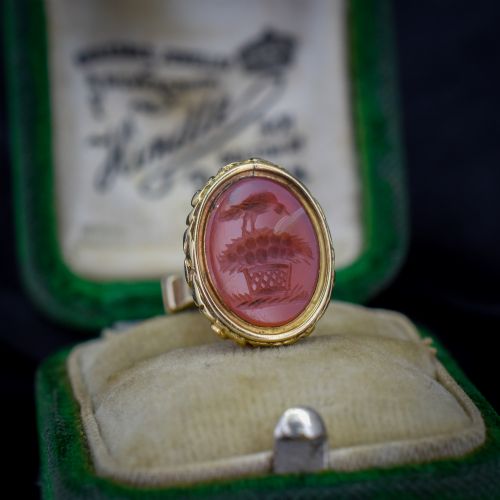
A georgian intaglio fob charm is a small, hand-carved stone seal set in precious metal, offering collectors miniature classical sculpture to wear.
Georgian Intaglio Fob Charm
When you search for a georgian intaglio fob charm, you encounter miniature hardstone carvings mounted for suspension, historically used to stamp wax on correspondence. These pieces combine utility and ornament, serving as personal signets or decorative pendants that reflect the classical tastes of their era.
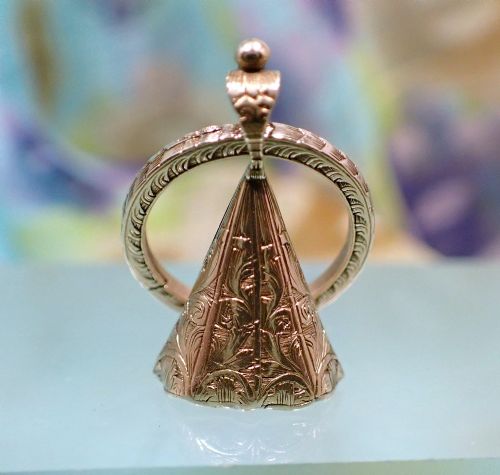
On this page, you meet examples primarily spanning the Georgian and Victorian periods, alongside later twentieth-century iterations. The forms range from simple gold-mounted seals to ornate swivel fobs featuring carved figures, animals, and names.
How they were made
Craftsmen shaped and polished hardstones such as carnelian, chalcedony, bloodstone, and sardonyx by hand before intaglio carving the reverse design. This meticulous process required steady skill to cut detailed motifs into stones of varying hardness.
The carved stones are mounted in solid gold, gold cased, or gilt metal settings. Artisans constructed these frames with decorative bezels and suspension loops, often incorporating ornate scrollwork or matching split rings.
Georgian Intaglio Fob Charm Retail Price Guide 2026
Typical asking prices for georgian intaglio fob charm among the pieces listed under this phrase on Sellingantiques today, from the lower quarter to the upper quarter. They describe what is for sale here now, not the wider market.
An elephant charm swings from its gold-cased mount, proving that Georgian and Victorian lapidaries had a profound fondness for exotic menagerie subjects.
What varies in quality
The distinction between ordinary and exceptional pieces rests upon the precision and depth of the intaglio carving. Superior examples display crisp, lifelike anatomical details in figures, animals, or heraldic motifs, whereas lesser pieces feature shallow or crude incisions.
Material choice and mount construction further define the grade of a piece. Solid gold settings and translucent, richly coloured hardstones elevate a charm above standard gilt metal and opaque stones.
The Georgian Intaglio Fob Charm Glossary
- Intaglio
- A design carved into the surface of a stone so that the impression pressed in wax appears in relief. This technique reverses the image, requiring the carver to work in mirror-write.
- Fob seal
- A small pendant designed to hang from a pocket watch chain, featuring a matrix at the base for stamping wax. They double as ornamental charms.
- Carnelian
- A brownish-red variety of the silica mineral chalcedony, prized for its warm translucency in seal engraving. It is one of the most common stones found in these pieces.
- Bloodstone
- A dark green jasper flecked with red spots of iron oxide, frequently used for seal matrices. The contrast of colours provides a striking backdrop for engraved initials.
- Gold cased
- A method of manufacturing where a layer of gold is mechanically bonded to a base metal core. This provides the appearance and wear of solid gold at a different structural weight.
Georgian Intaglio Fob Charm: Frequently Asked Questions
What is a georgian intaglio fob charm?
A georgian intaglio fob charm is a small pendant featuring a hardstone engraved with a reverse design, traditionally used for sealing letters with wax.
These items were originally attached to pocket watch ribbons or chains, functioning as both personal signatures and decorative accessories.
How do I wear a fob charm today?
You can suspend a fob charm from a modern chain as a pendant or attach it to a bracelet as a charm.
Their compact size and intricate carving make them versatile pieces for daily wear, whether worn singly or grouped together.
What stones are used in these charms?
Carvers utilised a variety of microcrystalline quartzes, most notably carnelian, chalcedony, bloodstone, and sardonyx.
These materials were chosen for their hardness, fine grain, and ability to take a high polish, which ensures a clean impression in sealing wax.
How do I distinguish Georgian from Victorian pieces?
Georgian pieces often display neoclassical motifs and simpler, elegant gold mounts, reflecting eighteenth and early nineteenth-century aesthetics.
Victorian examples frequently introduce heavier ornamentation, ornate metalwork, and a broader range of animal or symbolic subjects.